Adaptive Re-use · Adaptive Reuse · Aesthetics · Archibald Gregory · Architecture · Art Deco · Attachment to place · Australian Army · Built Heritage · Camden Built Heritage · Camden Golf Club · Camden Story · Campbelltown-Camden Grammar School · Colonial Architecture · Colonialism · Cultural Heritage · Eastern Command Training School, Narellan, NSW · Farming history · Film Making · Heritage · History · History of a building · History of a house · Hotel History · Interwar · Local Studies · Military history · Movies · Narellan · Narellan Story · Place making · Sense of place · Settler colonialism · Settler Society · Stories · Storytelling · Studley Park · War at home · Wartime · World War Two

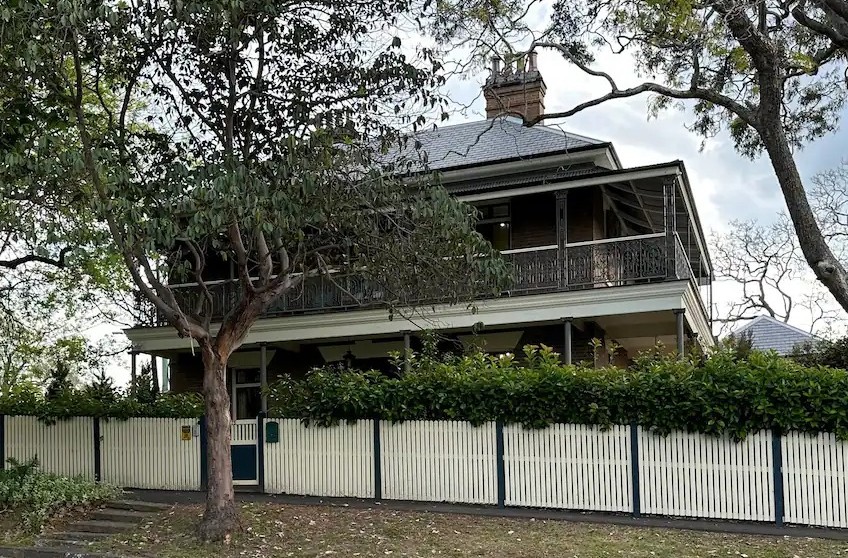
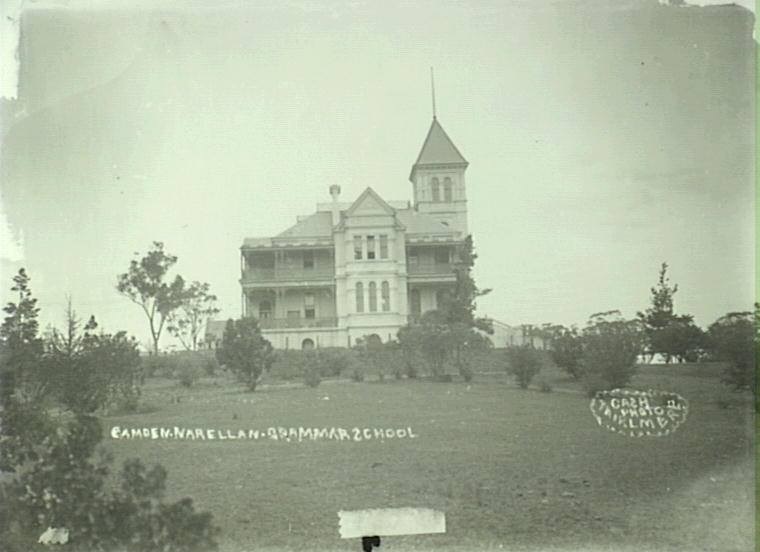
Exploring Studley Park: A Victorian Italianate Heritage Site

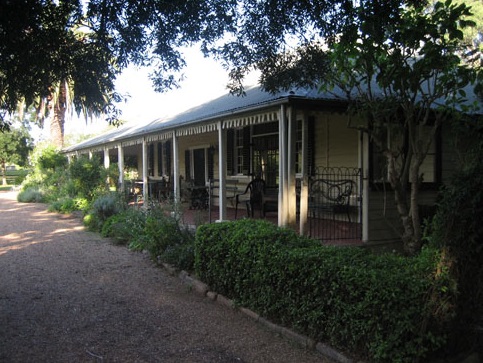
Studley Park House, located in Narellan, NSW, exemplifies Victorian Italianate architecture and holds state significance for its aesthetics and historical associations. Constructed in 1889 by architect firm AL & G McCredie for William Charles Payne, it served various purposes, including a school and military quarters, before becoming a private residence.

19th Century · Architectural History · Architecture · Australian History · Built Heritage · Colonial Architecture · Colonial Australia · Colonialism · Country town · Cultural Heritage · Georgian · Heritage · Historiography · History · Housing styles · Local History · Pioneers · Place · Sense of place · Small communities · Small town · Stories · Storytelling

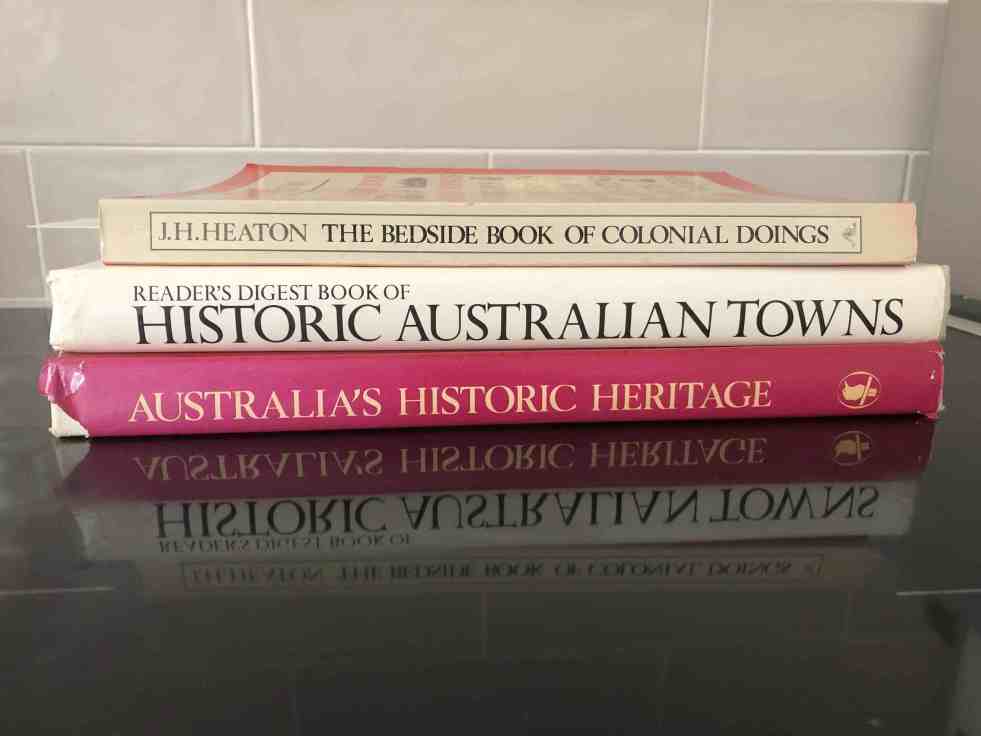
Rediscovering Forgotten Australian History Books

The blog post discusses three historically significant Australian books from the 1980s, which have become neglected items. Heaton’s work is a reference on early Australian history, while Smith’s volume showcases historical sites through photography. Morrison and Irving focus on historic towns and architectural heritage. Collectively, they reflect on popular historiography in Australia.

19th Century · 20th century · Adaptive Re-use · Adaptive Reuse · Agricultural heritage · Agricultural modernism · Agriculture · Agriculture history · Architectural History · Architecture · Artefacts · Attachment to place · Belgenny Farm · Belonging · British colonialism · Built Heritage · Business History · Camden Park Estate · Camden Park House and Garden · Camden Story · Carpentry · Collective Memory · Colonial Australia · Colonial Camden · Colonial frontier · Community Engagement · Community identity · Cultural and Heritage Tourism · Cultural Heritage · Dairying · Farming · Farming history · History · History Festival · Living History · Local History · Local Studies · Lost trades · Macarthur family · Place making · Placemaking · Sense of place · Settler Society · Stories · Storytelling

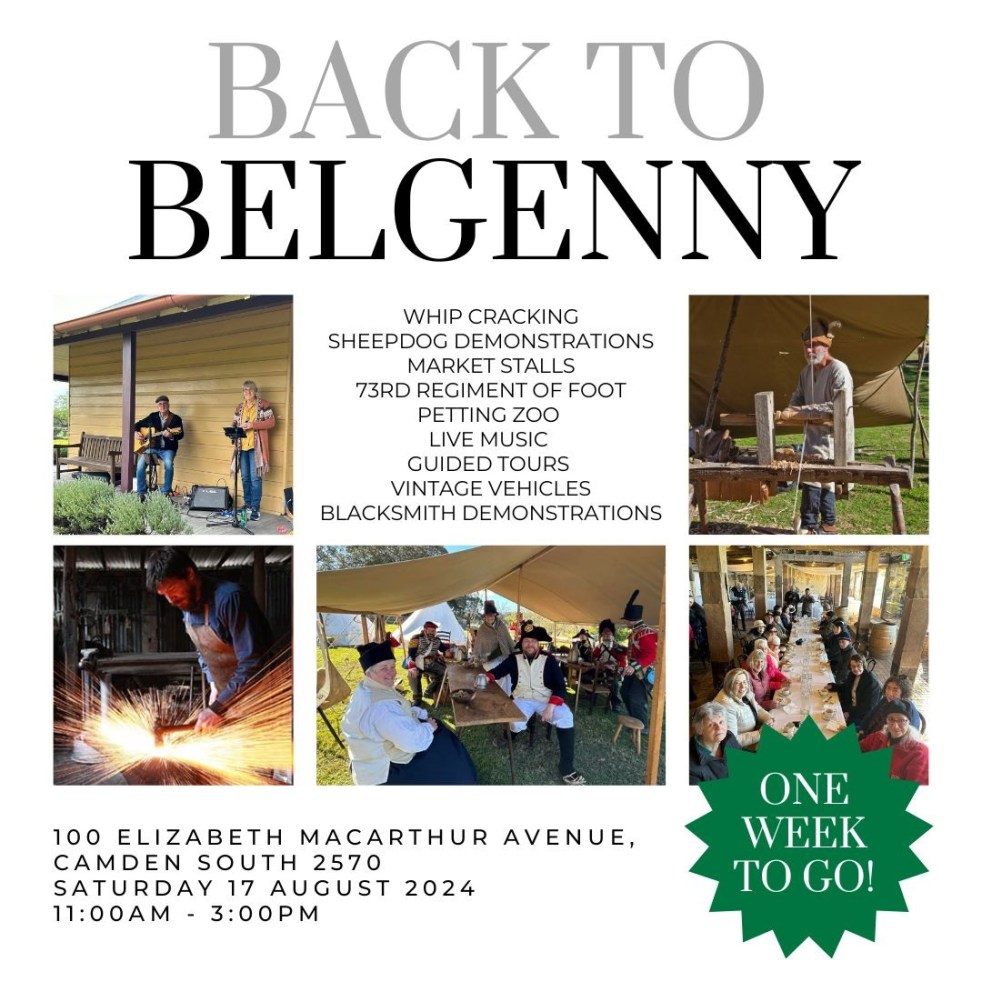
Explore Belgenny Farm: A Journey Through Time 2024

The 2024 Back to Belgenny festival showcased living history at Belgenny Farm, featuring reenactments, traditional trades, and various activities such as sheepdog trials and guided tours. The event included a demonstration by Governor Macquarie’s regiment and highlighted the farm's historical significance, providing visitors with an immersive glimpse into colonial agricultural life.

19th Century · 20th century · Aesthetics · Architectural History · Architecture · Art · Artists · Artworks · Book · Built Heritage · Colonial Architecture · Colonial Australia · Colonial Camden · Colonial frontier · Colonial garden · Community identity · Cowpastures · Cowpastures district · Cowpastures Gentry · Cowpastures Region · Cultural Heritage · Gardening · Georgian · Heritage · History · House history · Housing styles · Interwar · Landscape aesthetics · Local History · Local Studies · Narellan Built Heritage · Place making · Placemaking · Regionalism · Residential Housing Style · Sense of place · Settler colonialism · Settler Society · Storytelling · Uncategorized · Victorian · William Hardy Wilson

Unveiling Hardy Wilson’s architectural legacy and his influence on Camden’s aesthetics

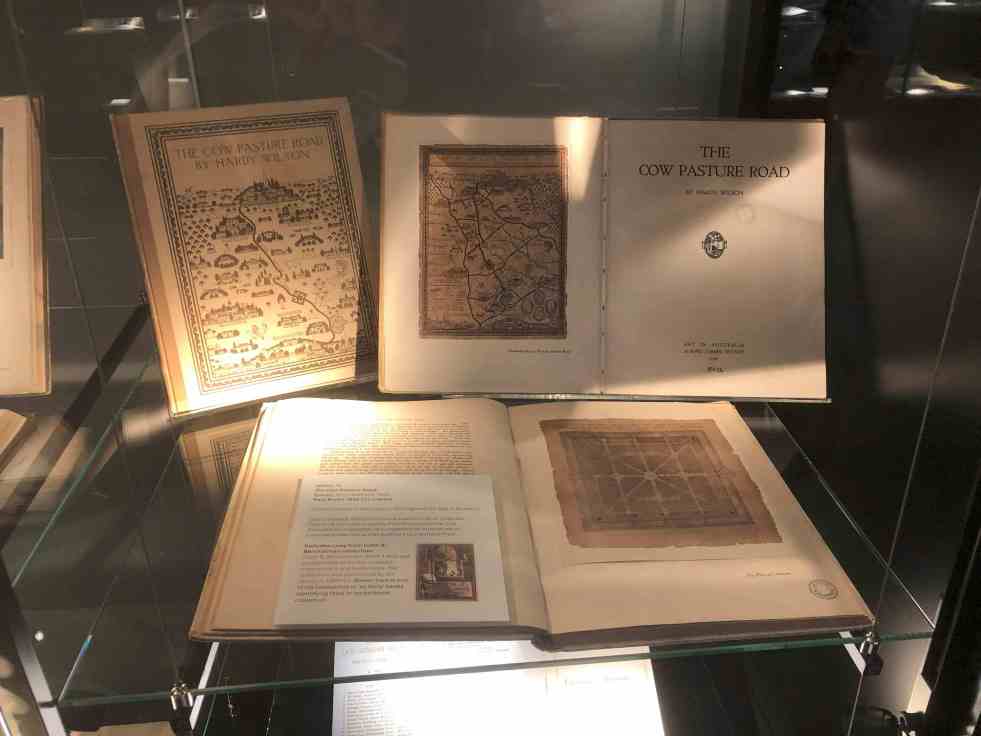
William Hardy Wilson, a largely unrecognized architect and artist, authored The Cow Pasture Road in 1920, impacting Camden's cultural narrative. His work celebrates colonial architecture and aesthetics, leading to a recent exhibition at the University of Sydney Library, which explores his dual legacy as both a visionary artist and controversial figure in Australian history.

Aesthetics · Agricultural heritage · Agriculture · Agriculture history · Appin · Appin Massacre 1816 · Architecture · Attachment to place · British colonialism · British Heritage · Built heritag · Cobbitty · Colonial frontier · Colonialism · Cultural and Heritage Tourism · Cultural Heritage · Denbigh · Dharawal · Farming · Frontier violence · Heritage · History · History of a building · History of a house · History Week · Local History · Local Studies · Place making · Sense of place · Stories · Storytelling · Trees · Uncategorized · Urban development

Denbigh Open Days: Exploring Historic Colonial Farm

Denbigh, a significant colonial farming complex in Australia, recently opened its gardens to the public for a rare charity viewing. The property, with a dark history of conflict and anxiety, reveals layers of history from dispossession of Aboriginal lands to dairying and urban invasion. Denbigh's fortified structures reflect the fear and violence of the Cowpastures frontier.

Aesthetics · Architecture · Attachment to place · Belonging · Built heritag · Camden · Camden Council · Camden Museum · Camden Story · Church History · Colonial Camden · Community identity · Country town · Cowpastures · Cowpastures Gentry · Cultural and Heritage Tourism · Cultural Heritage · Cultural icon · Engineering Heritage · Heritage · History · Landscape · Landscape aesthetics · Living History · Local History · Local newspapers · Memory · Place making · Settler Society · St John's Church Camden · Storytelling · Tourism · Uncategorized · Urban development · Urban history

Cultural and Heritage Tourism in Camden: Unveiling a $6.4 Million Per Year Industry

Cultural and heritage tourism adds $6.4 million a year to the local economy. The Camden Museum and the Alan Baker Art Gallery add over $1.7 million annually.

Alan Baker Art Gallery Camden NSW · Architecture · Artefacts · Attachment to place · Built heritag · Camden Festivals · Camden Heritage Conservation Area · Camden Historical Society · Camden John Street Precinct · Camden Town Centre · Camden Town Farm · Collective Memory · Colonial Camden · Community · Community celebrations · Community identity · Country town · Heritage · Heritage Walking Tours · Historical consciousness · Historical thinking · History Festival · Living History · Local History · Local Studies · Macaria · Music · Place making · Placemaking · Sense of place · Stories · Storytelling · Uncategorized · Unlock Camden · Urban history

Explore Unlock Camden 2024: Uncover Camden’s Rich History

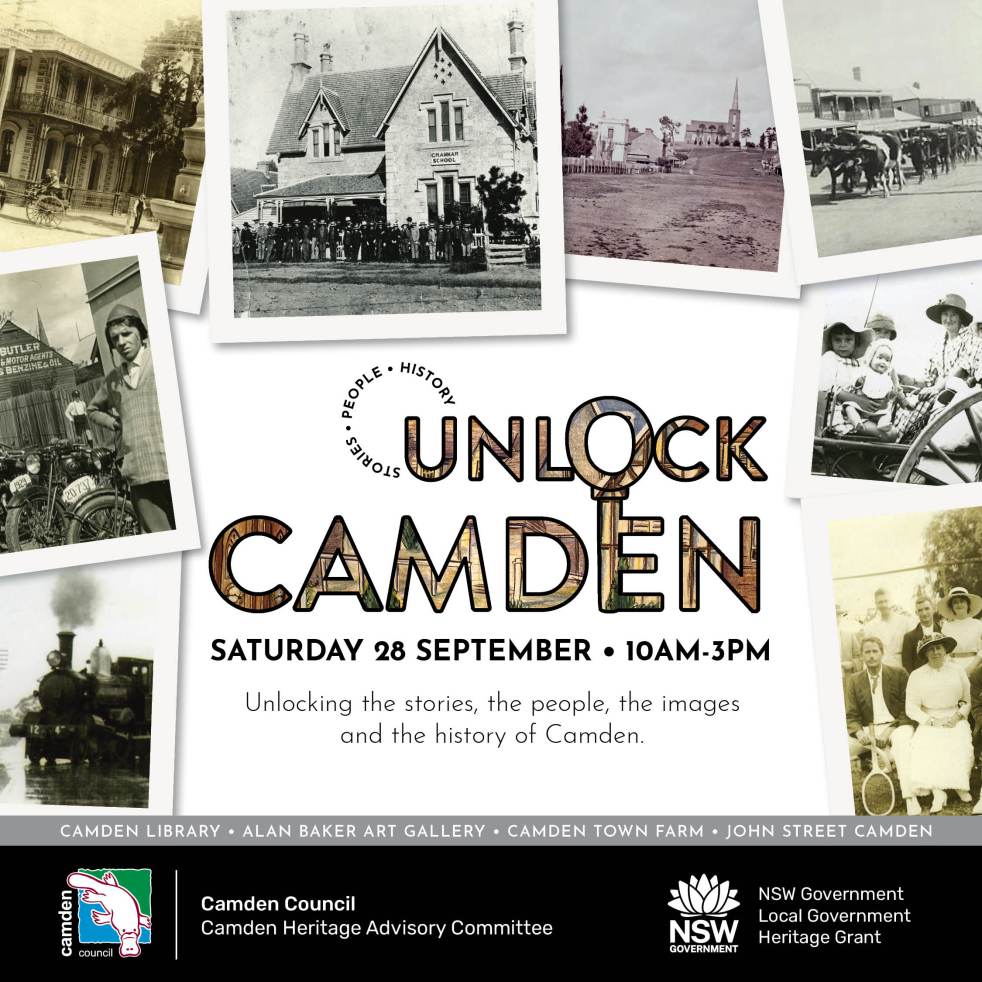
Unlock Camden is back in 2024, offering a celebration of the town's history and culture. The event, scheduled for September 28th, will feature a variety of activities, including historical re-enactments, art demonstrations, musical performances, and guided walking tours. The event aims to promote the area's historic locations and heritage.

Adaptive Re-use · Aesthetics · Architecture · Art · Attachment to place · Australia · Built heritag · Camden · Camden Story · Church History · Churches · Community identity · Cultural Heritage · Cultural icon · Curtilage · Georgian · Gothic · Heritage · Historical consciousness · Historical Research · Historical thinking · History · Landscape aesthetics · Lifestyle · Living History · Local History · Local Studies · Macarthur · Memory · Monuments · Myths · Place making · Placemaking · Ruralism · Sense of place · Social History · Storytelling · Streetscapes · Trust · Victorian · Weddings

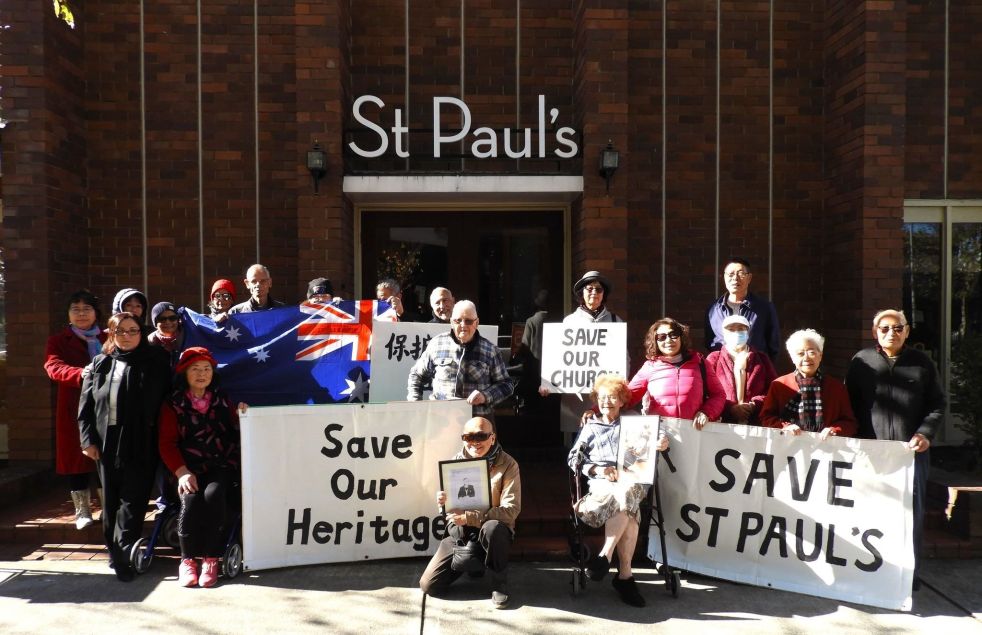
Why does the sale of a local church create community angst? What is going on?

The sale of church land has sparked community angst, particularly at St. Paul's Anglican Church in Bankstown. The proposed heritage listing has led to concerns about redevelopment and closure. Similar issues have arisen in Tasmania, where the sale of local churches has evoked strong emotional and historical attachments. The opposing views between churchgoers and non-churchgoers present an unresolved ethical dilemma.

Adaptive Re-use · Adaptive Reuse · Aesthetics · Agricultural heritage · Agricultural modernism · Agriculture · Agriculture history · Architecture · Artists · Belgenny Farm · Camden Park Estate · Camden Story · Carpentry · Colonial Camden · Colonialism · Commemoration · Cowpastures · Cowpastures Estates · Cowpastures Gentry · Crafts · Cultural Heritage · Dairying · Elizabeth Macarthur · Entertainment · Farming · History of a building · Landscape · Landscape aesthetics · Living History · Local History · Local Studies · Macarthur · Macarthur family · Memorial · Monuments · Nationalism · Place making · Placemaking · Ruralism · Sense of place · Settler Society · Small town · Stories · Storytelling · Traditional Trades · Village

Back to Belgenny 2024, a festival of living history

The 2024 Back to Belgenny festival at Belgenny Farm in South Camden showcased living history with reenactments, traditional trades, and stalls selling arts and crafts of the past. Activities included sheepdog trials, live music, vintage cars, and guided history tours of the site. The farm represents the settler society through the generations of the Macarthur family and their workers.

19th Century · 20th century · Architecture · British colonialism · Built heritag · Camden Built Heritage · Camden John Street Precinct · Camden Police Barracks · Collective Memory · Colonial Camden · Colonial frontier · Colonialism · Country town · Court of Petty Sessions · Cowpastures · Cowpastures district · Cowpastures Estates · Cowpastures Gentry · Cowpastures Region · Cultural Heritage · Heritage · History of a building · Local History · Local Studies · Military history · Place making · Policing · Sense of place · Settler Society · Small town · Stories · Storytelling · Uncategorized · Urban history · Victorian

Camden Police Station and Residence: A Historical Landmark in Camden

Camden Police Station, a single-storey brick building at 35 John Street, was constructed in 1878 and served the NSW Police Service until 2011. Designed by James Barnet, it features historical architectural elements, including a paved verandah and brick chimneys. Currently vacant, it is recognized for its heritage value within the Camden community.