20th century · Active citizenship · British Heritage · British Red Cross · Collective Memory · Community identity · Cultural Heritage · First World War · Gender · Humanitarianism · Ideology of Motherhood · International Relief · Lady Helen Munro Ferguson · Living History · Medical history · Medical Humanities · Memory · Metaphor · Modernism · Motherhood · Nationalism · Propaganda · Red Cross · Red Cross Humanitarianism · Red Cross Movement · Second World War · Sense of place · Sewing · Small communities · Small town · Social History · Stories · Storytelling · Symbolism · Trauma · Voluntary Aid Detachment · Volunteering · Volunteerism · War · War at home · Wartime · Women's agency · Women's history · Women's stories · World War One

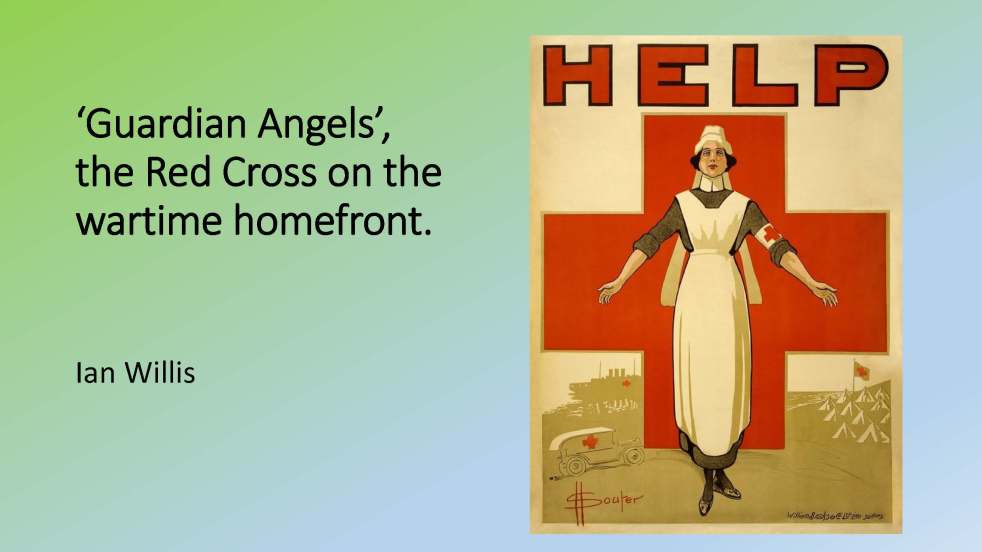
โ€˜Guardian Angelsโ€™, the Red Cross on the wartime homefront

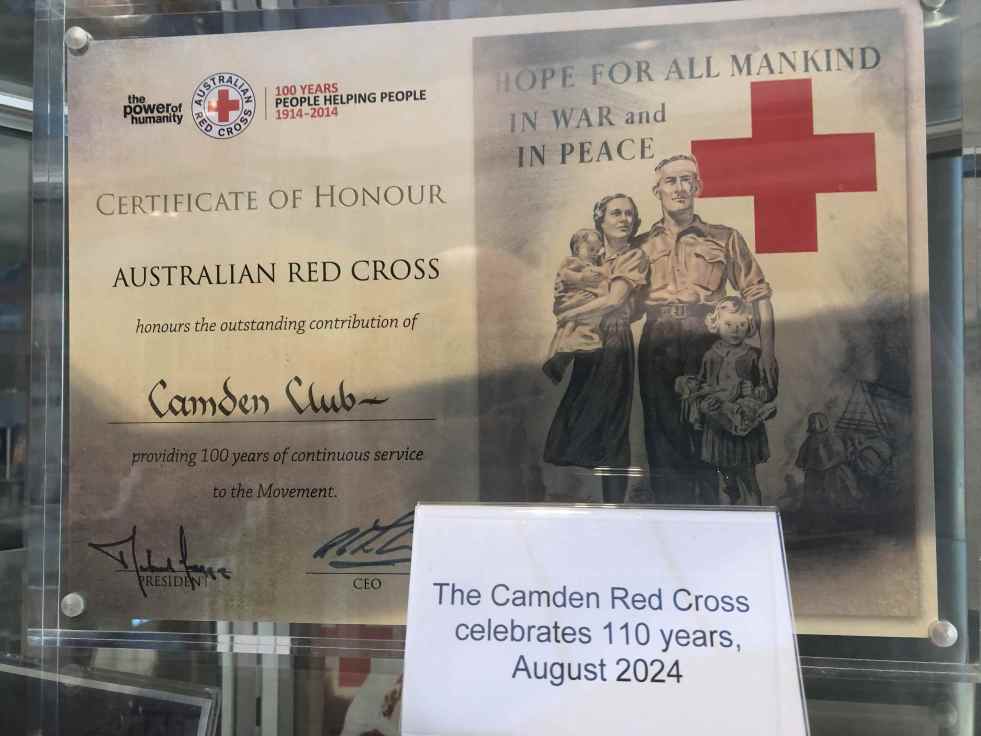
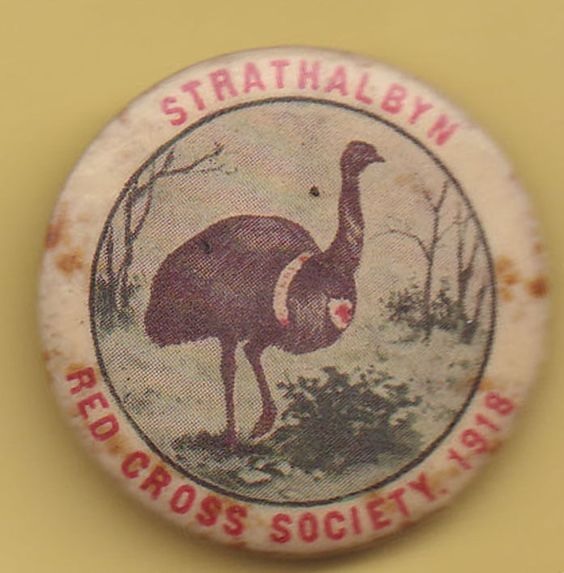
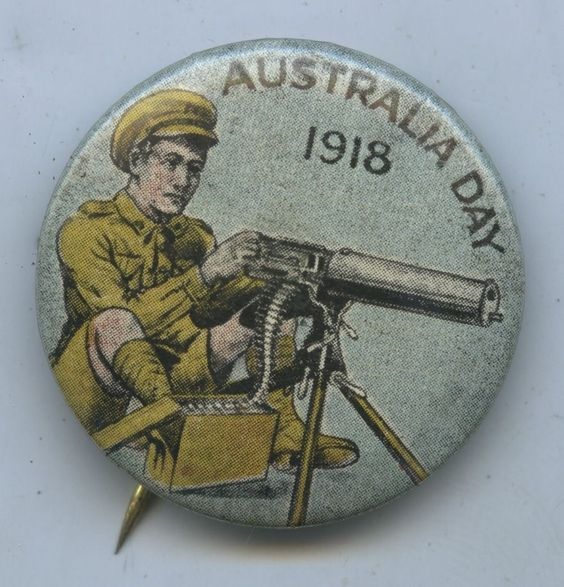
During the First World War, Australian women independently joined the Red Cross to support the war effort. The Red Cross provided a space for women to express agency and contribute to the war through practical activities and fundraising. The organization's local branches established a sense of community and played a significant role in the homefront war effort.

British Red Cross · Camden · Camden Red Cross · Camden Story · Community Engagement · Community organisations · Community work · Cultural Heritage · First World War · Goulburn · Heritage · History · Local History · Local Studies · Macarthur · Medical history · Nationalism · Patriotism · Place making · Provincial newspapers · Red Cross · Regionalism · Sense of place · Sewing · Small town · Stereotypes · Stories · Storytelling · Symbolism · Voluntary Aid Detachment · Volunteering · Volunteerism · War · War at home · Wartime · Women's history · Women's stories · World War One

New South Wales Women and the Red Cross: A Noble Cause

During the First World War in Australia, the Red Cross organization saw enthusiastic support from New South Wales women, spurred on by Lady Helen Munro Ferguson and the state's elite. The movement mobilized thousands for war support, with both urban and rural branches contributing countless hours and funds to provide comfort and aid to soldiers.

1930s · 20th century · Burragorang Miners Memorial · Burragorang Valley · Business · Business History · Camden Story · Coal mining · Economy · Electricity · Engineering Heritage · Engineering History · Heritage · Industrial Heritage · Local Studies · Lost Camden · Memorial · Memorialisation · Memorials · Memory · Mining History · Monuments · Narellan Story · Oakdale · Place making · Public art · Sense of place · Stories · Storytelling · The Oaks Historical Society · Wollondilly Heritage Centre

Burragorang Coalfields: From Prosperity to Closure

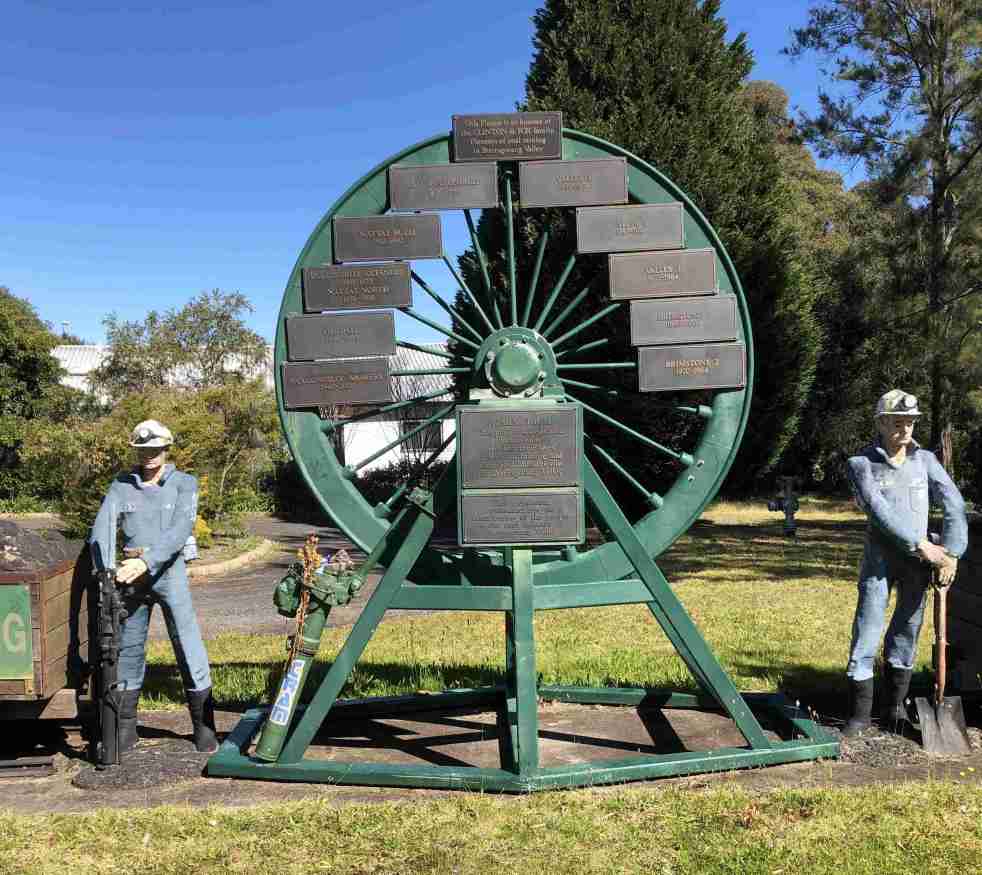
The Burragorang Valley's coal mining history spans from the early 1800s to the closure of the last operational mine in 2000. The community relied on coal for jobs, but the inevitable end affected the region. International mining companies became involved, and the introduction of electricity transformed mining processes. Many mines opened and closed throughout the years, leaving a rich and complex history documented in various sources.

1920s · Agency · Attachment to place · Australia · Camden · Camden Museum · Camden Show · Camden Story · Collective Memory · Community identity · Cultural Heritage · Education · Entertainment · Fashion · Gender · Heritage · Historical consciousness · Historical Research · Historical thinking · History · Interwar · Leisure · Lifestyle · Living History · Local History · Local Studies · Macarthur · Memory · Modernism · Mysteries · Myths · Newspapers · Onslow Park · Place making · Placemaking · Schools · Sense of place · Social History · Storytelling · Trainee Teachers · Women's history

Camden Trainee Teachers Camp 1924: Unveiling a Mysterious Journey

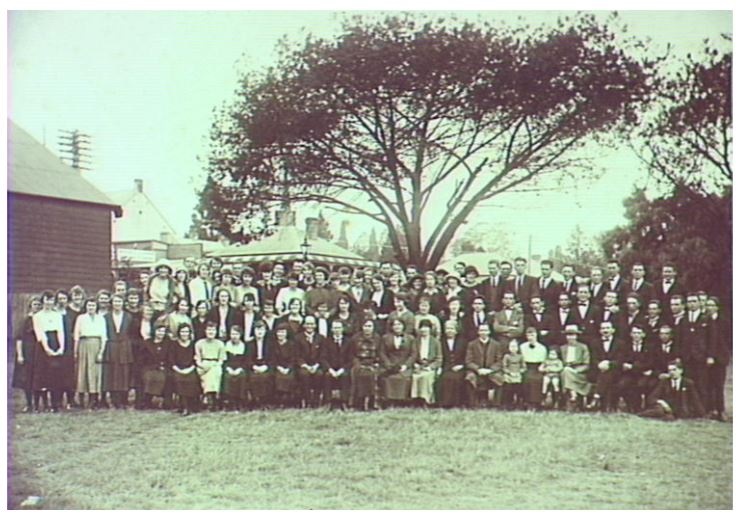
In 1924, a group of trainee teachers from Sydney Teachers College visited Camden for practical training, sparking local curiosity. This visit was part of a tradition that began in 1921, providing hands-on experience in local schools. The program's success was notable, drawing attention from education authorities and the media, and leaving a lasting impact on the community.

Argyle Street · Attachment to place · Camden · Camden Hospital · Camden Story · Community building · Community identity · Community organisations · Cultural Heritage · Cultural icon · Entertainment · Farming · Festivals · Heritage · Historical consciousness · Historical Research · History · Leisure · Living History · Local History · Local newspapers · Memory · Modernism · Newspapers · Place making · Ruralism · Sense of place · Social History · Volunteering · Volunteerism

Camden Rose Festival 1968: history and festivities

The Camden Rose Festival, founded by JW Hill, celebrated the 1960s' prosperity and optimism. The festival included a street parade, wheelbarrow derby, art exhibition, and a masked ball. The event attracted significant community participation and raised funds for Camden District Hospital. The festival reflected the spirit of the post-war years and local community engagement.

Attachment to place · Belonging · Camden · Camden Museum · Camden Story · Collective Memory · Colonial Camden · Community identity · Cultural Heritage · Cultural icon · Economy · Education · Farming · Heritage · Historical consciousness · Historical Research · Historical thinking · History · Legends · Living History · Local History · Local Studies · Lost Camden · Macarthur · Memory · Modernism · Narellan · Place making · Placemaking · Railway · Railway history · Second World War · Sense of place · Stories · Storytelling · Tourism · Transport

Exploring Camden’s Railway Heritage: Pansy and Its Timeless Stories

The Camden branch line, with its famous locomotive Pansy, holds a special place in the memories of locals and visitors. Operating from 1882 to 1963, it served as a lifeline for the community, transporting goods, passengers, and even wartime heroes. Despite its eventual closure, remnants of the line can still be seen today.

Architecture · Attachment to place · Belonging · Camden Museum · Camden Public School · Camden Story · Camden Town Centre · Churches · Community · Community building · Community identity · Cultural Heritage · Local Studies · Macaria · Memorials · Place making · Sense of place · St John's Church Camden · Stories · Storytelling · Teamsters Memorial · Urban history

Connecting Community: John Street and the Art of Placemaking

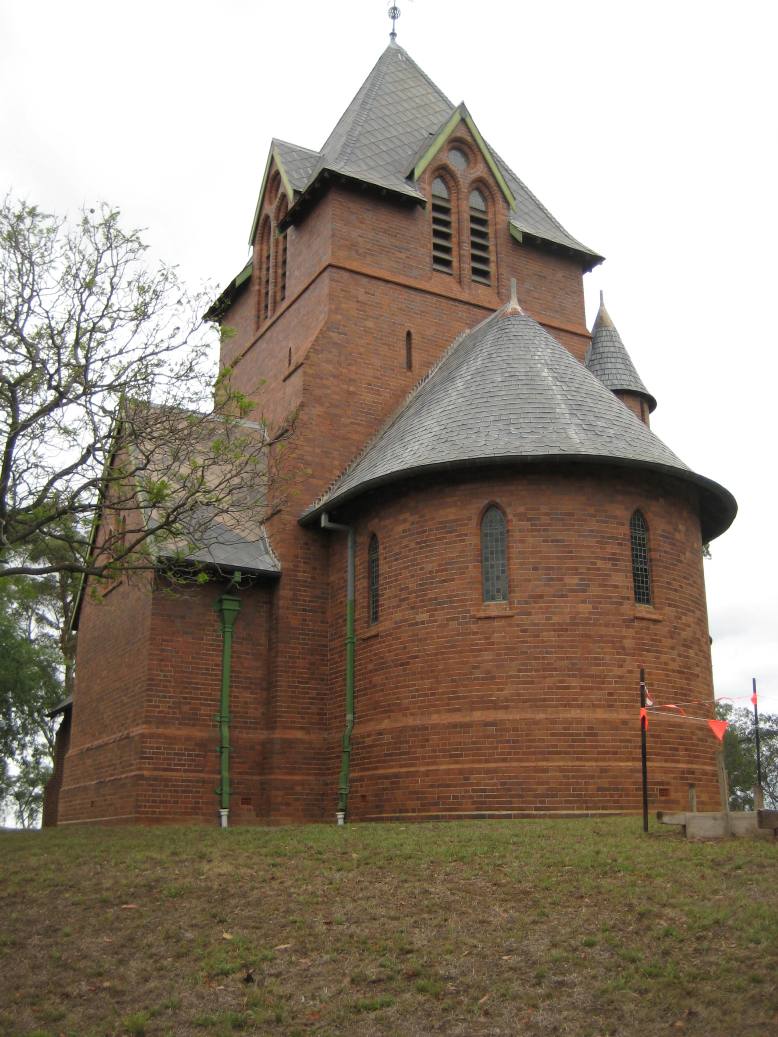
John Street in Camden embodies the concept of 'place' as defined by various scholars. The precinct holds significance for the community, influencing their identity and emotional attachment. It possesses the potential for placemaking through elements such as cultural traditions, memorials, and events. Leverage of these elements can enhance community interactions and attachment, enriching residents' lives.

Aesthetics · Art · Attachment to place · Cafes · Camden · Camden Council · Camden Story · Community · Community building · Community Engagement · Community identity · Cultural Heritage · Entertainment · Festivals · Heritage · History · Leisure · Local History · Music · Music history · Place making · Restaurant · Sense of place · Tourism

Camden Live & Local 2018: Eclectic Music Festival Across Camden’s Venues

The 2018 Live and Local Camden music festival showcased over 50 musicians across 15 eclectic venues. The festival's growth included jazz ensembles, young talents, and accomplished musicians, creating a diverse and immersive experience for attendees. This cultural event contributed to the development of an arts precinct and celebrated the significance of live music in community storytelling and place-making.

1968 Sydney Region Outline Plan · 1973 New Cities Campbelltown Camden Appin Structure Plan · Aesthetics · Airds · Architecture · Attachment to place · Campbelltown · Collective Memory · Community identity · Cultural Heritage · Cultural icon · Economy · Heritage · Historical consciousness · Historical Research · Historical thinking · History · Housing · Landscape · Lifestyle · Living History · Local History · Local Studies · localism · Lost Sydney · Macarthur · Macarthur Growth Centre · Malls · Memory · Mid-century modernism · Modernism · Myths · Place making · Placemaking · Retailing · rural-urban fringe · Sense of place · Shopping · Stereotypes · Storytelling · Streetscapes · Supermarkets · Sydney · Town planning · Urban Decay · Urban development · Urban growth · Urban history · Urban Planning · urban sprawl · Urbanism

Airds Shopping Mall demolition, the unmet expectations of mid-century modernism

The Airds shopping mall's future encapsulates the decline of mid-century modernism in the midst of urban neglect. Once a symbol of optimism, the area's decay reflects broader global trends in retail. From failed Radburn principles to public housing challenges, the mall's history mirrors the clash of modernism and neoliberalism in Campbelltown. Despite the despair former residents report that they recall happy memories and stories of hope growing up in the area.

1968 Sydney Region Outline Plan · 1973 New Cities Campbelltown Camden Appin Structure Plan · 20th century · Advertising · Business · Cafes · Camden · Camden Story · Cultural Heritage · Cultural icon · Drive-In Movies · Entertainment · Families · Family history · Film · Food · Heritage · History · Leisure · Lifestyle · Local History · Local Studies · Lost Camden · Lost Sydney · Memory · Modernism · Movies · Narellan · Narellan Gayline Drive-In Cinema · Narellan Story · Place making · Sense of place · Storytelling · Uncategorized · Urban Planning · urban sprawl

Narellan ‘Gayline’ Drive-In Movie Theatre, a touch of modernism

The Narellan Gayline Drive-In Movie Theatre in Camden was a defining feature of the local 1960s-1980s culture, offering a relaxed, family-friendly movie experience. The drive-in's success peaked in the early 1970s but eventually closed in 1990 due to changing lifestyles and real estate development. It provided a memorable experience for many local residents, offering a nostalgic look back at a bygone era.