Aesthetics · Art · Attachment to place · Australia · Belonging · Camden · Camden Airfield · Camden Park House and Garden · Community identity · Cultural Heritage · Cultural icon · Denbigh · England · Entertainment · Farming · Fashion · Festivals · Gothic · Heritage · Historical consciousness · Historical Research · Historical thinking · History · Interwar · Landscape aesthetics · Leisure · Lifestyle · Living History · Local History · Local Studies · Macarthur · Memorials · Memory · Modernism · Monuments · Moveable Heritage · Movies · Myths · Place making · Public art · Re-enactments · Ruralism · Sense of place · Stereotypes · Streetscapes · Sydney · Sydney's rural-urban fringe · Technology · Theatre · Tourism · Travel · TV Series Shows · Victorian · Volunteerism · War

Movie making Camden style

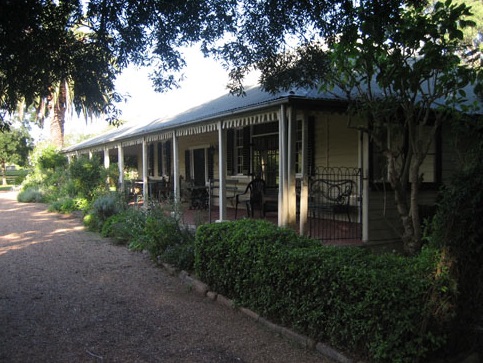
Filmmakers have long been drawn to Camden's English countryside setting for movie backdrops. The area has hosted various films, including silent movie Silks and Saddles (1921), wartime drama The Rats of Tobruk (1944), series like A Place to Call Home (2012), and modern productions like Peter Rabbit (2018, 2020). It continues to attract filmmakers seeking a classic English aesthetic for their productions.

20th century · Advertising · Aesthetics · Art · Attachment to place · Australia · Camden · Camden Story · Community identity · Costume History · Cultural Heritage · Cultural icon · Dairying · Dress history · Entertainment · Farming · Fashion · Fashion History · Festivals · Heritage · Historical consciousness · Historical Research · Historical thinking · History · Hotels · Interwar · Landscape aesthetics · Leisure · Lifestyle · Living History · Local History · Local Studies · Memory · Mid-century modernism · Modernism · Motoring History · Moveable Heritage · Myths · Pageant · Place making · Placemaking · Railway · Re-enactments · Retailing · Ruralism · Sense of place · Shopping · Stereotypes · Storytelling · Streetscapes · Sydney · Theatre · Tourism · Transport · Women's history

History Magazine photoshoot for RAHS captures a window into the past in Camden

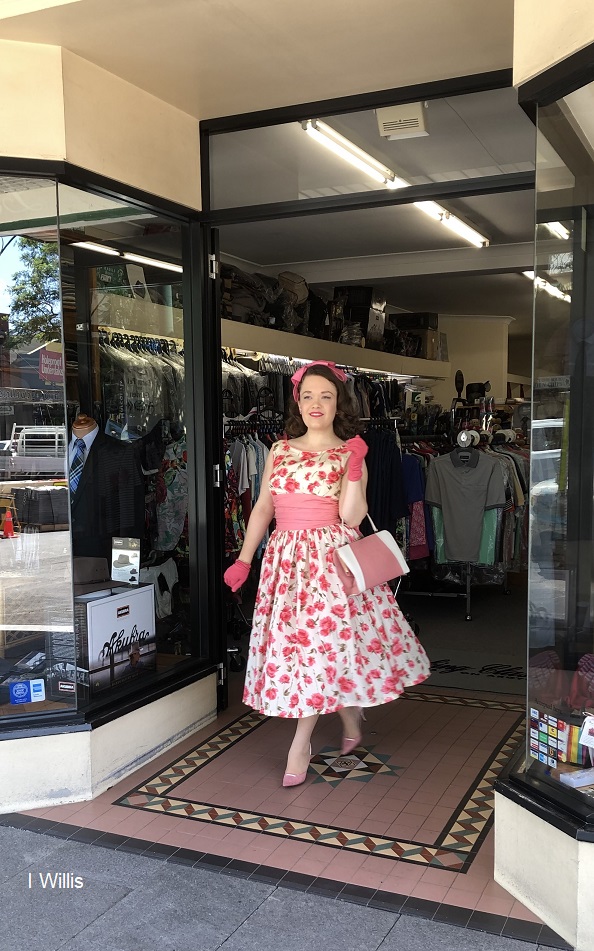
A photo shoot for the History Magazine of the Royal Australia Historical Society at Camden NSW captures a window into the past.

Aesthetics · Art · Campbelltown Art Centre · Community identity · Festivals · Historical consciousness · Historical thinking · Leisure · Local History · Macarthur · Modernism · Place making · Sense of place · Sydney · Tourism

Sheer Fantasy Experience

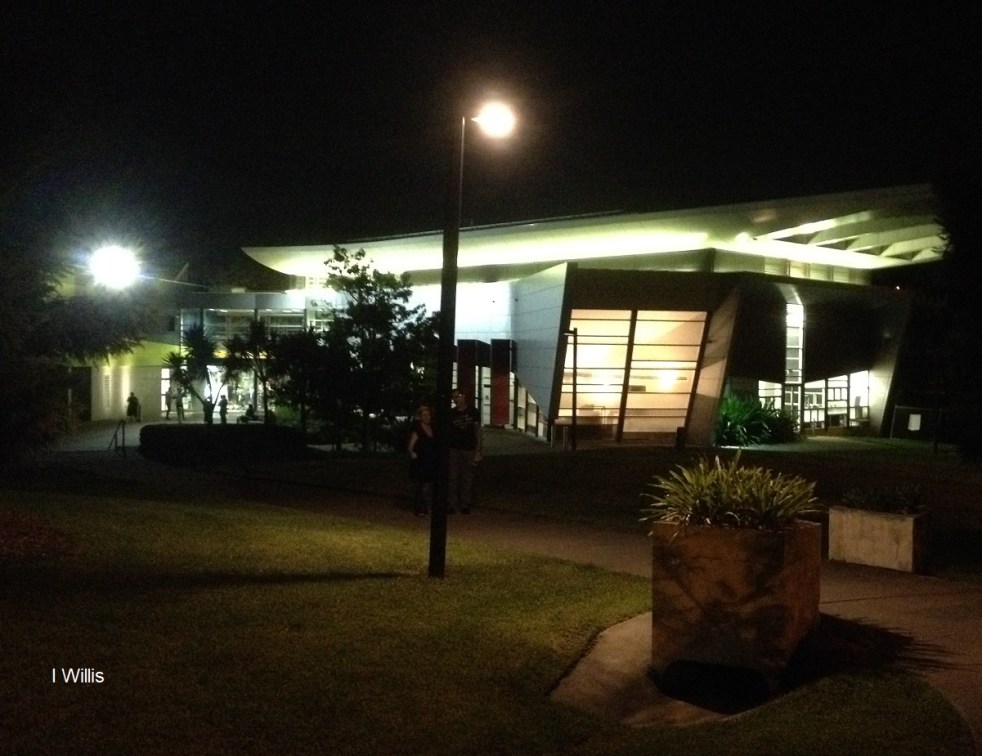
Sheer Fantasy Experience is an innovating and challenging art exhibition.

Aesthetics · Architecture · Attachment to place · Belonging · British colonialism · Collective Memory · Colonialism · Community identity · Cultural Heritage · Cultural icon · England · Governor Macquarie · Highways · History · Living History · Local History · Local Studies · Memorialisation · Memorials · Memory · Mileposts · Monuments · Parks · Place making · Settler colonialism · Settler Society · Storytelling · Sydney · Urban development · Urban history · Wayfinding

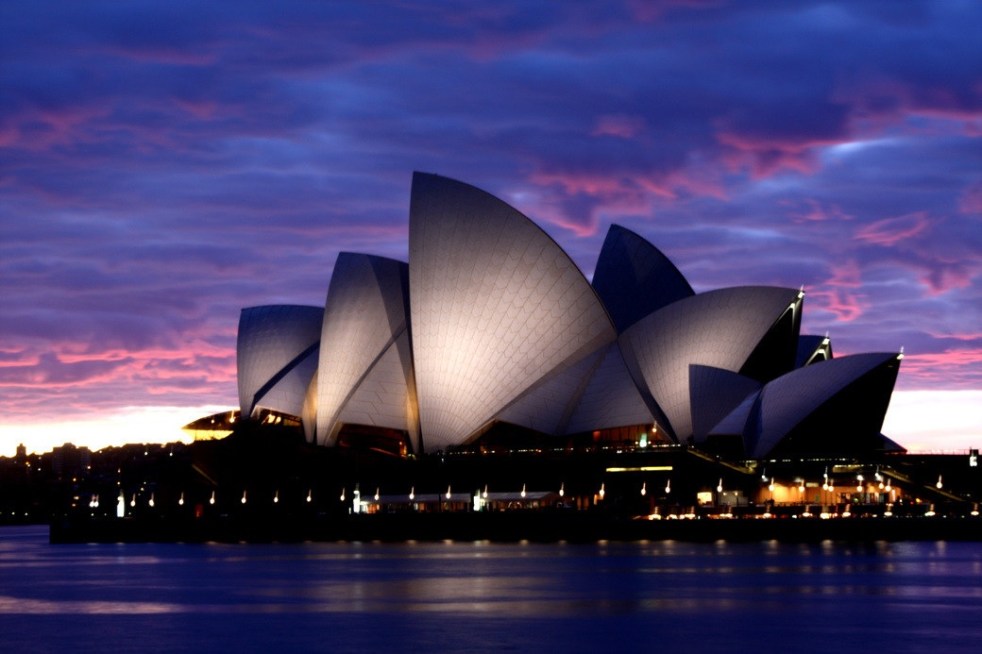
Macquarie Place: an overlooked city space of monumental importance

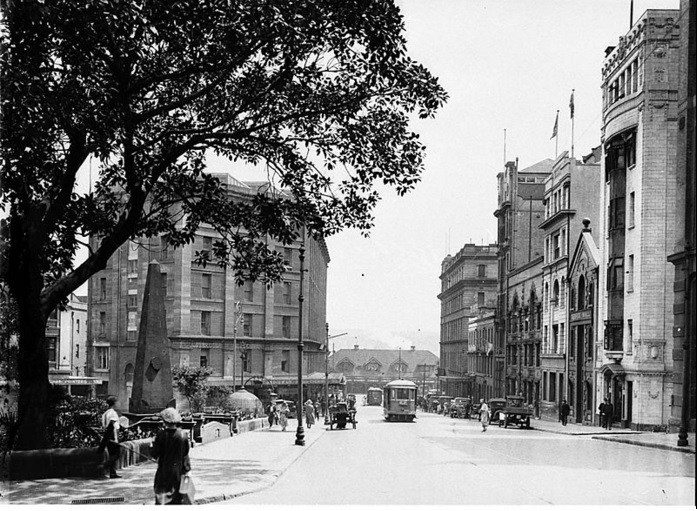
Macquarie Place is Sydney's oldest public square, established by Governor Macquarie over 200 years ago. Once a colonial elite space, it has transformed alongside the city into a hub for modern finance. The park features monuments and relics, symbolizing its historical significance and ongoing evolution amid urban change.

Aesthetics · Attachment to place · Cafes · Community identity · Cultural Heritage · Cultural icon · Edwardian · Entertainment · Fashion · Heritage · Historical consciousness · Historical thinking · History · Interwar · Leisure · Leppington · Living History · Local History · Lost Sydney · Macarthur · Modernism · Motoring History · Moveable Heritage · Parks · Place making · Retailing · Sense of place · Sydney · Theme Parks · Tourism · Volunteering

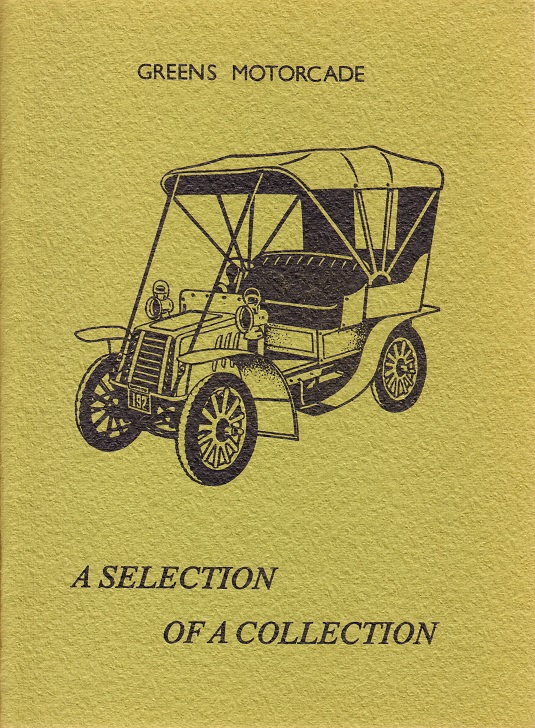
Greens Motorcade Museum Park Leppington, a lost Sydney icon

Greens Motorcade Museum Park Leppington was a large private collection of vintage, veteran and classic motor cars.

Attachment to place · History · Modernism · Place making · Sense of place · Sydney · Uncategorized

Sydney modernism, a recent awakening

It is pleasing to see that there has been recent interest in Sydney modernism from a number of prominent Sydney cultural institutions. The origins of modernism can be traced back to the 1880s, while Sydney modernism has be identified from the early years of the 20th century to the 1960s. In 2008 the Powerhouse Museum… Continue reading Sydney modernism, a recent awakening

Architecture · Art · Attachment to place · Australia · Catherine Fields · Community identity · Cultural Heritage · Cultural icon · Entertainment · Fashion · Festivals · Heritage · History · Holidays · Leisure · Local History · Lost Sydney · Macarthur · Memory · Modernism · Music · Myths · Place making · Retailing · Sense of place · Sydney · Sydney's rural-urban fringe · Theme Parks · Tourism

El Caballo Blanco, A Forgotten Past

El Caballo Blanco was a horse show and theme park located at Catherine Fields on Sydney rural-urban fringe

Architecture · Attachment to place · British Heritage · Colonialism · Conservation · Cricket · Cultural and Heritage Tourism · Cultural Heritage · Cultural icon · Cultural plantings · Design · Education · England · Entertainment · Environment · Farming · Fashion · Garden history · Gardening · Governor Macquarie · Heritage · Historical consciousness · Historical Research · Historical source · Historical thinking · History · Horticulture · Landscape · Landscape aesthetics · Leisure · Living History · Memorialisation · Memorials · Memory · Modernism · Place making · Placemaking · Plant Nursery · Plants · Retailing · Sculpture · Sense of place · Settler Society · Social History · Storytelling · Sydney · Uncategorized · Urban development · Urbanism · Victorian

Sydney’s Royal Botanic Gardens

The Royal Botanic Gardens in Sydney, Australia, cover 29 hectares of gardens and 51 hectares of surrounding parkland. Established in 1816, it is the oldest colonial botanic garden in Australia, attracting 4 million visitors annually. With historical significance dating back to 1788, the Gardens reflect changing landscape styles and serve as a popular public space.