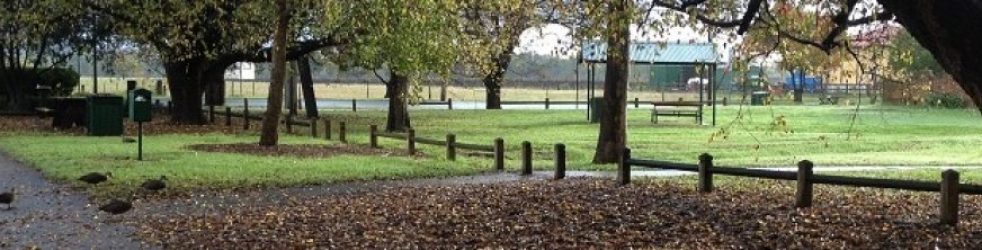
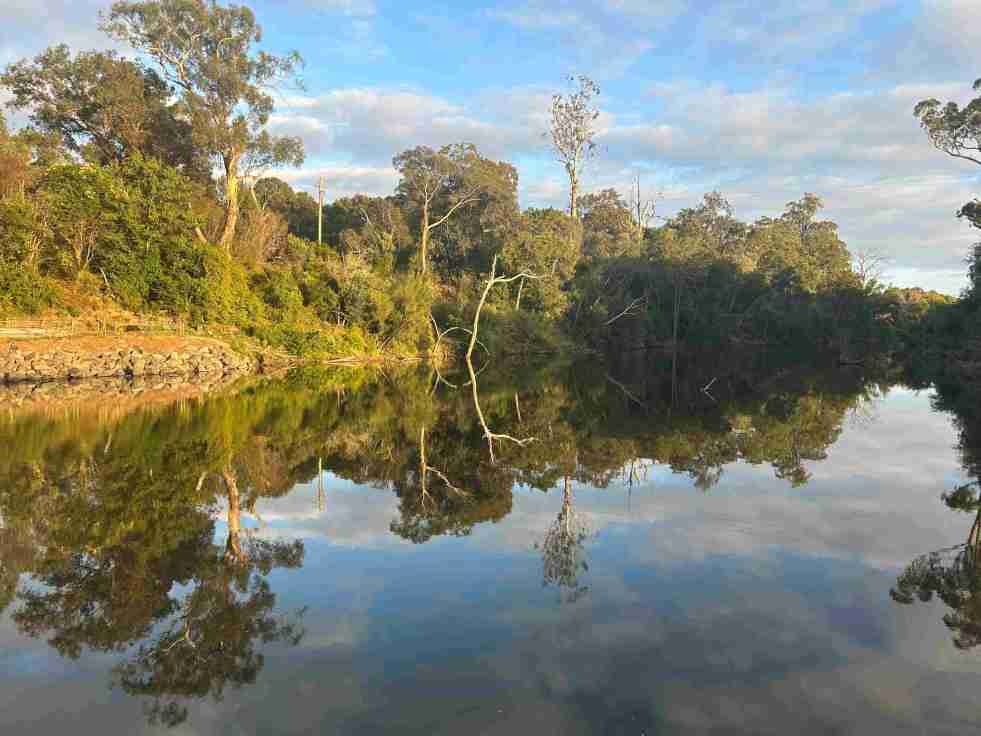
The Upper Nepean River is the upper catchment of the Hawkesbury-Nepean system, extending over 470 km from Goulburn to the Hunter Valley. Named in 1789, it has a complex history shaped by floods, droughts, and the settlements of Indigenous peoples and Europeans, significantly influencing the region's culture and land use.
Tag: Sense of place

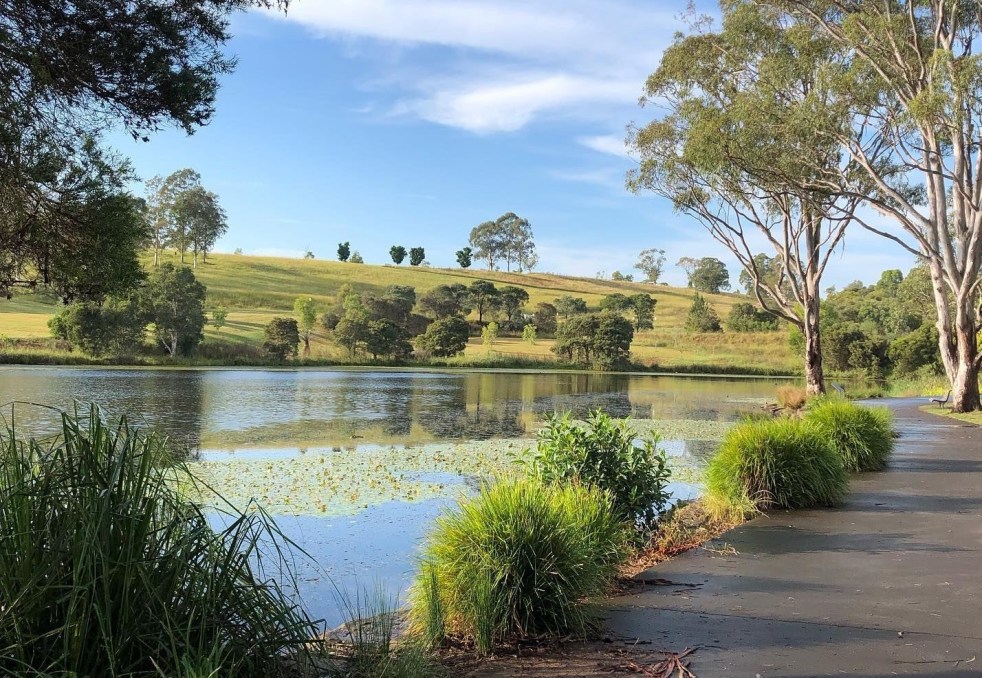
Exploring the Complexities of Western Sydney’s Identity
Western Sydney is a complex, diverse region with numerous communities, recognized by various government levels for planning and investment. Historically significant, it faces socio-economic disparities highlighted by the "Latte Line" and "Red Rooster Line." Recent developments, including the Western Sydney International airport, aim to enhance its identity and economic growth, fostering a sense of place.
Share this:

Share this:
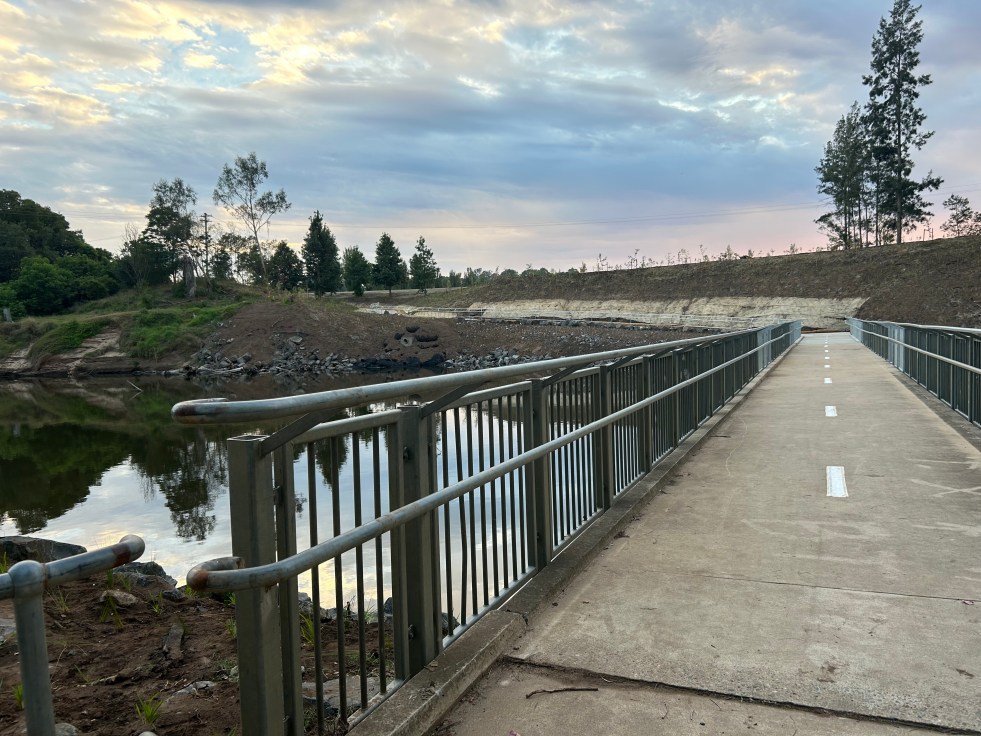
Little Sandy Footbridge Reopens: A Community Treasure
The Little Sandy Footbridge in Camden has reopened, restoring an essential link in the Nepean River Trail after extensive flood-related repairs. Originally constructed during WWII, the bridge has been a beloved community feature, supporting recreational activities for over a century. The project was funded by government sources, totaling $3.7 million.
Share this:

Share this:

Exploring Lost Camden, The Legacy of The Hennings House
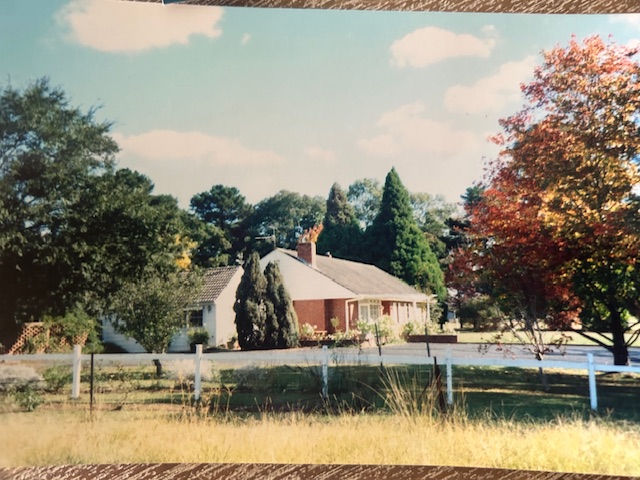
The Hennings House, a mid-century modern ranch-style residence built in 1960, was a prominent part of Elderslie's architectural landscape until its demolition in 2011 for a preschool. Known for its distinctive features and design, the house highlighted the cultural significance of post-World War II domestic architecture in Camden.
Share this:

Share this:
Exploring Elderslie’s Ranch-Style Homes, lost mid-century Camden
Tarn House, a ranch-style residence built in 1963 by Dr. Gordon Clowes in Elderslie, represents Camden's mid-century modern architecture. Clowes, an influential community figure and surgeon, lived there with his family. The house, now lost, was part of a broader trend of ranch-style homes in the area during the 1960s.
Share this:

Share this:
Community Hub Revitalization: Camden Civic Centre’s New Look
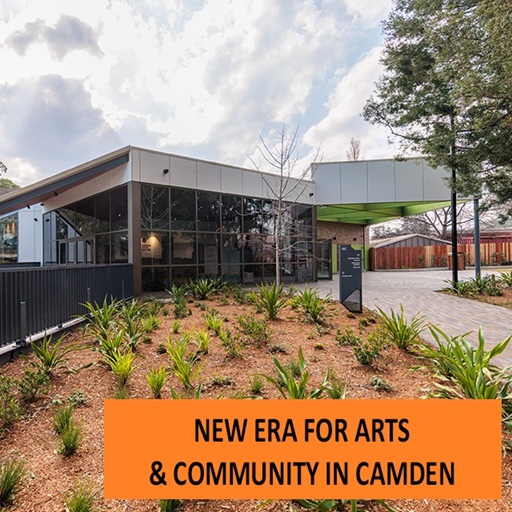
The Camden Civic Centre was officially reopened after a $9.9 million upgrade, enhancing its facilities as a modern, multi-purpose venue. The project included improved workspaces, public art installations, and a new grand piano. The council and government funding ensured a functional space for community events, strengthening local cultural support.
Share this:

Share this:

Local Voices Matter: NSW Community Cabinet in Camden
The NSW Cabinet held its first community forum in Camden, allowing locals to voice concerns and engage with representatives. Premier Minns discussed urban growth and infrastructure funding, emphasizing equity across Sydney. Despite some criticism regarding political motivations, the event fostered community involvement, enhancing democratic engagement and showcasing local issues effectively.
Share this:

Share this:
Insights from the Hawdon Letters: Colonial Life in NSW, Part 3, 1833-1837
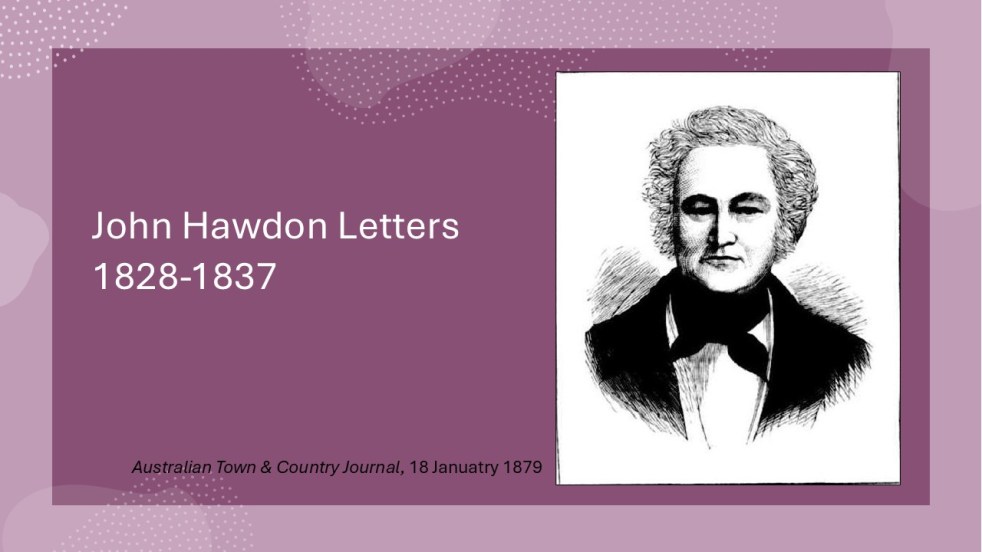
The letters of John Hawdon and others from 1828 to 1837, preserved in the State Library of NSW, provide insights into colonial life in New South Wales. They highlight themes of isolation, communication challenges, economic struggles, and attitudes toward gender and Indigenous populations, alongside Hawdon's farming experiences and family connections.
Share this:

Share this:
Exploring Caroline’s Diary: A Women’s Perspective on Colonial Australia
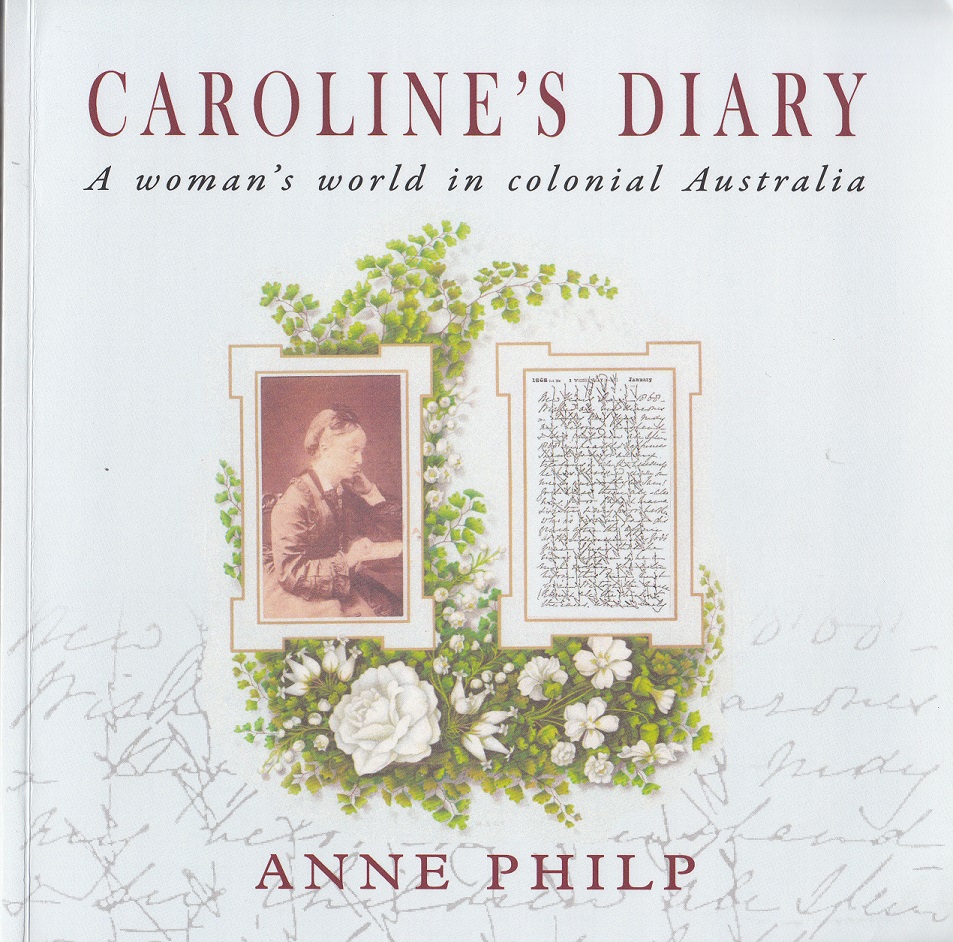
Anne Philp's "Caroline’s Diary" narrates the life of Caroline Husband, an Englishwoman who migrated to colonial Australia in the mid-19th century. Through her personal diaries, readers explore her adventures, social life, and experiences from England to New South Wales, providing insights into women's roles and societal dynamics during this period.
Share this:

Share this:

The Role of Historians in an AI World
A Microsoft study suggests historians are among jobs most at risk from AI, particularly due to AI's ability to gather data. However, historians play a crucial role in interpretation, analysis, and narrative construction, capabilities AI lacks. Therefore, while AI may assist, it cannot replace historians, ensuring their continued relevance in understanding the past.

