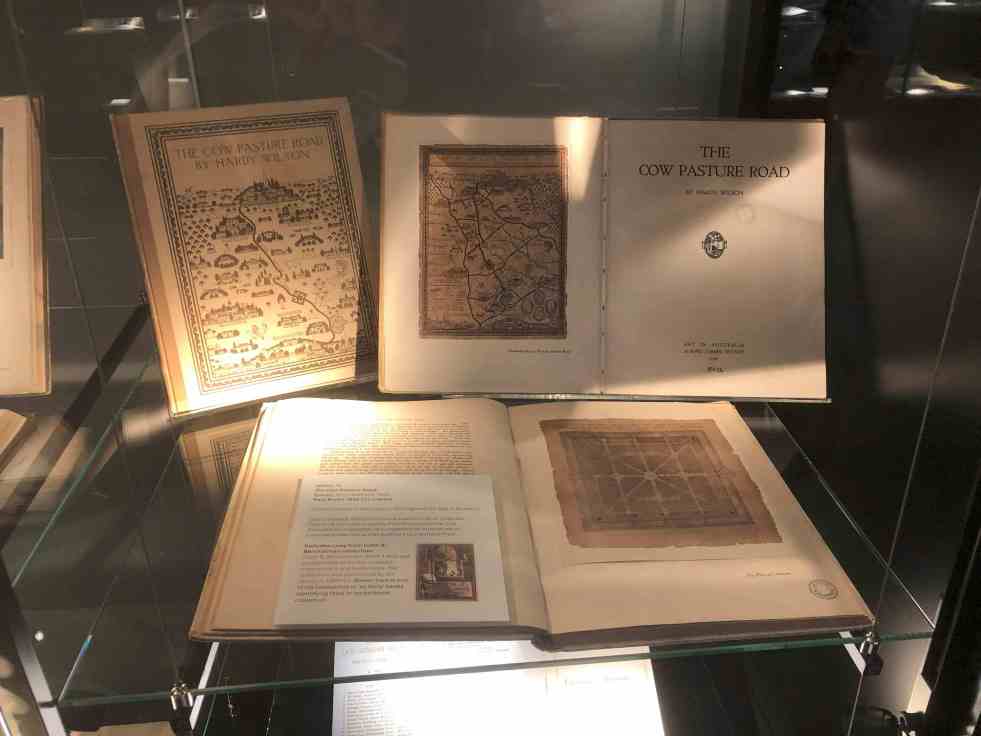
William Hardy Wilson, a largely unrecognized architect and artist, authored The Cow Pasture Road in 1920, impacting Camden's cultural narrative. His work celebrates colonial architecture and aesthetics, leading to a recent exhibition at the University of Sydney Library, which explores his dual legacy as both a visionary artist and controversial figure in Australian history.
Tag: Storytelling

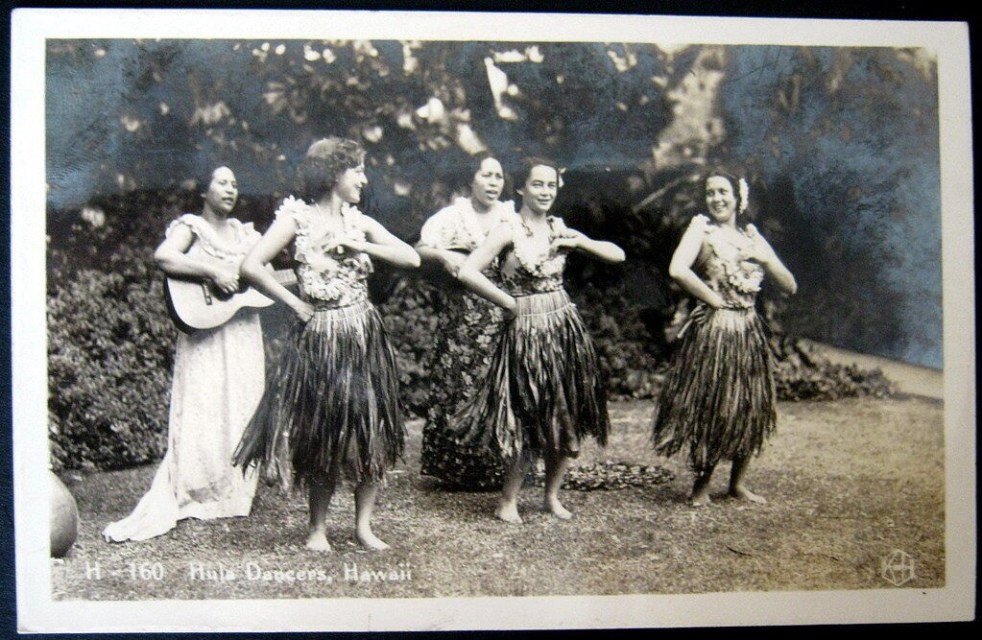
Hawaiian Music and Hula Dance Craze in 1920s Camden: A Historical Perspective
Hawaiian music and dance arrived in Camden after sweeping the rest of the country on the stage, at the movies and broadcast across the radio waves. The craze of the 1920s and 1930s was centred on hula dancing and the steel guitar.
Share this:

Share this:
Cultural and Heritage Tourism in Camden: Unveiling a $6.4 Million Per Year Industry
Cultural and heritage tourism adds $6.4 million a year to the local economy. The Camden Museum and the Alan Baker Art Gallery add over $1.7 million annually.
Share this:

Share this:
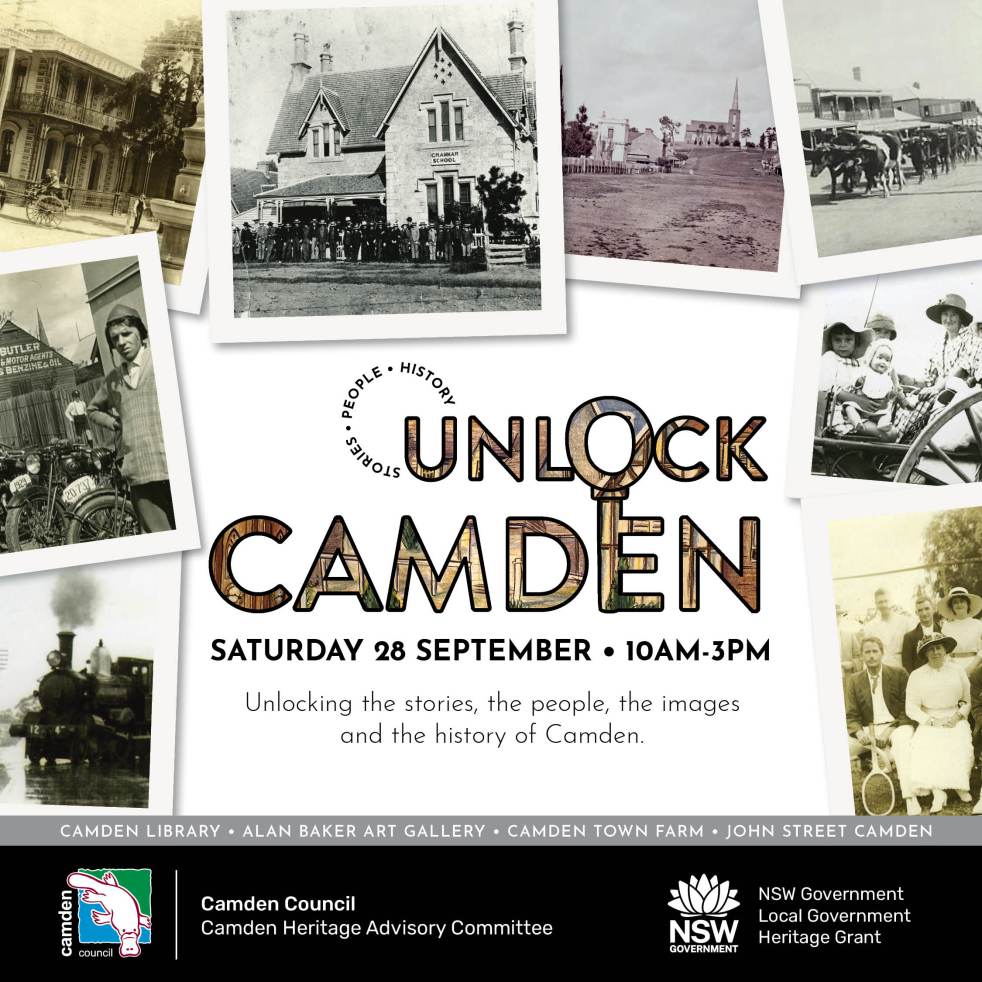
Explore Unlock Camden 2024: Uncover Camden’s Rich History
Unlock Camden is back in 2024, offering a celebration of the town's history and culture. The event, scheduled for September 28th, will feature a variety of activities, including historical re-enactments, art demonstrations, musical performances, and guided walking tours. The event aims to promote the area's historic locations and heritage.
Share this:

Share this:
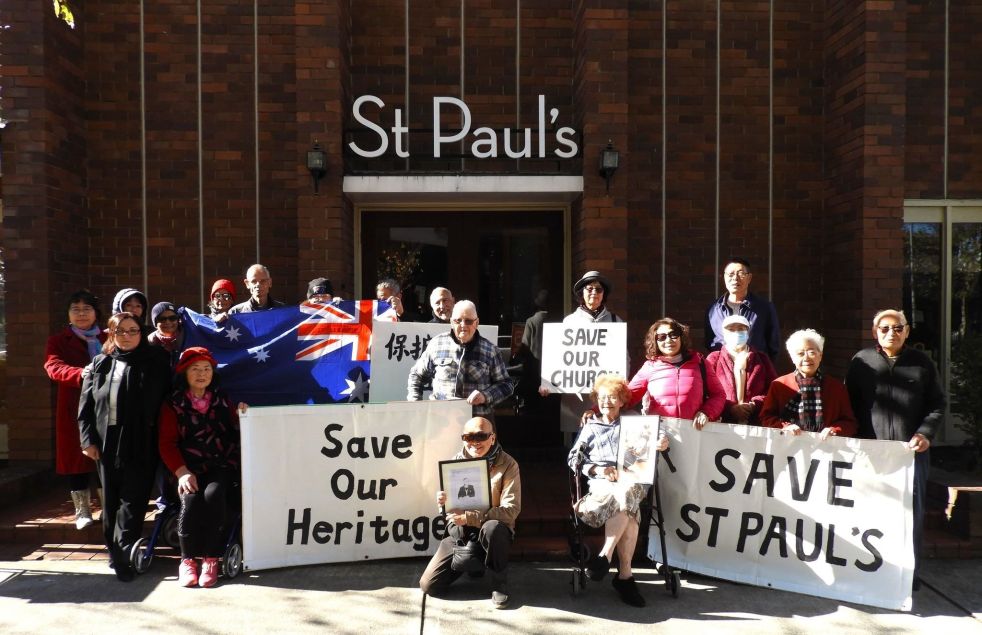
Why does the sale of a local church create community angst? What is going on?
The sale of church land has sparked community angst, particularly at St. Paul's Anglican Church in Bankstown. The proposed heritage listing has led to concerns about redevelopment and closure. Similar issues have arisen in Tasmania, where the sale of local churches has evoked strong emotional and historical attachments. The opposing views between churchgoers and non-churchgoers present an unresolved ethical dilemma.
Share this:

Share this:
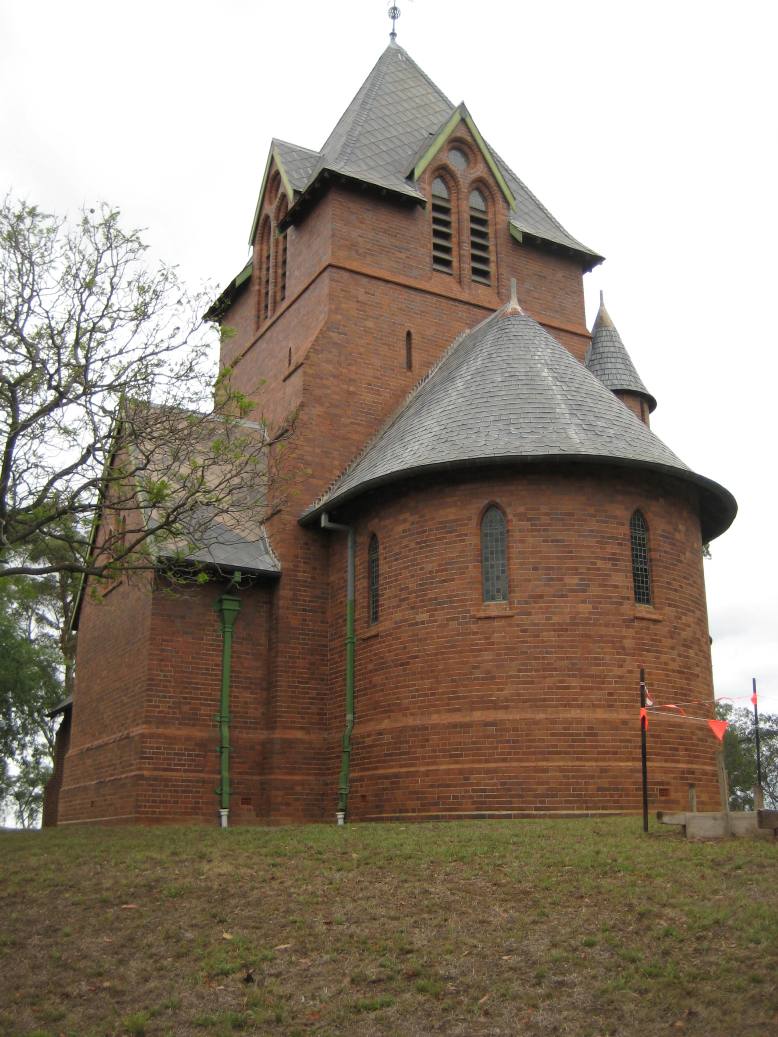
Menangle, A Historic English-Style Estate Village in Camden Park
The village of Menangle, situated within the Camden district, reflects an English-style private estate village that has evolved over 150 years. Embodying rural Englishness, it has experienced both prosperity and decline, closely tied to the history of the Camden Park estate. The village's story is intertwined with the Macarthur family's influence and the impact of industrialization and modernization.
Share this:

Share this:
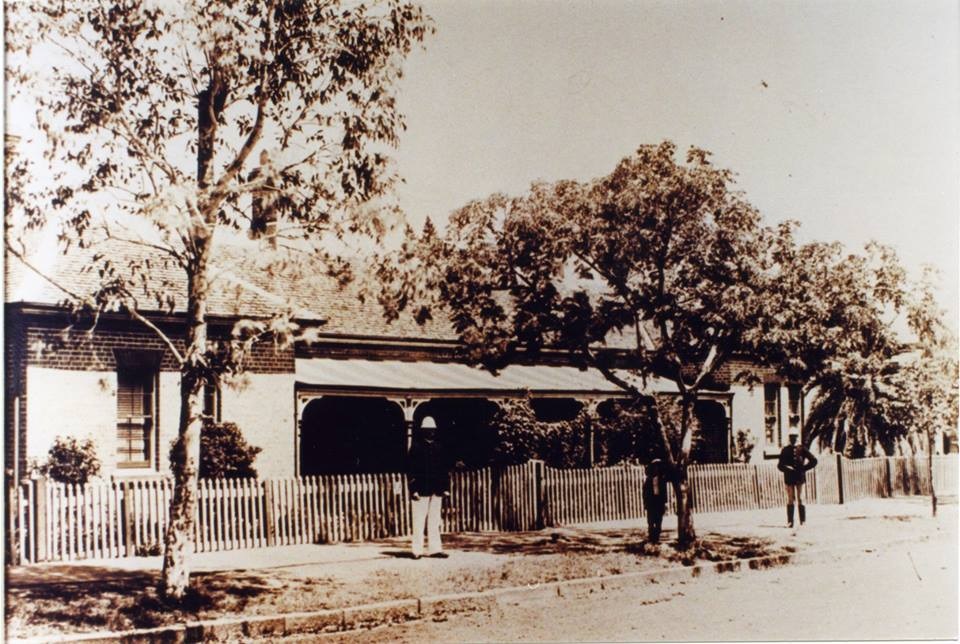
Camden Police Station and Residence: A Historical Landmark in Camden
Camden Police Station, a single-storey brick building at 35 John Street, was constructed in 1878 and served the NSW Police Service until 2011. Designed by James Barnet, it features historical architectural elements, including a paved verandah and brick chimneys. Currently vacant, it is recognized for its heritage value within the Camden community.
Share this:

Share this:
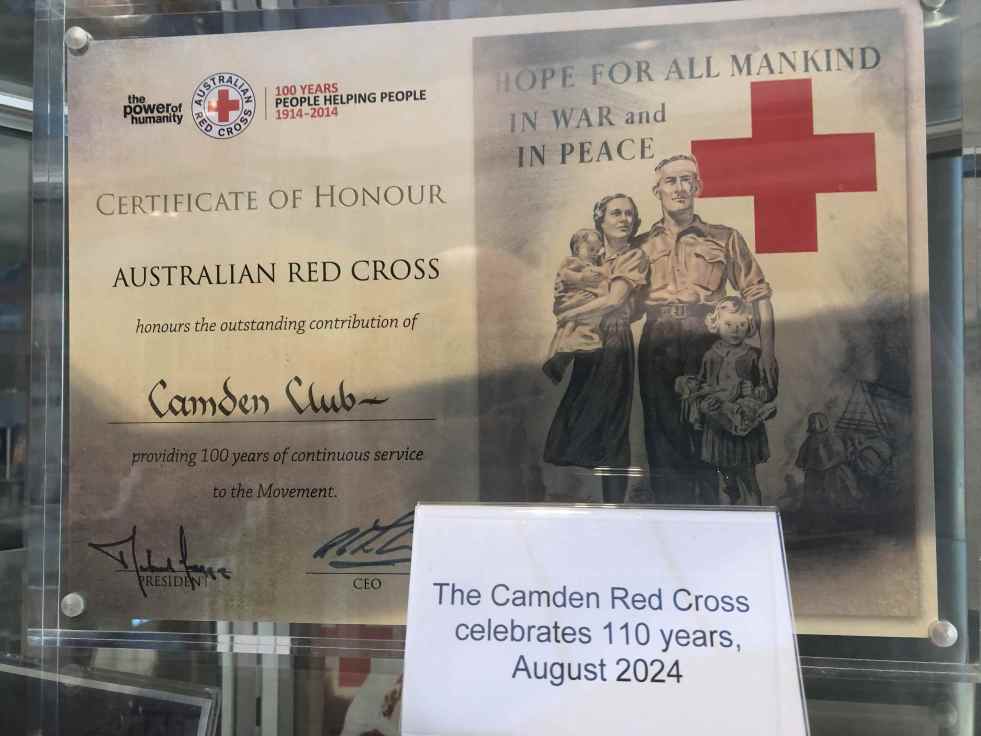
Camden Red Cross 110 Years Display: Objects and Ephemera Exhibition 2024
The Camden Red Cross exhibition at Camden Library in August 2024 showcased the historical contributions of local women to the Red Cross during World Wars I and II. Women from the Camden district played a pivotal role in supporting soldiers and shaping the narrative of the Australian Red Cross, creating over 20,300 articles in 40,000 volunteer hours during WWI.
Share this:

Share this:
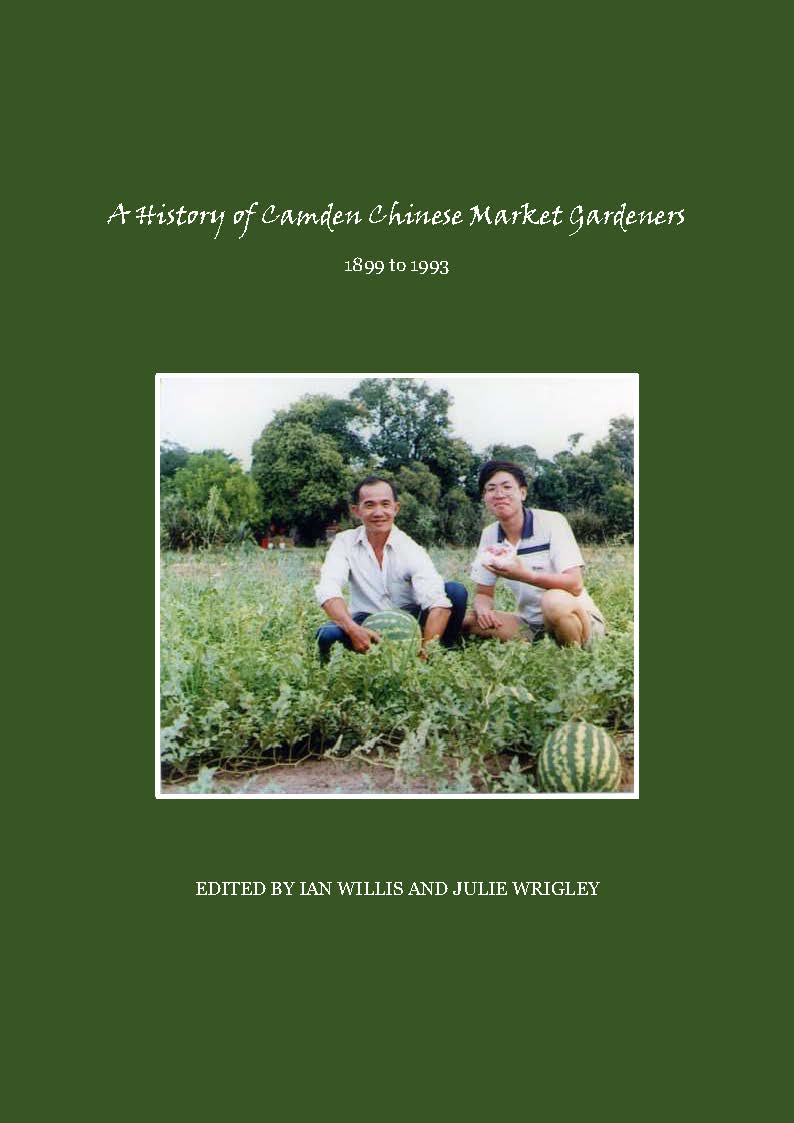
History of Camden Chinese Market Gardeners: Resilience, Innovation, and Struggles
The presentation at Camden Rotary Club details the significant contributions and challenges faced by Chinese market gardeners in Camden. It sheds light on their resilience, innovation, discrimination, and impact on the local economy. The book "A History of Camden Chinese Market Gardeners 1899-1993" emphasizes their agency, making an important contribution to local history and the literature of the Chinese diaspora in Australia.
Share this:

Share this:

Camden Town Centre Enhancement Strategy: Stakeholder Concerns and Community Engagement
The 2014 Camden Town Centre Enhancement Strategy has faced controversy and distrust from residents and stakeholders, leading to a significant trust deficit. The proposed decked car park and lack of early and robust community engagement have fueled skepticism and discontent. Community consultation principles and the mayor's defense of the process are under scrutiny. Stakeholder concerns about legitimacy align with international practices.

