Australia · British colonialism · Camden · Colonialism · Cowpastures · Governor Macquarie · History · Landscape aesthetics · Local History · Settler colonialism

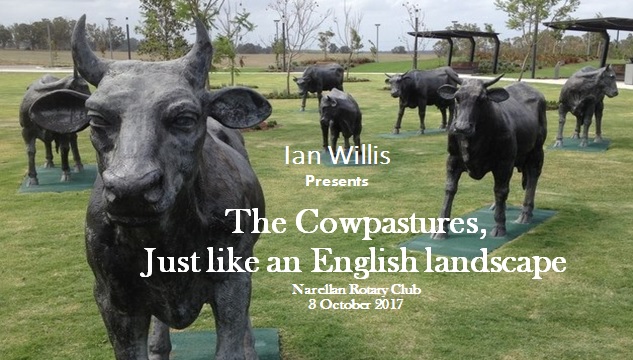
The Cowpastures, just like an English landscape

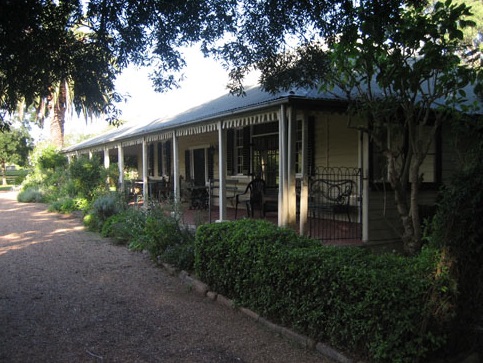
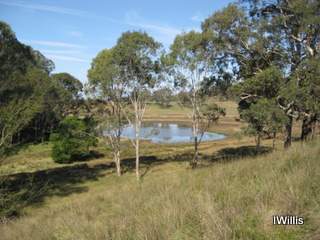
The Cowpastures district of colonial New South Wales was just like an English landscape for some early settlers.

Agricultural heritage · Agriculture · Appin · Attachment to place · British colonialism · Burragorang Valley · Business · Camden · Camden Museum · Camden Story · Colonial Camden · Colonialism · Communications · Community identity · Cultural Heritage · Cultural icon · Economy · Engineering Heritage · Families · Family history · Farming · Heritage · Historical consciousness · Historical Research · Historical thinking · History · Living History · Local History · Local Studies · Lost trades · Macarthur · Memory · Moveable Heritage · Myths · Pioneers · Place making · Placemaking · Ruralism · Sense of place · Settler Society · Silver mining · Storytelling · Teamsters · Traditional Trades · Transport · transport history · Yerranderie

The Bennett wagon, a piece of transport history

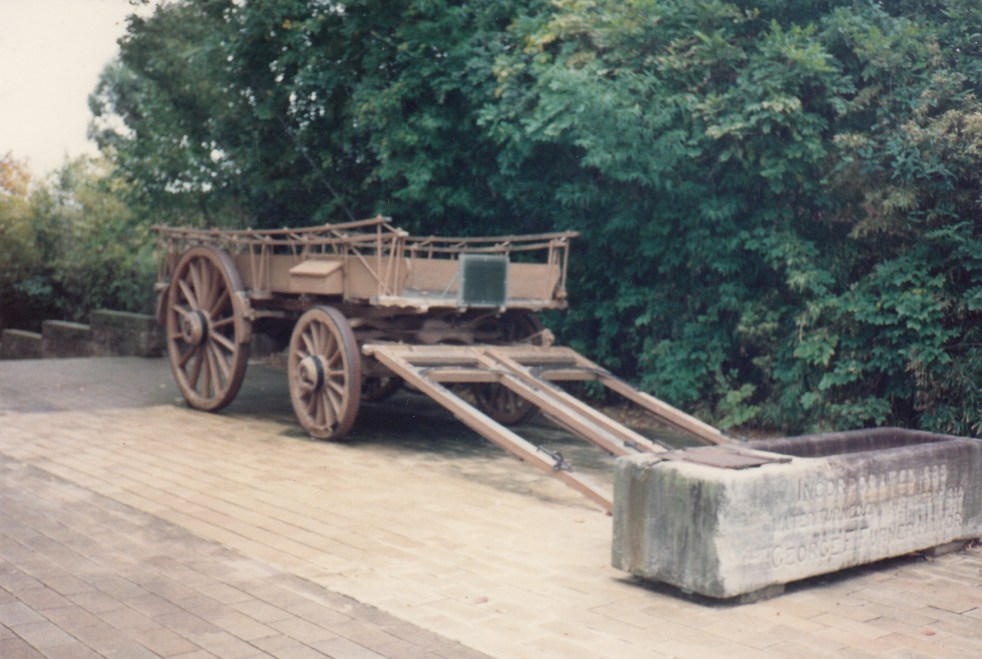
The historic Bennett (Percival) Wagon is a cultural icon of a different time when horse and bullock teams were kings of the road.

Aesthetics · Agricultural heritage · Agriculture · Attachment to place · British colonialism · Colonial frontier · Colonialism · Convicts · Cowpastures · Cultural Heritage · Cultural icon · England · Families · Farming · Georgian · Goulburn · Heritage · Historical Research · History · History of a house · House history · Landscape · Landscape aesthetics · Legends · Local History · Local Studies · Macarthur · Memory · Pioneers · Place making · Ruralism · Sense of place · Settler colonialism · Tourism

Richlands, an outpost of a colonial farming empire

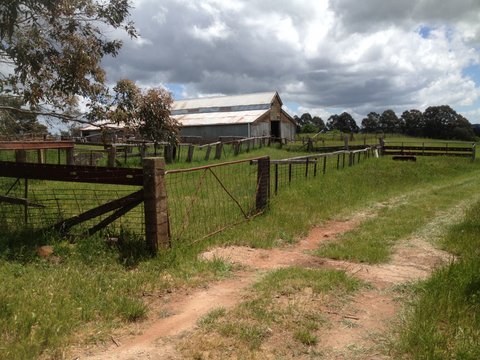
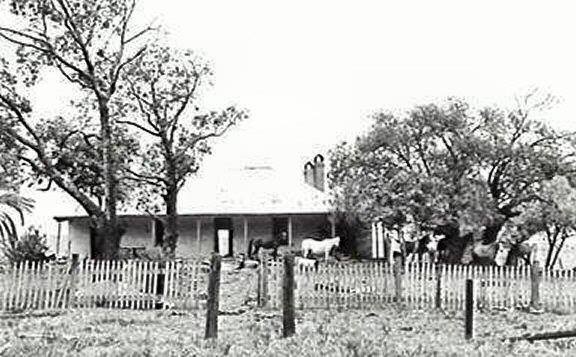
The Richlands estate, north of Goulburn in the NSW Southern Tablelands, was an important part of the Macarthur family pastoral empire for nearly 100 years.  The Richlands estate acted as an outstation about one days ride west of Camden Park estate.

Adaptive Re-use · Aesthetics · Architecture · Attachment to place · Australia · Bella Vista Farm · Belonging · British colonialism · Camden Park House and Garden · Colonial Camden · Colonial frontier · Colonialism · Community identity · Convicts · Cultural Heritage · Cultural icon · Family history · Farming · Frontier violence · Georgian · Heritage · Historical consciousness · Historical Research · Historical thinking · History · History of a house · House history · Landscape · Landscape aesthetics · Lifestyle · Living History · Local History · Local Studies · Macarthur · Memory · Monuments · Myths · Place making · Ruralism · Sense of place · Settler colonialism · Storytelling · Tourism · Urban growth · urban sprawl · Women's history

Bella Vista Farm, an early part of the Macarthur rural empire

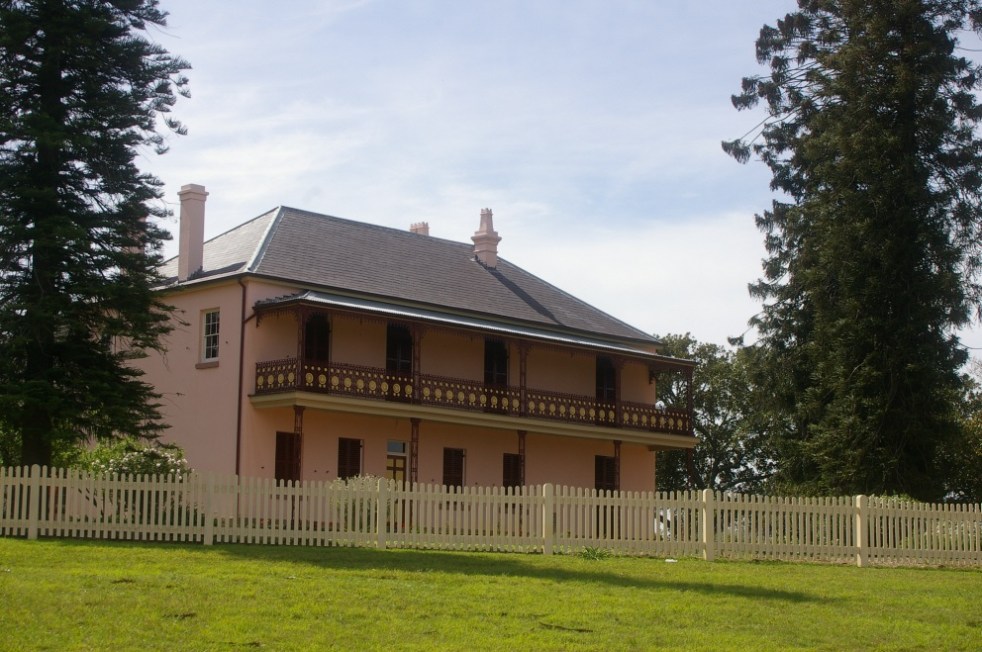
Bella Vista Farm is an early part of the Macarthur family pastoral empire and an important site in the history of colonial NSW.

Agriculture · Attachment to place · Australia · British colonialism · Colonial frontier · Colonialism · Community identity · Convicts · Cowpastures · Cultural Heritage · Denbigh · Economy · Elderslie · England · Farming · Gothic · Heritage · Historical consciousness · Historical Research · Historical thinking · History · Living History · Local History · Local Studies · Macarthur · Memory · Place making · Radical history · Sense of place · Settler colonialism · Storytelling

Convicts in the Cowpastures, an untold story

The convicts in the Cowpastures is an untold story of the colonial settler society of early New South Wales.

Appin · Architecture · Attachment to place · Australia · British colonialism · Campbelltown · Colonial frontier · Colonialism · Communications · Community identity · Cowpastures · Cultural Heritage · Cultural icon · Curtilage · Dairying · Farming · Frontier violence · Governor Macquarie · Heritage · Historical consciousness · Historical Research · Historical thinking · History · Landscape aesthetics · Local History · Local Studies · Macarthur · Monuments · Place making · Ruralism · Sense of place · Settler colonialism · Sydney's rural-urban fringe · Town planning · Transport · Urban growth · Urban Planning · urban sprawl · Urbanism · Victorian

Beulah and Sydney’s Urban Sprawl

Beulah estate, Sydney's urban sprawl and the Appin Road

Attachment to place · Australia · British colonialism · Camden · Camden District · Camden Park House and Garden · Camden Show · Camden Story · Community identity · Cultural and Heritage Tourism · Cultural Heritage · Edwardian · England · First World War · Gilbulla · Heritage · Historical consciousness · Historical Research · Historical thinking · History · Interwar · Landscape aesthetics · Local History · Local newspapers · Macarthur · Menangle · Modernism · Newspaper history · Newspapers · Place making · Placemaking · Railway · Royal Tours · Sense of place · Social History · Tourism · War

Menangle ‘Little England’ says Duchess of York

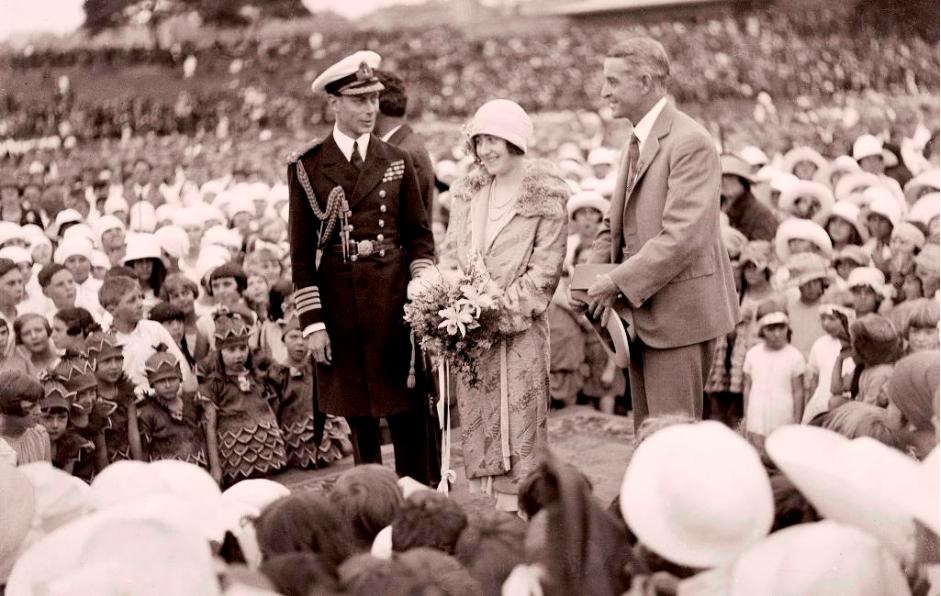
In 1927, the Duke and Duchess of York visited Menangle and Camden Park as part of their Australian royal tour. They were guests at the Camden Park house and enjoyed activities such as horse riding and attending the Camden Show. The visit received extensive coverage in newspapers across Australia, highlighting the English countryside-like environment.

Aesthetics · Agriculture · Attachment to place · Australia · Belonging · British colonialism · Colonial Camden · Colonial frontier · Colonialism · Community identity · Convicts · Cowpastures · Cultural Heritage · Cultural icon · Curtilage · Economy · Elderslie · England · Farming · Frontier violence · Georgian · Gothic · Heritage · Historical consciousness · Historical Research · Historical thinking · History · Landscape · Landscape aesthetics · Local History · Local Studies · Macarthur · Narellan · Place making · Ruralism · Sense of place · Settler colonialism · Storytelling · Stuart Park Wollongong

John Hawdon of Elderslie in a settler society

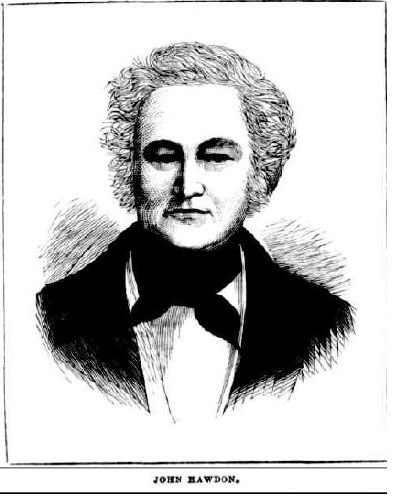
John Hawdon of Elderslie was part of the story of settler colonialism in New South Wales in the early 19th century.

British colonialism · Camden · Camden Story · Colonial Camden · Colonialism · Commemoration · Communications · Community identity · Cowpastures · Cowpastures Bicentennial · Cultural and Heritage Tourism · Cultural Heritage · Cultural icon · Dharawal · European Exceptionalism · Frontier violence · Governor Macquarie · Heritage · History · Landscape · Landscape aesthetics · Legends · Local History · Macarthur · Memorial · Memorialisation · Memorials · Memory · Monuments · Place making · Settler colonialism · Settler Society · Stereotypes · Storytelling · Symbolism · Trauma · Uncategorized

Governor Macquarie’s visit to the Cowpasture 1810

In November 1810, Governor Lachlan Macquarie (1762-1824) and Mrs Elizabeth Macquarie visited the Cowpastures. On that occasion, the Governor and Elizabeth Macarthur met the Dharawal people.

Aesthetics · Attachment to place · British colonialism · Camden · Cobbitty · Colonial Camden · Community identity · Cowpastures · Cultural Heritage · Cultural icon · Entertainment · Floods · Heritage · Historical consciousness · History · Landscape aesthetics · Leisure · Local History · Macarthur · Memory · Menangle · Myths · Nepean River · Place making · Ruralism · Second World War · Sense of place · Settler colonialism · Sydney's rural-urban fringe · Town planning · Urban growth · Urban Planning · urban sprawl · War · War at home · Water

Nepean River, more than a water view

The Nepean River and its floodplain is much more than just a water view. It is cultural and natural icon in the Sydney basin.