

Carrington Centennial Hospital for Convalescents, opened in 1890 in Camden, NSW, embodied Florence Nightingale’s principles, emphasizing fresh air and proper ventilation for recovery. Established by philanthropist WH Paling, it was the first major convalescent facility in New South Wales, providing a restorative environment away from the urban pollution.
Category: Built heritag

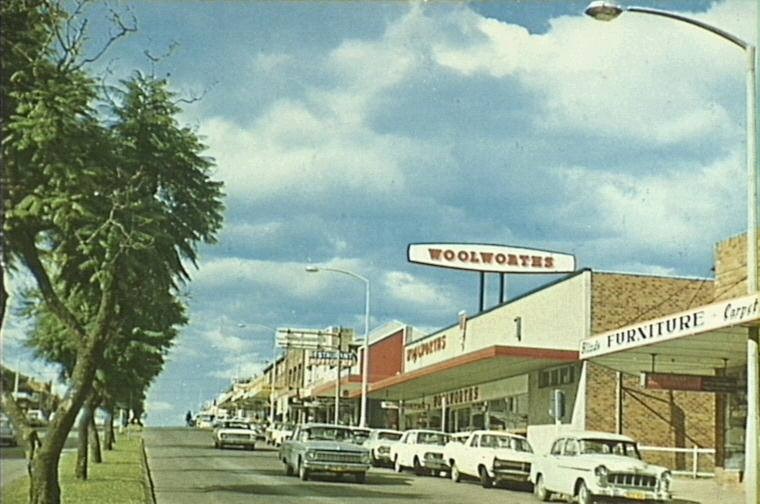
Supermarkets come to Camden, consumerism and modernism
Self-service supermarkets were one expression of consumerism and modernism in Camden NSW
Share this:

Share this:
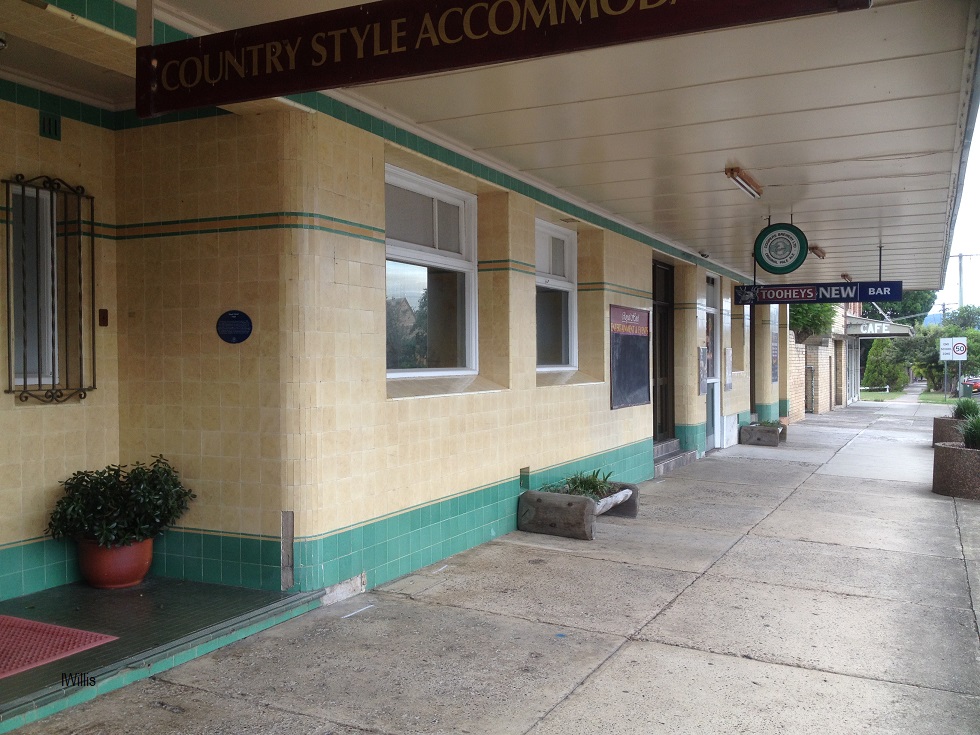
Dungog’s Royal Hotel, an Art Deco Bush Pub
The Dungog Royal Hotel is an example of an Interwar Art Deco style hotel in an Australian country town
Share this:

Share this:

Cobbitty Anglican Church, a little bit of England celebrates 190 years
The English-style village of Cobbitty celebrates 190 years of the presence of the Anglican church.
Share this:

Share this:
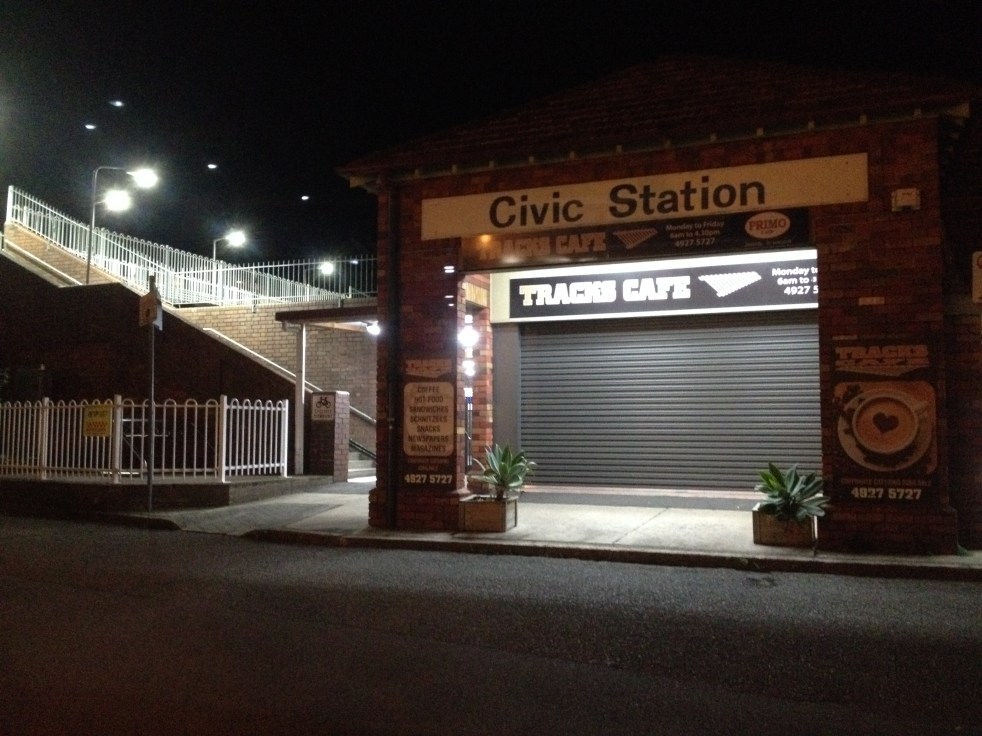
Civic Railway Station, revealing part of Newcastle modernism
Civic Railway Station, now closed, reveals some of the aesthetics of Newcastle modernism.
Share this:

Share this:
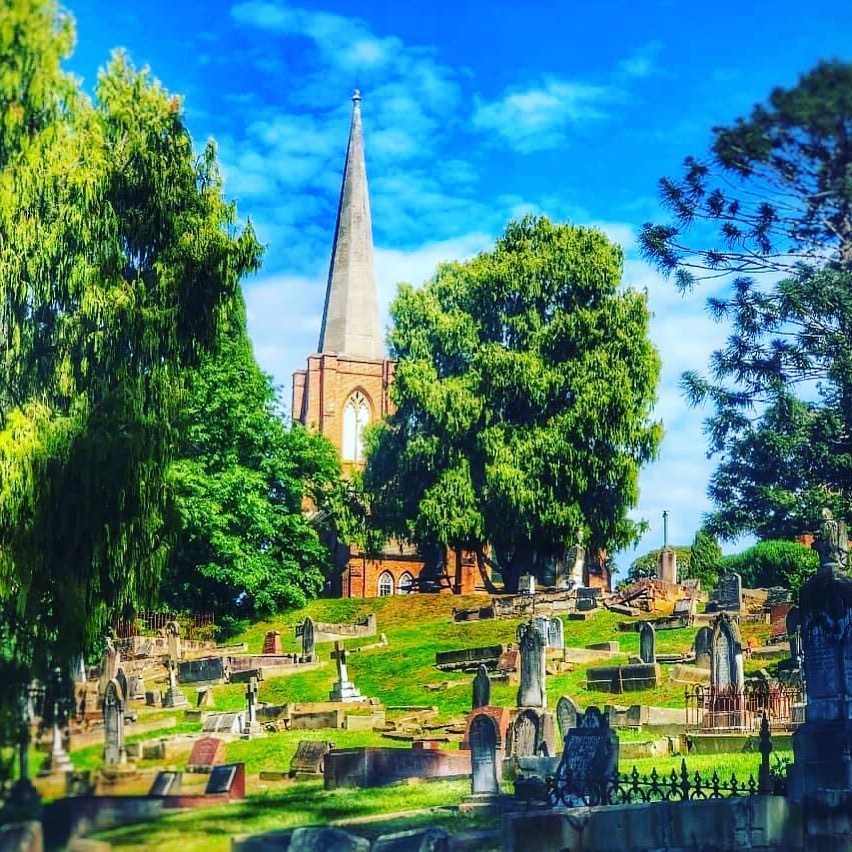
St John’s Church Camden, the soul of a country town
On the hill overlooking the Camden town centre is St Johns Church> It is a representation of the community's historic, moral and emotional heart, its sense of place, the town's soul.
Share this:

Share this:
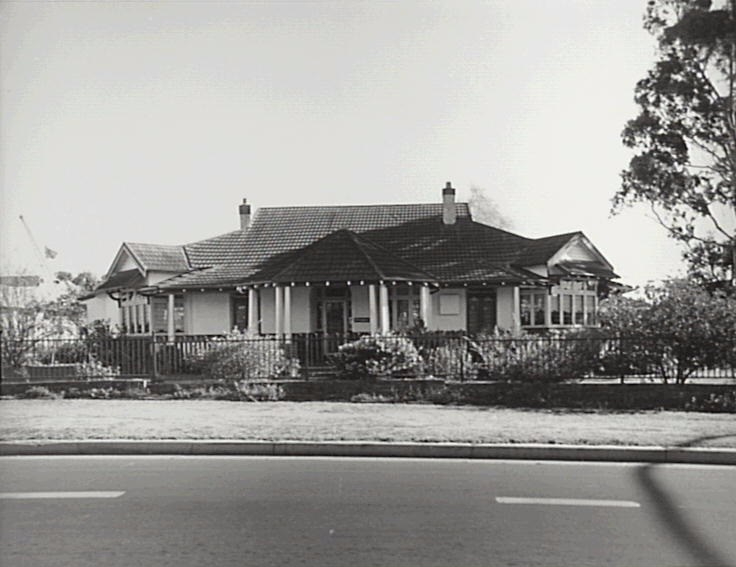
Ben Linden Narellan An Edwardian Gem
Ben Linden in Narellan is a notable Edwardian cottage representing early twentieth-century Australian architecture. The style emerged after the Federation of the Commonwealth of Australia in 1901, influenced by English Edwardian houses but tailored to suit local conditions. This housing style provides insight into the cultural heritage of Camden and the people who built and lived in these houses.
Share this:

Share this:
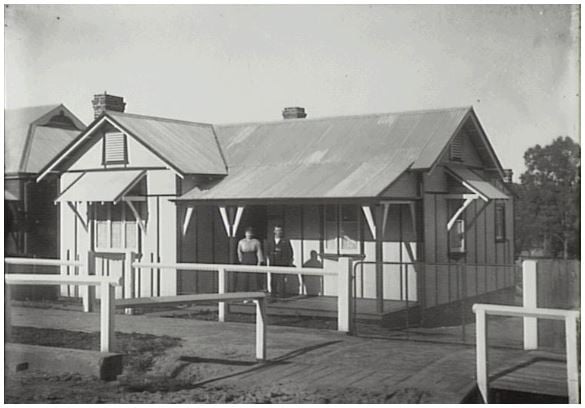
The Camden Fibro Cottage and its connection to mid-century housing styles
The Camden fibro cottage symbolizes the mid-20th century's affordable housing solution, catering to the working class in a post-war Australia. Representing nostalgia and simplicity, these homes were practical yet modern. Although their popularity declined due to issues like poor insulation and asbestos risks, they remain a significant aspect of Camden's architectural heritage.

