Adaptive Re-use · Aesthetics · Architecture · Attachment to place · Burra Charter · Business · Business History · Camden · Camden Town Centre · Collective Memory · Colonial Camden · Community identity · Country town · Cultural Heritage · Cultural icon · Economy · Edwardian · Entertainment · Family history · First World War · Heritage · Historical consciousness · Historical Research · History · Interwar · Living History · Local History · Local Studies · localism · Memory · Modernism · Place making · Placemaking · Retail history · Retailing · Ruralism · Sense of place · Shopping · Small communities · Stereotypes · Storytelling · Streetscapes · Tourism · Urban development · Urban growth · Victorian

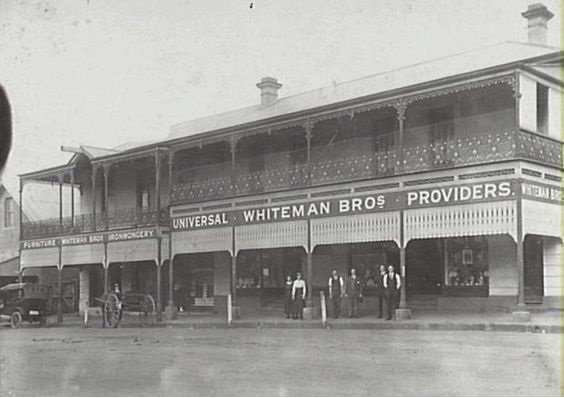
Whiteman commercial buildings in Camden, an example of adaptive re-use

The Whiteman's General Store, a historic Victorian colonial building in Camden, has been successfully repurposed through the Burra Charter principles of adaptive reuse, maintaining its architectural integrity. Operating continuously for over 135 years, it now houses various retail and professional outlets, contributing significantly to the town's charm and community identity.

Aesthetics · Agricultural heritage · Agriculture · Attachment to place · Belgenny Farm · Colonialism · Community identity · Cultural Heritage · Cultural icon · Dairying · Economy · Education · Entertainment · Farming · Festivals · Heritage · Historical consciousness · Historical thinking · History · History of a house · House history · Howell Living History Farm · Industrial Heritage · Landscape · Lifestyle · Living History · Local History · Local Studies · Memory · Place making · Re-enactments · Ruralism · Schools · Sense of place · Storytelling · Tourism · Traditional Trades · USA · Volunteering · Volunteerism

Living History at Belgenny

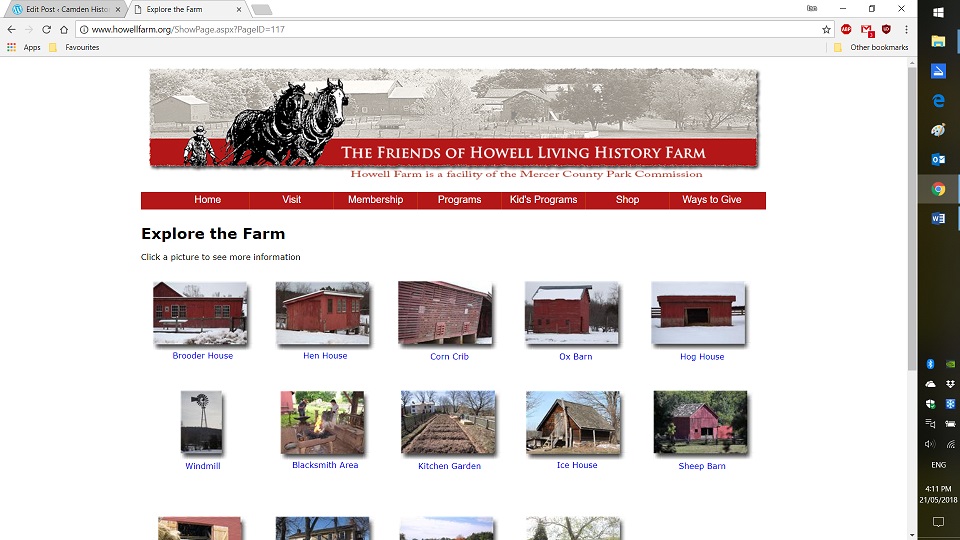
An informative talk was given on Howell Living History Farm USA recently at Belgenny Farm Camden NSW

1920s · 1930s · Advertising · Aesthetics · Architecture · Attachment to place · Built heritag · Business · Business History · Community identity · Country town · Cultural and Heritage Tourism · Cultural Heritage · Cultural icon · Design · Dungog · Economy · Fashion · Heritage · Historical consciousness · Historical Research · History · Hotel History · Hotels · Interwar · Lifestyle · Local History · Local Studies · Modernism · Place making · Placemaking · Royal Hotel Dungog · Sense of place · Storytelling · Urban growth · Urban history

Dungog’s Royal Hotel, an Art Deco Bush Pub

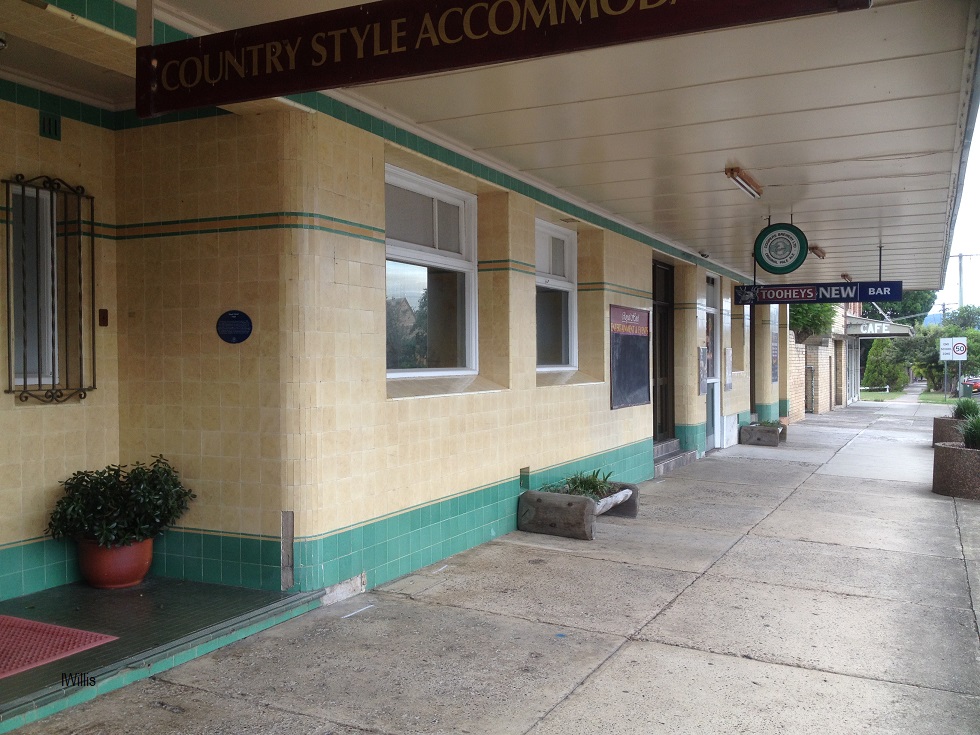
The Dungog Royal Hotel is an example of an Interwar Art Deco style hotel in an Australian country town

Advertising · Architecture · Attachment to place · Business · Business History · Cafes · Camden · Cultural Heritage · Economy · Entertainment · Food · Heritage · History · Leisure · Lifestyle · Local History · Lost Camden · Modernism · Place making · Restaurant · Sense of place · Storytelling · Urban growth · Urban history · Urban Planning · urban sprawl

The White House Farm, a lost Camden mid-20th century icon

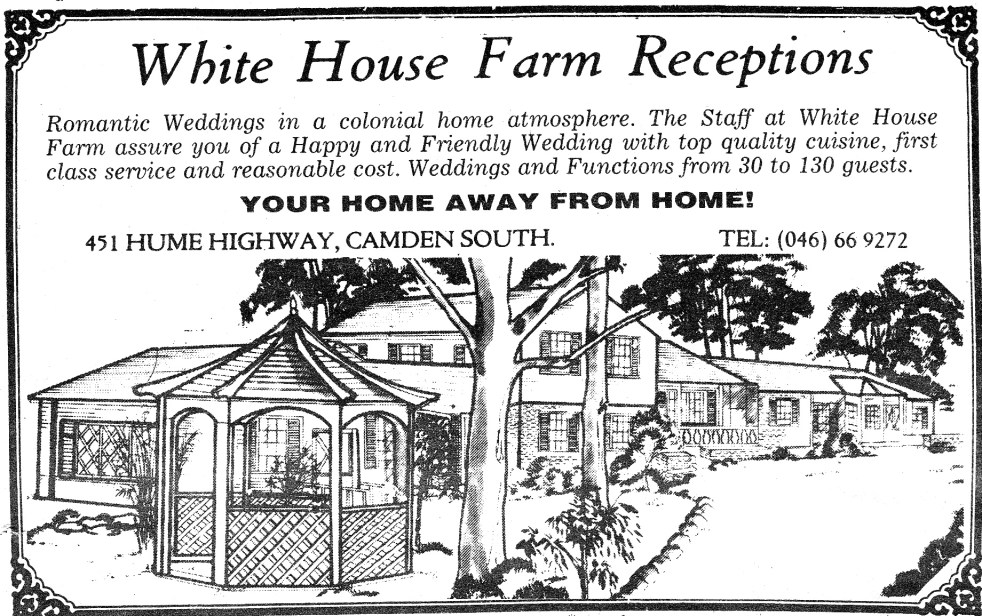
The White House Farm is a lost part of the heritage of Camden NSW from the mid-20th century

Agricultural heritage · Agriculture · Appin · Attachment to place · British colonialism · Burragorang Valley · Business · Camden · Camden Museum · Camden Story · Colonial Camden · Colonialism · Communications · Community identity · Cultural Heritage · Cultural icon · Economy · Engineering Heritage · Families · Family history · Farming · Heritage · Historical consciousness · Historical Research · Historical thinking · History · Living History · Local History · Local Studies · Lost trades · Macarthur · Memory · Moveable Heritage · Myths · Pioneers · Place making · Placemaking · Ruralism · Sense of place · Settler Society · Silver mining · Storytelling · Teamsters · Traditional Trades · Transport · transport history · Yerranderie

The Bennett wagon, a piece of transport history

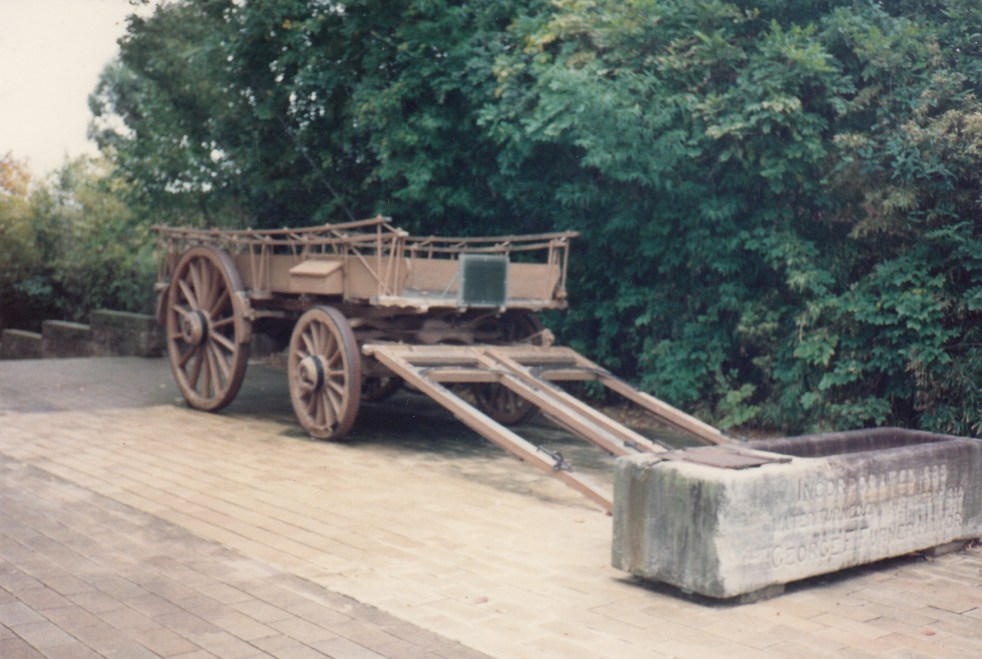
The historic Bennett (Percival) Wagon is a cultural icon of a different time when horse and bullock teams were kings of the road.

Agriculture · Attachment to place · Australia · British colonialism · Colonial frontier · Colonialism · Community identity · Convicts · Cowpastures · Cultural Heritage · Denbigh · Economy · Elderslie · England · Farming · Gothic · Heritage · Historical consciousness · Historical Research · Historical thinking · History · Living History · Local History · Local Studies · Macarthur · Memory · Place making · Radical history · Sense of place · Settler colonialism · Storytelling

Convicts in the Cowpastures, an untold story

The convicts in the Cowpastures is an untold story of the colonial settler society of early New South Wales.

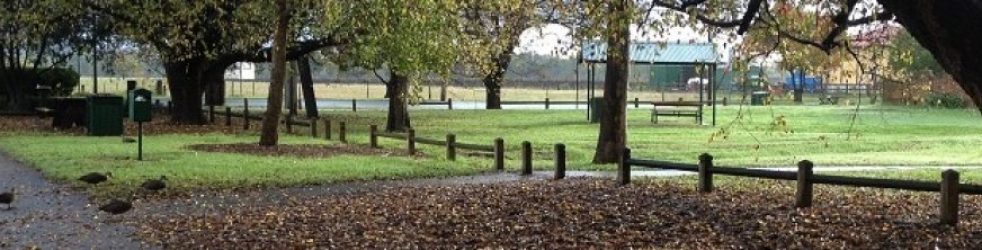
Aesthetics · Agriculture · Attachment to place · Australia · Belonging · British colonialism · Colonial Camden · Colonial frontier · Colonialism · Community identity · Convicts · Cowpastures · Cultural Heritage · Cultural icon · Curtilage · Economy · Elderslie · England · Farming · Frontier violence · Georgian · Gothic · Heritage · Historical consciousness · Historical Research · Historical thinking · History · Landscape · Landscape aesthetics · Local History · Local Studies · Macarthur · Narellan · Place making · Ruralism · Sense of place · Settler colonialism · Storytelling · Stuart Park Wollongong

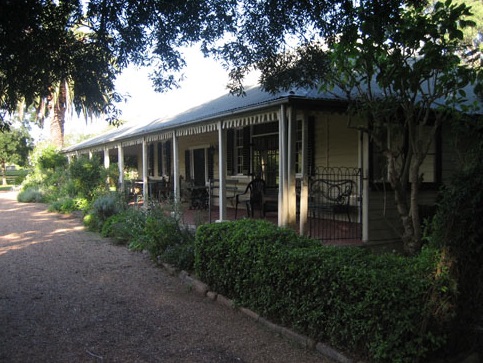
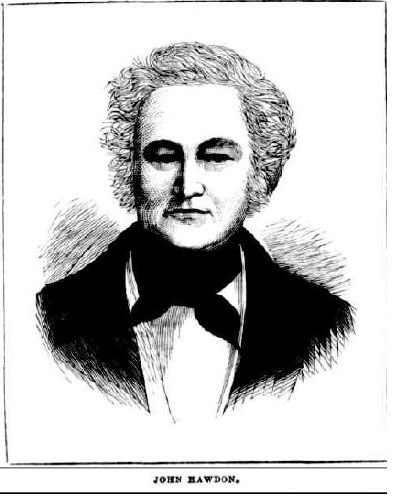
John Hawdon of Elderslie in a settler society

John Hawdon of Elderslie was part of the story of settler colonialism in New South Wales in the early 19th century.

Aesthetics · Attachment to place · Australia · Belonging · Blue Mile Pathway Wollongong · Camden · Cultural Heritage · Cultural icon · Economy · Entertainment · Families · Fashion · Guesthouse · Heritage · Historical consciousness · Historical Research · Historical thinking · History · Holidays · Leisure · Lifestyle · Local History · Memory · Motoring History · Sense of place · Storytelling · Stuart Park Wollongong · Tourism · Travel · Wollongong

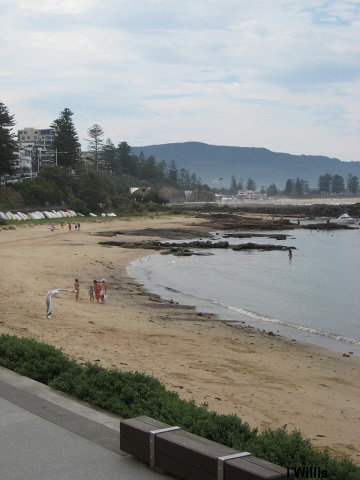
The seaside holiday

Seaside holidays on the NSW South Coast has been a popular holiday spot for Camden families. This is the story of seaside holidays in the Wollongong area.