Adaptive Re-use · Aesthetics · Architecture · Art · Attachment to place · Australia · Built heritag · Camden · Camden Story · Church History · Churches · Community identity · Cultural Heritage · Cultural icon · Curtilage · Georgian · Gothic · Heritage · Historical consciousness · Historical Research · Historical thinking · History · Landscape aesthetics · Lifestyle · Living History · Local History · Local Studies · Macarthur · Memory · Monuments · Myths · Place making · Placemaking · Ruralism · Sense of place · Social History · Storytelling · Streetscapes · Trust · Victorian · Weddings

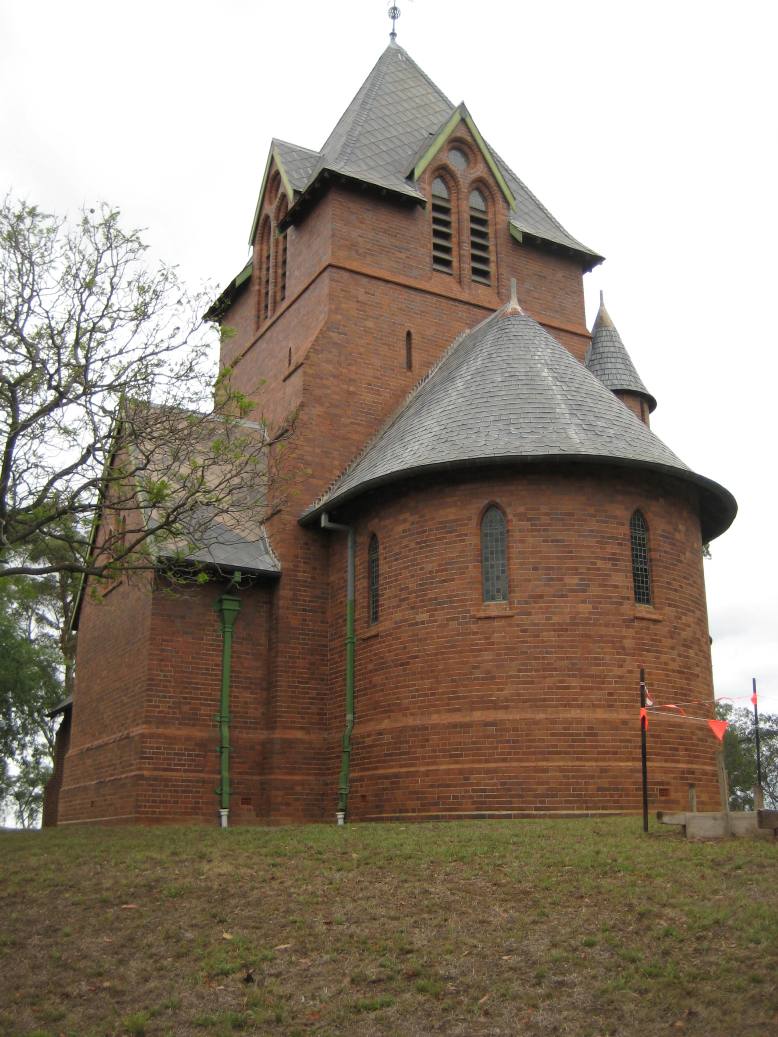
Why does the sale of a local church create community angst? What is going on?

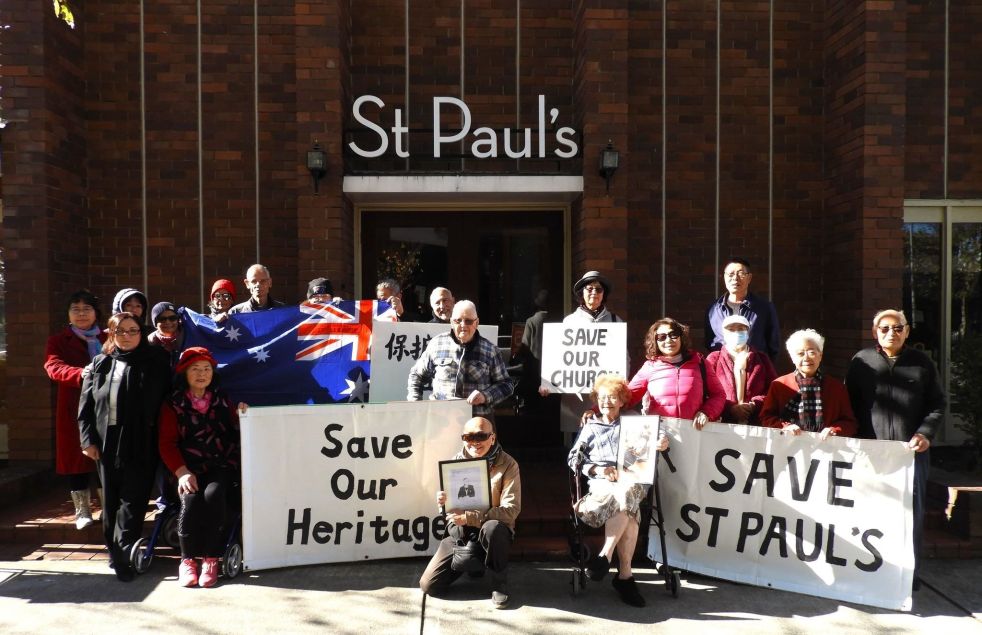
The sale of church land has sparked community angst, particularly at St. Paul's Anglican Church in Bankstown. The proposed heritage listing has led to concerns about redevelopment and closure. Similar issues have arisen in Tasmania, where the sale of local churches has evoked strong emotional and historical attachments. The opposing views between churchgoers and non-churchgoers present an unresolved ethical dilemma.

Anzac · Attachment to place · Australia Day · Camden Red Cross · Camden Story · Collective Memory · Community Health · Community identity · Cultural Heritage · Festivals · First World War · Heritage · Historical consciousness · History · Local History · Local Studies · Macarthur · Medical history · Menangle Army Camp · Modernism · Myths · Narellan Military Camp · Philanthropy · Place making · Red Cross · Ruralism · Second World War · Sense of place · Storytelling · Volunteering · Volunteerism · War · War at home · Women's Writing

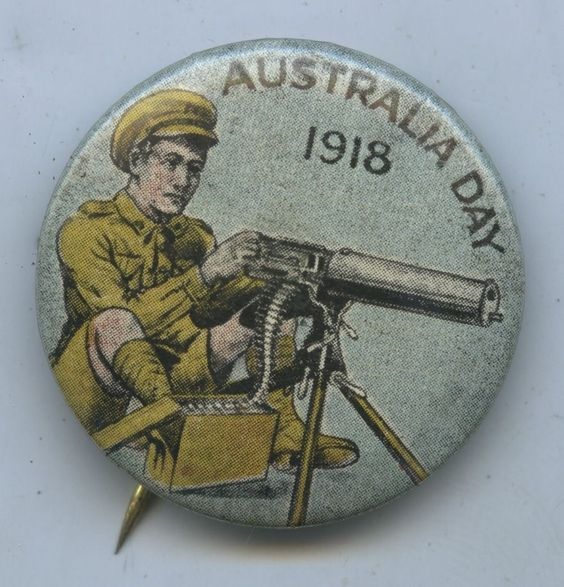
Australia Day 1918, Red Cross Fundraising Activities in Camden

Australia Day fundraisers in 1918 played a crucial role in supporting the war effort, with various activities such as selling badges, public subscriptions, prayer services, lectures, and door-knocks. The Camden Red Cross raised a significant amount, as did Menangle and Narellan branches. The total effort amounted to £748, a substantial sum for the time.

Agriculture · Agriculture history · Attachment to place · Belonging · Camden Park Estate · Colonial frontier · Colonialism · Cultural Heritage · Dairying · Heritage · Local Studies · Macarthur · Menangle · Menangle Rotolactor · Menangle St James Church · Place making · Sense of place · Storytelling · Urban development · Urban growth · Urban history

Menangle, A Historic English-Style Estate Village in Camden Park

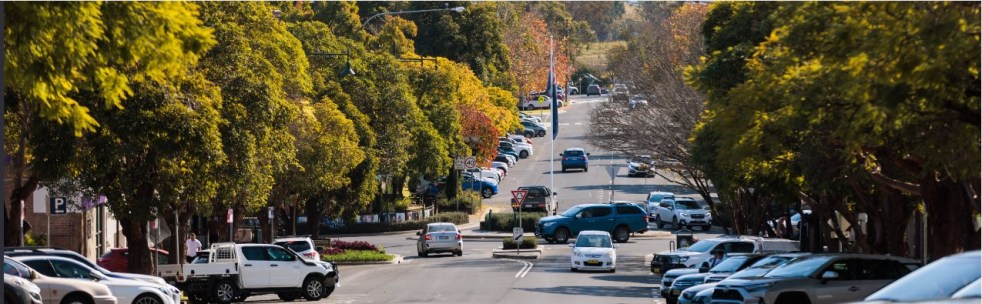
The village of Menangle, situated within the Camden district, reflects an English-style private estate village that has evolved over 150 years. Embodying rural Englishness, it has experienced both prosperity and decline, closely tied to the history of the Camden Park estate. The village's story is intertwined with the Macarthur family's influence and the impact of industrialization and modernization.

19th Century · 20th century · Architecture · British colonialism · Built heritag · Camden Built Heritage · Camden John Street Precinct · Camden Police Barracks · Collective Memory · Colonial Camden · Colonial frontier · Colonialism · Country town · Court of Petty Sessions · Cowpastures · Cowpastures district · Cowpastures Estates · Cowpastures Gentry · Cowpastures Region · Cultural Heritage · Heritage · History of a building · Local History · Local Studies · Military history · Place making · Policing · Sense of place · Settler Society · Small town · Stories · Storytelling · Uncategorized · Urban history · Victorian

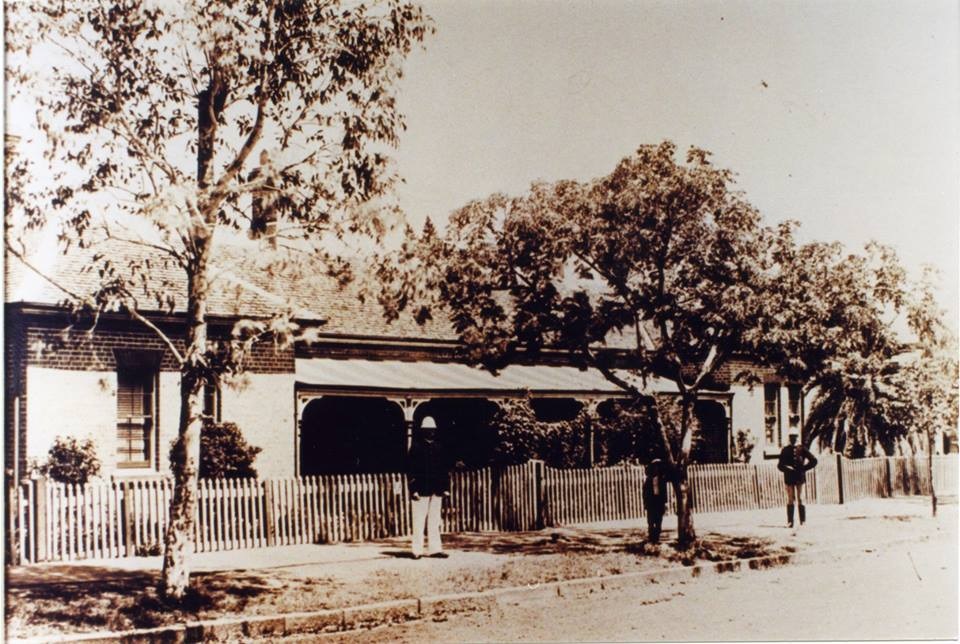
Camden Police Station and Residence: A Historical Landmark in Camden

Camden Police Station, a single-storey brick building at 35 John Street, was constructed in 1878 and served the NSW Police Service until 2011. Designed by James Barnet, it features historical architectural elements, including a paved verandah and brick chimneys. Currently vacant, it is recognized for its heritage value within the Camden community.

20th century · Agricultural heritage · Agriculture history · Art · Attachment to place · Camden · Camden District · Camden Show · Camden Story · Church History · Collective Memory · Commemoration · Community · Community celebrations · Community Health · Community identity · Community organisations · Community work · Cultural Heritage · Disasters · Engineering Heritage · Engineering History · Families · Family history · Farming · Festivals · Floods · Folklore · Genealogy · Health History · Heritage · Historian · Historical consciousness · Historical Research · Historical source · Historical thinking · History of a house · History of Emotion · Hotel History · House history · Housing · Landscape · Landscape aesthetics · Legends · Living History · Local History · Local Studies · Macarthur region · Memorial · Memorialisation · Memorials · Monuments · Myths · Paintings · Photographs · Photography · Pictures · Placemaking · References · Small communities · Small town · Social History · Stereotypes · Stories · Storytelling · Urban growth · Women's agency · Women's art · Women's history · Women's stories

Exploring Historical Themes: Pictorial History Camden & District Presentation Summary

This presentation examined the role of the historian and researcher and presented the importance of history and the role of a historian. Dr Ian Willis discussed the significance of historical consciousness and collective memory, emphasising the role of a historian as a researcher, analyst, interpreter, and storyteller. The presentation also highlighted "Pictorial History Camden & District," a book by Kingsclear Books, and covered aspects such as structure, select bibliography, index of names, and district maps. Additionally, various related sources and themes, such as the Whiteman and Macarthur families, were explored. The presentation concluded with suggestions for experiencing the past through community festivals, local studies, and living libraries.

Attachment to place · Belonging · British Heritage · British Red Cross · Camden · Camden Red Cross · Camden Story · Collective Memory · Community Health · Community organisations · Community work · Cultural Heritage · First World War · Health History · Helen Munro Ferguson · Heritage · History · Humanitarianism · Ideology of Motherhood · Local Studies · Medical history · Medical Humanities · Memory · Metaphor · Motherhood · Myths · Nationalism · Patriotism · Placemaking · Red Cross · Red Cross Humanitarianism · Red Cross Movement · Social History · Stereotypes · Stories · Storytelling · Symbolism · Trauma · VAD · Voluntary Aid Detachment · Volunteering · Volunteerism · War · War at home · Wartime · Women's history · Women's stories · World War One

Ministering Angels, Myth and the Red Cross on the Australian Wartime Homefront

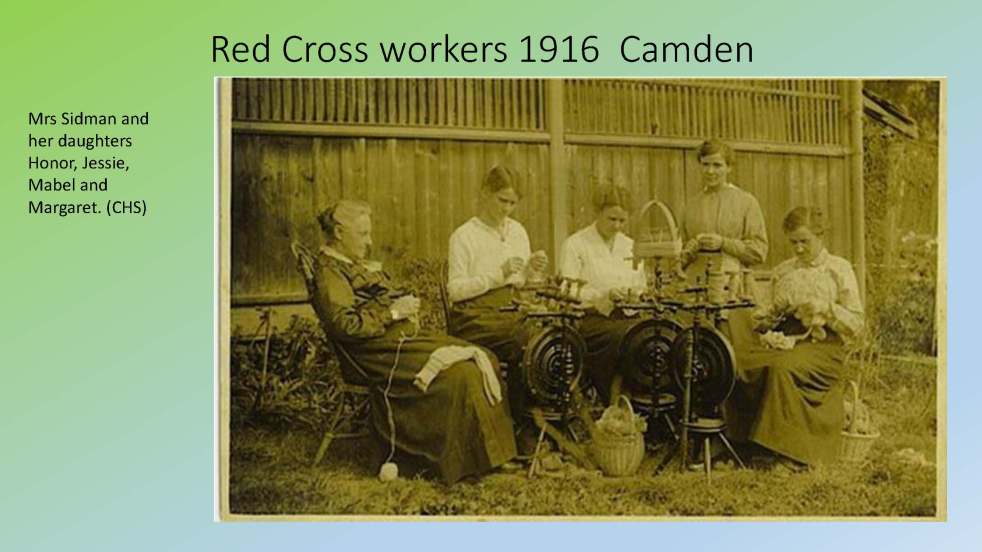
The paper presented at the 33rd Annual Conference of the Australian Historical Association at the University of Queensland in 2014 explored the role of Australian country women in supporting the Red Cross during the First World War. The paper focused on the Camden District Red Cross, emphasizing the conservative women’s empowerment in embracing the Red Cross, serving as ministering angels, and upholding patriotic values. Total words: 78

British Red Cross · Camden · Camden Red Cross · Camden Story · Community Engagement · Community organisations · Community work · Cultural Heritage · First World War · Goulburn · Heritage · History · Local History · Local Studies · Macarthur · Medical history · Nationalism · Patriotism · Place making · Provincial newspapers · Red Cross · Regionalism · Sense of place · Sewing · Small town · Stereotypes · Stories · Storytelling · Symbolism · Voluntary Aid Detachment · Volunteering · Volunteerism · War · War at home · Wartime · Women's history · Women's stories · World War One

New South Wales Women and the Red Cross: A Noble Cause

During the First World War in Australia, the Red Cross organization saw enthusiastic support from New South Wales women, spurred on by Lady Helen Munro Ferguson and the state's elite. The movement mobilized thousands for war support, with both urban and rural branches contributing countless hours and funds to provide comfort and aid to soldiers.

1930s · 20th century · Burragorang Miners Memorial · Burragorang Valley · Business · Business History · Camden Story · Coal mining · Economy · Electricity · Engineering Heritage · Engineering History · Heritage · Industrial Heritage · Local Studies · Lost Camden · Memorial · Memorialisation · Memorials · Memory · Mining History · Monuments · Narellan Story · Oakdale · Place making · Public art · Sense of place · Stories · Storytelling · The Oaks Historical Society · Wollondilly Heritage Centre

Burragorang Coalfields: From Prosperity to Closure

The Burragorang Valley's coal mining history spans from the early 1800s to the closure of the last operational mine in 2000. The community relied on coal for jobs, but the inevitable end affected the region. International mining companies became involved, and the introduction of electricity transformed mining processes. Many mines opened and closed throughout the years, leaving a rich and complex history documented in various sources.

1920s · 1930s · Camden · Camden Public School · Camden Story · Community identity · Cultural Heritage · Education · Family history · Heritage · Local Studies · Photography · Schools · Social History · Stories · Storytelling · Trainee Teachers · Women's history

Camden Teacher Trainee Camp 1921: Insights into 1920s Teacher Training

In the early 1920s, young women like Lottie Dean participated in teacher training camps in Camden, NSW. The camps provided practical experience in teaching and imposed strict rules on student life. Lottie's story reflects the evolving role of women in education and society at that time.

1920s · Agency · Attachment to place · Australia · Camden · Camden Museum · Camden Show · Camden Story · Collective Memory · Community identity · Cultural Heritage · Education · Entertainment · Fashion · Gender · Heritage · Historical consciousness · Historical Research · Historical thinking · History · Interwar · Leisure · Lifestyle · Living History · Local History · Local Studies · Macarthur · Memory · Modernism · Mysteries · Myths · Newspapers · Onslow Park · Place making · Placemaking · Schools · Sense of place · Social History · Storytelling · Trainee Teachers · Women's history

Camden Trainee Teachers Camp 1924: Unveiling a Mysterious Journey

In 1924, a group of trainee teachers from Sydney Teachers College visited Camden for practical training, sparking local curiosity. This visit was part of a tradition that began in 1921, providing hands-on experience in local schools. The program's success was notable, drawing attention from education authorities and the media, and leaving a lasting impact on the community.