1960s · 20th century · Alan Baker Art Gallery Camden NSW · Artworks · Built Heritage · Camden Cottage · Camden Mid-century Modernism · Camden Modernism · Camden Realism · Camden Story · Community work · Cultural Heritage · Domestic Architecture · Families · Family history · Heritage · House history · Housing · Housing styles · Local History · Local Studies · Lost Camden · Mid-century modernism · Modernism · Place making · Placemaking · Sense of place · Stories · Storytelling

Exploring Elderslie’s Ranch-Style Homes, lost mid-century Camden

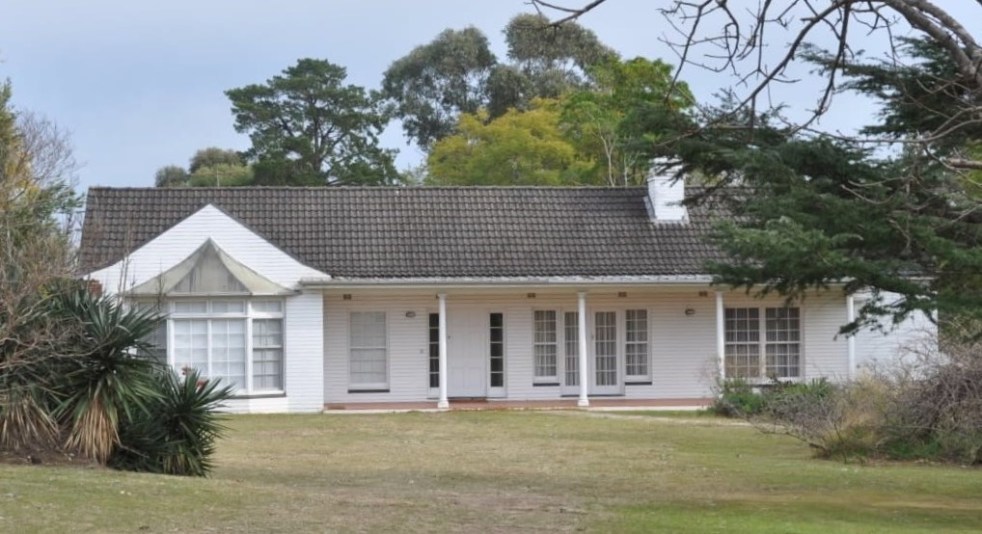
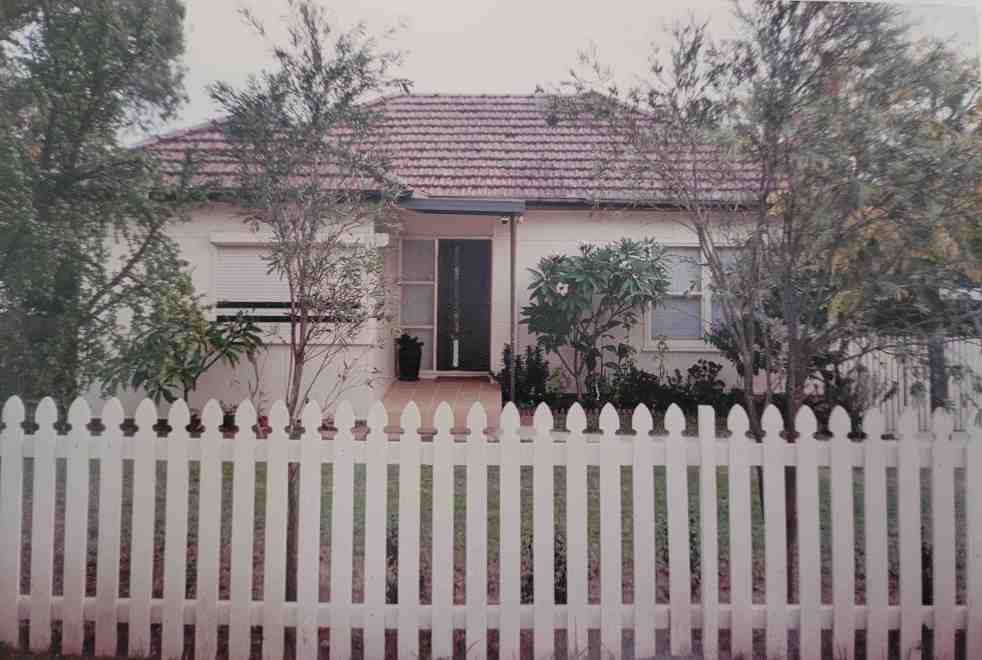
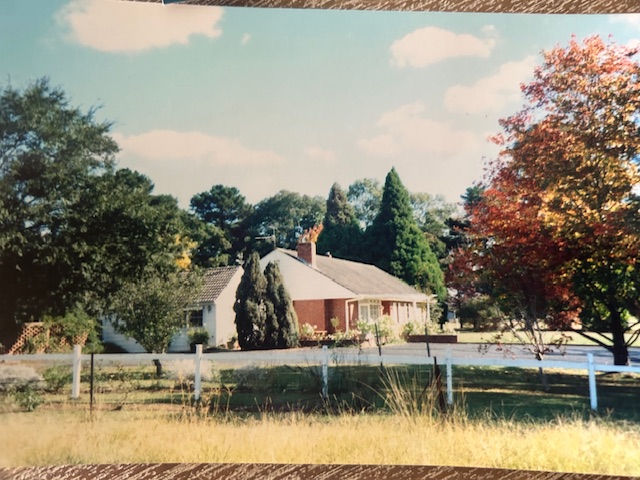
Tarn House, a ranch-style residence built in 1963 by Dr. Gordon Clowes in Elderslie, represents Camden's mid-century modern architecture. Clowes, an influential community figure and surgeon, lived there with his family. The house, now lost, was part of a broader trend of ranch-style homes in the area during the 1960s.

19th Century · 20th century · Architectural History · Architecture · Camden Story · Colonial Camden · Elderslie · Hilsyde Elderslie · History · History of a building · History of a house · House history · Housing · Housing styles · Local History · Place making · Placemaking · Sense of place · Stories · Storytelling · Uncategorized · Urban history · Victorian

Exploring Hilsyde: A Look at Elderslie’s Historic Home

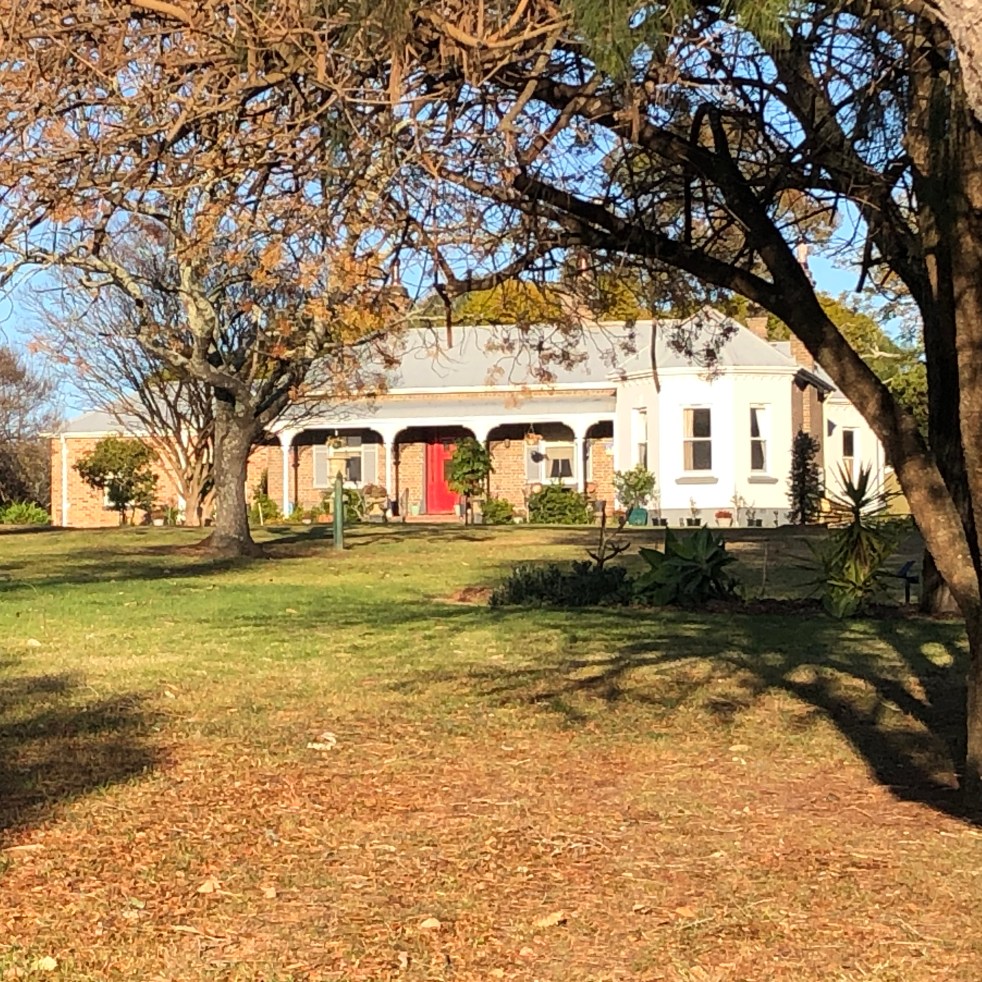
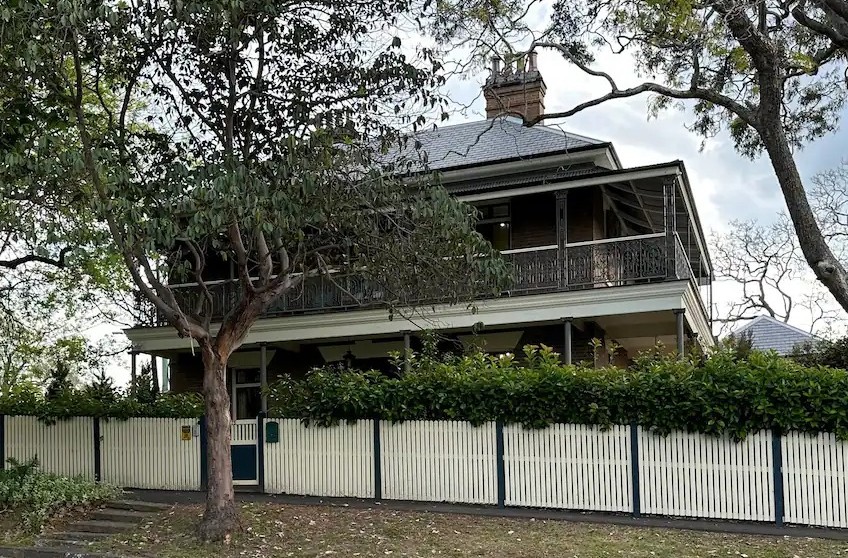
Hilsyde, originally known as Pammenter, is a Victorian single-storey brick residence built in 1888 by WC Furner in Elderslie. The property features a galvanised iron roof, bay windows, and retains good integrity. It served as Hilsyde Lodge from 1978 to 2003, catering to Christian women workers, and is heritage-listed.

Attachment to place · Camden Story · Community · Community building · Community identity · Gledswood Hills · Gregory Hills · Hope and loss · House history · Housing · Housing styles · Lifestyle · Local History · Local Studies · Lost Camden · Lost Campbelltown · Mount Annan · Narellan · Oran Park · Place making · Placemaking · Sense of place · Social History · Spring Farm · Stories · Storytelling · Uncategorized · Urban development · Urban growth · Urban history · Urban Planning · urban sprawl · Urbanism

Navigating Australia’s Housing Crisis: Insights from Sydney’s Urban Fringe

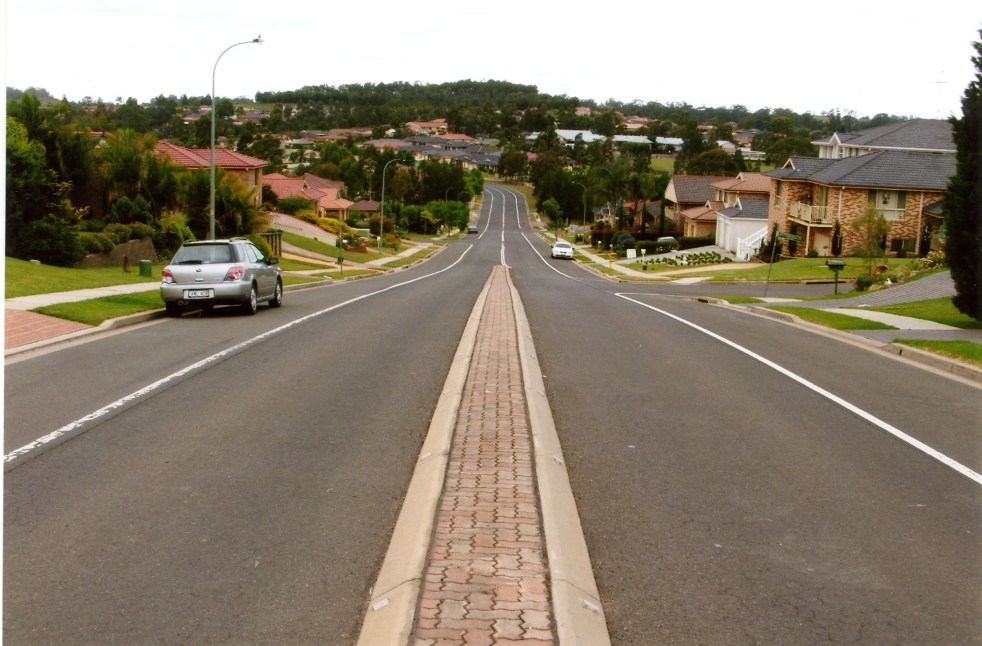
The complexities of addressing Australia's housing challenges, suggests an article from ABC News, on Sydney's urban fringes are not as simple as they might seem. While author Ian Willis explores how the growing population has created demand for housing, the reality often falls short of expectations. Many new residents, he writes, are drawn by promises of suburbia, face disillusionment due to inadequate infrastructure, high density, and unresolved issues like traffic congestion and housing quality. Willis argues that the ongoing crises reflect a disconnect between development aspirations and lived experiences, suggesting the need for improved planning and understanding of community needs.

1920s · Adaptive Re-use · Aesthetics · Architecture · Attachment to place · Belonging · Business · Camden · Camden Museum · Camden Park House and Garden · Colonial Camden · Communications · Community identity · Cowpastures · Cultural Heritage · Cultural icon · Economy · Entertainment · Family history · Fashion · Festivals · Genealogy · Heritage · Historical consciousness · Historical Research · Historical thinking · History · History of a house · History theory and practice · House history · Job creation · Lifestyle · Living History · Local History · Local Studies · Macarthur · Media · Menangle · Military history · Modernism · NSW History K-10 Syllabus · Place making · Ruralism · Sense of place · Settler colonialism · Stereotypes · Storytelling · Streetscapes · Sydney's rural-urban fringe · Tourism · Travel · Urban growth · Urban Planning · urban sprawl · Volunteering · Volunteerism · Women's history

Understanding the Camden Story: History, Community, and Identity

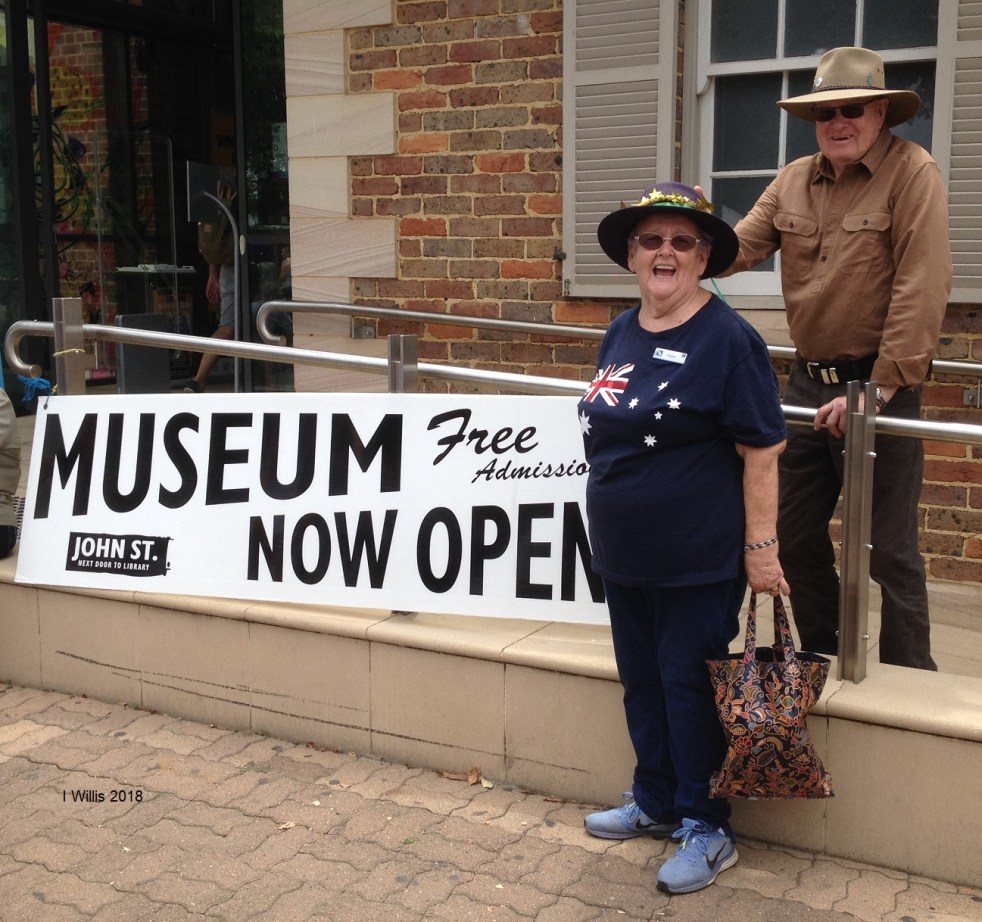
The Camden story encapsulates the rich tapestry of tales and histories that define the Camden community, including dreamtime legends and settler accounts. It offers insight into the community's values, identity, and resilience, serving as both a historical narrative and a tool for local businesses, fostering deeper connections among residents.

Aesthetics · Architecture · Attachment to place · Australian History · Built heritag · Built Heritage · Camden Built Heritage · Camden Modernism · Camden Story · Community identity · Country town · Cultural Heritage · Domestic Architecture · Elderslie · Heritage · History of a building · History of a house · Hope and loss · House history · Housing · Housing styles · Landscape · Landscape aesthetics · Living History · Lost Camden · Mid-century modernism · Modernism · Narellan · Nostalgia · Place making · Placemaking · Small town · Stories · Storytelling · Uncategorized · Urban development · Urban growth · Urban history · Urban Planning · Urbanism

A Journey Through Camden’s Mid-Century Housing Architecture

Camden's mid-century housing, developed between the 1940s and 1970s, reflects a worldwide modernism movement. Characterized by simple lines and open spaces, these homes arose amid urban growth linked to the new jobs created by the Burragorang coalfields. Unfortunately, many of these historic structures are disappearing, necessitating greater recognition and appreciation of their significance.

19th Century · Architecture · Attachment to place · Built heritag · Built Heritage · Camden Built Heritage · Camden Cottage Hospital · Camden Hospital · Camden Story · Community · Community building · Community Health · Country town · Cultural Heritage · Family history · History of a building · History of a house · House history · Humanitarianism · Local History · Local newspapers · Local Studies · Medical history · Medical Humanities · Place making · Placemaking · Sense of place · Small town · Social History · Stories · Storytelling · Transport · transport history · Trauma · Women's agency · Women's history · Women's stories

Camden Cottage Hospital, from accidents to amputations and early patient experiences

The Camden Cottage Hospital, opened in April 1899, initially struggled with low patient admissions due to community reluctance. Early cases included accidents and serious conditions, leading to treatments and surgeries like amputations. By early 1900, there was increasing community trust and the permanent facility opened in May 1902.

19th Century · Adaptive Re-use · Adaptive Reuse · Architecture · Attachment to place · Australian History · Built Heritage · Camden · Camden Built Heritage · Camden John Street · Camden Story · Camden Town Centre · Community identity · Cultural and Heritage Tourism · Cultural Heritage · Domestic Architecture · Dr Crookston · Economy · History of a house · House history · Housing · Housing styles · Local History · Local Studies · Macarthur family · Place making · Placemaking · Residential Housing Style · Sense of place · Stories · Storytelling · Tourism · Uncategorized

Dr Crookston’s Estate: A New Chapter in Camden’s Heritage

Dr Crookston's house and garden in Camden has been revitalized into an entertainment venue, preserving its rich history. New owners Shane and Rhiannon Smith manage this adaptive reuse, offering various activities that enhance heritage tourism. The estate now fosters local pride while contributing to economic growth, transforming the once-closed site into a vibrant community asset.

19th Century · 20th century · Aesthetics · Architectural History · Architecture · Art · Artists · Artworks · Book · Built Heritage · Colonial Architecture · Colonial Australia · Colonial Camden · Colonial frontier · Colonial garden · Community identity · Cowpastures · Cowpastures district · Cowpastures Gentry · Cowpastures Region · Cultural Heritage · Gardening · Georgian · Heritage · History · House history · Housing styles · Interwar · Landscape aesthetics · Local History · Local Studies · Narellan Built Heritage · Place making · Placemaking · Regionalism · Residential Housing Style · Sense of place · Settler colonialism · Settler Society · Storytelling · Uncategorized · Victorian · William Hardy Wilson

Unveiling Hardy Wilson’s architectural legacy and his influence on Camden’s aesthetics

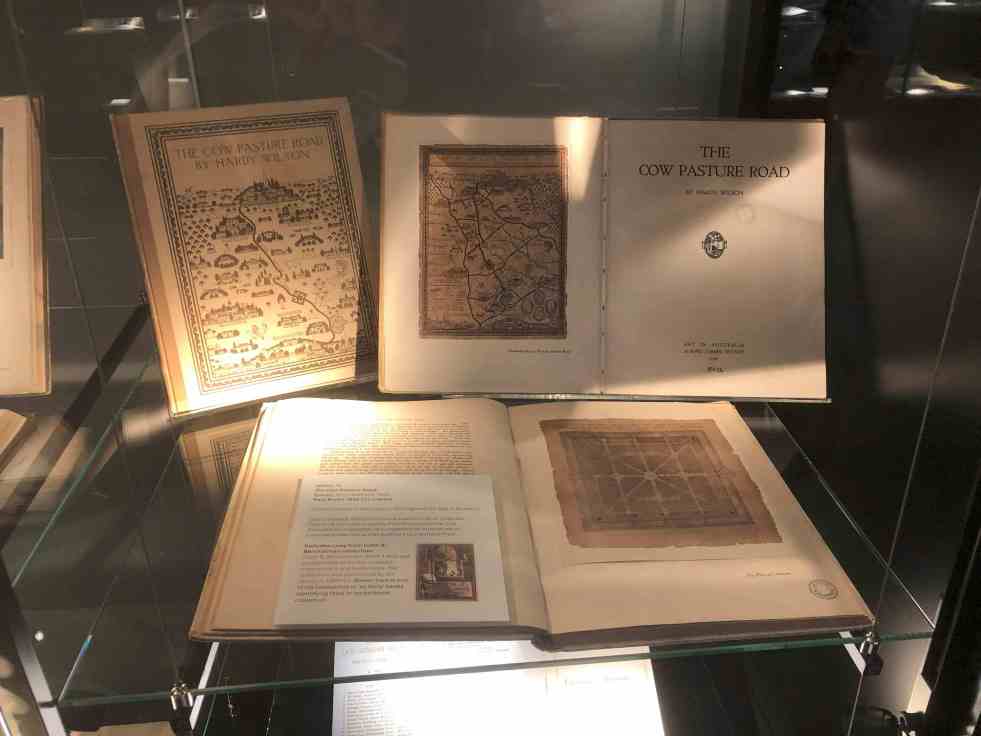
William Hardy Wilson, a largely unrecognized architect and artist, authored The Cow Pasture Road in 1920, impacting Camden's cultural narrative. His work celebrates colonial architecture and aesthetics, leading to a recent exhibition at the University of Sydney Library, which explores his dual legacy as both a visionary artist and controversial figure in Australian history.

20th century · Agricultural heritage · Agriculture history · Art · Attachment to place · Camden · Camden District · Camden Show · Camden Story · Church History · Collective Memory · Commemoration · Community · Community celebrations · Community Health · Community identity · Community organisations · Community work · Cultural Heritage · Disasters · Engineering Heritage · Engineering History · Families · Family history · Farming · Festivals · Floods · Folklore · Genealogy · Health History · Heritage · Historian · Historical consciousness · Historical Research · Historical source · Historical thinking · History of a house · History of Emotion · Hotel History · House history · Housing · Landscape · Landscape aesthetics · Legends · Living History · Local History · Local Studies · Macarthur region · Memorial · Memorialisation · Memorials · Monuments · Myths · Paintings · Photographs · Photography · Pictures · Placemaking · References · Small communities · Small town · Social History · Stereotypes · Stories · Storytelling · Urban growth · Women's agency · Women's art · Women's history · Women's stories

Exploring Historical Themes: Pictorial History Camden & District Presentation Summary

This presentation examined the role of the historian and researcher and presented the importance of history and the role of a historian. Dr Ian Willis discussed the significance of historical consciousness and collective memory, emphasising the role of a historian as a researcher, analyst, interpreter, and storyteller. The presentation also highlighted "Pictorial History Camden & District," a book by Kingsclear Books, and covered aspects such as structure, select bibliography, index of names, and district maps. Additionally, various related sources and themes, such as the Whiteman and Macarthur families, were explored. The presentation concluded with suggestions for experiencing the past through community festivals, local studies, and living libraries.

20th century · Aesthetics · Belonging · Campbelltown · Community · Community Engagement · Community identity · Cultural Heritage · Historical consciousness · History of a house · Hope and loss · House history · Housing · Local History · Local Studies · Lost Campbelltown · Memory · Myths · Place making · Sense of place · Urban development · Urban growth · Urban history · Urbanism

Despina’s story, fond memories of living in Campbelltown

A former resident of Campbelltown, Despina Maddalena, has recalled her time living in Campbelltown in the early 2000s. She has fond memories and is quick to defend the city from stereotypes and misinformation.