Agricultural heritage · Agriculture · Agriculture history · Attachment to place · Belgenny Farm · Built Heritage · Colonial Australia · Colonialism · Cowpastures · Cowpastures district · Cultural Heritage · Cultural icon · culture · Farming · Farming history · History · Landscape · Landscape aesthetics · Living History · Local History · Place · Place making · Placemaking · Sense of place

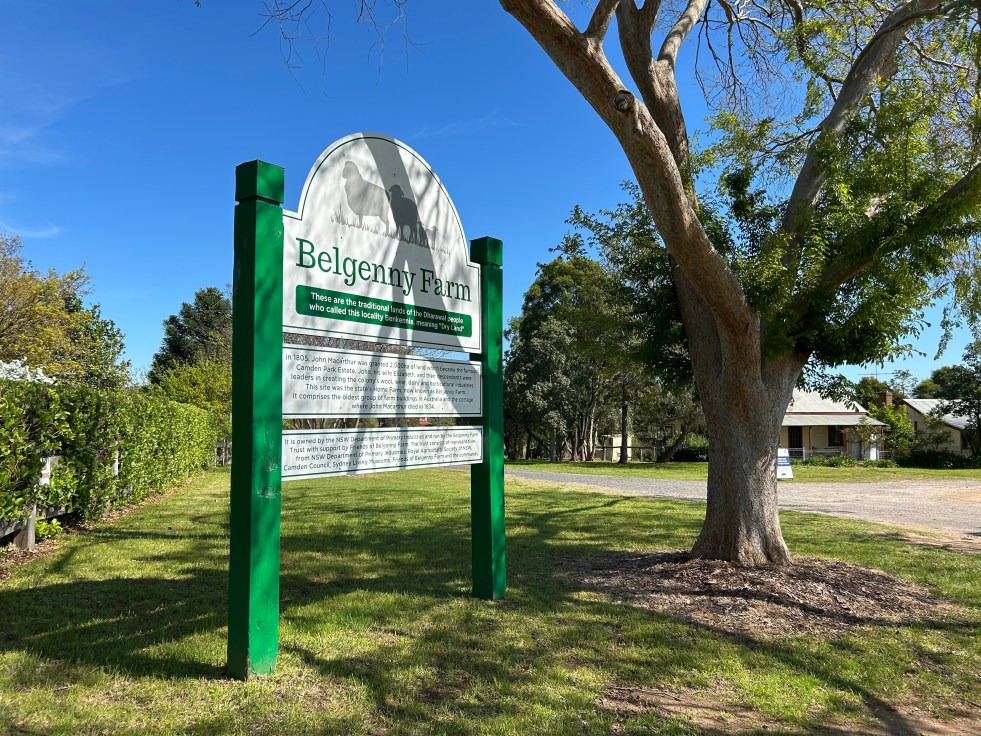
Exploring Belgenny Farm: Australia’s Oldest Farm Complex

Belgenny Farm, located in Camden, NSW, is Australia’s oldest surviving group of farm buildings, dating back to the 1820s. This historical site includes significant structures like stables, a coach house, and a community hall. It holds cultural importance through its association with the Macarthur family and continues to serve educational purposes.

Artworks · Belonging · Camden Story · Camden Walking Trails · Cowpasture walking trails · Cowpastures · Cowpastures district · Cowpastures Region · Heritage · History · Indigenous Heritage · Landscape · Landscape aesthetics · Living History · Local History · Nostalgia · Peri-urban region · Place making · Placemaking · Settler Society · Stories · Storytelling · The Cowpasture walking trails · Tourism · Urban development · Urban Planning · Walking trails

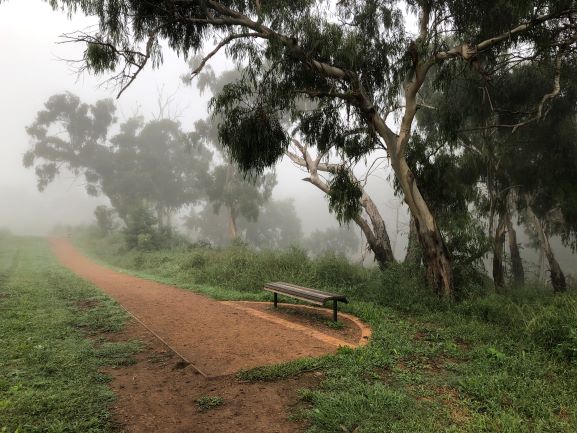
Top Walking Trails in Camden: Experience Walking the Cowpastures

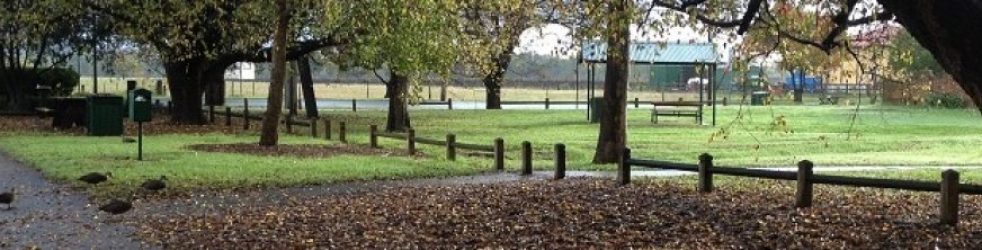
Camden township, located in the historical Cow Pastures, features walking and cycling paths that reflect its Indigenous and colonial history. The Nepean River Trail, integrating various public artworks, enhances the area's historic character, while memorial walkways pay tribute to Australian service members. It's a site for both recreation and cultural immersion.

1930s · Aesthetics · Agricultural heritage · Agriculture history · British Heritage · Camden Park Estate · Camden Park House and Garden · Camden Story · Canberra · Colonial garden · Commemoration · Cowpastures Gentry · Elizabeth Farm · Elizabeth Macarthur · Garden history · Gardening · Gender · Heritage · History · History of wool industry · Johm Macarthur · Landscape aesthetics · Living History · Macarthur family · Memorial · Memorialisation · Memorials · Memory · Nationalism · Philanthropy · Roses · Sibella Macarthur Onslow · Social History · Uncategorized · Volunteering · Volunteerism · Women's history · Women's stories

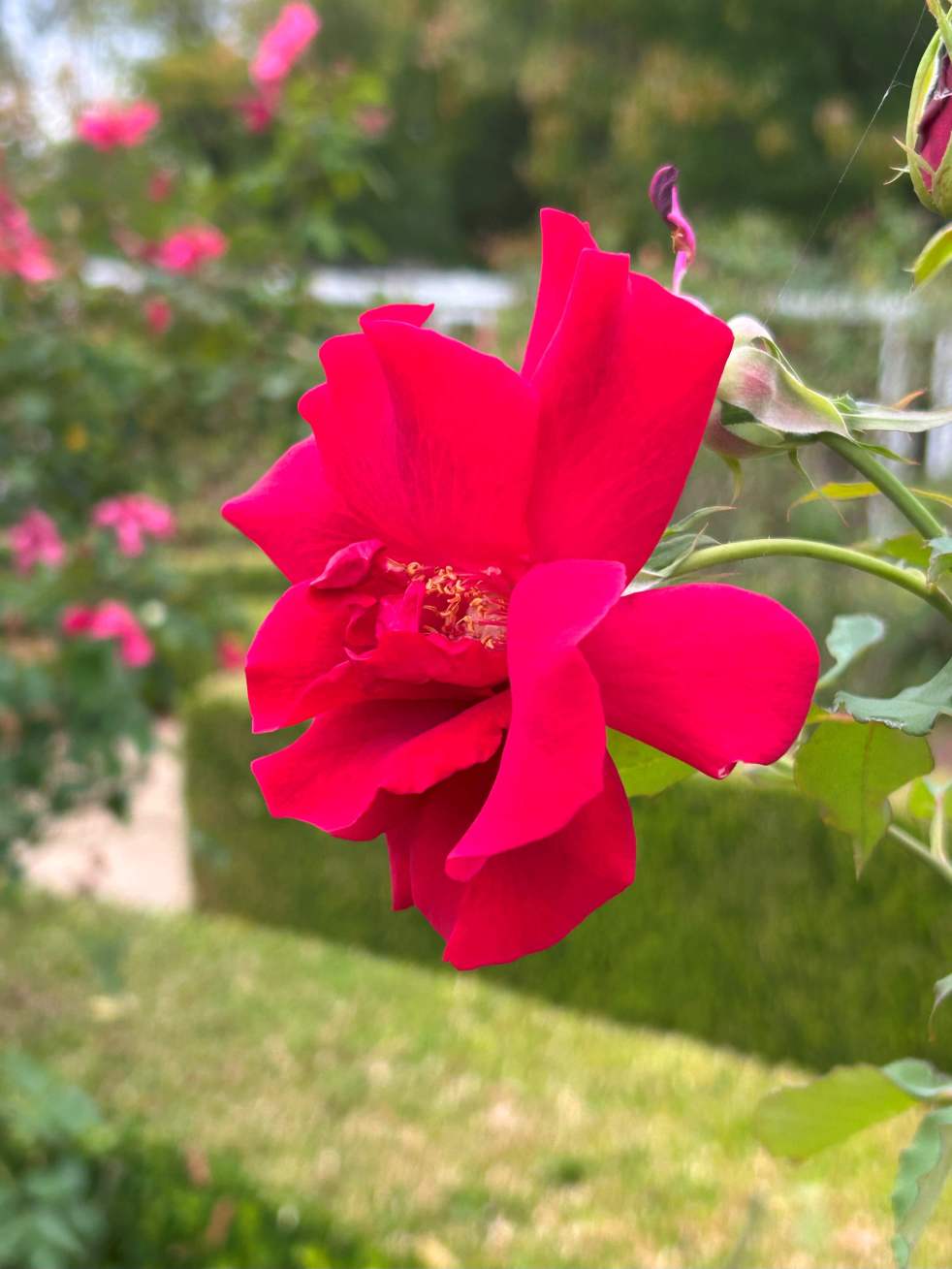
Canberra’s Macarthur Garden: a tribute to Australia’s wool pioneers and their contribution to the foundation of the nation

The Macarthur Rose Garden in Canberra commemorates John and Elizabeth Macarthur's pivotal role in Australia's fine wool industry. Donated by their great-granddaughter, Sibella Macarthur Onslow, the garden features roses symbolizing hope and gratitude. Established from 1937-1938, it reflects the connection between the Macarthurs and Australia’s early nationalism.

Aesthetics · Architecture · Attachment to place · Australian History · Built heritag · Built Heritage · Camden Built Heritage · Camden Modernism · Camden Story · Community identity · Country town · Cultural Heritage · Domestic Architecture · Elderslie · Heritage · History of a building · History of a house · Hope and loss · House history · Housing · Housing styles · Landscape · Landscape aesthetics · Living History · Lost Camden · Mid-century modernism · Modernism · Narellan · Nostalgia · Place making · Placemaking · Small town · Stories · Storytelling · Uncategorized · Urban development · Urban growth · Urban history · Urban Planning · Urbanism

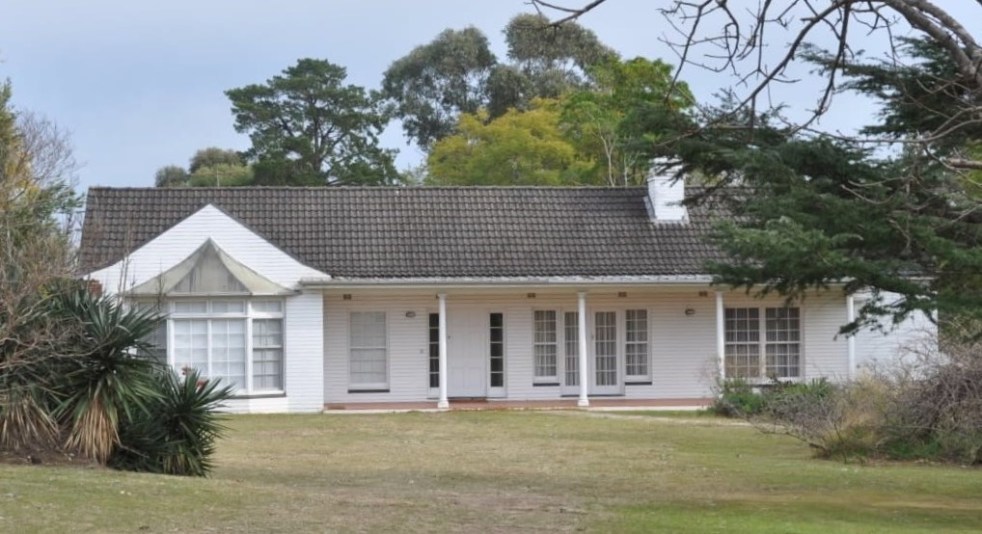
A Journey Through Camden’s Mid-Century Housing Architecture

Camden's mid-century housing, developed between the 1940s and 1970s, reflects a worldwide modernism movement. Characterized by simple lines and open spaces, these homes arose amid urban growth linked to the new jobs created by the Burragorang coalfields. Unfortunately, many of these historic structures are disappearing, necessitating greater recognition and appreciation of their significance.

Aesthetics · Art · Artworks · Attachment to place · Camden Realism · Camden Story · Cobbitty · GLAM Sector · Landscape · Landscape aesthetics · Local History · Local Studies · Paintings · Place · Place making · Placemaking · Realism · Sense of place · Stories · Storytelling · Women's art

Exploring ‘Just the Two of Us’ at Tegel Gallery 581

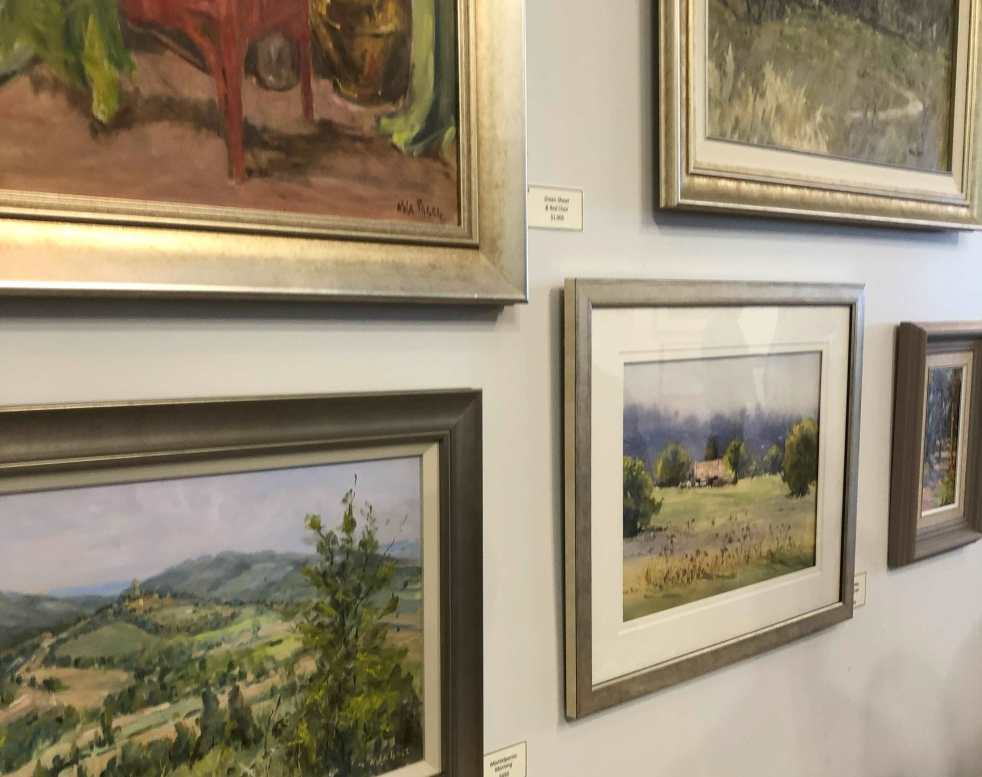
The Tegel Gallery 581 in Cobbitty, NSW, launched the exhibition 'Just the Two of Us' featuring 100 paintings by local artists Nola Tegel and Patricia Johnston. This collection reflects their artistic journeys and love for the Camden countryside and their travels. The exhibition runs until 27 October 2024, excluding certain dates.

19th Century · 20th century · Aesthetics · Architectural History · Architecture · Art · Artists · Artworks · Book · Built Heritage · Colonial Architecture · Colonial Australia · Colonial Camden · Colonial frontier · Colonial garden · Community identity · Cowpastures · Cowpastures district · Cowpastures Gentry · Cowpastures Region · Cultural Heritage · Gardening · Georgian · Heritage · History · House history · Housing styles · Interwar · Landscape aesthetics · Local History · Local Studies · Narellan Built Heritage · Place making · Placemaking · Regionalism · Residential Housing Style · Sense of place · Settler colonialism · Settler Society · Storytelling · Uncategorized · Victorian · William Hardy Wilson

Unveiling Hardy Wilson’s architectural legacy and his influence on Camden’s aesthetics

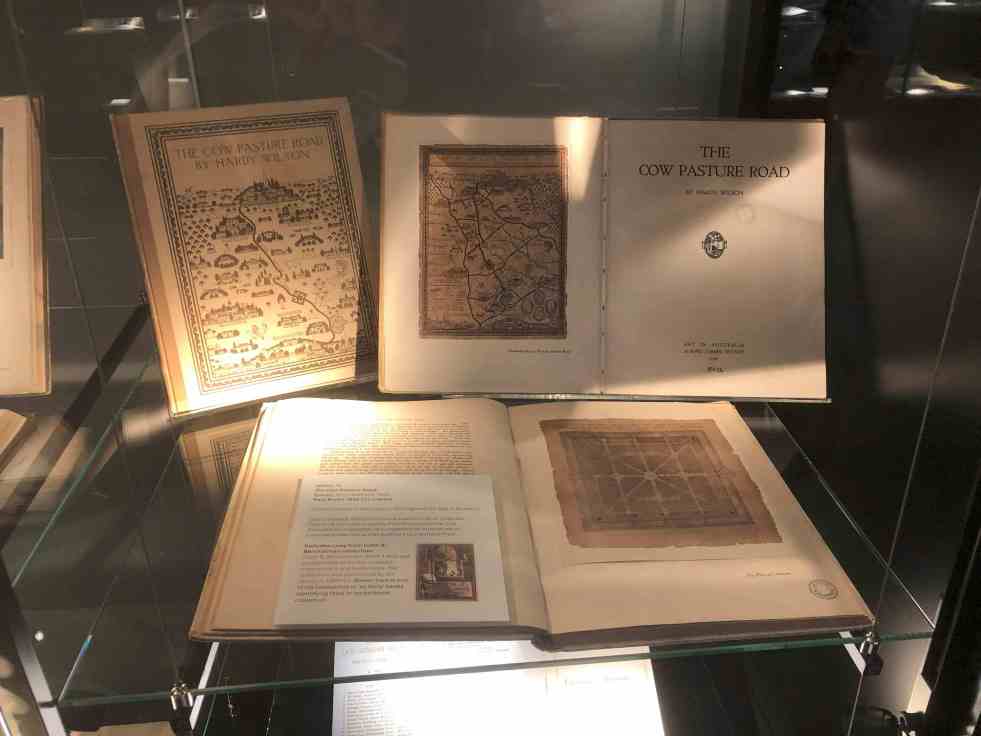
William Hardy Wilson, a largely unrecognized architect and artist, authored The Cow Pasture Road in 1920, impacting Camden's cultural narrative. His work celebrates colonial architecture and aesthetics, leading to a recent exhibition at the University of Sydney Library, which explores his dual legacy as both a visionary artist and controversial figure in Australian history.

Aesthetics · Architecture · Attachment to place · Belonging · Built heritag · Camden · Camden Council · Camden Museum · Camden Story · Church History · Colonial Camden · Community identity · Country town · Cowpastures · Cowpastures Gentry · Cultural and Heritage Tourism · Cultural Heritage · Cultural icon · Engineering Heritage · Heritage · History · Landscape · Landscape aesthetics · Living History · Local History · Local newspapers · Memory · Place making · Settler Society · St John's Church Camden · Storytelling · Tourism · Uncategorized · Urban development · Urban history

Cultural and Heritage Tourism in Camden: Unveiling a $6.4 Million Per Year Industry

Cultural and heritage tourism adds $6.4 million a year to the local economy. The Camden Museum and the Alan Baker Art Gallery add over $1.7 million annually.

Adaptive Re-use · Aesthetics · Architecture · Art · Attachment to place · Australia · Built heritag · Camden · Camden Story · Church History · Churches · Community identity · Cultural Heritage · Cultural icon · Curtilage · Georgian · Gothic · Heritage · Historical consciousness · Historical Research · Historical thinking · History · Landscape aesthetics · Lifestyle · Living History · Local History · Local Studies · Macarthur · Memory · Monuments · Myths · Place making · Placemaking · Ruralism · Sense of place · Social History · Storytelling · Streetscapes · Trust · Victorian · Weddings

Why does the sale of a local church create community angst? What is going on?

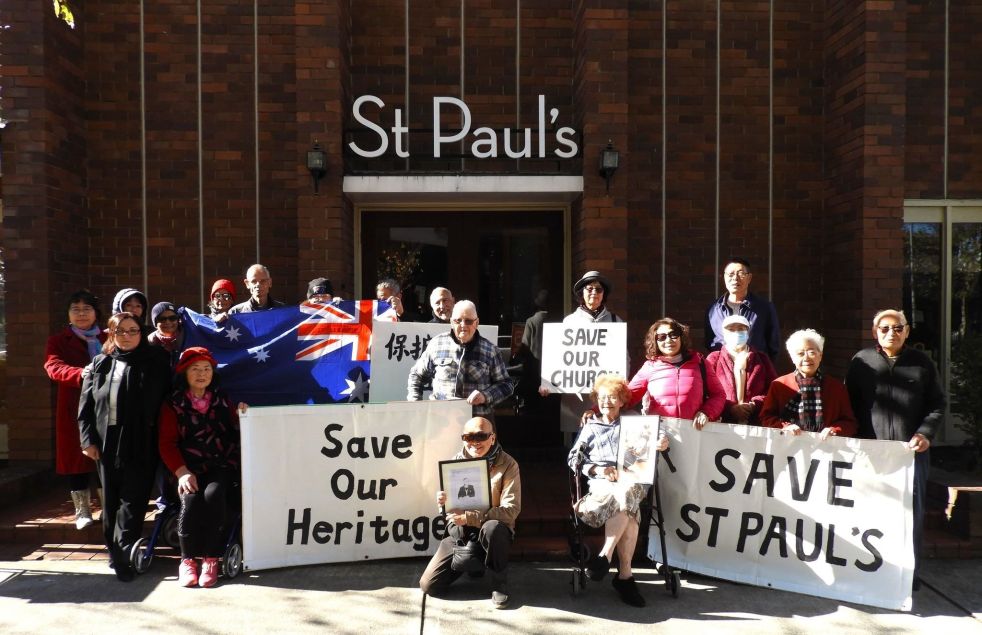
The sale of church land has sparked community angst, particularly at St. Paul's Anglican Church in Bankstown. The proposed heritage listing has led to concerns about redevelopment and closure. Similar issues have arisen in Tasmania, where the sale of local churches has evoked strong emotional and historical attachments. The opposing views between churchgoers and non-churchgoers present an unresolved ethical dilemma.

Adaptive Re-use · Adaptive Reuse · Aesthetics · Agricultural heritage · Agricultural modernism · Agriculture · Agriculture history · Architecture · Artists · Belgenny Farm · Camden Park Estate · Camden Story · Carpentry · Colonial Camden · Colonialism · Commemoration · Cowpastures · Cowpastures Estates · Cowpastures Gentry · Crafts · Cultural Heritage · Dairying · Elizabeth Macarthur · Entertainment · Farming · History of a building · Landscape · Landscape aesthetics · Living History · Local History · Local Studies · Macarthur · Macarthur family · Memorial · Monuments · Nationalism · Place making · Placemaking · Ruralism · Sense of place · Settler Society · Small town · Stories · Storytelling · Traditional Trades · Village

Back to Belgenny 2024, a festival of living history

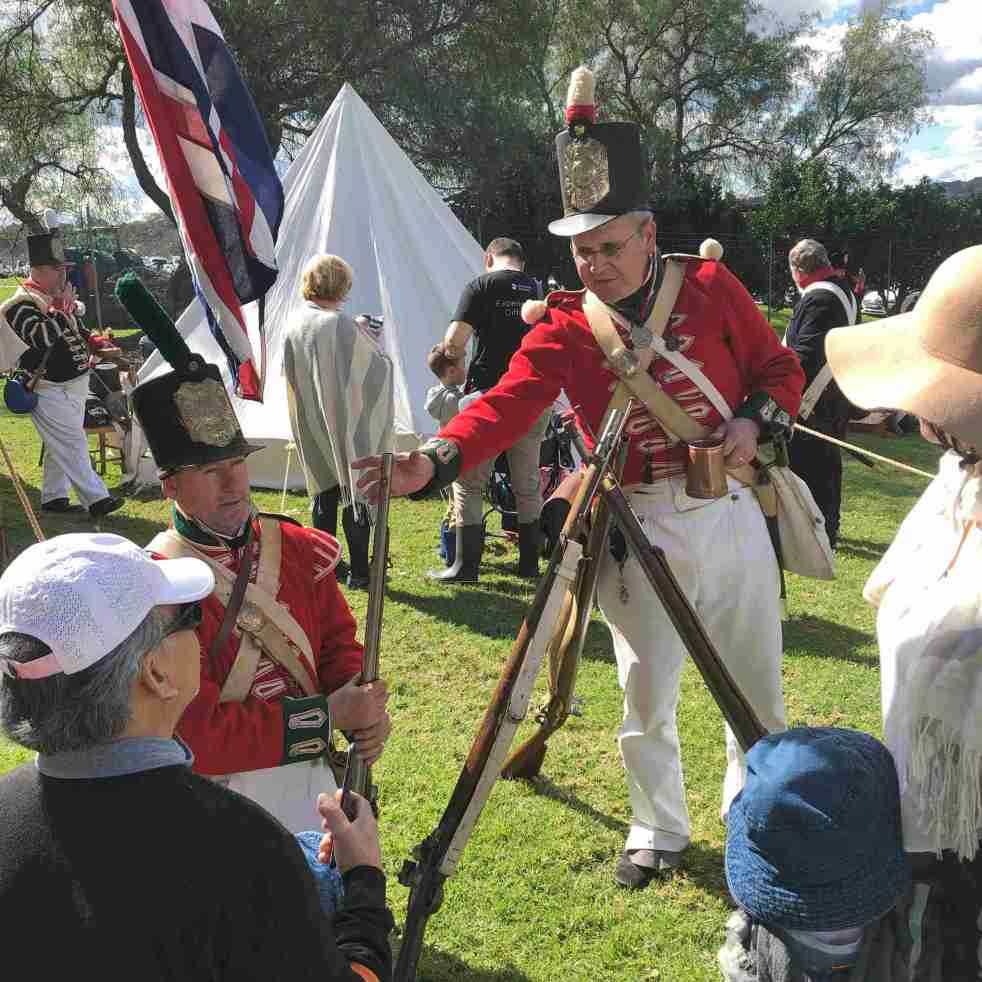
The 2024 Back to Belgenny festival at Belgenny Farm in South Camden showcased living history with reenactments, traditional trades, and stalls selling arts and crafts of the past. Activities included sheepdog trials, live music, vintage cars, and guided history tours of the site. The farm represents the settler society through the generations of the Macarthur family and their workers.

20th century · Agricultural heritage · Agriculture history · Art · Attachment to place · Camden · Camden District · Camden Show · Camden Story · Church History · Collective Memory · Commemoration · Community · Community celebrations · Community Health · Community identity · Community organisations · Community work · Cultural Heritage · Disasters · Engineering Heritage · Engineering History · Families · Family history · Farming · Festivals · Floods · Folklore · Genealogy · Health History · Heritage · Historian · Historical consciousness · Historical Research · Historical source · Historical thinking · History of a house · History of Emotion · Hotel History · House history · Housing · Landscape · Landscape aesthetics · Legends · Living History · Local History · Local Studies · Macarthur region · Memorial · Memorialisation · Memorials · Monuments · Myths · Paintings · Photographs · Photography · Pictures · Placemaking · References · Small communities · Small town · Social History · Stereotypes · Stories · Storytelling · Urban growth · Women's agency · Women's art · Women's history · Women's stories

Exploring Historical Themes: Pictorial History Camden & District Presentation Summary

This presentation examined the role of the historian and researcher and presented the importance of history and the role of a historian. Dr Ian Willis discussed the significance of historical consciousness and collective memory, emphasising the role of a historian as a researcher, analyst, interpreter, and storyteller. The presentation also highlighted "Pictorial History Camden & District," a book by Kingsclear Books, and covered aspects such as structure, select bibliography, index of names, and district maps. Additionally, various related sources and themes, such as the Whiteman and Macarthur families, were explored. The presentation concluded with suggestions for experiencing the past through community festivals, local studies, and living libraries.