
AI · Built Heritage · Camden · Camden bank · Camden Built Heritage · Camden Story · Historian · Historical consciousness · Historical Research · Historical thinking · History · History Education · Place making · Placemaking · Propaganda · Sense of place · Stories · Storytelling · Uncategorized

The Role of Historians in an AI World

A Microsoft study suggests historians are among jobs most at risk from AI, particularly due to AI's ability to gather data. However, historians play a crucial role in interpretation, analysis, and narrative construction, capabilities AI lacks. Therefore, while AI may assist, it cannot replace historians, ensuring their continued relevance in understanding the past.

19th Century · 20th century · Aesthetics · Architectural History · Architecture · Art · Artists · Artworks · Book · Built Heritage · Colonial Architecture · Colonial Australia · Colonial Camden · Colonial frontier · Colonial garden · Community identity · Cowpastures · Cowpastures district · Cowpastures Gentry · Cowpastures Region · Cultural Heritage · Gardening · Georgian · Heritage · History · House history · Housing styles · Interwar · Landscape aesthetics · Local History · Local Studies · Narellan Built Heritage · Place making · Placemaking · Regionalism · Residential Housing Style · Sense of place · Settler colonialism · Settler Society · Storytelling · Uncategorized · Victorian · William Hardy Wilson

Unveiling Hardy Wilson’s architectural legacy and his influence on Camden’s aesthetics

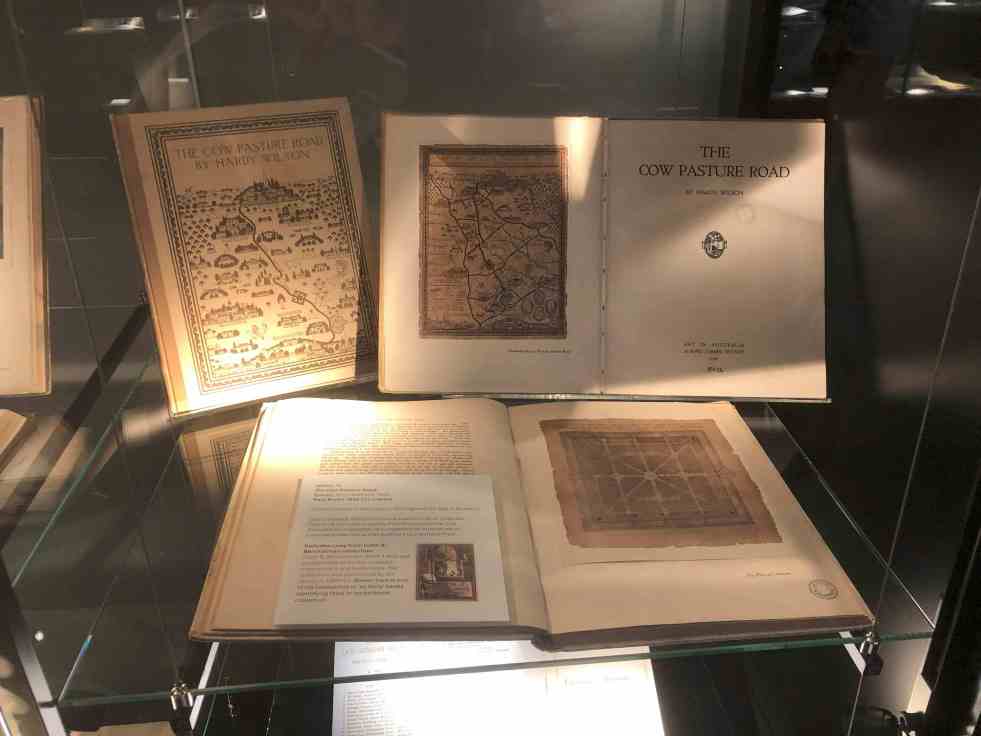
William Hardy Wilson, a largely unrecognized architect and artist, authored The Cow Pasture Road in 1920, impacting Camden's cultural narrative. His work celebrates colonial architecture and aesthetics, leading to a recent exhibition at the University of Sydney Library, which explores his dual legacy as both a visionary artist and controversial figure in Australian history.

19th Century · 20th century · Architecture · British colonialism · Built heritag · Camden Built Heritage · Camden John Street Precinct · Camden Police Barracks · Collective Memory · Colonial Camden · Colonial frontier · Colonialism · Country town · Court of Petty Sessions · Cowpastures · Cowpastures district · Cowpastures Estates · Cowpastures Gentry · Cowpastures Region · Cultural Heritage · Heritage · History of a building · Local History · Local Studies · Military history · Place making · Policing · Sense of place · Settler Society · Small town · Stories · Storytelling · Uncategorized · Urban history · Victorian

Camden Police Station and Residence: A Historical Landmark in Camden

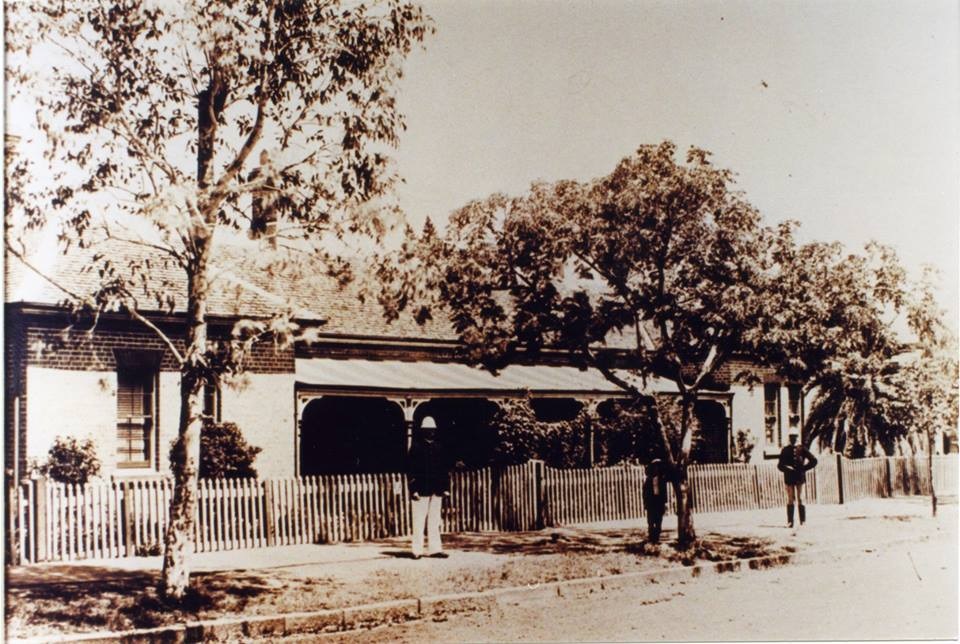
Camden Police Station, a single-storey brick building at 35 John Street, was constructed in 1878 and served the NSW Police Service until 2011. Designed by James Barnet, it features historical architectural elements, including a paved verandah and brick chimneys. Currently vacant, it is recognized for its heritage value within the Camden community.

1973 New Cities Campbelltown Camden Appin Structure Plan · 20th century · Attachment to place · Built heritag · Camden Council · Camden District · Camden Heritage Conservation Area · Camden Museum · Camden Show · Camden Story · Camden Town Farm · Church History · Churches · Collective Memory · Colonial Camden · Commemoration · Community identity · Country town · Country town idyll · Cultural and Heritage Tourism · Cultural Heritage · Elizabeth Macarthur · Folklore · Hope and loss · Landscape · Legends · Local History · Local newspapers · Local Studies · Lost Camden · Memorial · Memory · Monuments · Place making · Placemaking · rural-urban fringe · Ruralism · Sense of place · Settler Society · Social History · Stereotypes · Stories · Storytelling · Sydney's rural-urban fringe · Tourism · Town planning · Uncategorized · Urban development · Urban growth · Urban history · Urban Planning · urban sprawl · Urbanism

Yearning, Longing and The Remaking of Camdenโ€™s Identity: the myths and reality of โ€˜a country town idyllโ€™.

This article discusses the concept of a "country town idyll" in Camden, an idealised version of a country town from an imagined past that uses history to construct imagery based on Camden's heritage buildings and other material fabrics. The paper delves into the origins of the idyll, examines its development, and investigates its validity in its contemporary context. It shows how its supporters have used history as a community asset to remake Camden's identity and explore how the 'country town idyll' has been used variously as a political weapon, a marketing tool, and a tourist promotion.

Aesthetics · Art · Artists · Built heritag · Camden Council · Camden White Gum · Community identity · Cowpastures · Cultural Heritage · Cumberland Plain Woodland · Ecology · Environment · Heritage · Landscape · Landscape aesthetics · Local History · Memorials · Nepean River · Oran Park · Public art · Sense of place · Storytelling · Uncategorized

‘The Tree of Life’, public art at Camden Council Administration Offices

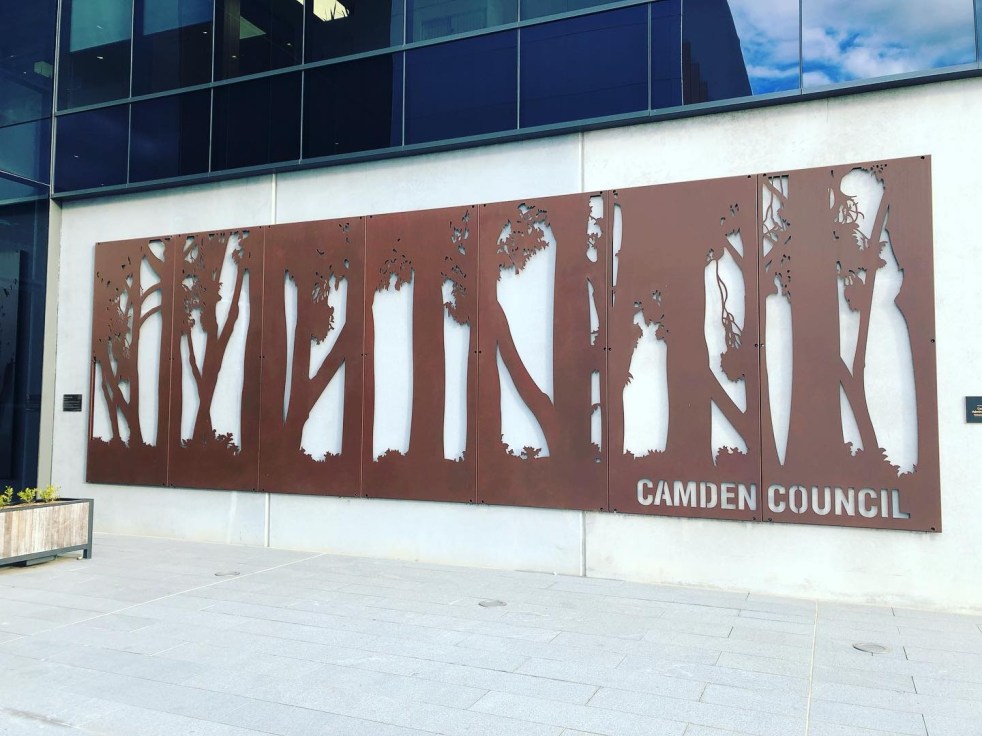
The art installation The Tree of Life by sculptors Gillies & Marc celebrates the endangered Camden White Gum. The sculpture is located adjacent to the entry of the Camden Council administration building at Oran Park. The work was commissioned by the council in 2016 for the opening of the new office building.

1920s · 1930s · 1932 · 20th century · Adaptive Re-use · Aesthetics · Architecture · Argyle Street · Attachment to place · Belonging · Built heritag · Business History · Camden Story · Camden Town Centre · Collective Memory · Colonial Camden · Community identity · Cultural Heritage · Cultural icon · Design · Economy · Governor Macquarie · Historical consciousness · History · Interwar · Local History · Local Studies · localism · Macarthur region · Mid-century modernism · Modernism · Place making · Placemaking · Sense of place · Storytelling · Streetscapes · Town planning · Uncategorized · Urban growth · Urban history · Urbanism

ย The former Bank of New South Wales building in the country town of Camden

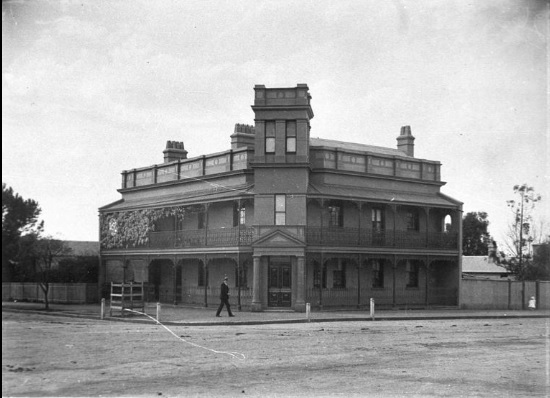
In central Camden is an empty bank building of understated significance at the intersection of John and Argyle Streets. This building was the premises of Westpac, formerly the Bank of New South Wales, and was the second banking chamber on that site. Constructed in the 1930s by a prominent firm of local builders and designed by one of Sydneyโ€™s top award-winning architects. It is a building of much architectural merit, and few know its history.ย 

Adaptive Re-use · Architecture · Built heritag · Business · Churches · Community identity · Cultural Heritage · Eastern Command Training School, Narellan, NSW · Heritage · History · History of a house · House history · Local History · Local Studies · Military history · Narellan · Place making · Placemaking · Schools · Second World War · Sense of place · Storytelling · Village

Narellan’s Built Heritage

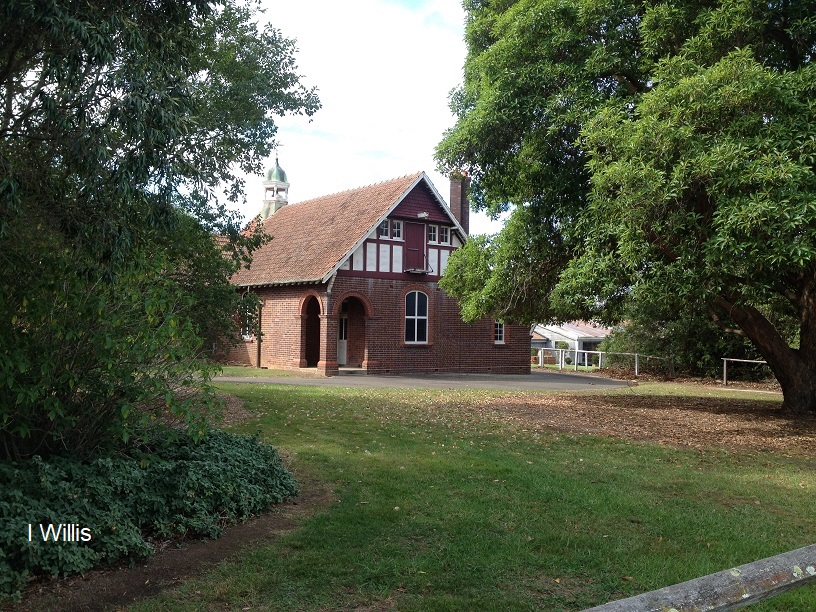
The former colonial village of Narellan originally located in the Cowpastures has some fascinating surviving built heritage.

Aesthetics · Architecture · Art · Attachment to place · Colonialism · Community identity · Concord NSW · Convalescent Home · Convalescent hospital · Cultural Heritage · Cultural icon · Curtilage · Dairying · Edwardian · Entertainment · Farming · Festivals · Heritage · History · History of a house · House history · Interwar · Landscape · Landscape aesthetics · Leisure · Local History · Medical history · Modernism · Place making · Red Cross · Sense of place · Storytelling · Urban history · Volunteering · War · War at home · Yaralla Estate, Concord

Yaralla Estate, a hidden Sydney gem

A hidden Sydney gem: Yarralla Estate at Concord NSW which was the home of Dame Eadith Walker in the early 20th century.

Architecture · Attachment to place · Built heritag · Camden · Colonial Camden · Colonialism · Community Health · Community identity · Consumption · Convalescent Home · Convalescent hospital · Cultural Heritage · First World War · Heritage · Historical consciousness · Historical Research · History · Interwar · Local History · Medical history · Modernism · Philanthropy · Place making · Placemaking · Sense of place · Storytelling · Tuberculosis · Volunteering

Carrington Centennial Hospital for Convalescents and Incurables, Camden

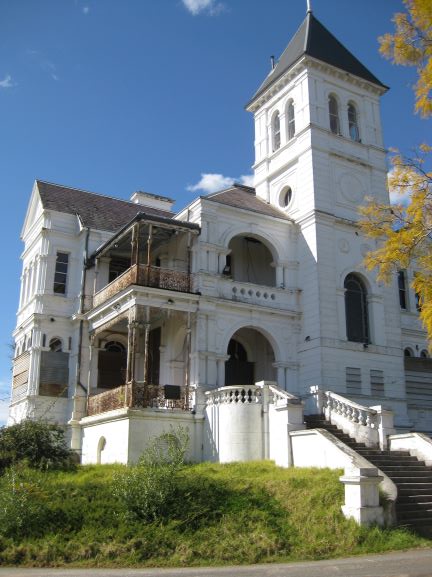
Carrington Centennial Hospital for Convalescents, opened in 1890 in Camden, NSW, embodied Florence Nightingaleโ€™s principles, emphasizing fresh air and proper ventilation for recovery. Established by philanthropist WH Paling, it was the first major convalescent facility in New South Wales, providing a restorative environment away from the urban pollution.

1920s · 1930s · Advertising · Aesthetics · Architecture · Attachment to place · Built heritag · Business · Business History · Community identity · Country town · Cultural and Heritage Tourism · Cultural Heritage · Cultural icon · Design · Dungog · Economy · Fashion · Heritage · Historical consciousness · Historical Research · History · Hotel History · Hotels · Interwar · Lifestyle · Local History · Local Studies · Modernism · Place making · Placemaking · Royal Hotel Dungog · Sense of place · Storytelling · Urban growth · Urban history

Dungog’s Royal Hotel, an Art Deco Bush Pub

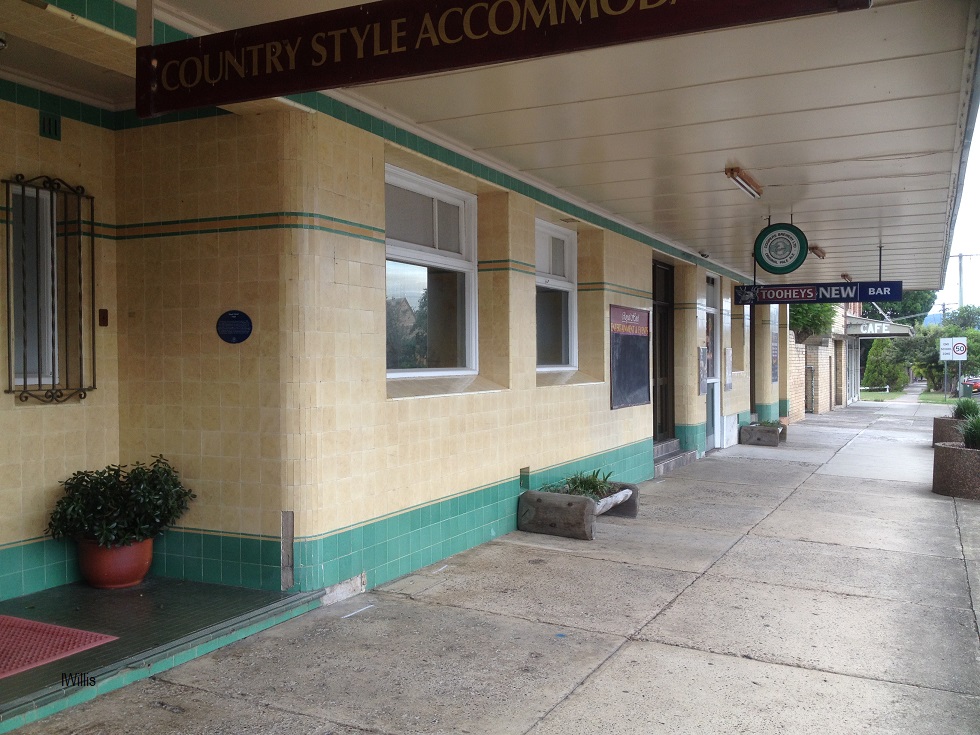
The Dungog Royal Hotel is an example of an Interwar Art Deco style hotel in an Australian country town