

The 2014 Camden Town Centre Enhancement Strategy has faced controversy and distrust from residents and stakeholders, leading to a significant trust deficit. The proposed decked car park and lack of early and robust community engagement have fueled skepticism and discontent. Community consultation principles and the mayor's defense of the process are under scrutiny. Stakeholder concerns about legitimacy align with international practices.
Tag: Camden

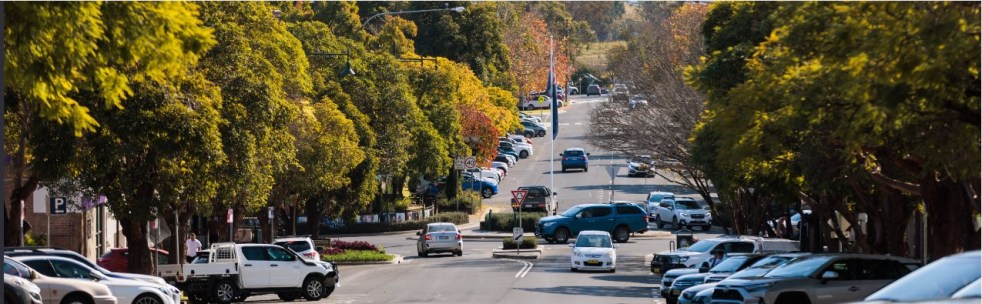
Exploring Historical Themes: Pictorial History Camden & District Presentation Summary
This presentation examined the role of the historian and researcher and presented the importance of history and the role of a historian. Dr Ian Willis discussed the significance of historical consciousness and collective memory, emphasising the role of a historian as a researcher, analyst, interpreter, and storyteller. The presentation also highlighted "Pictorial History Camden & District," a book by Kingsclear Books, and covered aspects such as structure, select bibliography, index of names, and district maps. Additionally, various related sources and themes, such as the Whiteman and Macarthur families, were explored. The presentation concluded with suggestions for experiencing the past through community festivals, local studies, and living libraries.
Share this:

Share this:
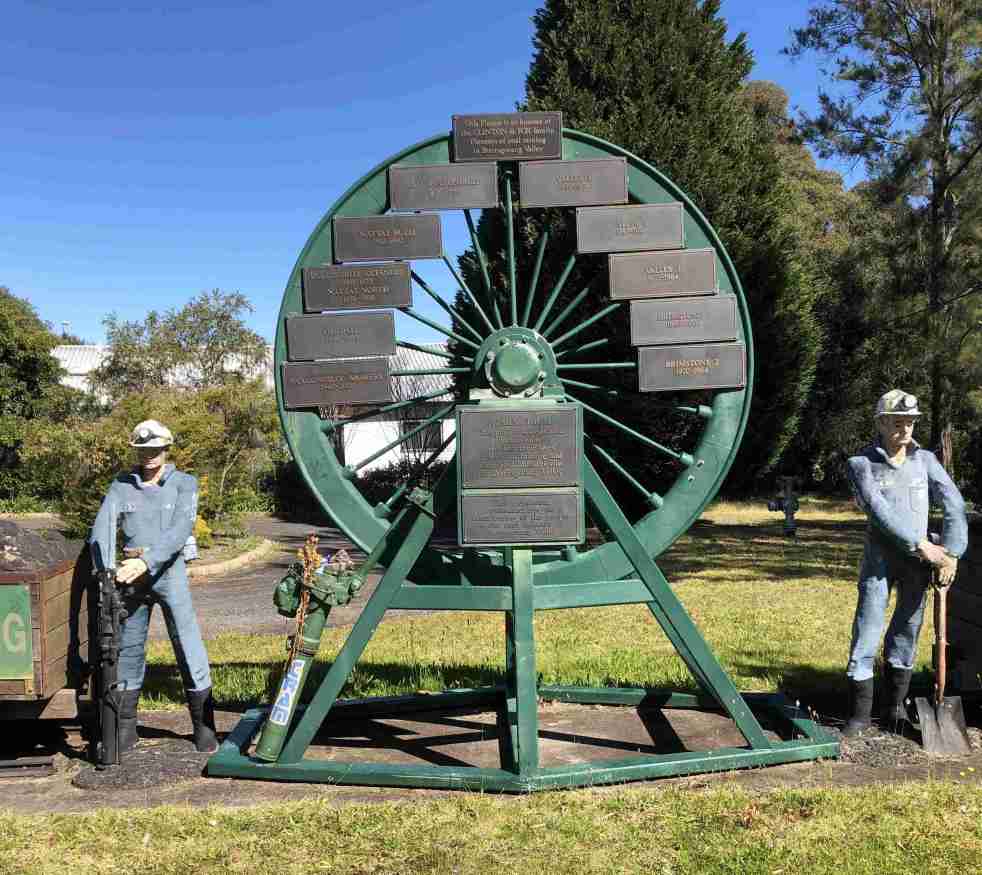
Burragorang Coalfields: From Prosperity to Closure
The Burragorang Valley's coal mining history spans from the early 1800s to the closure of the last operational mine in 2000. The community relied on coal for jobs, but the inevitable end affected the region. International mining companies became involved, and the introduction of electricity transformed mining processes. Many mines opened and closed throughout the years, leaving a rich and complex history documented in various sources.
Share this:

Share this:
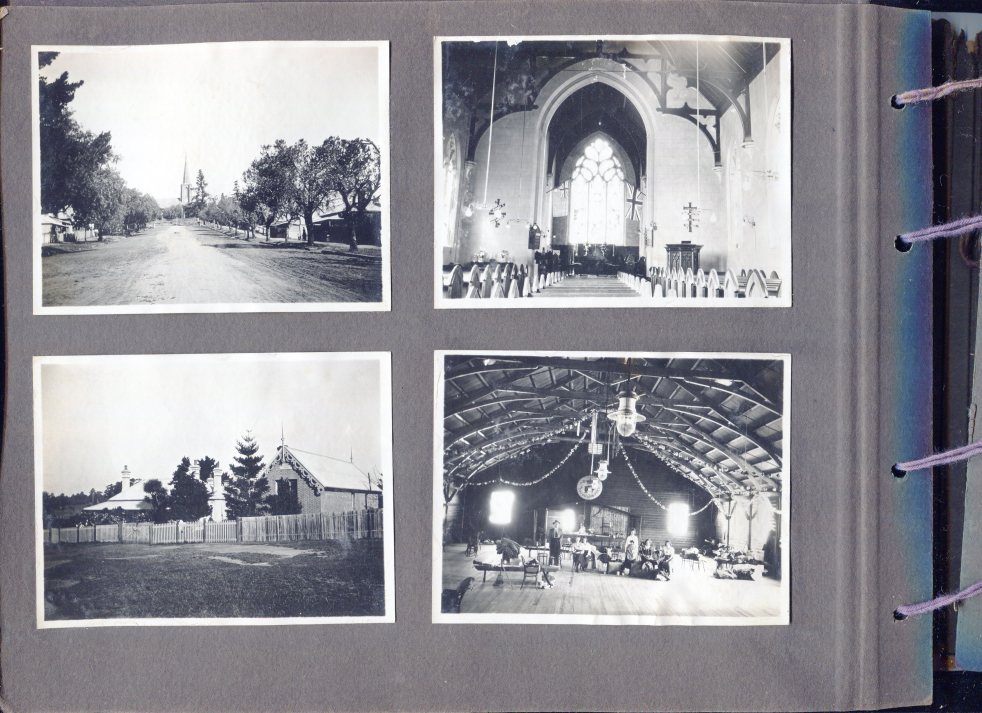
Camden Teacher Trainee Camp 1921: Insights into 1920s Teacher Training
In the early 1920s, young women like Lottie Dean participated in teacher training camps in Camden, NSW. The camps provided practical experience in teaching and imposed strict rules on student life. Lottie's story reflects the evolving role of women in education and society at that time.
Share this:

Share this:
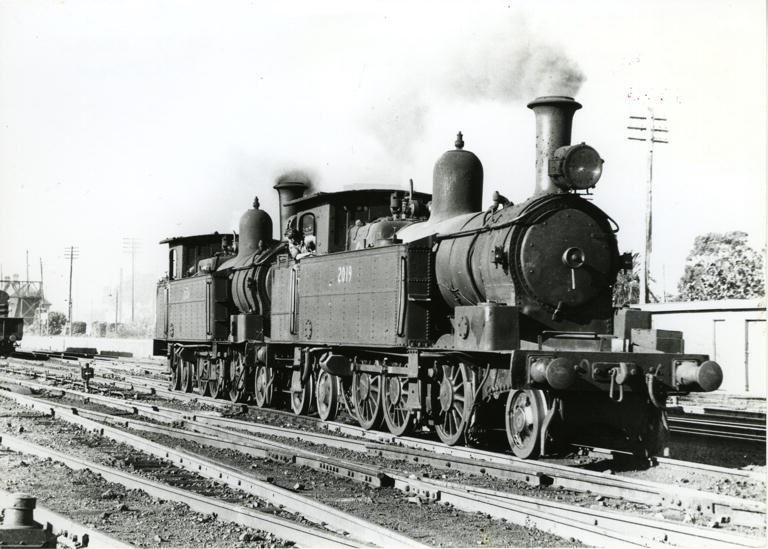
Exploring Camden’s Railway Heritage: Pansy and Its Timeless Stories
The Camden branch line, with its famous locomotive Pansy, holds a special place in the memories of locals and visitors. Operating from 1882 to 1963, it served as a lifeline for the community, transporting goods, passengers, and even wartime heroes. Despite its eventual closure, remnants of the line can still be seen today.
Share this:

Share this:

Connecting Community: John Street and the Art of Placemaking
John Street in Camden embodies the concept of 'place' as defined by various scholars. The precinct holds significance for the community, influencing their identity and emotional attachment. It possesses the potential for placemaking through elements such as cultural traditions, memorials, and events. Leverage of these elements can enhance community interactions and attachment, enriching residents' lives.
Share this:

Share this:

Volunteer Expo, an exceptional networking event
The Volunteer Expo at Julia Reserve Community Centre, Oran Park, NSW, showcased local community organizations during National Volunteer Week. The event aimed to promote volunteering and featured 36 organizations. The expo provided networking opportunities and highlighted the importance of social capital and storytelling in building community resilience. The Camden Council played a vital role in organizing the successful event.
Share this:

Share this:

Yearning, Longing and The Remaking of Camden’s Identity: the myths and reality of ‘a country town idyll’.
This article discusses the concept of a "country town idyll" in Camden, an idealised version of a country town from an imagined past that uses history to construct imagery based on Camden's heritage buildings and other material fabrics. The paper delves into the origins of the idyll, examines its development, and investigates its validity in its contemporary context. It shows how its supporters have used history as a community asset to remake Camden's identity and explore how the 'country town idyll' has been used variously as a political weapon, a marketing tool, and a tourist promotion.
Share this:

Share this:
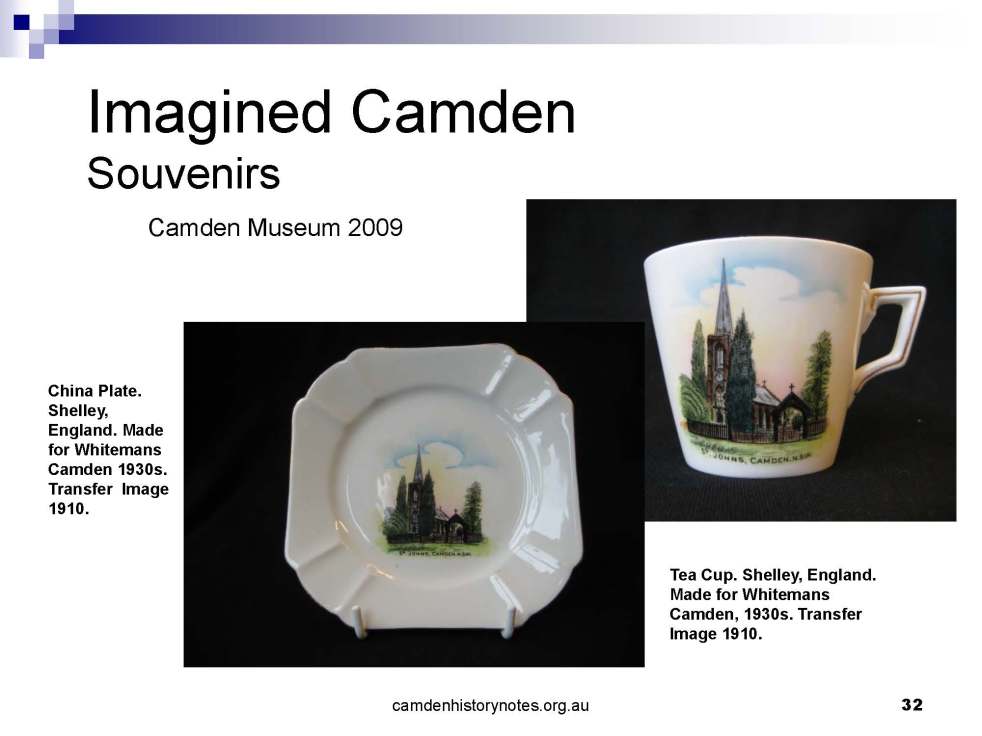
Camden, the making and re-making of familiar places
This presentation at the WEA-RAHS Seminar Series on 28 October 2009 at History House, Sydney, explores the conflict between urban expansion and the desire to preserve Camden's identity as a country town. It delves into the tension between nostalgic ideals and the reality of modern development in the area.
Share this:

Share this:
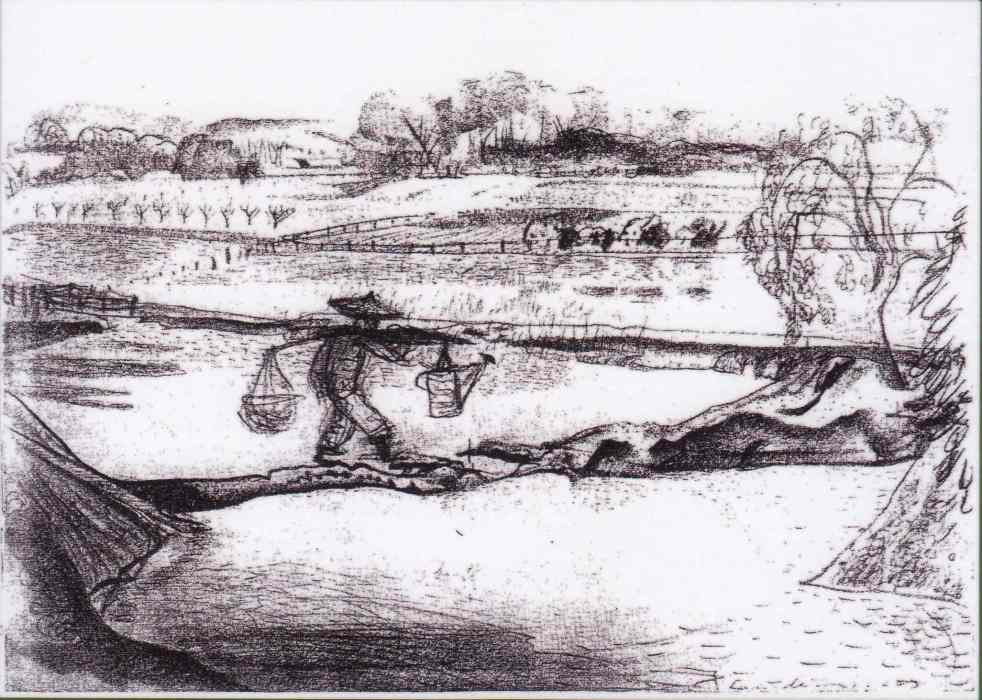
Who were the Camden Chinese market gardeners, a new book reveals the story
The book "A History of Camden Chinese Market Gardeners 1899-1993" edited by Ian Willis & Julie Wrigley tells the story of Chinese market gardeners in Camden. They faced challenges such as the White Australia Policy and local ostracism but demonstrated resilience. The book sheds light on their history and is recommended for those interested in local studies and the Chinese diaspora.

