20th century · Architecture · Art · Attachment to place · Australian Botanic Gardens Mount Annan · Belonging · Built heritag · Camden Story · Colonialism · Cultural Heritage · Design · Garden history · Gardening · Herbarium of NSW ABG · Heritage · History · Landscape · Lifestyle · Living History · Local History · Local Studies · Mount Annan · Place making · Placemaking · Plant Nursery · Plants · Public art · Sculpture · Sense of place · Storytelling · Uncategorized · Urban growth · Urban history

Botanic gardens herbarium at Mount Annan wins top architecture award

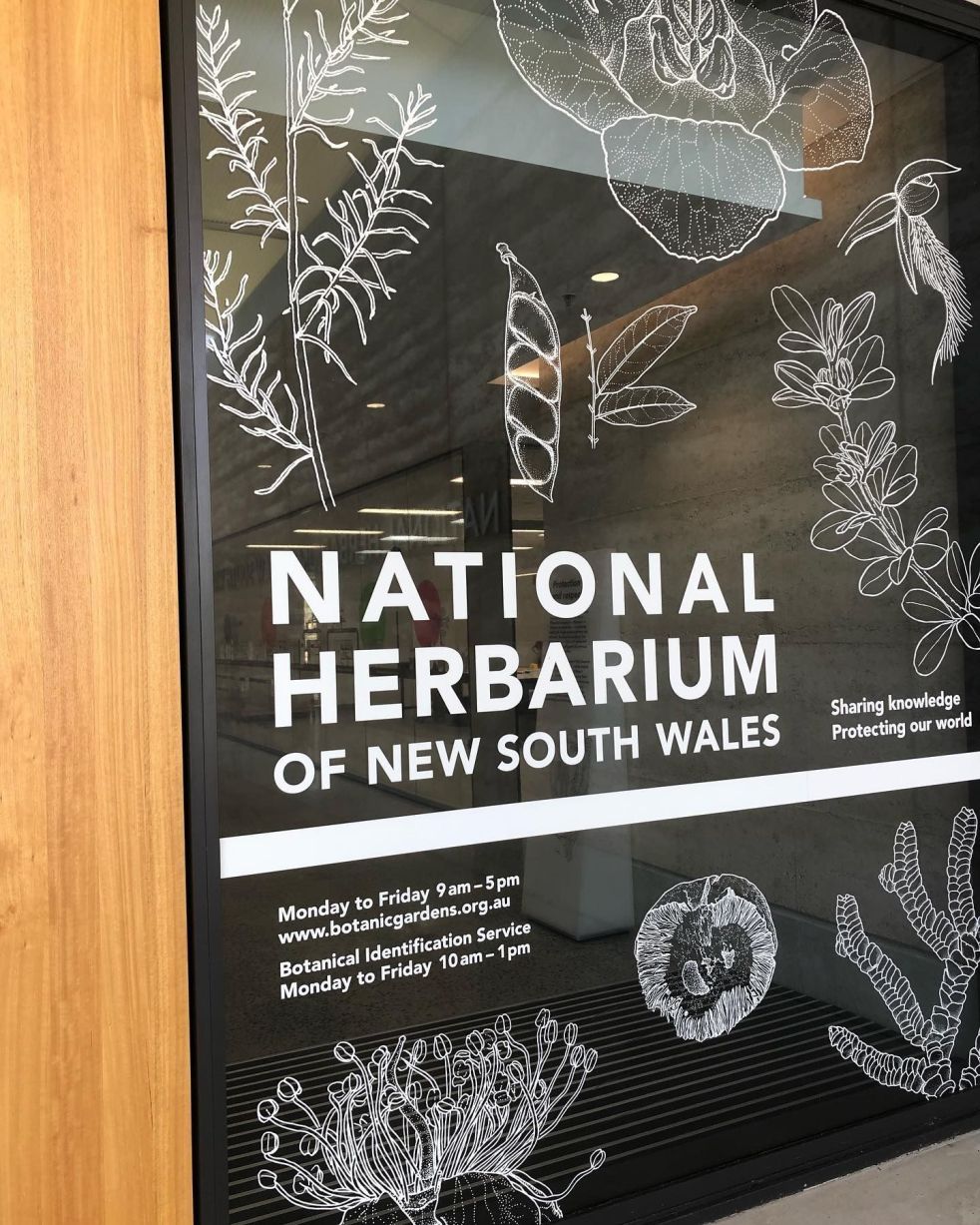
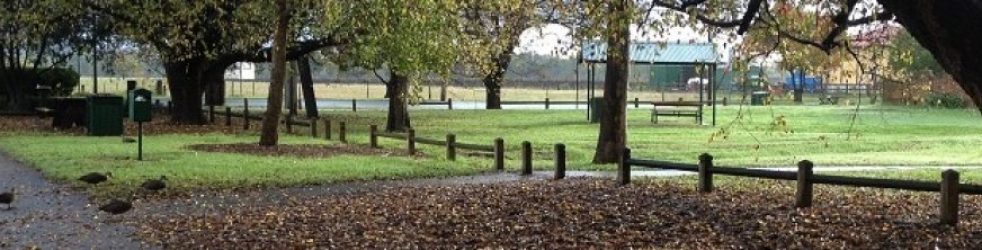
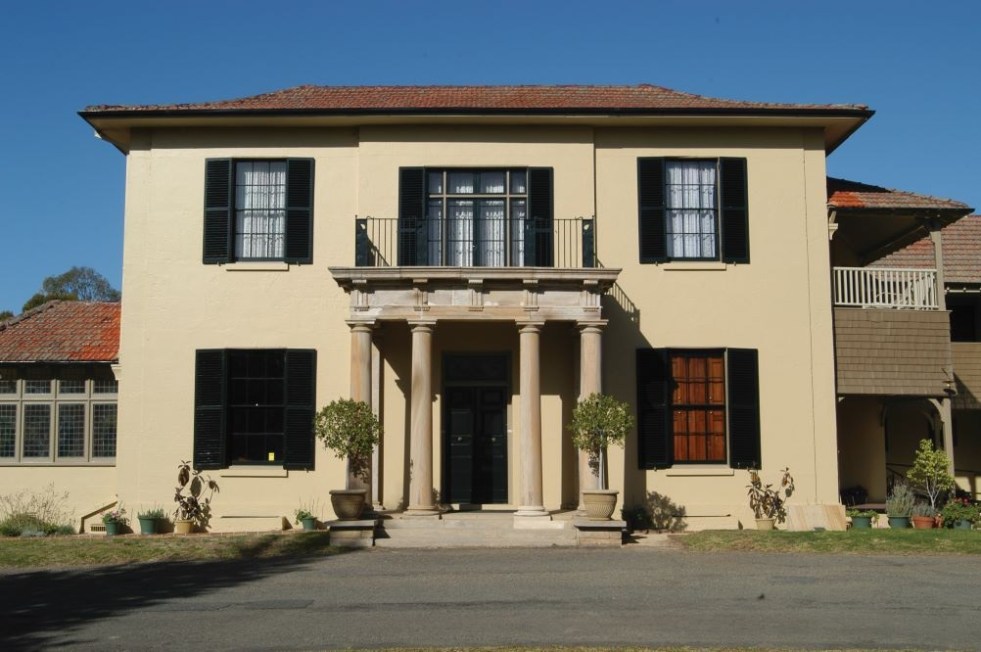
The National Herbarium of NSW at the Australian Botanic Garden Mount Annan has been awarded the AILA 2023 NSW AILA Awards in the Health and Education Category.

20th century · Anzac · Art · Attachment to place · Belonging · Camden Story · Craft · Crafts · Cultural Heritage · Cultural icon · Cultural plantings · Design · Family history · Festivals · History · History of Emotion · Living History · Local History · Local Studies · localism · Memorial · Memorialisation · Memorials · Memory · Metaphor · Military history · Modernism · Monuments · Patriotism · Place making · Propaganda · Second World War · Sense of place · Sewing · Stereotypes · Storytelling · Symbolism · Uncategorized · Volunteering · Volunteerism · War · War at home · Wartime · Women's diaries · Women's history · World War One

Red Flanders poppies, a field of memories

The red poppy carries a lot of symbolism in cultural mythologies from remembrance to sacrifices. The simple flower triggers outpouring of emotion, memories and commemorations on Anzac Day and Remembrance Day every year.

1920s · 1930s · 20th century · Agriculture · Argyle Street · Attachment to place · Belonging · British colonialism · Built heritag · Camden · Camden Story · Collective Memory · Colonialism · Commemoration · Community identity · Country town · Cowpastures · Cultural Heritage · Dharawal · Historical consciousness · Historical Research · Historical thinking · Historiography · History · Legends · Local History · Local Studies · Macarthur · Memorial · Memorialisation · Memorials · Memory · Monuments · Mysteries · Myths · Newspapers · Pioneers · Place making · Regionalism · Ruralism · Sense of place · Settler colonialism · Settler Society · Small communities · Stereotypes · Storytelling · Tourism · Urban growth · Urban history · Volunteering

The Camden Story: the historiography of the history of the country town of Camden NSW

The history of telling the story of a small community has been interpreted in different ways at different times in the past by different historians. This area of study is called the historiography. I have recently published an article on the historiography of the small country town of Camden, NSW.

1920s · 1930s · 20th century · Argyle Street · Camden · Camden Story · Collective Memory · Community identity · Cowpastures · Cultural Heritage · Cultural plantings · Dairying · Farming · Gardening · Horticulture · Landscape · Landscape aesthetics · Local Studies · Memorials · Memory · Pepper Trees · Place making · Settler colonialism · Settler Society · Storytelling · Street Trees · Town planning · Urban Planning

Camden pepper trees, a remnant of the past

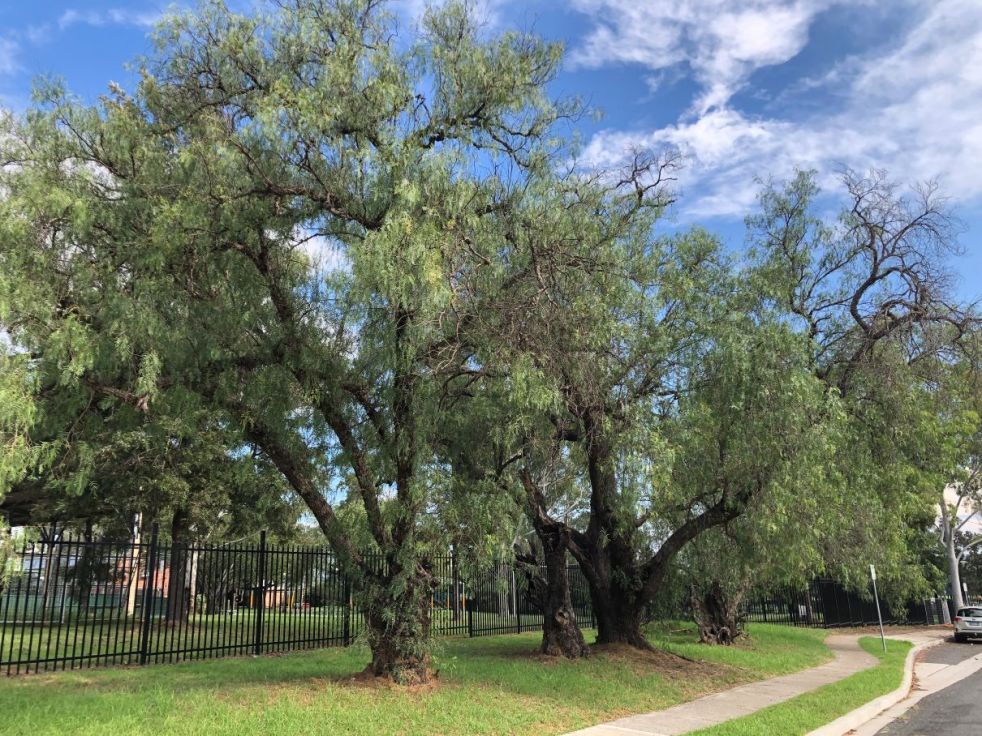
In the 1890s, Camden Municipal Council started beautifying the town area by planting various trees, including peppercorns. These cultural plantings defined the local urban landscape for decades, yet only a handful remain today.

20th century · Architecture · Argyle Street · Built heritag · Business History · Camden Story · Camden Town Centre · Colonial Camden · Cultural Heritage · Cultural icon · Heritage · History · Hotel History · Hume Highway · Lifestyle · Local History · Place making · Sense of place

The Plough and Harrow Hotel: an early colonial Camden inn

The Plough and Harrow Hotel is the second oldest pub in the Camden town centre and was built in the early 1850s. The hotel is still on its original site located on the former Great South Road, later the Hume Highway, now relocated.

1920s · 1930s · 1932 · 20th century · Adaptive Re-use · Aesthetics · Architecture · Argyle Street · Attachment to place · Belonging · Built heritag · Business History · Camden Story · Camden Town Centre · Collective Memory · Colonial Camden · Community identity · Cultural Heritage · Cultural icon · Design · Economy · Governor Macquarie · Historical consciousness · History · Interwar · Local History · Local Studies · localism · Macarthur region · Mid-century modernism · Modernism · Place making · Placemaking · Sense of place · Storytelling · Streetscapes · Town planning · Uncategorized · Urban growth · Urban history · Urbanism

 The former Bank of New South Wales building in the country town of Camden

In central Camden is an empty bank building of understated significance at the intersection of John and Argyle Streets. This building was the premises of Westpac, formerly the Bank of New South Wales, and was the second banking chamber on that site. Constructed in the 1930s by a prominent firm of local builders and designed by one of Sydney’s top award-winning architects. It is a building of much architectural merit, and few know its history. 

20th century · Adaptive Re-use · Aesthetics · Architecture · Attachment to place · Belonging · Burra Charter · Camden Story · Church History · Churches · Collective Memory · Commemoration · Community identity · Cultural Heritage · Elderslie · Families · Family history · Farming · First World War · Genealogy · Heritage · History · Living History · Local History · Local Studies · Memorial · Place making · Placemaking · Sense of place · St Mark's Church Elderslie · Urban development · Urban growth · Urbanism · Village · Wartime

St Mark’s Church Elderslie, the little church on the hill

St Mark's Church Elderslie tells the story of a small farming community that has disappeared through the mists of time. The history of St Mark’s church is the history of Elderslie, and the church was a special place of community celebrations and commemorations along with family celebrations, traditions, and events. The church has been a gathering place, a sacred site.

1920s · 20th century · Anzac · Convalescent Home · Convalescent hospital · Cultural Heritage · First World War · Heritage · Medical history · Military history · Patriotism · Picton · Red Cross · Sense of place · Shell Shock · Storytelling · Uncategorized · VAD · Voluntary Aid Detachment · Volunteering · Volunteerism · War · War at home · Wartime · World War One

Waley Convalescent Home at Mowbray Park

In 1919 Mowbray Park, five kilometres west of Picton, was handed over to the Commonwealth Government to be converted to a convalescent home for invalided soldiers from the First World War. The home was called Waley after its philanthropic benefactors. 

20th century · Agriculture · Argyle Street · Attachment to place · Belonging · Camden Festivals · Camden Regional Economic Taskforce · Camden Story · Camden Town Centre · Community identity · Cultural Heritage · Economy · Farming · Fergusons Australian Nurseries · Festivals · Gardening · Heritage · History · Jacaranda · Landscape · Landscape aesthetics · Local History · Local Studies · Macarthur · Memory · Newspapers · Nursery · Placemaking · Storytelling · Streetscapes · Tourism · Uncategorized

Camden’s Inaugural Jacaranda Festival Highlights

The 2018 Camden Jacaranda Festival, inspired by the local Jacaranda trees, was launched and featured live music, a Christmas tree lighting, and a street market. The festival evolved from the previous Light Up Camden festival and emphasized local history through walking tours. The inaugural event celebrated the area's rich botanical heritage.

20th century · Attachment to place · Belonging · Camden · Camden Story · Cultural Heritage · England · Families · Gender · Heritage · History · Leisure · Lifestyle · Living History · Local History · Local Studies · Memory · Sense of place · Storytelling · Tourism · Women's diaries · Women's history · Women's Writing

Local girls go to London

In the mid-20th century it was not unusual for local Camden women to travel overseas by ship. They were part of an exodus seeking adventure and new horizons. They wanted to see the world and they did. The story of one of these young women, Shirley Dunk and her best friend Beth Jackman, has been told in a recently published article in Anglica by the University of Warsaw.