
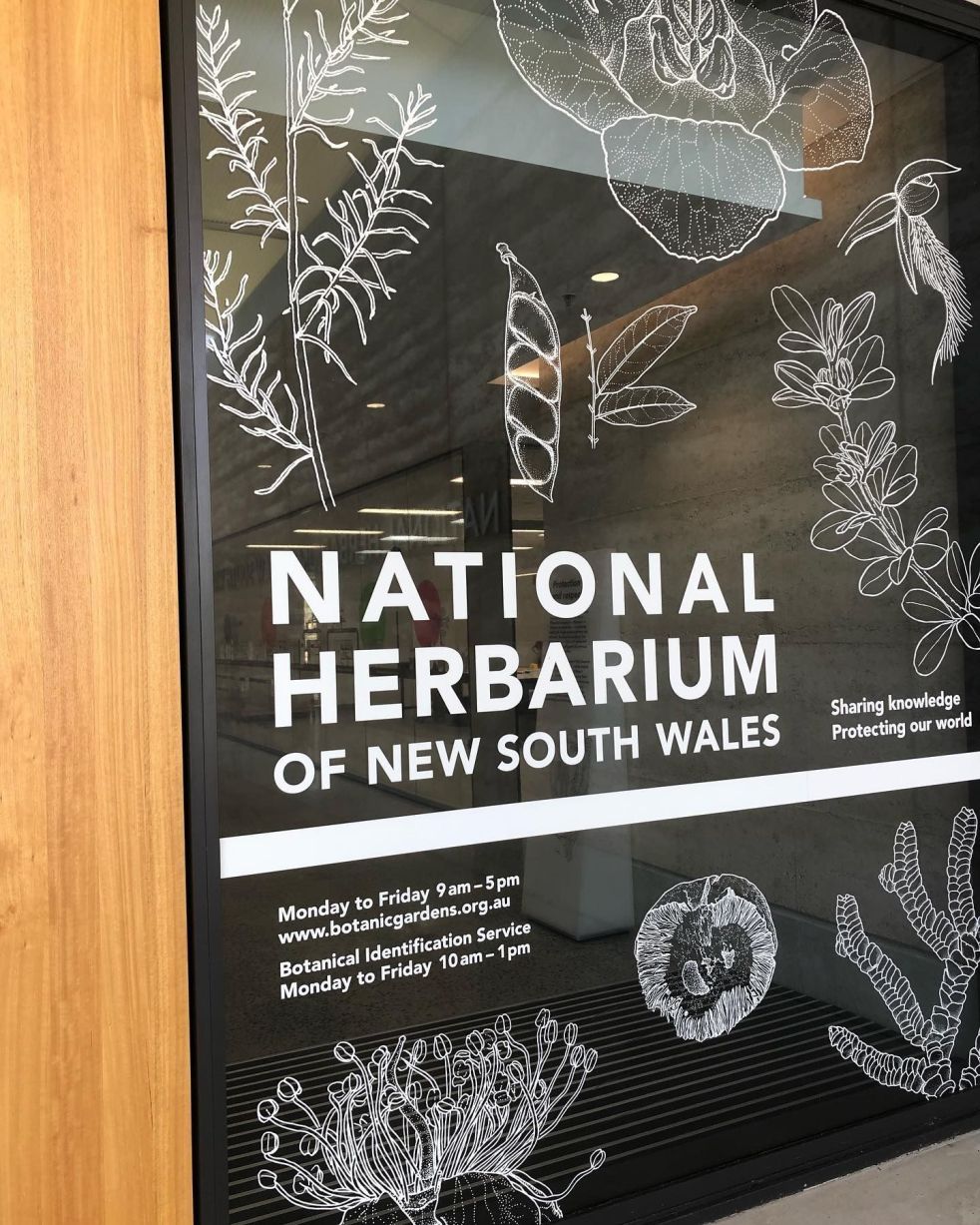
The National Herbarium of NSW at the Australian Botanic Garden Mount Annan has been awarded the AILA 2023 NSW AILA Awards in the Health and Education Category.
Category: Colonialism

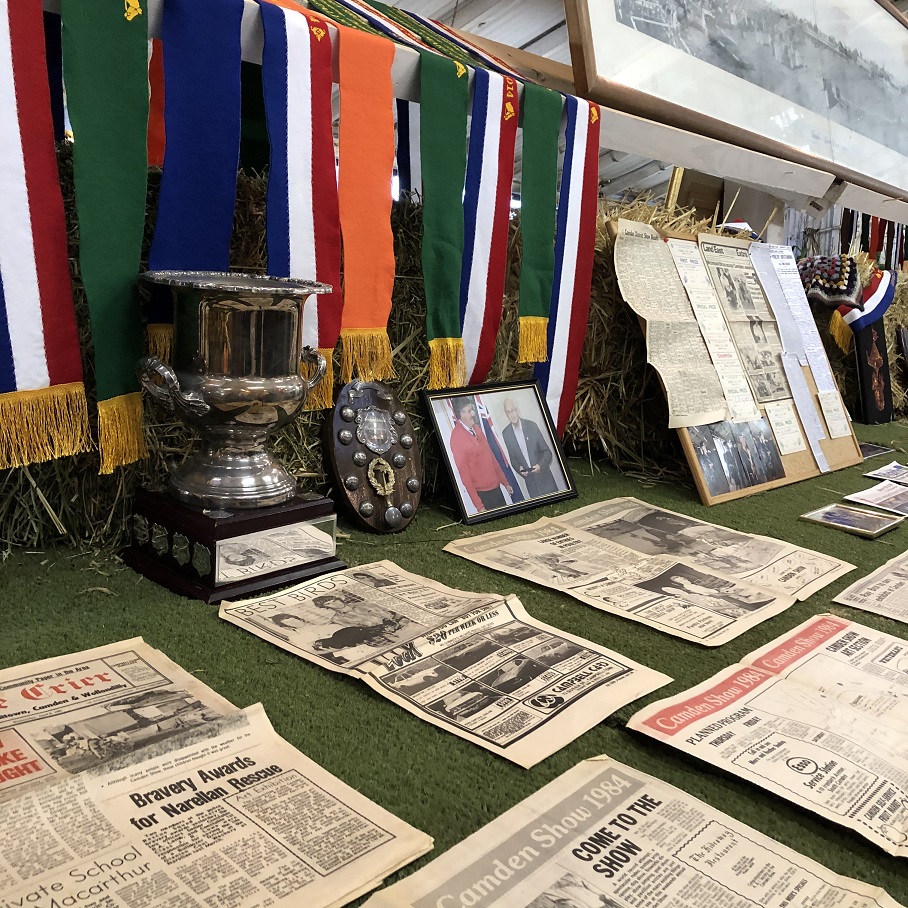
The Camden Story: the historiography of the history of the country town of Camden NSW
The history of telling the story of a small community has been interpreted in different ways at different times in the past by different historians. This area of study is called the historiography. I have recently published an article on the historiography of the small country town of Camden, NSW.
Share this:

Share this:

The Camden district, 1840-1973, a field of dreams
The Camden district was historically significant, serving as a social and economic center for over a century. It integrated farming, mining, and community life, shaped by Aboriginal heritage and European settlement. However, modern developments and infrastructural changes led to its decline, transitioning to a regional identity tied to Macarthur area governance and branding.
Share this:

Share this:
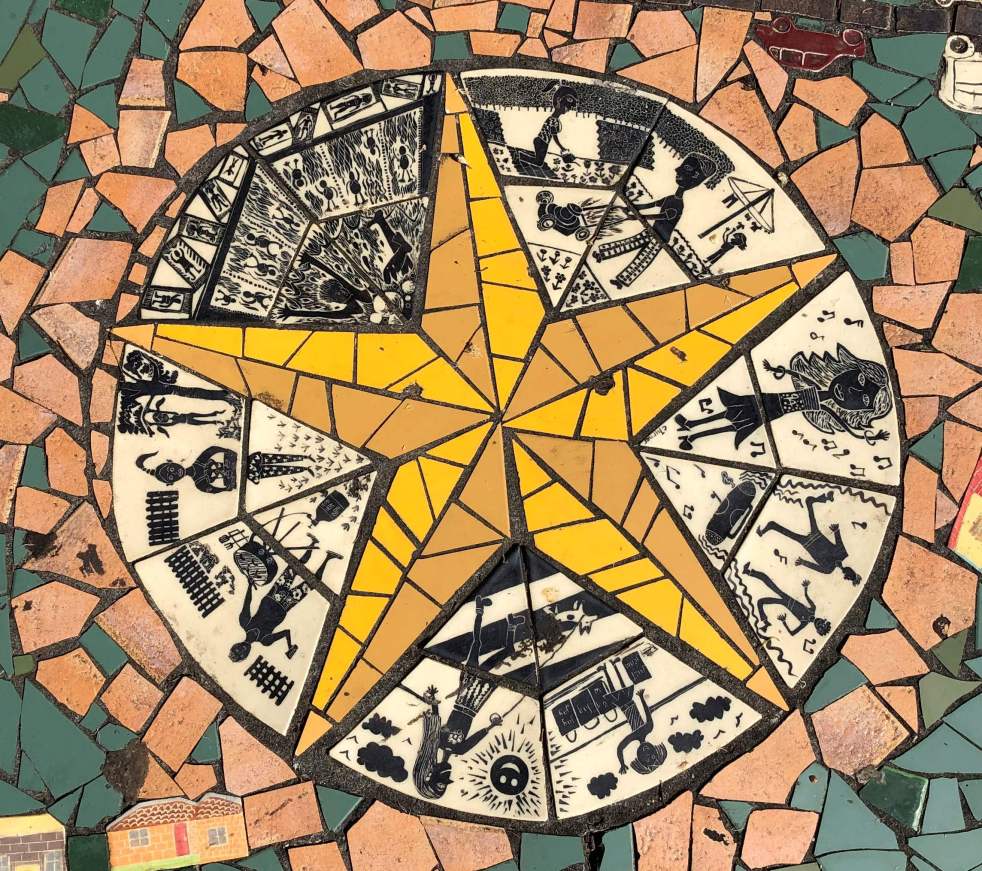
Narellan Community Mosaic Project: art in the park
The Narellan Community Mosaic Project was commissioned in 2005 by Camden Council with funding from the NSW Department of Planning. This artwork is one of number in Elyard Reserve in Narellan.
Share this:

Share this:

The Cowpastures Bicentennial, Governor Hunter and the Appin Massacre: the memory of the Cowpastures
I often wondered why the cultural material representative of the Cowpastures appeared to have been 'forgotten' by our community. The list of cultural items is quite an extensive include: roads and bridges, parks and reserves; historic sites, books, paintings, articles; conferences, seminars, and workshops; monuments, memorials and murals; community commemorations, celebrations and anniversaries.
Share this:

Share this:

Cowpastures’ memories in monuments, memorials and murals.
Many memorials and monuments across the Cowpastures landscape commemorate its history and sense of place, with a recent nostalgic turn focusing on the pioneers and European settlement. War memorials are a ubiquitous form of memorialization in the Macarthur region, and public art, historical sites, and cultural heritage also play significant roles. These commemorations can be controversial, especially considering Australia's dark history, and evoke different memories for different people. Additionally, the landscape of the Cowpastures is interpreted in various ways, including as a colonial frontier, government reserve, and English-style landscape. Various memorials, artworks, and historic sites dot the region, contributing to its identity and history.
Share this:

Share this:
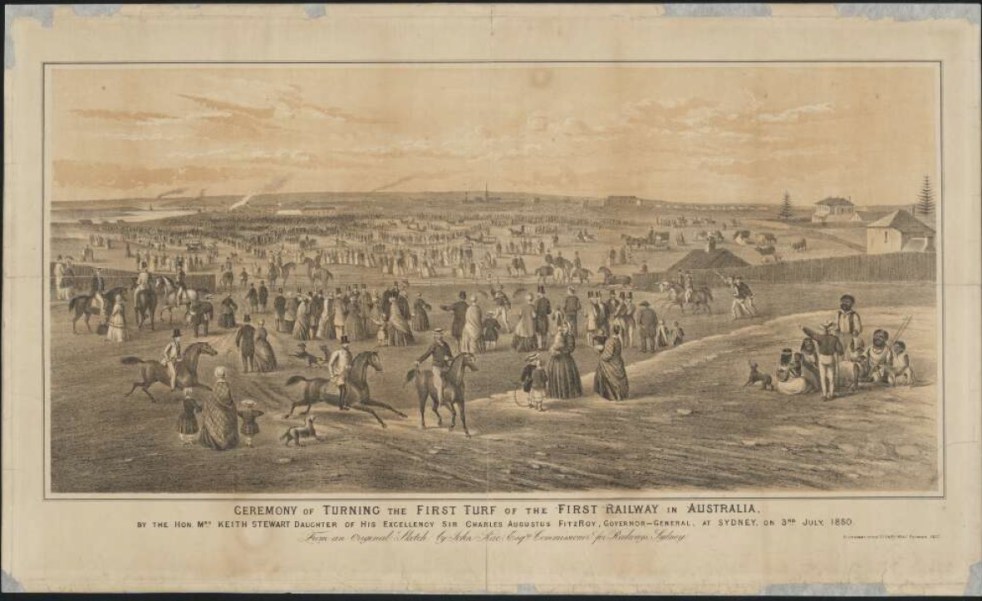
A Camden connection to the first railway line in New South Wales
26 September 1855 A forgotten anniversary of Sydney’s Central Railway Station On 26 September 1855, the first train left the Sydney terminus, a ‘tin shed’, with great pomp and ceremony and thus began the great railways of New South Wales. The ‘tin shed’ was replaced by two further buildings, one opened in 1874, and the current grand Victorian edifice of brick and sandstone in 1906.
Share this:

Share this:
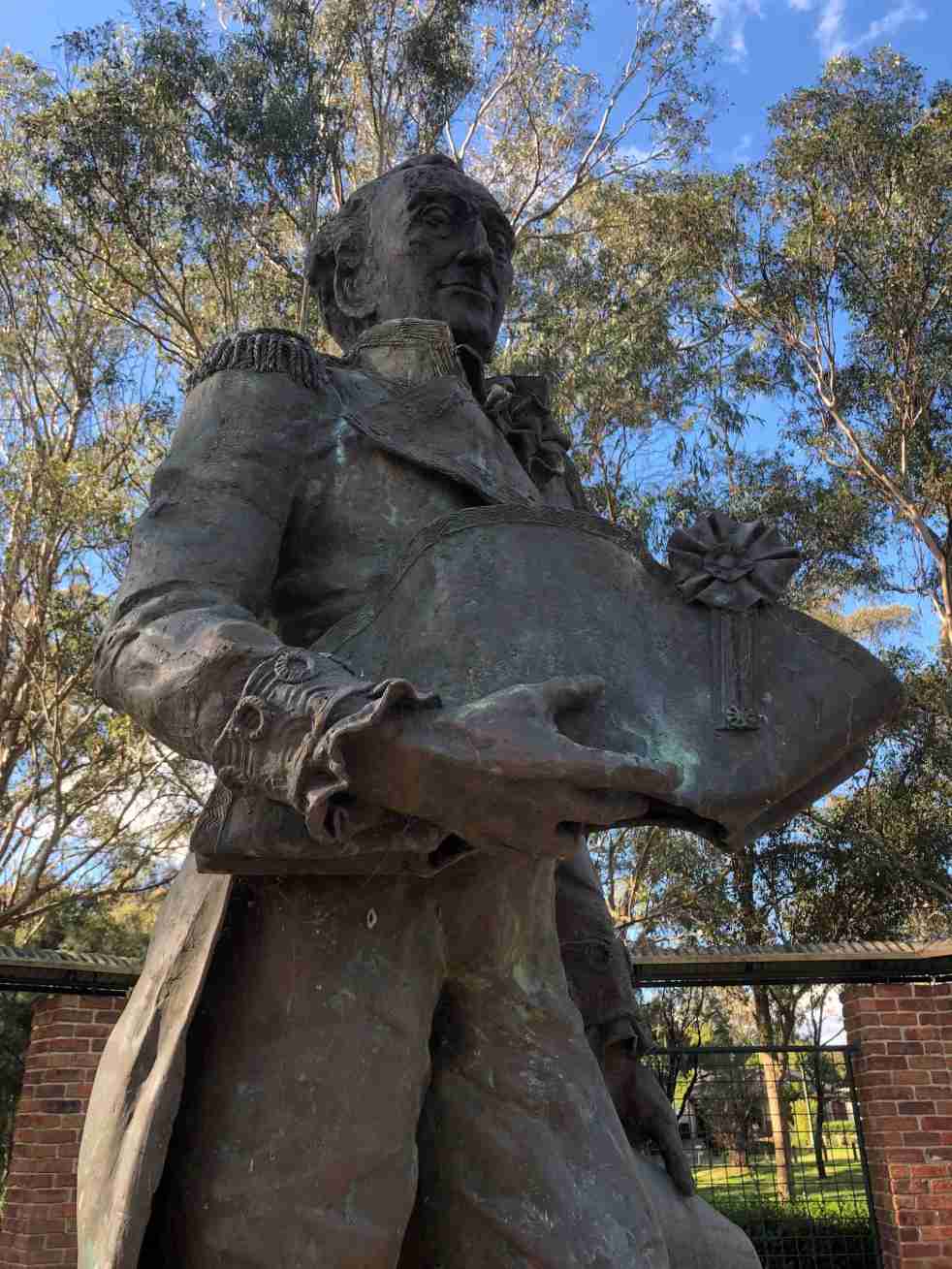
Governor Hunter, a Cowpastures memorial at Mount Annan
The statue of Governor Hunter in the Governors Green Park at Mount Annan is another celebration of the history of the Cowpastures.
Share this:

Share this:
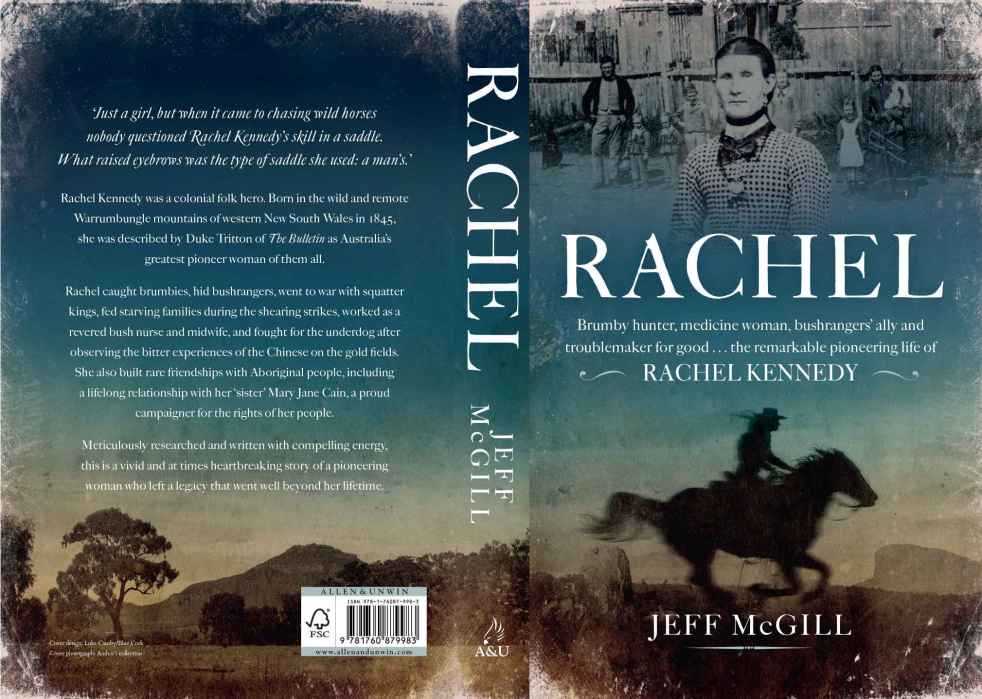
Rachel, a great yarn of the bush from colonial New South Wales
Jeff McGill's Rachel is a ripping yarn about the colonial frontier and the role of women in colonial New South Wales.
Share this:

Share this:
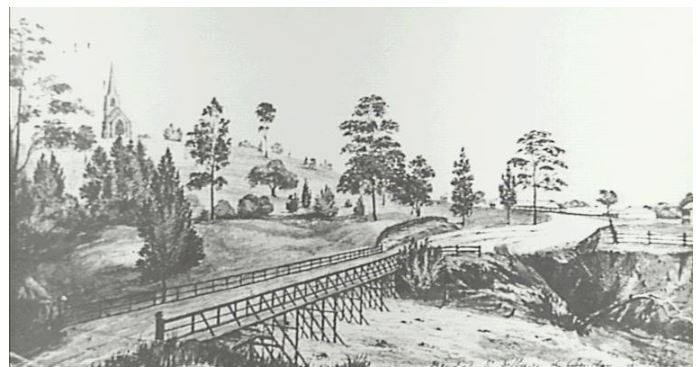
The Cowpastures’ English-styled gentry and their private villages and land grants
The Cowpastures gentry, a self-proclaimed English aristocracy, resided on expansive estates while engaging in business and politics across the British Empire. By the late 1820s, they had transformed the landscape to resemble the English countryside. Various types of people, including convicts and freemen, also inhabited the area.

