Agricultural heritage · Agriculture · Agriculture history · Business · Business History · Camden · Camden Story · Campbelltown · Colonial Camden · Colonialism · Community identity · Cowpastures · Cultural Heritage · Cultural icon · Cultural plantings · Economy · England · Family history · Farming · Fergusons Australian Nurseries · Gardening · Heritage · Horticulture · Landscape · Landscape aesthetics · Local History · Local Studies · Memory · Nepean River · Nursery · Place making · Plant Nursery · Sense of place · Storytelling · Trees · Uncategorized · Urban growth · Urban history

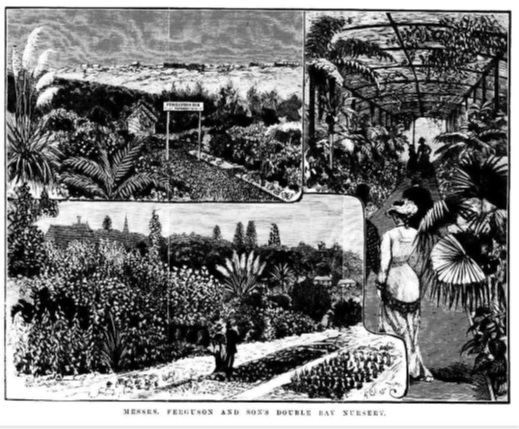
Ferguson’s Australian Nurseries, a century of horticulture

Ferguson's Australian Nursery was part of the horticulture industry in the Camden area for over 100 years. Francis Ferguson established a nursery opposite Macquarie Grove on the Nepean River.

Agriculture · Art · Attachment to place · Belonging · Camden Story · Colonialism · Cowpastures · Cultural Heritage · Cultural icon · History · Landscape · Local History · Memorial · Memorials · Monuments · Oran Park · Parks · Place making · Placemaking · Public art · Settler colonialism · Settler Society · Storytelling · Tourism

Cowpastures memorial, Oran Park

The story of the Cowpastures can be told in many ways including through public art. At Oran Park an art installation of a herd of bronze cows is one approach to storytelling.

Aesthetics · Art · Attachment to place · Colonial frontier · Colonialism · Cowpastures · Cultural Heritage · Dharawal · Farming · Frontier violence · Harrington Park · Heritage · History · Landscape · Living History · Local History · Macarthur · Memorial · Memory · Monuments · Place making · Placemaking · Sense of place · Storytelling · Urban development · Urban growth · Wayfinding

Cowpastures: artwork at Harrington Park Lake

The public art installation called 'Cowpastures' at Harrington Park Lakeside walkway is an example of wayfinding, placemaking, memorialisation and urban development.

Agricultural heritage · Art · Colonial frontier · Colonialism · Cowpastures · Cultural Heritage · Dharawal · Education · Frontier violence · Heritage · History · Local History · Local Studies · Memorials · Memory · Monuments · Picton · Pioneers · Place making · Public art · Schools · Sculpture · Settler colonialism · Storytelling

Cowpastures Memorial, Picton

The Picton Cowpastures Memorial mural is the first memorial to the historic Cowpastures and its Wild Cattle in the Macarthur region.

Aesthetics · Agricultural heritage · Agriculture · Argyle Street · Attachment to place · Built heritag · Camden · Camden Airfield · Camden Show · Camden Story · Camden Town Centre · Churches · Cobbitty · Colonial Camden · Colonialism · Community identity · Country town · Cultural and Heritage Tourism · Cultural Heritage · Cumberland Plain · Farming · Floods · Heritage · History · Landscape · Living History · Local History · Local Studies · Macarthur Park · Onslow Park · Place making · Placemaking · Railway · Sense of place · Storytelling · Tourism

Camden, the best preserved country town on the Cumberland Plain

The historic town of Camden is hailed by architect Hector Abrahams as the best-preserved country town on the Cumberland Plain. Established in 1840, it offers a glimpse of Victorian and early 20th-century charm. Visitors can explore its heritage precinct, rural landscapes, historic villages, and even relive the town's aviation history.

1920s · Architecture · Attachment to place · Camden Park House and Garden · Camden Story · Carpentry · Colonial Camden · Colonial frontier · Colonialism · Cowpastures · Craft · Cultural Heritage · Cultural icon · Economy · Engineering Heritage · Farming · Heritage · History · Industrial Heritage · Lifestyle · Local History · Local Studies · Lost trades · Memory · Modernism · Pioneers · Place making · Ruralism · Sense of place · Settler colonialism · Stereotypes · Storytelling · Traditional Trades

Traditional trades, the legacy of Camden’s carpenters

Carpentry, vital in Camden for centuries, began with Aboriginal bush carpentry using local materials for survival. European settlers adopted this craft, creating simple structures and relying on ingenuity. Formal carpentry evolved with guilds and apprenticeships, maintaining traditional techniques and tools, shaping Camden's architectural landscape with lasting quality.

1920s · 1973 New Cities Campbelltown Camden Appin Structure Plan · Aesthetics · Agriculture · Attachment to place · Belonging · British colonialism · Camden · Camden Council · Camden Story · Camden Town Centre · Cobbitty · Colonial Camden · Colonial frontier · Colonialism · Community identity · Cowpastures · Cultural Heritage · Cultural icon · Curtilage · Denbigh · Dharawal · Economy · Edwardian · England · Farming · Frontier violence · Georgian · Gothic · Governor Macquarie · Heritage · Historical consciousness · Historical Research · Historical thinking · History · Interwar · Landscape · Landscape aesthetics · Living History · Local History · Local Studies · Macarthur · Memory · Menangle · Modernism · Place making · Ruralism · Sense of place · Settler colonialism · Storytelling · Town planning · Urban growth · Urban Planning · Victorian

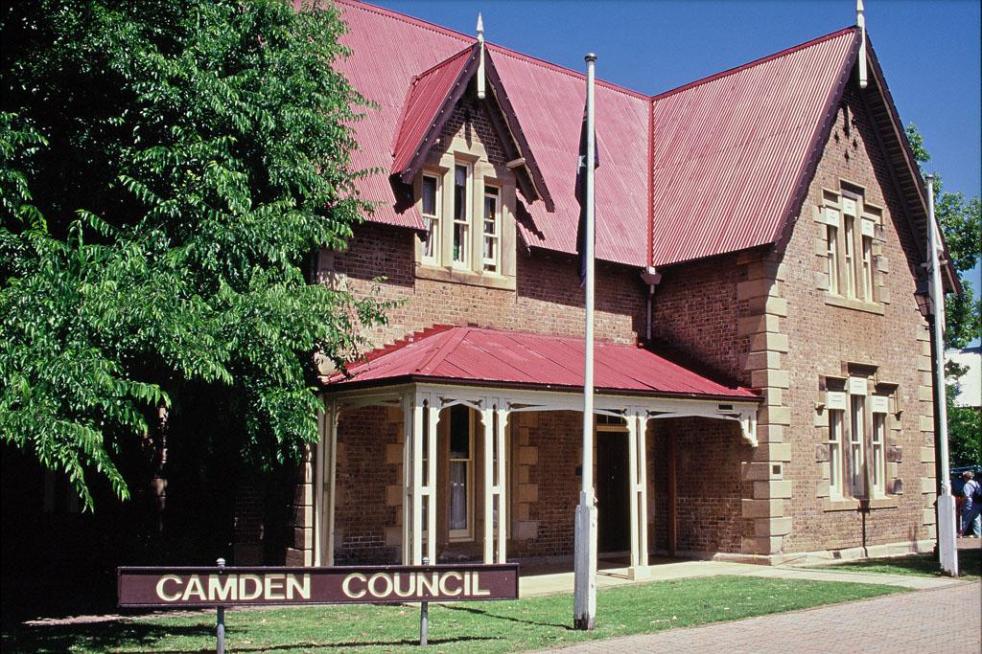
Camden Heritage Conservation Area – an English-style village in the Cowpastures

The Macarthur private village of Camden was located in the English style countryside of the Cowpastures countryside with its gentry estates and villages. Founded in 1840 it was all part the British imperial imperative and the settler colonial project that came with it.

Adaptive Re-use · Architecture · Attachment to place · Australia · Belonging · British colonialism · Camden · Camden Historical Society · Colonial Camden · Colonial frontier · Colonialism · Community identity · Convicts · Cultural Heritage · Cultural icon · Elderslie · England · Farming · Georgian · Governor Macquarie · Heritage · Historical consciousness · History · History of a house · House history · Landscape · Living History · Local History · Local Studies · Macarthur · Memorials · Memory · Myths · Place making · Sense of place · Settler colonialism · Storytelling · Tourism · Travel

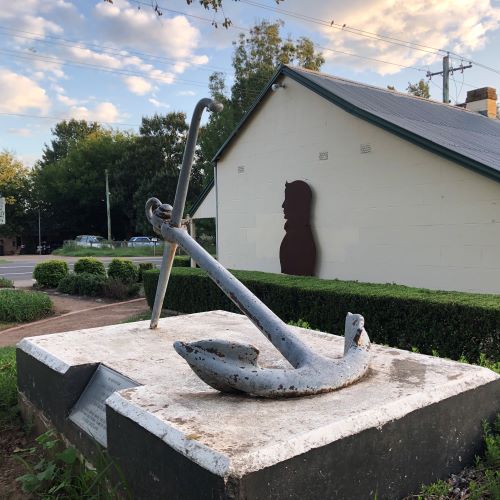
John Oxley’s anchor lost for 34 years

New evidence has emerged challenging previous conclusions about the John Oxley Memorial anchor in Camden. The anchor, a memorial from the British naval authorities, was lost for 34 years before being relocated for public access. John Oxley, an important colonial figure, has multiple commemorations in New South Wales related to his historical significance.

1920s · Adaptive Re-use · Aesthetics · Architecture · Attachment to place · Belonging · Business · Camden · Colonial Camden · Colonialism · Community identity · Cultural Heritage · Cultural icon · Economy · Edwardian · Elderslie · Fashion · First World War · Heritage · Historical consciousness · Historical Research · History · Interwar · Lifestyle · Living History · Local History · Local Studies · Macarthur · Memory · Modernism · Myths · Narellan · Place making · Ruralism · Sense of place · Storytelling · Streetscapes · Tourism · Urban growth · Urban Planning · Urbanism · Victorian · War

The Camden cottage

The Camden cottage is an Edwardian housing style typical of the early 20th century.

Aesthetics · Attachment to place · Belonging · Cafes · Colonialism · Community identity · Cultural Heritage · Cultural icon · Heritage · Historical consciousness · Historical Research · Historical thinking · History · Lifestyle · Living History · Local History · Local Studies · Memorials · Monuments · Myths · Place making · Second World War · Sense of place · Stereotypes · Storytelling · Streetscapes · Tourism · War

Reflections of a travelling scholar

Reflections of historian Ian Willis after attending the 2019 RANZ at the University of Warsaw Poland