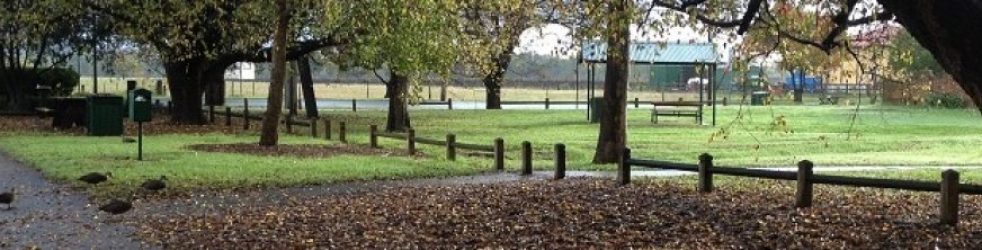

St Mark's Church Elderslie tells the story of a small farming community that has disappeared through the mists of time. The history of St Mark’s church is the history of Elderslie, and the church was a special place of community celebrations and commemorations along with family celebrations, traditions, and events. The church has been a gathering place, a sacred site.
Category: Heritage


Camden, a Macarthur family venture
The establishment of Camden, New South Wales, the town in 1840, was a private venture of James and William Macarthur, sons of colonial patriarch John Macarthur, at the Nepean River crossing on the northern edge of the family’s pastoral property of Camden Park. The town’s site was enclosed on three sides by a sweeping bend in the Nepean River and has regularly flooded the surrounding farmland and lower parts of the town.
Share this:

Share this:

Oran Park Library: public art celebrates the ghosts of motor racing
The Oran Park library has a number of public artworks that commemorate the former Oran Park motorway that was on the site. These wonderful public art installations celebrate the memories of the Oran Park Raceway which closed in 2010.
Share this:

Share this:

Cowpastures’ memories in monuments, memorials and murals.
Many memorials and monuments across the Cowpastures landscape commemorate its history and sense of place, with a recent nostalgic turn focusing on the pioneers and European settlement. War memorials are a ubiquitous form of memorialization in the Macarthur region, and public art, historical sites, and cultural heritage also play significant roles. These commemorations can be controversial, especially considering Australia's dark history, and evoke different memories for different people. Additionally, the landscape of the Cowpastures is interpreted in various ways, including as a colonial frontier, government reserve, and English-style landscape. Various memorials, artworks, and historic sites dot the region, contributing to its identity and history.
Share this:

Share this:
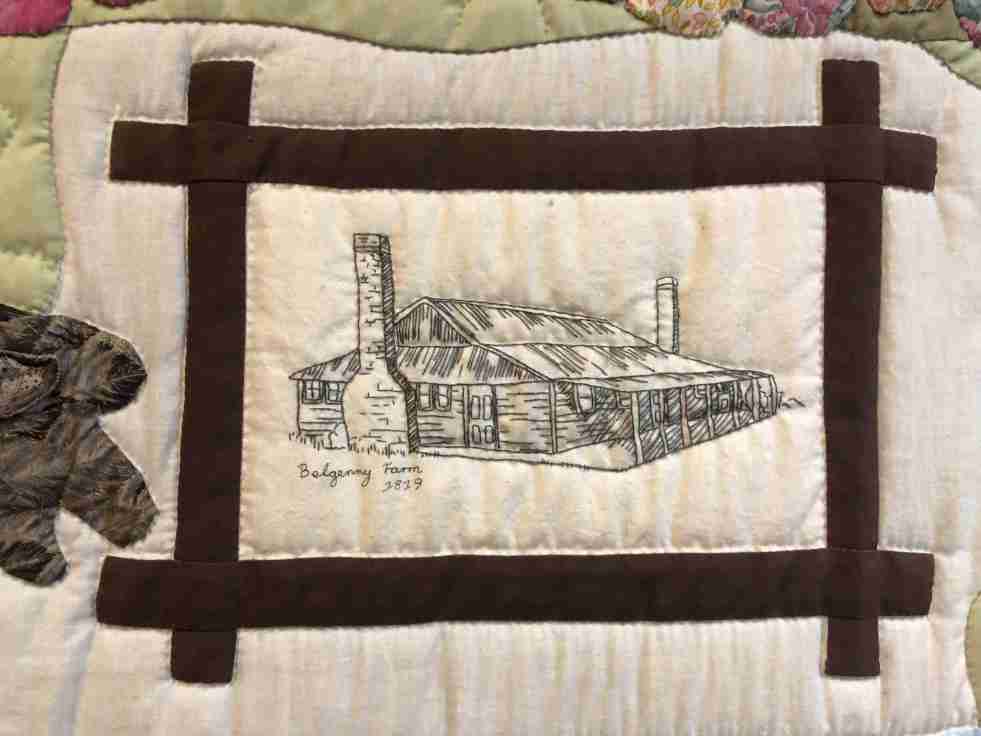
A Cowpastures memorial quilt
Hanging on the wall in the Camden Library is a quilt, but no ordinary quilt. It is a hand-made quilt that had previously hung in the foyer of the Camden Civic Centre for many years. The quilt celebrated the Cowpastures Bicentenary (1995) and was made by members of the Camden Country Quilters Guild.
Share this:

Share this:
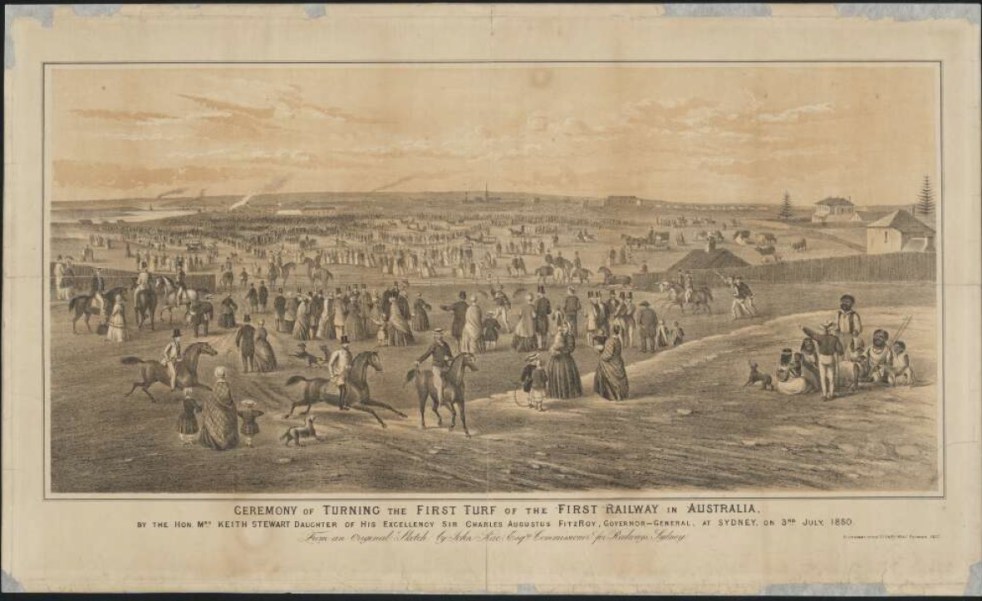
A Camden connection to the first railway line in New South Wales
26 September 1855 A forgotten anniversary of Sydney’s Central Railway Station On 26 September 1855, the first train left the Sydney terminus, a ‘tin shed’, with great pomp and ceremony and thus began the great railways of New South Wales. The ‘tin shed’ was replaced by two further buildings, one opened in 1874, and the current grand Victorian edifice of brick and sandstone in 1906.
Share this:

Share this:

Cowpastures Memorial at Narellan
In the plaza outside Narellan Library there is an item public art called the Cowpasture Story.
Share this:

Share this:
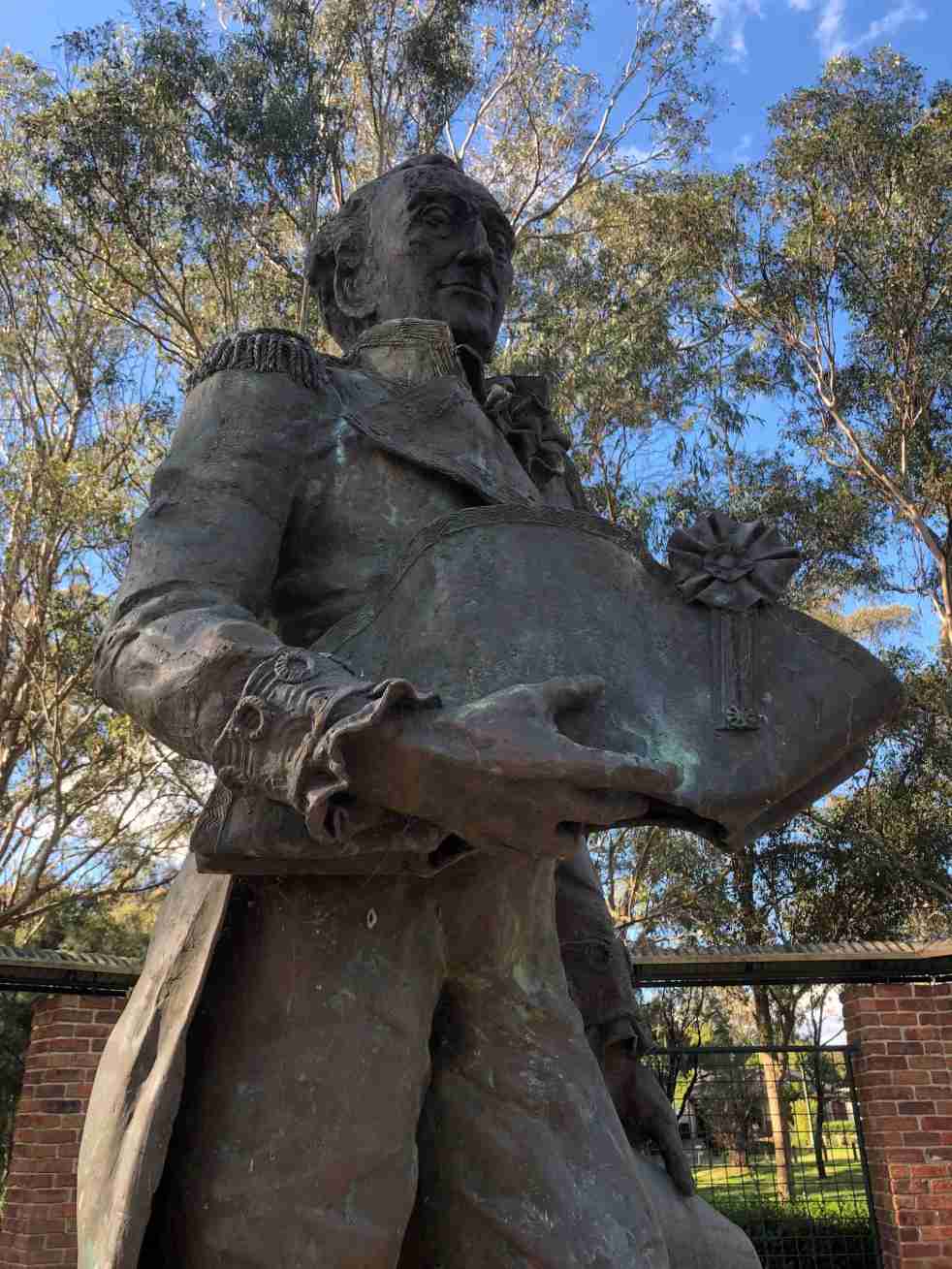
Governor Hunter, a Cowpastures memorial at Mount Annan
The statue of Governor Hunter in the Governors Green Park at Mount Annan is another celebration of the history of the Cowpastures.
Share this:

Share this:
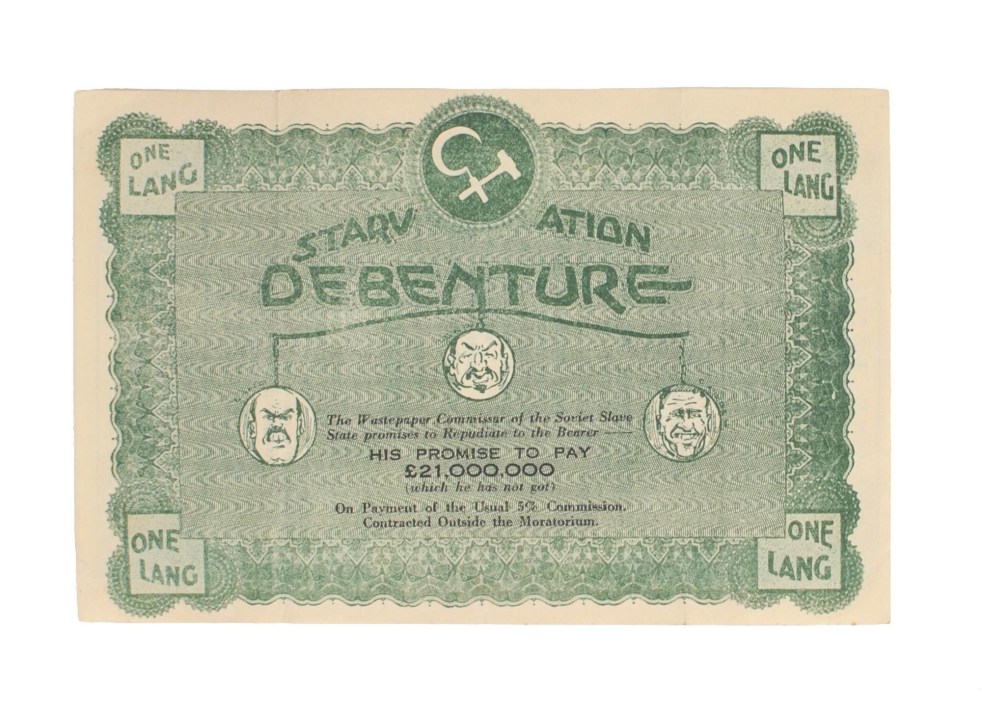
Political propaganda in 1932
The Starvation Debenture produced by the United Country Party is an example of political advertising from the 1932 New South Wales election.
Share this:

Share this:
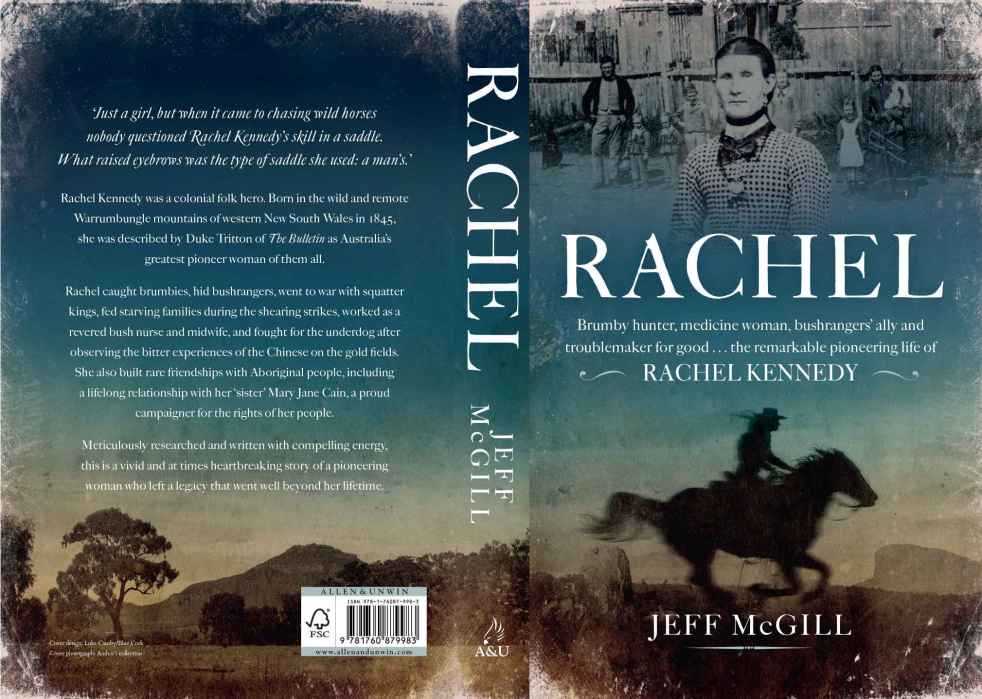
Rachel, a great yarn of the bush from colonial New South Wales
Jeff McGill's Rachel is a ripping yarn about the colonial frontier and the role of women in colonial New South Wales.

