1920s · Agency · Attachment to place · Australia · Camden · Camden Museum · Camden Show · Camden Story · Collective Memory · Community identity · Cultural Heritage · Education · Entertainment · Fashion · Gender · Heritage · Historical consciousness · Historical Research · Historical thinking · History · Interwar · Leisure · Lifestyle · Living History · Local History · Local Studies · Macarthur · Memory · Modernism · Mysteries · Myths · Newspapers · Onslow Park · Place making · Placemaking · Schools · Sense of place · Social History · Storytelling · Trainee Teachers · Women's history

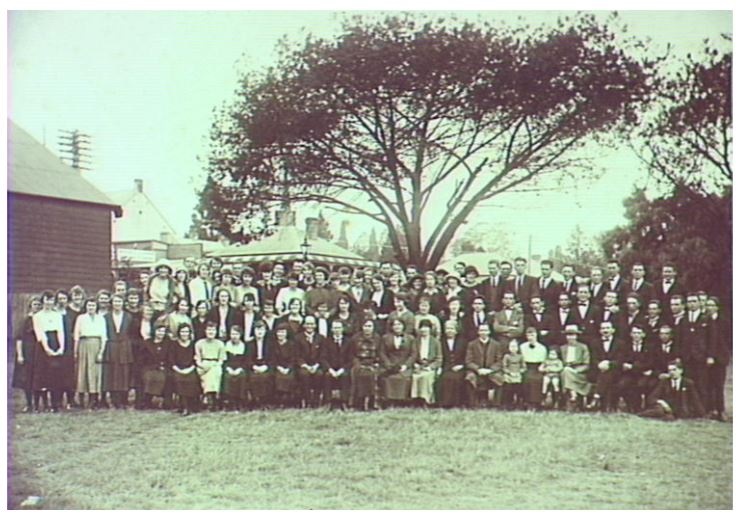
Camden Trainee Teachers Camp 1924: Unveiling a Mysterious Journey

In 1924, a group of trainee teachers from Sydney Teachers College visited Camden for practical training, sparking local curiosity. This visit was part of a tradition that began in 1921, providing hands-on experience in local schools. The program's success was notable, drawing attention from education authorities and the media, and leaving a lasting impact on the community.

Argyle Street · Attachment to place · Camden · Camden Hospital · Camden Story · Community building · Community identity · Community organisations · Cultural Heritage · Cultural icon · Entertainment · Farming · Festivals · Heritage · Historical consciousness · Historical Research · History · Leisure · Living History · Local History · Local newspapers · Memory · Modernism · Newspapers · Place making · Ruralism · Sense of place · Social History · Volunteering · Volunteerism

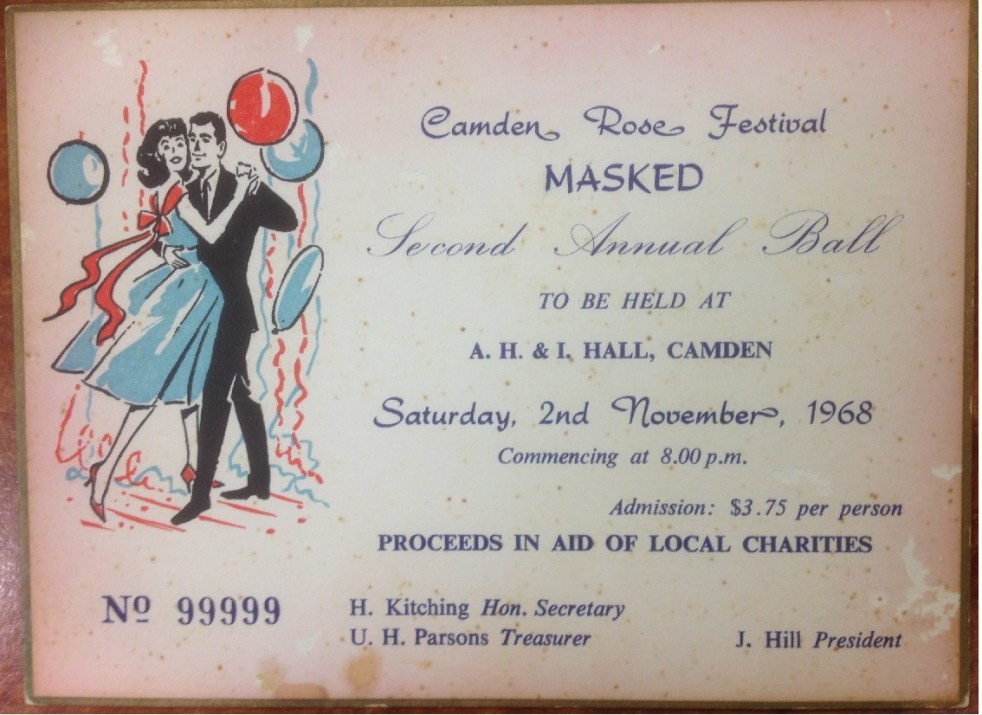
Camden Rose Festival 1968: history and festivities

The Camden Rose Festival, founded by JW Hill, celebrated the 1960s' prosperity and optimism. The festival included a street parade, wheelbarrow derby, art exhibition, and a masked ball. The event attracted significant community participation and raised funds for Camden District Hospital. The festival reflected the spirit of the post-war years and local community engagement.

Attachment to place · Belonging · Camden · Camden Museum · Camden Story · Collective Memory · Colonial Camden · Community identity · Cultural Heritage · Cultural icon · Economy · Education · Farming · Heritage · Historical consciousness · Historical Research · Historical thinking · History · Legends · Living History · Local History · Local Studies · Lost Camden · Macarthur · Memory · Modernism · Narellan · Place making · Placemaking · Railway · Railway history · Second World War · Sense of place · Stories · Storytelling · Tourism · Transport

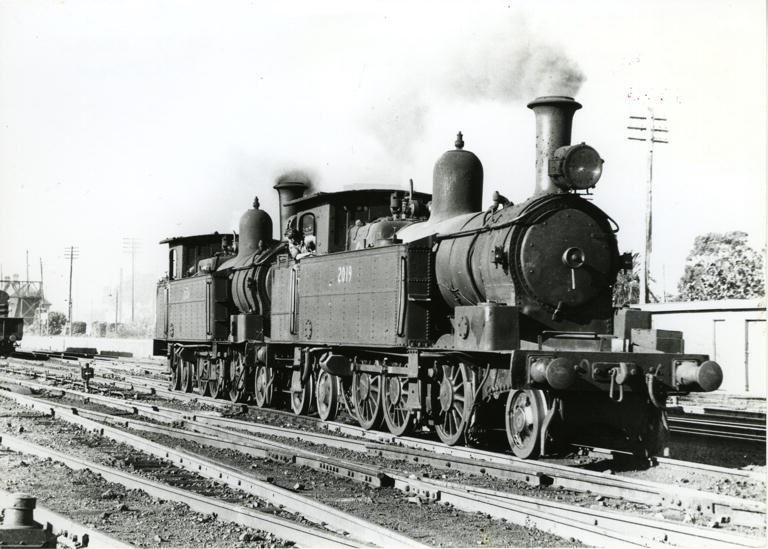
Exploring Camden’s Railway Heritage: Pansy and Its Timeless Stories

The Camden branch line, with its famous locomotive Pansy, holds a special place in the memories of locals and visitors. Operating from 1882 to 1963, it served as a lifeline for the community, transporting goods, passengers, and even wartime heroes. Despite its eventual closure, remnants of the line can still be seen today.

1968 Sydney Region Outline Plan · 1973 New Cities Campbelltown Camden Appin Structure Plan · Aesthetics · Airds · Architecture · Attachment to place · Campbelltown · Collective Memory · Community identity · Cultural Heritage · Cultural icon · Economy · Heritage · Historical consciousness · Historical Research · Historical thinking · History · Housing · Landscape · Lifestyle · Living History · Local History · Local Studies · localism · Lost Sydney · Macarthur · Macarthur Growth Centre · Malls · Memory · Mid-century modernism · Modernism · Myths · Place making · Placemaking · Retailing · rural-urban fringe · Sense of place · Shopping · Stereotypes · Storytelling · Streetscapes · Supermarkets · Sydney · Town planning · Urban Decay · Urban development · Urban growth · Urban history · Urban Planning · urban sprawl · Urbanism

Airds Shopping Mall demolition, the unmet expectations of mid-century modernism

The Airds shopping mall's future encapsulates the decline of mid-century modernism in the midst of urban neglect. Once a symbol of optimism, the area's decay reflects broader global trends in retail. From failed Radburn principles to public housing challenges, the mall's history mirrors the clash of modernism and neoliberalism in Campbelltown. Despite the despair former residents report that they recall happy memories and stories of hope growing up in the area.

1968 Sydney Region Outline Plan · 1973 New Cities Campbelltown Camden Appin Structure Plan · 20th century · Advertising · Business · Cafes · Camden · Camden Story · Cultural Heritage · Cultural icon · Drive-In Movies · Entertainment · Families · Family history · Film · Food · Heritage · History · Leisure · Lifestyle · Local History · Local Studies · Lost Camden · Lost Sydney · Memory · Modernism · Movies · Narellan · Narellan Gayline Drive-In Cinema · Narellan Story · Place making · Sense of place · Storytelling · Uncategorized · Urban Planning · urban sprawl

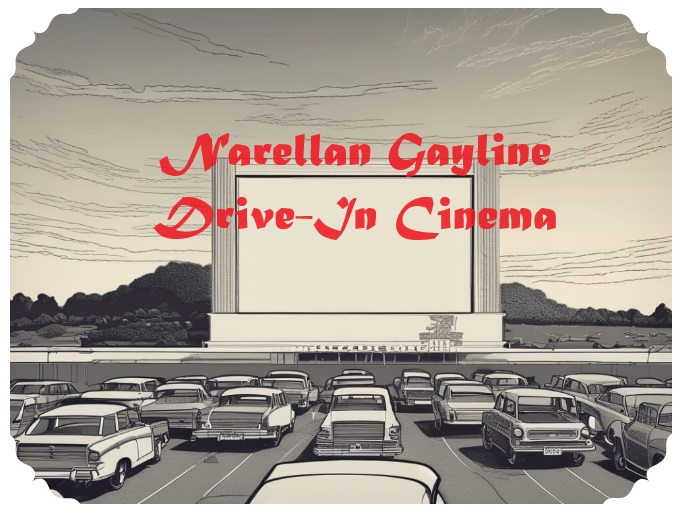
Narellan ‘Gayline’ Drive-In Movie Theatre, a touch of modernism

The Narellan Gayline Drive-In Movie Theatre in Camden was a defining feature of the local 1960s-1980s culture, offering a relaxed, family-friendly movie experience. The drive-in's success peaked in the early 1970s but eventually closed in 1990 due to changing lifestyles and real estate development. It provided a memorable experience for many local residents, offering a nostalgic look back at a bygone era.

1973 New Cities Campbelltown Camden Appin Structure Plan · 20th century · Adaptive Re-use · Adaptive Reuse · Architecture · Attachment to place · Camden Council · Camden Historical Society · Camden Modernism · Camden Museum · Community identity · Community organisations · Conservation · Heritage · Local History · Macaria · Modernism · Sense of place · Streetscapes · Uncategorized · Urban development · Urban growth · Urban history · Urban Planning

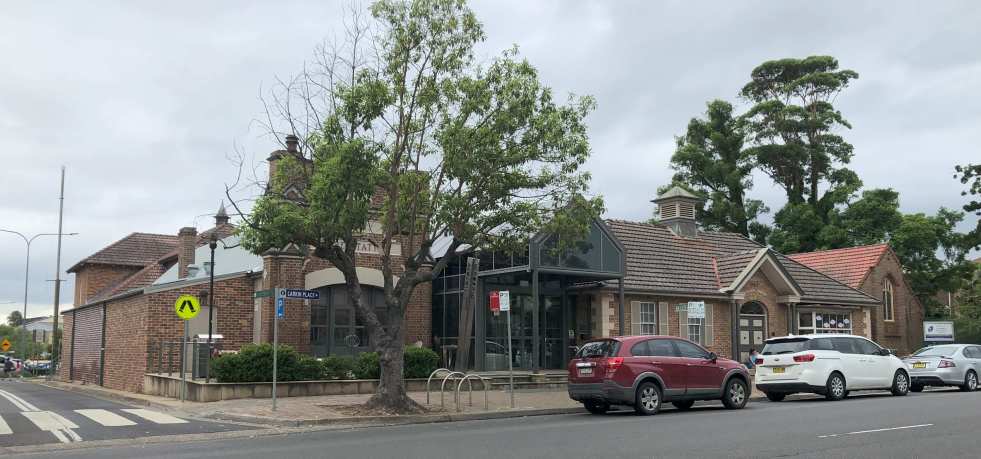
The Camden Library Museum, conservation through adaptative reuse

The Camden Library Museum, located at 40 John Street, has a rich history with numerous additions and occupants, including the Camden Council, Library, Fire Brigade, and Red Cross. The building's conservation through adaptation has retained its cultural significance as a heritage place. The former School of Arts and Temperance Hall have also played important roles in the building's evolution.

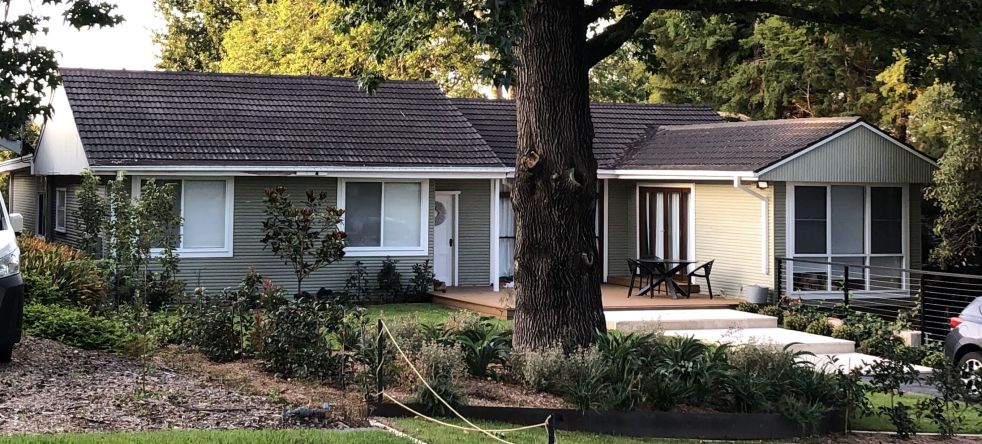
20th century · Architecture · Burragorang Valley · Camden Cottage · Camden High School · Camden Modern · Camden Modernism · Camden Story · Coal mining · Community identity · Heritage · History · History of a house · House history · Housing · Housing styles · Local History · Lost Camden · Mid-century modernism · Modernism · Placemaking · Sense of place · Social History · Uncategorized · Urban development · Urban growth · Urban history · Urban Planning · urban sprawl · Urbanism · USA

Types of Mid-Century Modernist Housing in Camden

This blog post discusses the types mid-century houses of the Camden NSW area that were built as part of the economic growth and development created by the Burragorang coalfields. These houses were built between the Second World War and the early 1970s, have a variety of residential architectural styles are located south of the town centre, in Elderslie and at Narellan.

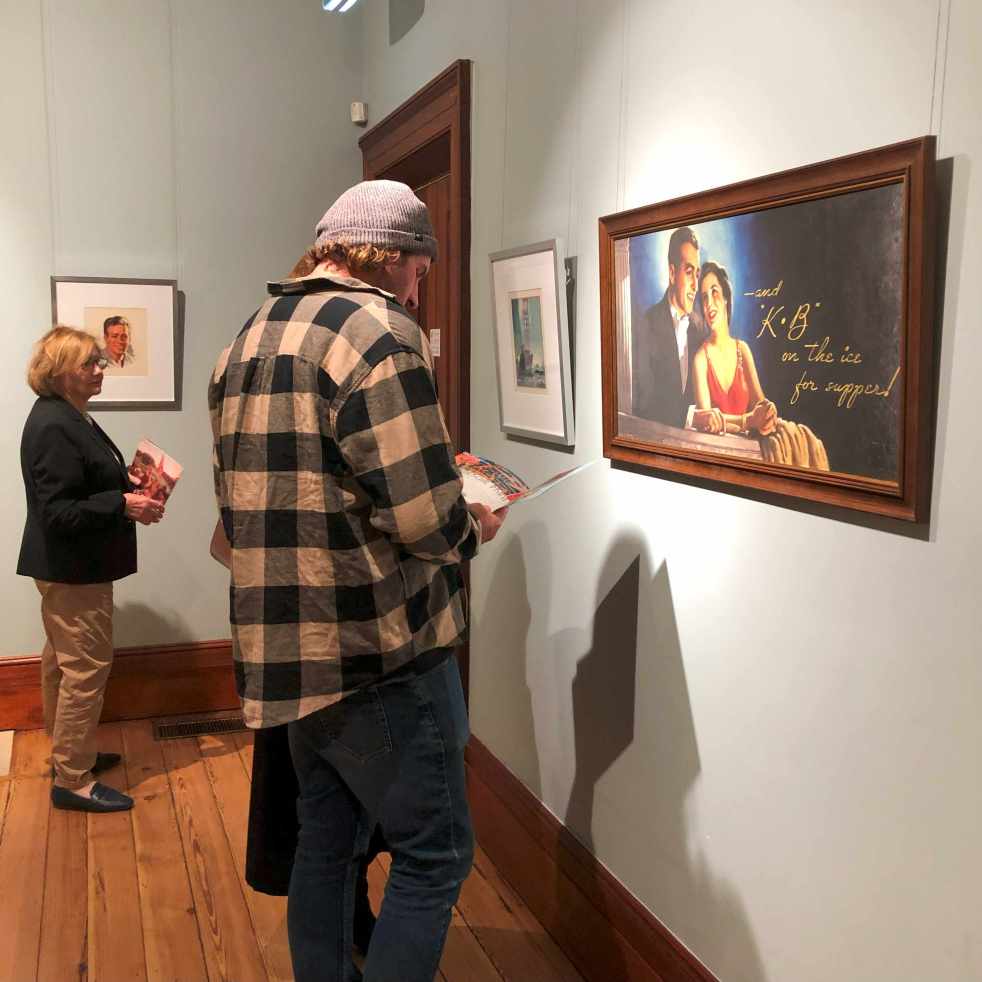
1920s · 1930s · 20th century · Aesthetics · Alan Baker Art Gallery Camden NSW · Art · Art Deco · Artists · Camden · Camden Story · Cultural Heritage · Heritage · Hotel History · Hotels · Interwar · Living History · Local History · Mid-century modernism · Modernism · Mural artwork · Murals · Place making · Poster Art · Public art · Storytelling · The Arts

‘Alan’s Art Deco’ exhibition at Macaria

Review: 'Alan’s Art Deco' Exhibition, Alan Baker Art Gallery, Macaria, 37 John Street, Camden. October 2023-April 2024. Interwar Art Deco style A new art exhibition at Camden’s Alan Baker Art Gallery highlights the modernity and cosmopolitanism of the interwar period in an exhibition of artist Alan D Baker called ‘Alan’s Art Deco’. The interwar period… Continue reading ‘Alan’s Art Deco’ exhibition at Macaria

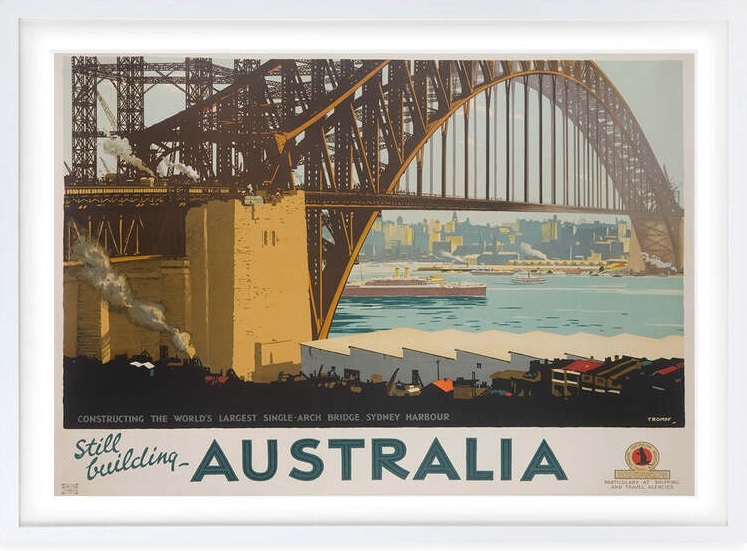
1920s · 1930s · 1932 · 20th century · Aesthetics · Bridges · Collective Memory · Commemoration · Community identity · Cultural and Heritage Tourism · Cultural Heritage · Engineering Heritage · Engineering History · Entertainment · Film · Heritage · History · Industrial Heritage · Interwar · JE Bradfield Engineer · Living History · Memory · Modernism · Monuments · Place making · Political history · Sense of place · Storytelling · Sydney · Sydney Harbour Bridge · Tourism · Transport · transport history · Uncategorized · Urban development · Urban growth · Urban history

The Sydney Harbour Bridge, an engineering marvel

The Sydney Harbour Bridge is an icon on the Sydney urban landscape. The bridge is an engineering marvel of modernism and the early 20th hope of a new nation.

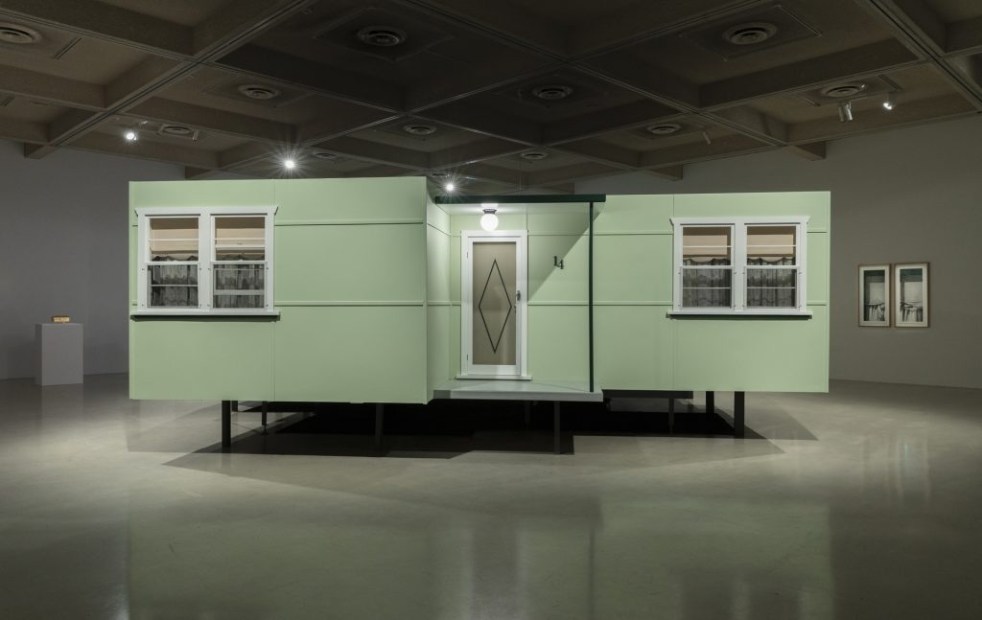
20th century · Aesthetics · Architecture · Attachment to place · Belonging · Biography · Built heritag · Camden Cottage · Camden Story · Campbelltown Art Centre · Campbelltown Mid-century modernism · Campbelltown Modern · Campbelltown Modernism · Collective Memory · Community identity · Cultural Heritage · Cultural icon · Domestic Architecture · Family history · History · History of a house · Hope and loss · House history · Housing · Housing styles · Lifestyle · Living History · Local History · Local Studies · Macarthur · Macarthur region · Memory · Mid-century modernism · Modernism · Peri-urban region · Placemaking · rural-urban fringe · Social History · Stereotypes · Storytelling · Symbolism · Urban development · Urban growth · Urban history · Urbanism

‘Fibro Majestic’: A Celebration of Mid-Century Housing at Campbelltown Arts Centre by Catherine O’Donnell

The "Fibro Majestic" exhibition at Campbelltown Arts Centre celebrates the historical significance of fibro housing in Australia, highlighting its role in post-war society. Artist Catherine O'Donnell's work reflects on the nostalgia, memories, and social contexts surrounding these humble structures, transforming perceptions of an architecture once deemed unattractive.