
19th Century · 20th century · Active citizenship · Agency · Artefacts · Blue Plaques · Business · Business History · Camden · Camden Modernism · Camden Story · Commemoration · Community identity · Craft · Crafts · Cultural icon · Dress history · Economy · Fashion · Fashion History · Handcraft · Heritage · History · History of a building · Industrial Heritage · Local History · Local Studies · Memorialisation · Nationalism · Place making · Placemaking · Red Cross · School of Arts · Second World War · Sense of place · Sewing · Sewing Machine · Social History · Stories · Storytelling · Volunteering · Volunteerism · War · War at home · Wartime · Women's agency · Women's stories · World War One · World War Two

Camden’s Treadle Sewing Machine: A Revolution in Women’s Agency

The Camden Museum's treadle sewing machine symbolizes the significant role of sewing in women's lives from the 19th century onwards. Sewing machines democratized work, enhancing womenโ€™s agency by saving time and allowing for business opportunities. Women contributed immensely to the war efforts through Red Cross circles, producing thousands of items during both World Wars.

Anzac · Attachment to place · Australia Day · Camden Red Cross · Camden Story · Collective Memory · Community Health · Community identity · Cultural Heritage · Festivals · First World War · Heritage · Historical consciousness · History · Local History · Local Studies · Macarthur · Medical history · Menangle Army Camp · Modernism · Myths · Narellan Military Camp · Philanthropy · Place making · Red Cross · Ruralism · Second World War · Sense of place · Storytelling · Volunteering · Volunteerism · War · War at home · Women's Writing

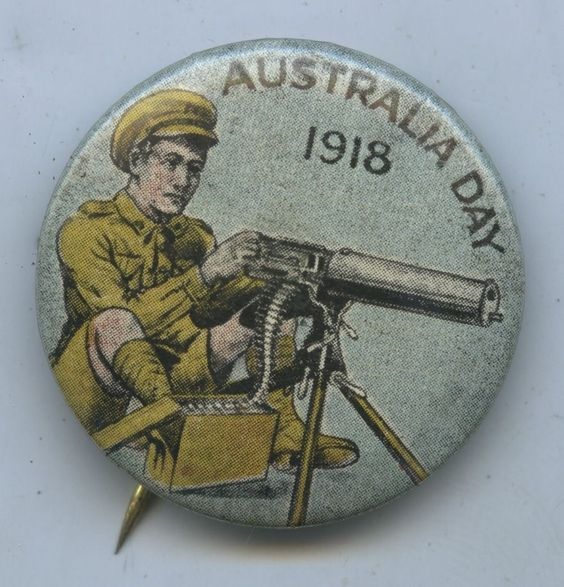
Australia Day 1918, Red Cross Fundraising Activities in Camden

Australia Day fundraisers in 1918 played a crucial role in supporting the war effort, with various activities such as selling badges, public subscriptions, prayer services, lectures, and door-knocks. The Camden Red Cross raised a significant amount, as did Menangle and Narellan branches. The total effort amounted to ยฃ748, a substantial sum for the time.

Active citizenship · Agency · Anzac · Australian Red Cross · British Red Cross · Camden Red Cross · Camden Story · Community Health · Community identity · Community organisations · Community work · Country town · Craft · Cultural Heritage · First World War · History · Interwar · Lady Helen Munro Ferguson · Local Studies · Lost Camden · Medical history · Medical Humanities · Military history · Nationalism · Not-for-profit · Nursing · Patriotism · Place making · Political history · Red Cross · Red Cross Humanitarianism · Red Cross Movement · Second World War · Sense of place · Small town · Social History · Stories · Storytelling · Trauma · VAD · Voluntary Aid Detachment · Volunteering · War · War at home · Wartime · Women's agency · Women's history · Women's stories · World War One

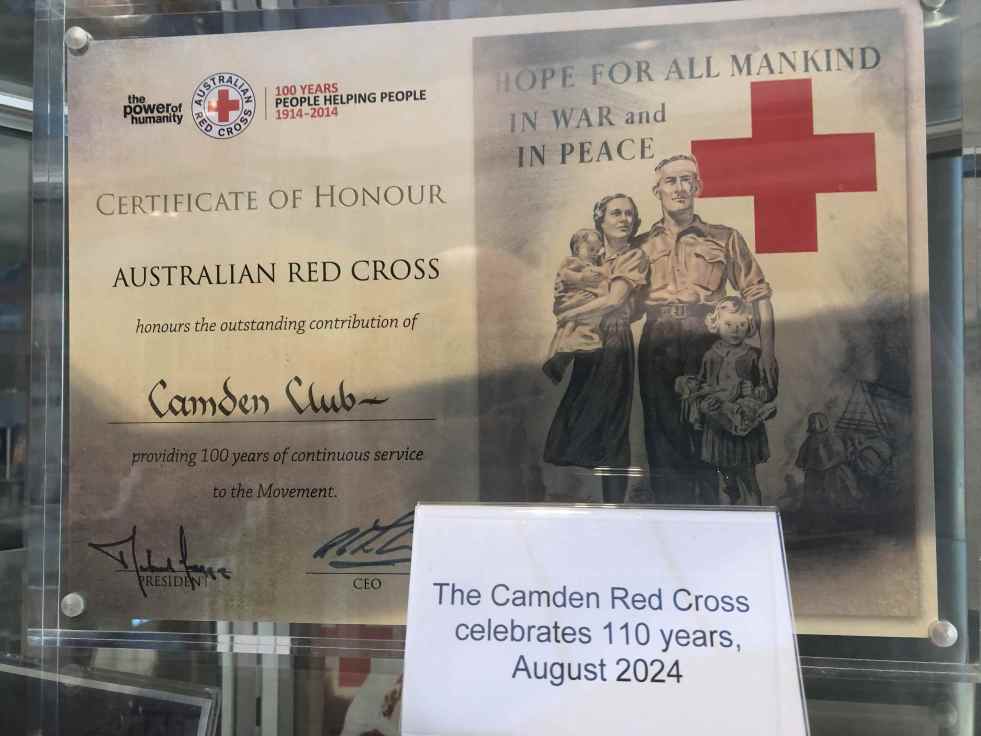
Camden Red Cross 110 Years Display: Objects and Ephemera Exhibition 2024

The Camden Red Cross exhibition at Camden Library in August 2024 showcased the historical contributions of local women to the Red Cross during World Wars I and II. Women from the Camden district played a pivotal role in supporting soldiers and shaping the narrative of the Australian Red Cross, creating over 20,300 articles in 40,000 volunteer hours during WWI.

20th century · Active citizenship · British Heritage · British Red Cross · Collective Memory · Community identity · Cultural Heritage · First World War · Gender · Humanitarianism · Ideology of Motherhood · International Relief · Lady Helen Munro Ferguson · Living History · Medical history · Medical Humanities · Memory · Metaphor · Modernism · Motherhood · Nationalism · Propaganda · Red Cross · Red Cross Humanitarianism · Red Cross Movement · Second World War · Sense of place · Sewing · Small communities · Small town · Social History · Stories · Storytelling · Symbolism · Trauma · Voluntary Aid Detachment · Volunteering · Volunteerism · War · War at home · Wartime · Women's agency · Women's history · Women's stories · World War One

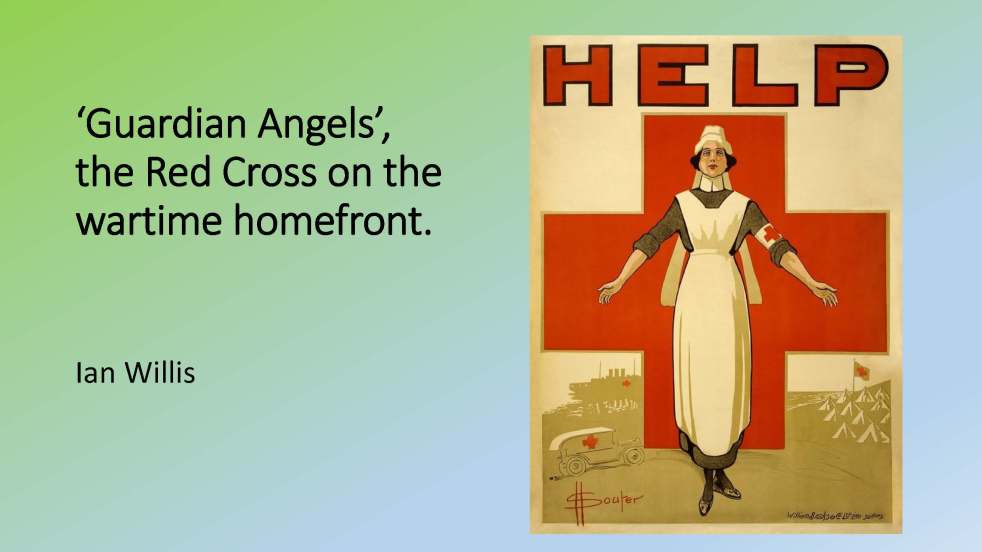
โ€˜Guardian Angelsโ€™, the Red Cross on the wartime homefront

During the First World War, Australian women independently joined the Red Cross to support the war effort. The Red Cross provided a space for women to express agency and contribute to the war through practical activities and fundraising. The organization's local branches established a sense of community and played a significant role in the homefront war effort.

Attachment to place · Belonging · Camden · Camden Museum · Camden Story · Collective Memory · Colonial Camden · Community identity · Cultural Heritage · Cultural icon · Economy · Education · Farming · Heritage · Historical consciousness · Historical Research · Historical thinking · History · Legends · Living History · Local History · Local Studies · Lost Camden · Macarthur · Memory · Modernism · Narellan · Place making · Placemaking · Railway · Railway history · Second World War · Sense of place · Stories · Storytelling · Tourism · Transport

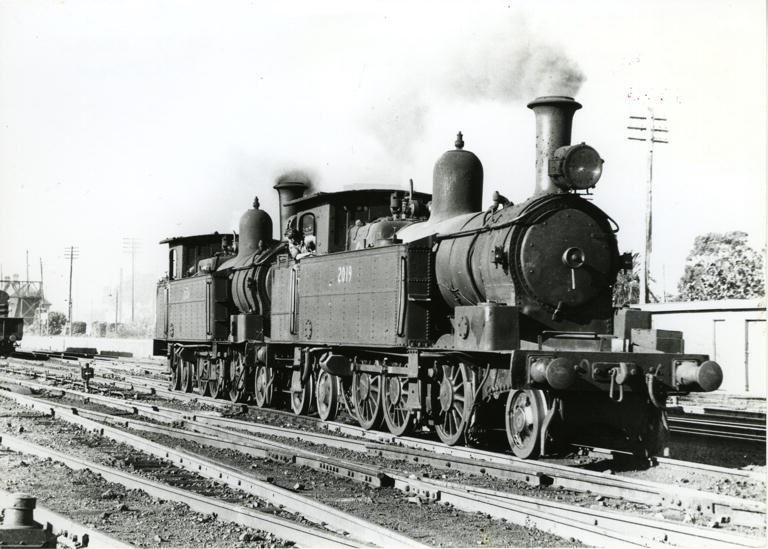
Exploring Camden’s Railway Heritage: Pansy and Its Timeless Stories

The Camden branch line, with its famous locomotive Pansy, holds a special place in the memories of locals and visitors. Operating from 1882 to 1963, it served as a lifeline for the community, transporting goods, passengers, and even wartime heroes. Despite its eventual closure, remnants of the line can still be seen today.

20th century · Anzac · Art · Attachment to place · Belonging · Camden Story · Craft · Crafts · Cultural Heritage · Cultural icon · Cultural plantings · Design · Family history · Festivals · History · History of Emotion · Living History · Local History · Local Studies · localism · Memorial · Memorialisation · Memorials · Memory · Metaphor · Military history · Modernism · Monuments · Patriotism · Place making · Propaganda · Second World War · Sense of place · Sewing · Stereotypes · Storytelling · Symbolism · Uncategorized · Volunteering · Volunteerism · War · War at home · Wartime · Women's diaries · Women's history · World War One

Red Flanders poppies, a field of memories

The red poppy carries a lot of symbolism in cultural mythologies from remembrance to sacrifices. The simple flower triggers outpouring of emotion, memories and commemorations on Anzac Day and Remembrance Day every year.

Attachment to place · Belonging · Blue Plaques · Camden Red Cross · Camden Story · Cultural Heritage · Cultural icon · First World War · Historical consciousness · History · Local History · Local Studies · Memorial · Memory · Military history · Myths · Philanthropy · Pioneers · Place making · Red Cross · Second World War · Sense of place · Storytelling · Volunteering · Volunteerism · War · War at home · Wartime · Women's history · World War One

Blue Plaque recognises Camden Red Cross sewing circle in wartime

The wartime efforts of Camden women have been recognised by the successful nomination for a New South Wales Blue Plaque with Heritage NSW. The women volunteered thousands of hours of their effort and skills to supply hospital requisites for soldiers at military hospitals.

1920s · 1930s · Architecture · Attachment to place · Built heritag · Business History · Collective Memory · Community Health · Cultural Heritage · Design · Edwardian · Film · Foresters Hall (former) · Heritage · History · Interwar · Leisure · Living History · Local History · Local Studies · Memory · Modernism · Movies · Narellan Military Camp · Placemaking · Second World War

The former Forestersโ€™ Hall, a marvellous Edwardian building

In Camden NSW the former Forestersโ€™ Hall occupies one of the most prominent sites in the Town Centre on Oxley Street and Argyle Street at 147 Argyle Street. On its opening in 1908, the hall was considered the best in New South Wales by the Order of Royal Foresters.

Argyle Street · Camden · Camden Council · Camden Historical Society · Camden Museum · Camden Red Cross · Camden Show · Churches · Coal mining · Colonial Camden · Country Women's Association · Cultural Heritage · Dairying · Elizabeth Macarthur · Farming · First World War · Floods · Heritage · History · Living History · Local History · Local newspapers · Local Studies · Macarthur · Macarthur Park · Nepean River · Philanthropy · Place making · Placemaking · Railway · Red Cross · Schools · Second World War · Sense of place · Settler colonialism · Settler Society · Silver mining · Storytelling · Sydney's rural-urban fringe · Uncategorized · Urban development · Urban growth · Urban Planning · urban sprawl · Urbanism · Volunteering · Volunteerism · Wartime · World War One

Camden, a Macarthur family venture

The establishment of Camden, New South Wales, the town in 1840, was a private venture of James and William Macarthur, sons of colonial patriarch John Macarthur, at the Nepean River crossing on the northern edge of the familyโ€™s pastoral property of Camden Park. The townโ€™s site was enclosed on three sides by a sweeping bend in the Nepean River and has regularly flooded the surrounding farmland and lower parts of the town.

Adaptive Re-use · Architecture · Built heritag · Business · Churches · Community identity · Cultural Heritage · Eastern Command Training School, Narellan, NSW · Heritage · History · History of a house · House history · Local History · Local Studies · Military history · Narellan · Place making · Placemaking · Schools · Second World War · Sense of place · Storytelling · Village

Narellan’s Built Heritage

The former colonial village of Narellan originally located in the Cowpastures has some fascinating surviving built heritage.