Adaptive Re-use · Aesthetics · Architecture · Attachment to place · Burra Charter · Business · Business History · Camden · Camden Town Centre · Collective Memory · Colonial Camden · Community identity · Country town · Cultural Heritage · Cultural icon · Economy · Edwardian · Entertainment · Family history · First World War · Heritage · Historical consciousness · Historical Research · History · Interwar · Living History · Local History · Local Studies · localism · Memory · Modernism · Place making · Placemaking · Retail history · Retailing · Ruralism · Sense of place · Shopping · Small communities · Stereotypes · Storytelling · Streetscapes · Tourism · Urban development · Urban growth · Victorian

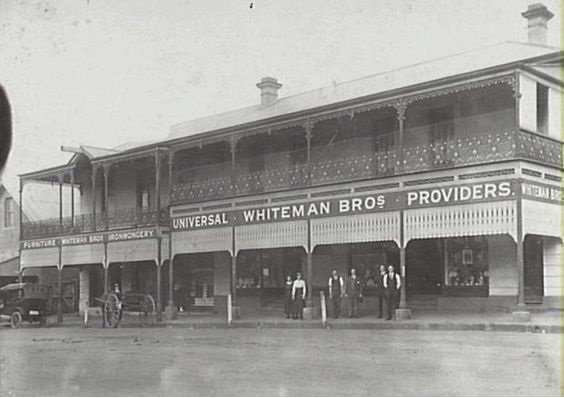
Whiteman commercial buildings in Camden, an example of adaptive re-use

The Whiteman's General Store, a historic Victorian colonial building in Camden, has been successfully repurposed through the Burra Charter principles of adaptive reuse, maintaining its architectural integrity. Operating continuously for over 135 years, it now houses various retail and professional outlets, contributing significantly to the town's charm and community identity.

Aesthetics · Architecture · Attachment to place · Camden Council · Community identity · Cultural Heritage · Cultural icon · Edwardian · Fashion · Heritage · Historical consciousness · Historical thinking · History · Local History · Narellan · Place making · Sense of place · Sydney's rural-urban fringe · Town planning · Uncategorized · Urban growth · Urban Planning · Urbanism

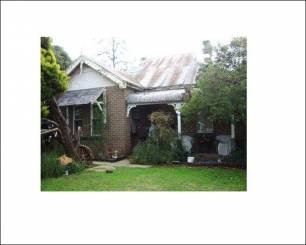
Carinya homestead, part of lost Camden

Camden Council voted to demolish the 1890 Carinya Cottage in Harrington Park, based on reports that it lacked local significance and associative value. This decision reflects a larger issue of neglect for heritage in New South Wales, with a lack of protection for historic sites and a conflict of interest in the assessment process. The political climate prioritizes development over heritage protection.

Aesthetics · Architecture · Attachment to place · Built heritag · Built Heritage · Camden · Camden Built Heritage · Camden Modern · Camden Modernism · Community building · Community identity · Cultural Heritage · Cultural icon · Elderslie · Heritage · Historical consciousness · History · History of a building · History of a house · House history · Housing · Housing styles · Landscape aesthetics · Local History · Lost Camden · Modernism · Place making · Placemaking · Sense of place · Social History · Stories · Storytelling · Town planning · Urban development · Urban growth · Urban history · Urban Planning · urban sprawl · Urbanism

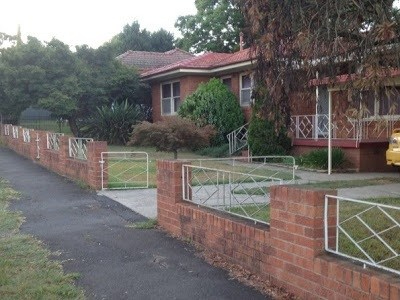
Mid-Century Modernist Homes in Elderslie

In the 1960s, modernism significantly influenced the community of Elderslie, where miners sought contemporary homes. Innovative house designs reflected mid-20th-century trends, including American Ranch styles. Australian architects, like Robin Boyd, contributed to housing projects across the country, merging modern aesthetics with traditional Federation-style homes. These trends influenced the design of local mid-century housing style, resulting in a unique urban landscape.

Architecture · Attachment to place · Camden · Camden Council · Community identity · Heritage · Historical consciousness · Historical Research · Historical thinking · History · Local History · Memorials · Monuments · Place making · Ruralism · Sense of place · Sydney's rural-urban fringe · Tourism · Town planning · Urban growth · Urban Planning · Victorian

Address to Camden Council supporting a motion for a heritage protection sub-committee

Address to Camden Council supporting a motion for a heritage protection sub-committee

Architecture · Attachment to place · Belonging · Built heritag · Collective Memory · Colonialism · Cowpastures · Cultural Heritage · Cultural icon · Entertainment · Ghosts · Heritage · Historical consciousness · Historical Research · Historical thinking · History · House history · Housing · Industrial Heritage · Interwar · Land releases · Landscape · Landscape aesthetics · Legends · Leisure · Lifestyle · Living History · Local History · Local newspapers · Local Studies · Lost Sydney · Macarthur · Memorials · Memory · Motoring History · Myths · Newspapers · Oran Park · Oran Park Raceway · Place making · Placemaking · Recreation · Ruralism · Sense of place · Settler colonialism · Stereotypes · Storytelling · Technology · Theme Parks · transport history · Urban development · Urban growth · Urban history · Urban Planning · urban sprawl · Urbanism

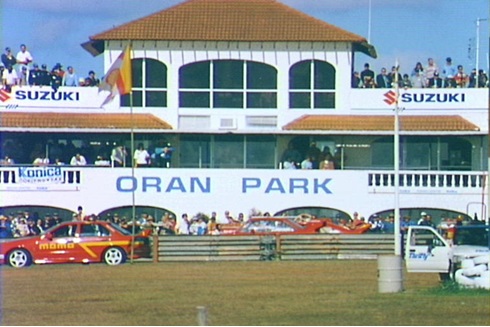
Oran Park Raceway: the finishing line as new horizons open up

Oran Park is a new suburb on Sydney's urban fringe on the site of the former Oran Park Raceway.

Architecture · Attachment to place · Australia · British colonialism · Colonialism · Community identity · Convicts · England · Heritage · Historical consciousness · Historical Research · Historical thinking · History · Local History · Melbourne · Monuments · Myths · Place making · Sense of place · Urban growth · Victorian

‘Remaking Cities’, a conference with a heady mix of urban delights

The 'Remaking Cities' Urban History Planning History 2018 Conference was held at RMIT University Melbourne.

20th century · Advertising · Architecture · Attachment to place · Built heritag · Business · Business History · Camden · Camden Story · Camden Town Centre · Community identity · Country town · Cultural Heritage · Cultural icon · Fashion · Food · Heritage · Historical consciousness · Historical thinking · History · Lifestyle · Local History · Local Studies · localism · Memory · Modernism · Place making · Placemaking · Retailing · Sense of place · Shopping · Storytelling · Supermarkets · Urban growth · Urban Planning · Urbanism · Women's history

Supermarkets come to Camden, consumerism and modernism

Self-service supermarkets were one expression of consumerism and modernism in Camden NSW

1920s · 1930s · Advertising · Aesthetics · Architecture · Attachment to place · Built heritag · Business · Business History · Community identity · Country town · Cultural and Heritage Tourism · Cultural Heritage · Cultural icon · Design · Dungog · Economy · Fashion · Heritage · Historical consciousness · Historical Research · History · Hotel History · Hotels · Interwar · Lifestyle · Local History · Local Studies · Modernism · Place making · Placemaking · Royal Hotel Dungog · Sense of place · Storytelling · Urban growth · Urban history

Dungog’s Royal Hotel, an Art Deco Bush Pub

The Dungog Royal Hotel is an example of an Interwar Art Deco style hotel in an Australian country town

Advertising · Architecture · Attachment to place · Business · Business History · Cafes · Camden · Cultural Heritage · Economy · Entertainment · Food · Heritage · History · Leisure · Lifestyle · Local History · Lost Camden · Modernism · Place making · Restaurant · Sense of place · Storytelling · Urban growth · Urban history · Urban Planning · urban sprawl

The White House Farm, a lost Camden mid-20th century icon

The White House Farm is a lost part of the heritage of Camden NSW from the mid-20th century

Colonialism · Heritage · History · Monuments · Uncategorized · Urban growth

Out and about in Singapore

The CHN blogger has recently been out and about in the Far East and took in some of the historic treasures and heritage gems of Singapore The origins of Singapore are based on British imperial interests with the  East India Company in 1819 when British statesman Sir Thomas Stamford Raffles negotiated a treaty with the Johor Sultanate… Continue reading Out and about in Singapore