20th century · Architecture · Attachment to place · Belonging · Camden · Camden Story · Colonial Camden · Cultural Heritage · Heritage · Historical consciousness · History · History of a house · House history · Housing · Interwar · Lifestyle · Living History · Local History · Local newspapers · Local Studies · Macarthur · Newspapers · Place making · Sense of place · Storytelling · Streetscapes · Urban growth · Urban Planning · Urbanism · Utilities

Outhouse at 80 John Street causes a fuss

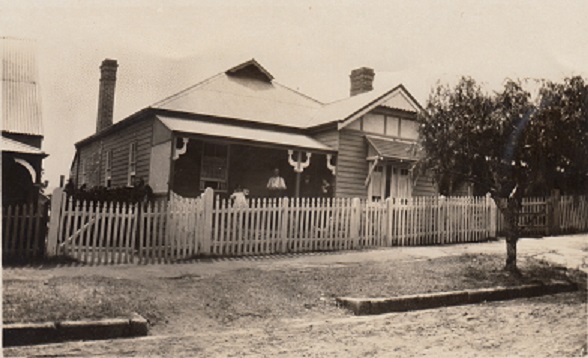
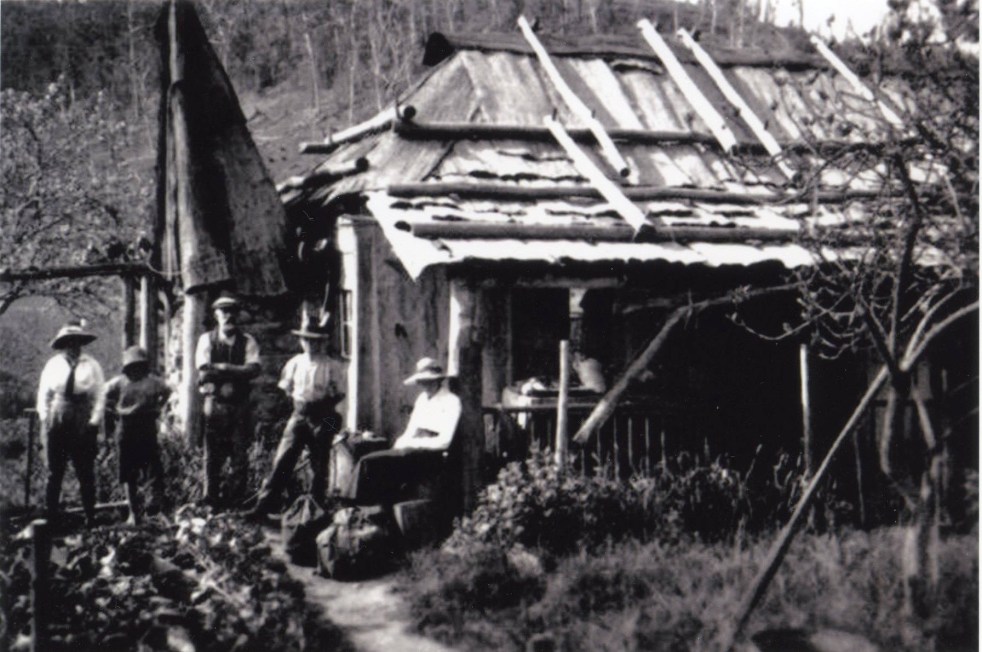
In the backyard of an historic cottage at 80 John Street there is a funny little dunny that dates from the 1890s. In 2011 it created a great deal of fuss when there was a proposal for a two-storey commercial development at the rear of the cottage site and the demolition of the dunny for parking.

1920s · Architecture · Attachment to place · Camden Park House and Garden · Camden Story · Carpentry · Colonial Camden · Colonial frontier · Colonialism · Cowpastures · Craft · Cultural Heritage · Cultural icon · Economy · Engineering Heritage · Farming · Heritage · History · Industrial Heritage · Lifestyle · Local History · Local Studies · Lost trades · Memory · Modernism · Pioneers · Place making · Ruralism · Sense of place · Settler colonialism · Stereotypes · Storytelling · Traditional Trades

Traditional trades, the legacy of Camden’s carpenters

Carpentry, vital in Camden for centuries, began with Aboriginal bush carpentry using local materials for survival. European settlers adopted this craft, creating simple structures and relying on ingenuity. Formal carpentry evolved with guilds and apprenticeships, maintaining traditional techniques and tools, shaping Camden's architectural landscape with lasting quality.

Advertising · Agricultural heritage · Agriculture · Attachment to place · Belonging · Camden · Camden Show · Camden Story · Community identity · Cultural Heritage · Farming · Heritage · History · Lifestyle · Living History · Local History · Local Studies · Macarthur · Memory · Place making · Sense of place · Storytelling · Uncategorized

Camden Show Sponsors’ Night

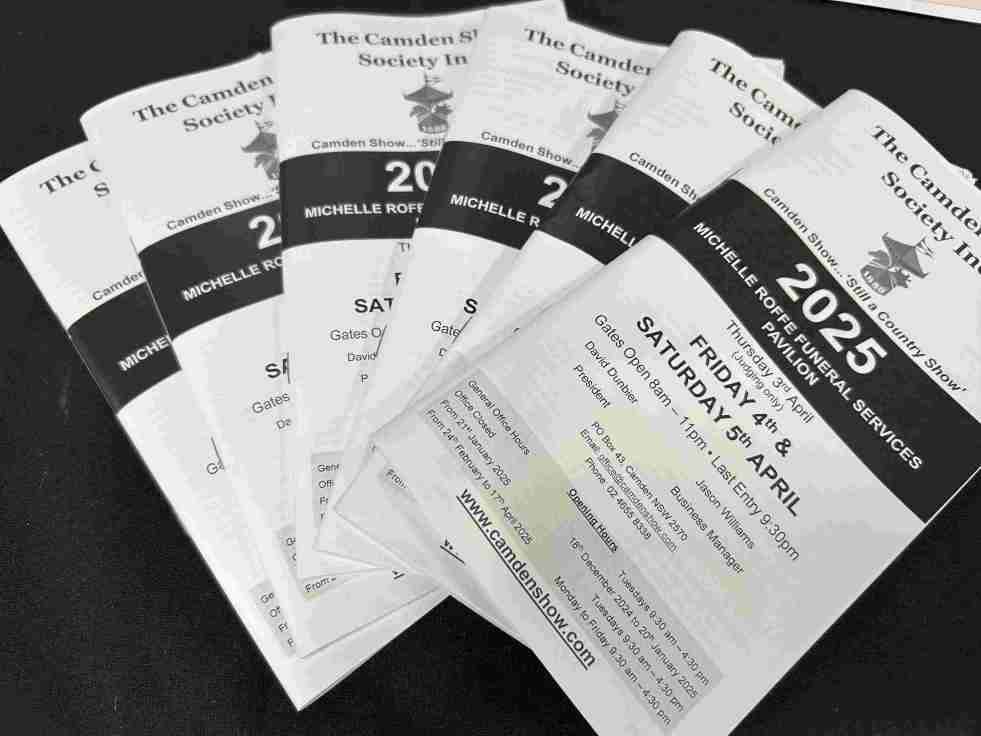
The Camden Show committee expressed gratitude to sponsors during the 2025 event, highlighting the long-term support from Hennings Jewellers. President David Dunbier anticipated 48,000 attendees and addressed past challenges, while Ellen Stucki shared her ambassadorial experience. The show, a prominent regional event since 1886, strengthens community identity and engagement.

Aesthetics · Argyle Street · Attachment to place · Belonging · Camden · Cultural Heritage · Cultural icon · Festivals · Heritage · Historical consciousness · Historical thinking · History · Jacaranda · Living History · Local History · Local newspapers · Local Studies · Macarthur · Macarthur Park · Sense of place · Streetscapes · Trees · Urbanism

Experience Camden’s Vivid Jacaranda Blooms

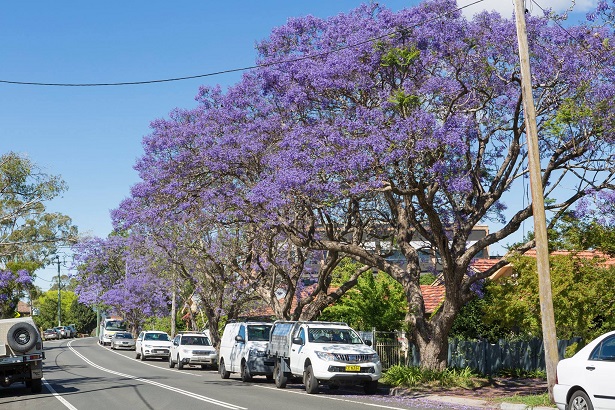
Jacaranda trees in bloom create anticipation and excitement in November each year in Camden. The purple haze is an indication that summer and Christmas are not far away. The colours attract locals and visitors to the town centre particularly after a November shower.

1920s · 1973 New Cities Campbelltown Camden Appin Structure Plan · Aesthetics · Agriculture · Attachment to place · Belonging · British colonialism · Camden · Camden Council · Camden Story · Camden Town Centre · Cobbitty · Colonial Camden · Colonial frontier · Colonialism · Community identity · Cowpastures · Cultural Heritage · Cultural icon · Curtilage · Denbigh · Dharawal · Economy · Edwardian · England · Farming · Frontier violence · Georgian · Gothic · Governor Macquarie · Heritage · Historical consciousness · Historical Research · Historical thinking · History · Interwar · Landscape · Landscape aesthetics · Living History · Local History · Local Studies · Macarthur · Memory · Menangle · Modernism · Place making · Ruralism · Sense of place · Settler colonialism · Storytelling · Town planning · Urban growth · Urban Planning · Victorian

Camden Heritage Conservation Area – an English-style village in the Cowpastures

The Macarthur private village of Camden was located in the English style countryside of the Cowpastures countryside with its gentry estates and villages. Founded in 1840 it was all part the British imperial imperative and the settler colonial project that came with it.

1920s · Attachment to place · Australia · Belonging · Burragorang Valley · Camden · Colonial Camden · Community identity · Cultural Heritage · Cultural icon · Dairying · Economy · Farming · First World War · Heritage · Historical consciousness · Historical Research · Historical thinking · History · House history · Landscape · Lifestyle · Living History · Local History · Local newspapers · Local Studies · Macarthur · Memory · Modernism · Myths · Newspapers · Place making · Ruralism · Second World War · Sense of place · Storytelling · Sydney's rural-urban fringe · Tourism · Travel · Urban growth · Urban Planning · urban sprawl · Urbanism · War · War at home · Women's history

The Camden district in 1939

The 1939 Camden district concept was developed in the 1990s by UOW historian Dr Ian Willis as part of his research on the effect of the Second World War on Camden township.

1920s · Aesthetics · Attachment to place · Belonging · Camden · Communications · Cultural Heritage · Cultural icon · Economy · Heritage · Historical consciousness · Historical Research · Historical thinking · History · Leisure · Living History · Local History · Local Studies · Lost Sydney · Memory · Modernism · Moveable Heritage · Narellan · Place making · Railway · Re-enactments · Ruralism · Sense of place · Stereotypes · Storytelling · Streetscapes · Tourism · Transport · Travel · Utilities

Pansy the Camden locomotive

The Camden train affectionately called Pansy is a distant memory that rekindles many memories and a nostalgia for the past.

Attachment to place · Belonging · Camden · Camden Story · Cobbitty · Community identity · Cultural Heritage · Emergency Services · Farming · Floods · Heritage · Historical consciousness · Historical Research · History · Landscape · Living History · Local History · Local Studies · Memory · Natural Disasters · Nepean River · Place making · Ruralism · Sense of place · Storytelling · Urban development · Urban growth · Urban history · Urban Planning · urban sprawl

The hidden dangers of Camden’s bathtub effect

The Nepean River's 'bathtub effect' refers to the unique flooding impact created by the river's landform. The Hawkesbury-Nepean River's four gorges result in localized floodplains, causing a 'bathtub effect' during periods of high rainfall. These characteristics make the area susceptible to significant flood risk, impacting local communities.

Adaptive Re-use · Aesthetics · Architecture · Attachment to place · Belonging · Business · Camden · Camden Council · Camden District · Camden Heritage Conservation Area · Camden Regional Economic Taskforce · Camden Story · Camden Town Centre · Colonial Camden · Community identity · Cultural Heritage · Cultural icon · Edwardian · Fashion · Festivals · Film · Film Making · Gender · Heritage · Historical consciousness · Historical Research · Historical thinking · History · Interwar · Jacaranda · Job creation · Lifestyle · Living History · Local History · Local Studies · Media History · Memory · Modernism · Place making · Placemaking · Ruralism · Sense of place · Storytelling · Streetscapes · Tourism · Travel · Victorian

Making short films to promote the 2019 Camden Jacarada festival

A group of amateur filmmakers undertook a photoshoot in the Camden town centre to promote the 2019 Camden Jacaranda Festival.

Aesthetics · Art · Attachment to place · Belonging · Camden · Colonial Camden · Colonial frontier · Colonialism · Community identity · Cowpastures · Cultural Heritage · Cultural icon · England · Farming · Floods · Frontier violence · Georgian · Gothic · Heritage · Historical consciousness · Historical Research · History · Landscape aesthetics · Living History · Local History · Local Studies · Macarthur · Memory · Myths · Place making · Ruralism · Sense of place · Settler colonialism · Storytelling

Charles Tompson, a colonial diarist of the Cowpastures

A colonial diarist of the Cowpastures, Charles Tompson.