Anzac · Argyle Street · Bastille Day · Belonging · Camden Story · Community identity · Cultural Heritage · Festivals · First World War · France · Frances Day · Heritage · Local History · Local newspapers · Local Studies · Macarthur · Media History · Military history · Nationalism · Newspapers · Pageant · Patriotism · Place making · Red Cross · Sense of place · Storytelling · Uncategorized · Volunteerism · War · War at home · Wartime · Women's history

Camden and its French Connections

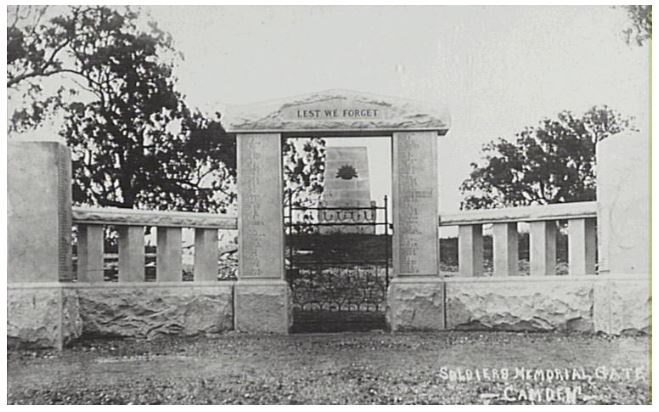
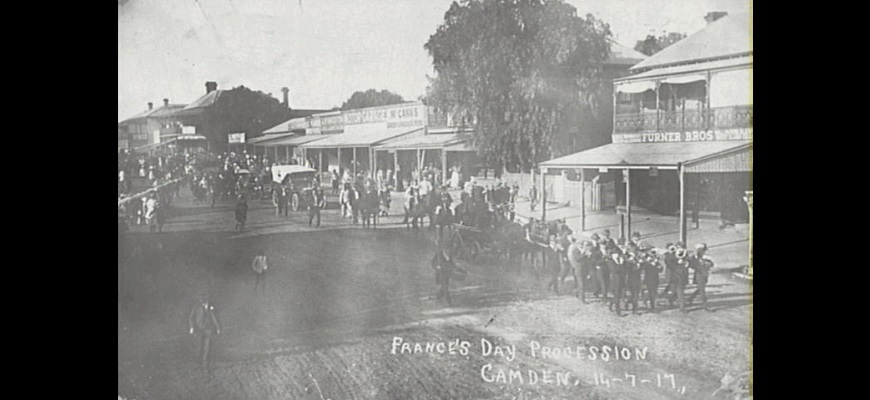
Camden had a number of connections with France during the First World Ward and they have been recorded on the pages of the Camden News. They included Bastille Day celebrations and the memoirs of William Sidman in Paris in 1870 at the outbreak of the Franco-Prussian war.

Aesthetics · Art · Artists · Artworks · Attachment to place · Belonging · Camden Art Group · Camden Public School · Camden Realism · Camden Story · Campbelltown · Campbelltown Art Centre · Community identity · Cultural Heritage · GLAM Sector · Heritage · Historical consciousness · Historical thinking · Landscape · Landscape aesthetics · Living History · Local History · Macarthur region · Memory · Place making · Public art · Realism · Sense of place · Stories · Storytelling · Tourism

Exploring Camden Realism: Art as storytelling

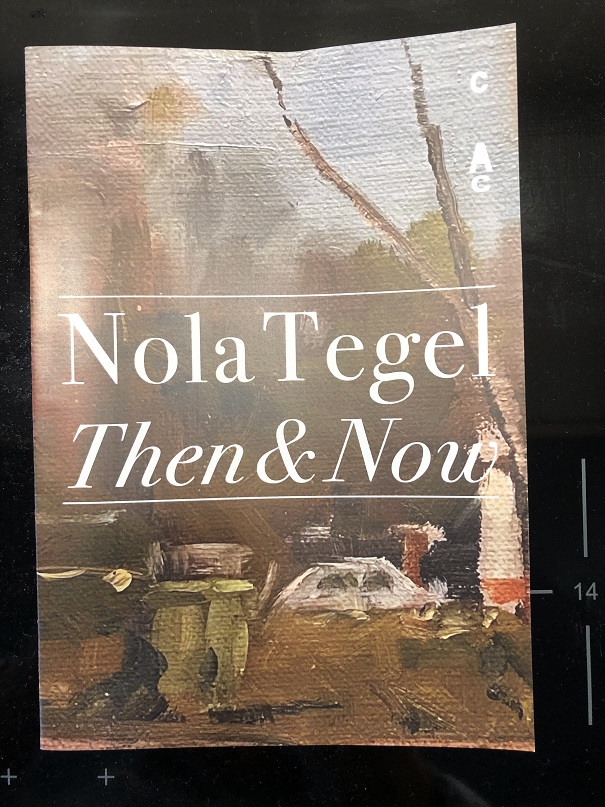
Camden Realism is an art style emerging in the Macarthur region, characterized by storytelling through representational artworks. Artists like Nola Tegel and Patricia Johnston, influenced by Alan Baker, capture local history and change. Exhibitions at Campbelltown Arts Centre showcase their work, reflecting the evolving landscape and community identity.

Aesthetics · Agricultural heritage · Agriculture · Argyle Street · Attachment to place · Built heritag · Camden · Camden Airfield · Camden Show · Camden Story · Camden Town Centre · Churches · Cobbitty · Colonial Camden · Colonialism · Community identity · Country town · Cultural and Heritage Tourism · Cultural Heritage · Cumberland Plain · Farming · Floods · Heritage · History · Landscape · Living History · Local History · Local Studies · Macarthur Park · Onslow Park · Place making · Placemaking · Railway · Sense of place · Storytelling · Tourism

Camden, the best preserved country town on the Cumberland Plain

The historic town of Camden is hailed by architect Hector Abrahams as the best-preserved country town on the Cumberland Plain. Established in 1840, it offers a glimpse of Victorian and early 20th-century charm. Visitors can explore its heritage precinct, rural landscapes, historic villages, and even relive the town's aviation history.

20th century · Architecture · Attachment to place · Belonging · Camden · Camden Story · Colonial Camden · Cultural Heritage · Heritage · Historical consciousness · History · History of a house · House history · Housing · Interwar · Lifestyle · Living History · Local History · Local newspapers · Local Studies · Macarthur · Newspapers · Place making · Sense of place · Storytelling · Streetscapes · Urban growth · Urban Planning · Urbanism · Utilities

Outhouse at 80 John Street causes a fuss

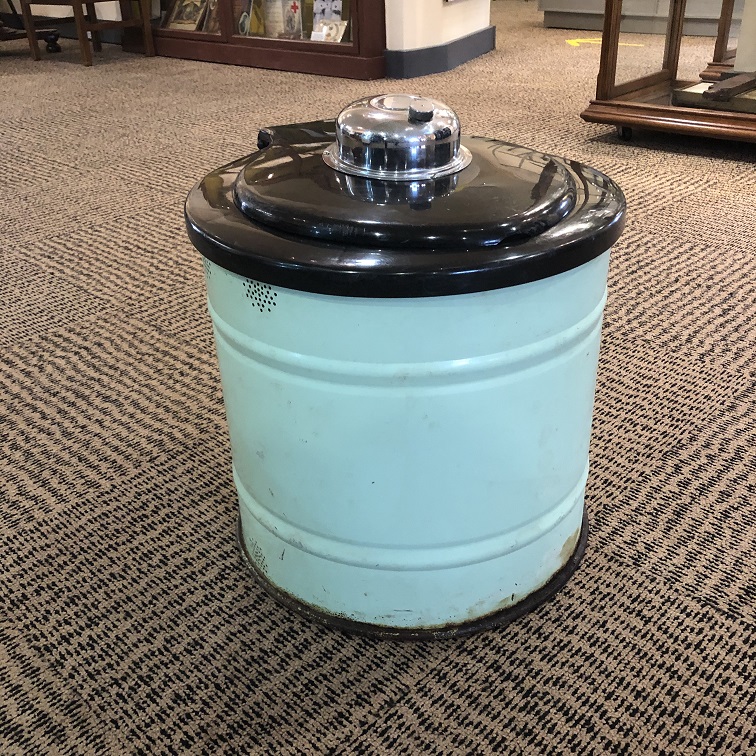
In the backyard of an historic cottage at 80 John Street there is a funny little dunny that dates from the 1890s. In 2011 it created a great deal of fuss when there was a proposal for a two-storey commercial development at the rear of the cottage site and the demolition of the dunny for parking.

1920s · Architecture · Attachment to place · Camden Park House and Garden · Camden Story · Carpentry · Colonial Camden · Colonial frontier · Colonialism · Cowpastures · Craft · Cultural Heritage · Cultural icon · Economy · Engineering Heritage · Farming · Heritage · History · Industrial Heritage · Lifestyle · Local History · Local Studies · Lost trades · Memory · Modernism · Pioneers · Place making · Ruralism · Sense of place · Settler colonialism · Stereotypes · Storytelling · Traditional Trades

Traditional trades, the legacy of Camden’s carpenters

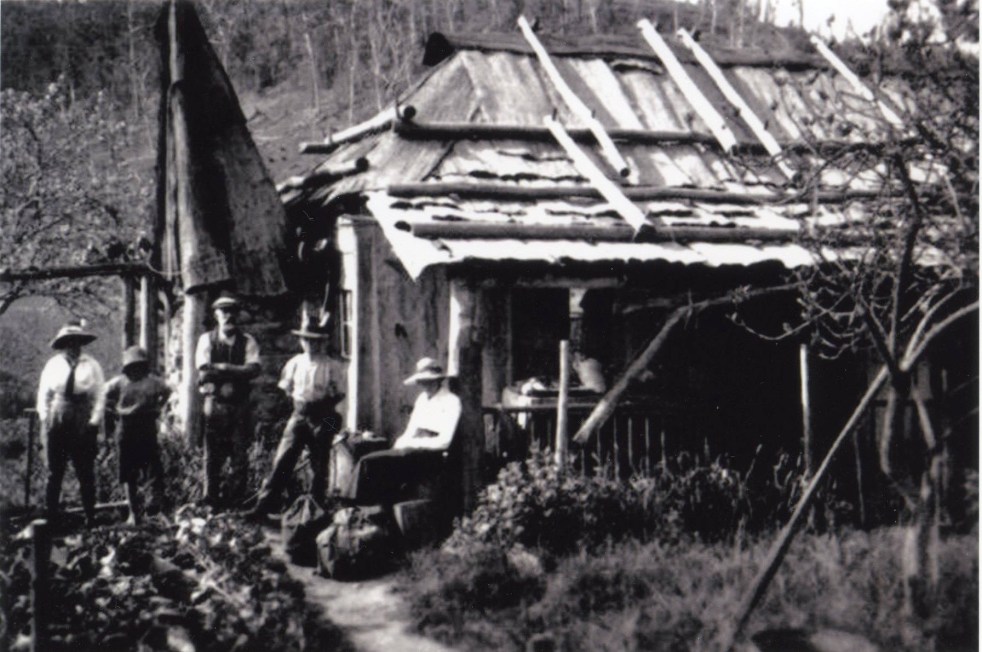
Carpentry, vital in Camden for centuries, began with Aboriginal bush carpentry using local materials for survival. European settlers adopted this craft, creating simple structures and relying on ingenuity. Formal carpentry evolved with guilds and apprenticeships, maintaining traditional techniques and tools, shaping Camden's architectural landscape with lasting quality.

Aesthetics · Art · Attachment to place · Belonging · Cultural Heritage · Education · Family history · Heritage · Historical consciousness · Historical Research · Historical thinking · History · Landscape · Landscape aesthetics · Legends · Living History · Local History · Local Studies · Memory · Myths · Place making · Sense of place · Stereotypes · Storytelling · Streetscapes · Tourism · Uncategorized

Take a stroll through the past

The past is all around us and has created the present. The present would not exist without the past. We need to understand the past to understand the present.

Aesthetics · Agricultural heritage · Art · Artists · Attachment to place · Belonging · British colonialism · Burragorang Valley · Camden · Camden Hospital · Camden Story · Church History · Coal mining · Colonial Camden · Community identity · Cultural Heritage · Cultural icon · Dairying · Dharawal · Farming · Heritage · Historical consciousness · Historical thinking · History · Living History · Local History · Local Studies · Macarthur · Memorial · Memorialisation · Memorials · Memory · Mid-century modernism · Modernism · Monuments · Pioneers · Place making · Public art · Sense of place · Settler colonialism · Settler Society · Social History · Stereotypes · Storytelling · Tourism

Camden Rotary Pioneer Mural: public art, a mural, a memorial wall and a wishing well

The Camden Pioneer Mural is an example of public art. The Camden mural depicts the Camden story as interpreted in 1962 by ceramic artist Byram Mansell.

1920s · 1930s · Agricultural heritage · Agriculture history · Argyle Street · Artefacts · Attachment to place · Belonging · Built heritag · Camden · Camden Story · Cawdor · Churches · Cobbitty · Community identity · Country town · Cultural Heritage · Cultural icon · Elderslie · Family history · Farming · Fashion History · Festivals · Heritage · Historical consciousness · Historical Research · History · Interwar · Living History · Local Studies · Memory · Monuments · Mount Hunter · Photography · Place making · Placemaking · Retail history · Roy Dowle photographer · Ruralism · Sense of place · Settler colonialism · Social History · Stereotypes · Storytelling · Teamsters · The Oaks · Transport · transport history · Urban history · War

The Roy Dowle collection and old photographs

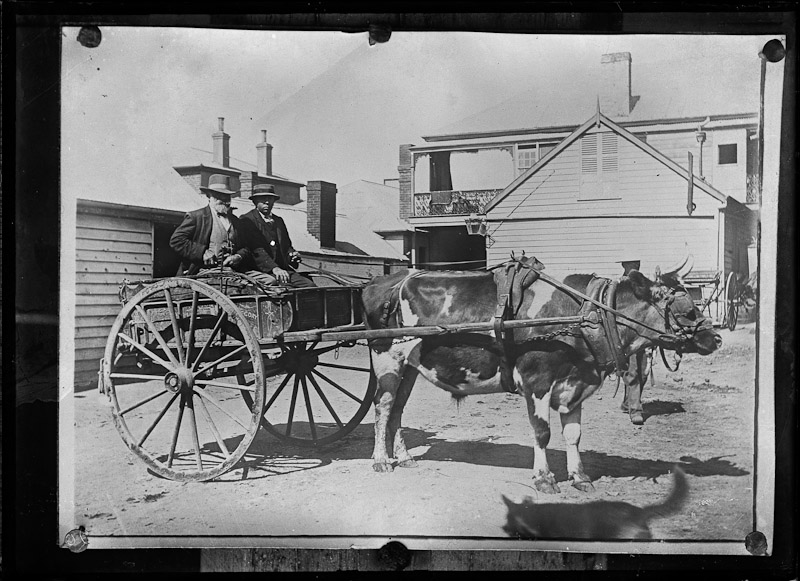
Old photographs are a glimpse into the past and capture many memories of another time. The Roy Dowle Glass Plate collection at The Oaks Historical Society is a source of many local images.

1968 Sydney Region Outline Plan · 1973 New Cities Campbelltown Camden Appin Structure Plan · 20th century · Aesthetics · Architecture · Attachment to place · Brutalist Architecture · Built heritag · Campbelltown · Campbelltown Council · Campbelltown Modernism · Campbelltown Municipal Council · Community identity · Cultural Heritage · Cultural icon · Engineering Heritage · Heritage · Historical consciousness · Historical Research · History · Landscape · Landscape aesthetics · Living History · Local History · Local Studies · Macarthur · Memory · Mid-century modernism · Modernism · Place making · Placemaking · Sense of place · Storytelling · Sydney's rural-urban fringe · Town planning · Urban development · Urban growth · Urban history · Urban Planning · urban sprawl · Urbanism

Campbelltown City Council office extension 1982 – an example of mid-century modernism

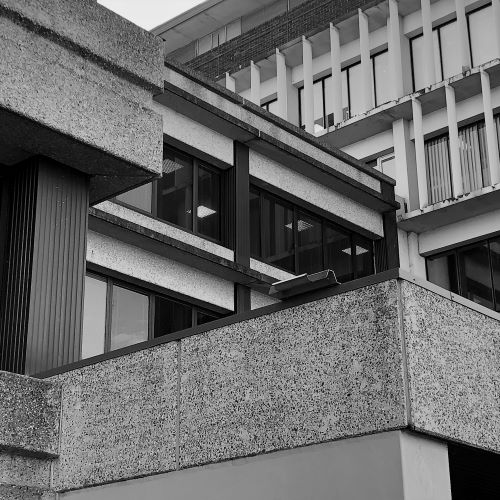
In 1982 Campbelltown City Council had the official opening for the brutalist administration building. Combined with the adjacent 1964 modernist office building they are an outstanding example of mid-century modernism in the Macarthur region

1968 Sydney Region Outline Plan · 1973 New Cities Campbelltown Camden Appin Structure Plan · Aesthetics · Architecture · Attachment to place · Business · Campbelltown · Campbelltown Council · Campbelltown Mid-century modernism · Campbelltown Modern · Campbelltown Modernism · Campbelltown Municipal Council · Community building · Community identity · Cultural Heritage · Cultural icon · Design · Economy · Heritage · Historical consciousness · Historical Research · Historical thinking · History · Living History · Local History · Local Studies · Macarthur · Macarthur region · Mid-century modernism · Modernism · Place making · Placemaking · Sense of place · Storytelling · Urban development · Urban growth · Urban history · Urban Planning · urban sprawl · Urbanism

Exploring Campbelltown’s Mid-Century Modern Administration Building

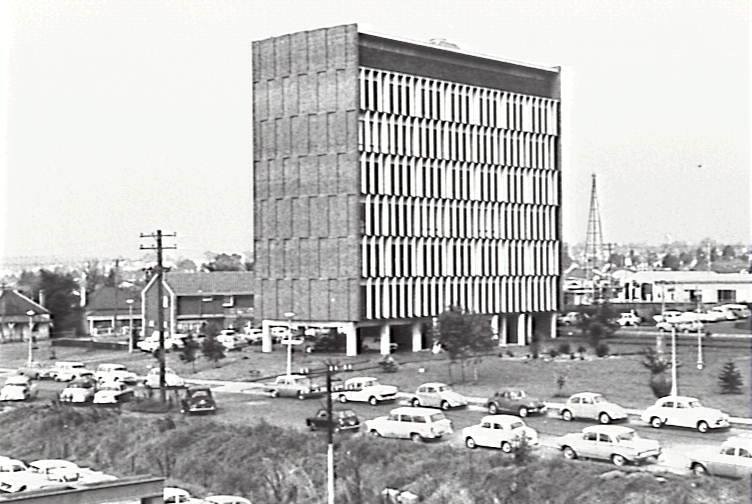
The Campbelltown Council office building, completed in 1964, serves as an unrecognized icon of mid-century modernism, symbolizing the town's optimistic vision as a satellite city. Despite its structural significance and initial hopes for community development, later planning challenges undermined this vision, leaving the building's legacy complex and often overlooked.