19th Century · Agricultural heritage · Agriculture · Agriculture history · Attachment to place · Australian History · Belonging · British colonialism · Business History · Colonial Australia · Colonial Camden · Colonial frontier · Colonial garden · Colonial NSW · Colonial Settler Community · Colonialism · Cowpastures · Cowpastures district · Cowpastures Estates · Cowpastures Gentry · Cowpastures Region · Cowpastures River · Cultural Heritage · Dairying · Economy · England · Families · Family history · Farming · Heritage · John Hawdon · Letters · Local Studies · Place · Place making · Placemaking · Regionalism · Settler colonialism · Settler Society · Social History · Uncategorized

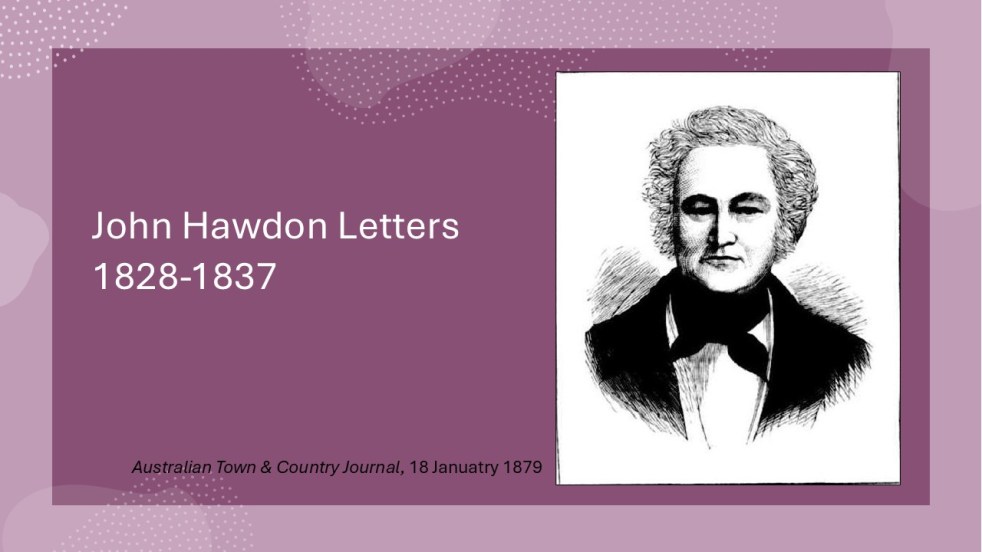
Insights from the Hawdon Letters: Colonial Life in NSW, Part 3, 1833-1837

The letters of John Hawdon and others from 1828 to 1837, preserved in the State Library of NSW, provide insights into colonial life in New South Wales. They highlight themes of isolation, communication challenges, economic struggles, and attitudes toward gender and Indigenous populations, alongside Hawdon's farming experiences and family connections.

19th Century · Agricultural heritage · Agriculture · British colonialism · British Heritage · Colonial Australia · Colonial Camden · Colonial frontier · Colonial NSW · Colonial Settler Community · Colonialism · Convicts · Cowpastures · Cowpastures district · Cowpastures Estates · Cowpastures Gentry · Cowpastures Region · Cowpastures River · Cultural Heritage · Cultural icon · Dairying · Economy · Elderslie · England · Families · Family history · Farming history · Heritage · John Hawdon · Local Studies · Pioneers · Place · Place making · Placemaking · Social History · Stories · Storytelling · Uncategorized

Insights from the Hawdon Letters: Colonial Life in NSW, Part 2, 1831-1833

John Hawdon's letters from New South Wales (1831-1833) reveal colonial life, highlighting farming challenges, isolation from England, and the high costs of communication. These letters provide insights into market conditions, crop successes, and family updates, showcasing the Hawdons' experiences and adaptations in a new land, while retaining original spelling and structure.

19th Century · 20th century · Active citizenship · Agency · Artefacts · Blue Plaques · Business · Business History · Camden · Camden Modernism · Camden Story · Commemoration · Community identity · Craft · Crafts · Cultural icon · Dress history · Economy · Fashion · Fashion History · Handcraft · Heritage · History · History of a building · Industrial Heritage · Local History · Local Studies · Memorialisation · Nationalism · Place making · Placemaking · Red Cross · School of Arts · Second World War · Sense of place · Sewing · Sewing Machine · Social History · Stories · Storytelling · Volunteering · Volunteerism · War · War at home · Wartime · Women's agency · Women's stories · World War One · World War Two

Camden’s Treadle Sewing Machine: A Revolution in Women’s Agency

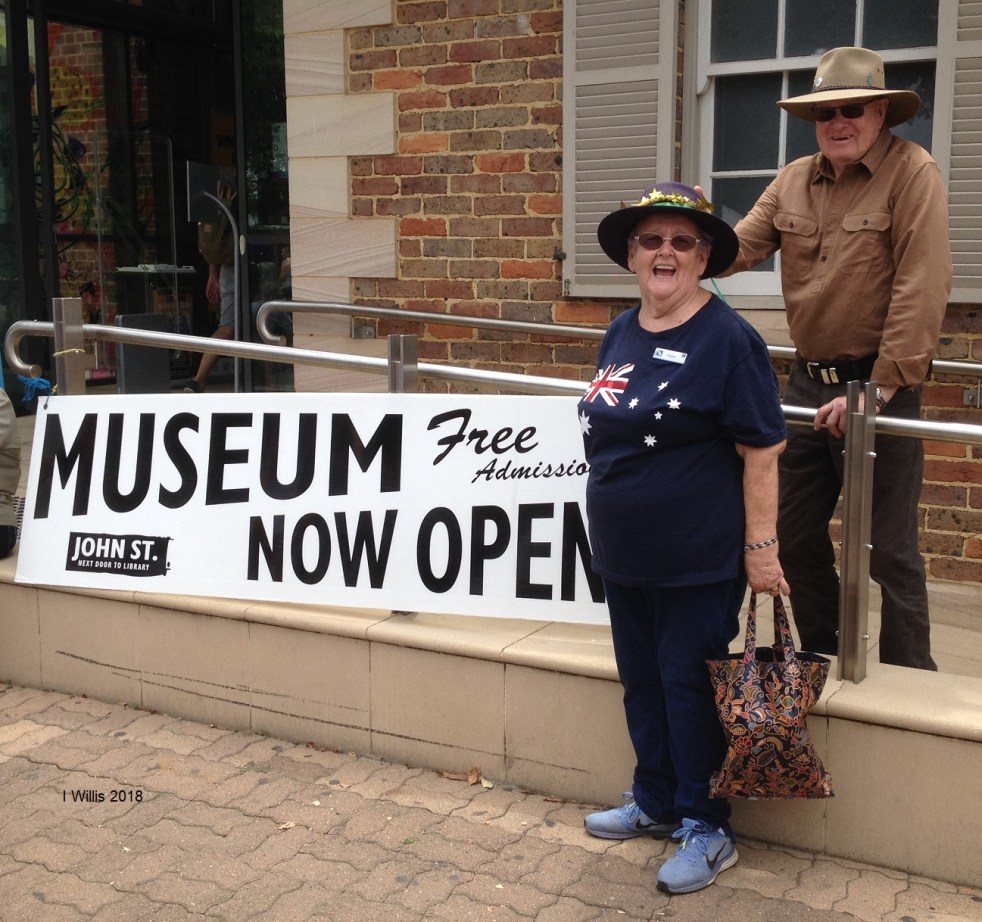
The Camden Museum's treadle sewing machine symbolizes the significant role of sewing in women's lives from the 19th century onwards. Sewing machines democratized work, enhancing womenโ€™s agency by saving time and allowing for business opportunities. Women contributed immensely to the war efforts through Red Cross circles, producing thousands of items during both World Wars.

Belonging · Camden Story · Community · Community building · Community celebrations · Community Engagement · Community Health · Community identity · Community organisations · Community work · Cultural and Heritage Tourism · Cultural Heritage · Economy · Historical consciousness · Historical Research · Historical source · Historical thinking · Historiography · History · History Festival · Living History · Local History · Local Studies · Memorials · Memory · Monuments · Place · Place making · Placemaking · Stereotypes · Stories · Storytelling · Uncategorized · Women's stories

Exploring Community History: Benefits and Applications

Community history focuses on the stories and experiences of specific groups, emphasizing local and social history often overlooked in traditional research. It fosters empowerment, engages community members, preserves unique cultural heritage, and creates a deeper connection to place, ultimately enhancing social cohesion and supporting informed decision-making for future generations.

Adaptive Re-use · Adaptive Reuse · Built Heritage · Business · Business History · Cafes · Community identity · Cultural Heritage · Economy · Film · Film Making · History of a building · Industrial Heritage · Local History · Macarthur · Macarthur region · Picton · Picton Corbett Hardware · Picton Menangle Street · Picton Retail · Picton The Celebration Society · Place · Place making · Placemaking · Sense of place · Shopping · Storytelling · Streetscapes · Uncategorized · Urban growth · Urban history · Urban Planning

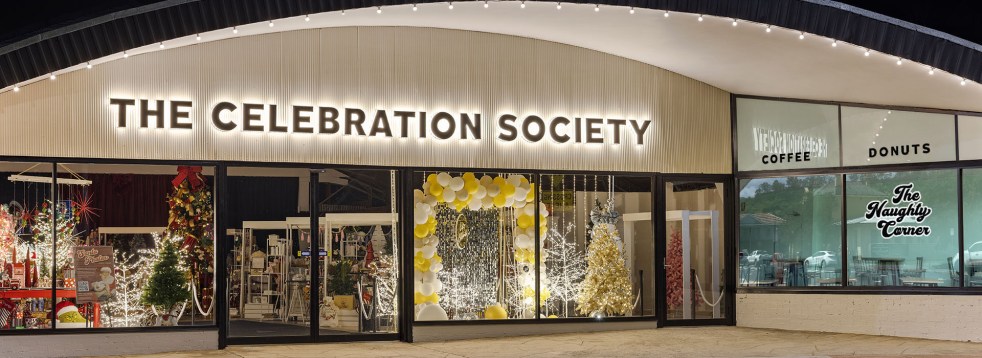
The Celebration Society: Revitalizing Picton’s Retail Scene Through Adaptive Re-use

The Celebration Society opened in 2024 in the former Corbett hardware store, revitalizing Picton's retail scene. Owners Deborah and Michael Quinn, along with business partners, preserved the buildingโ€™s historic integrity. The venue includes a cafรฉ and space for events, enhancing community engagement and contributing to the area's renewal.

1920s · Adaptive Re-use · Aesthetics · Architecture · Attachment to place · Belonging · Business · Camden · Camden Museum · Camden Park House and Garden · Colonial Camden · Communications · Community identity · Cowpastures · Cultural Heritage · Cultural icon · Economy · Entertainment · Family history · Fashion · Festivals · Genealogy · Heritage · Historical consciousness · Historical Research · Historical thinking · History · History of a house · History theory and practice · House history · Job creation · Lifestyle · Living History · Local History · Local Studies · Macarthur · Media · Menangle · Military history · Modernism · NSW History K-10 Syllabus · Place making · Ruralism · Sense of place · Settler colonialism · Stereotypes · Storytelling · Streetscapes · Sydney's rural-urban fringe · Tourism · Travel · Urban growth · Urban Planning · urban sprawl · Volunteering · Volunteerism · Women's history

Understanding the Camden Story: History, Community, and Identity

The Camden story encapsulates the rich tapestry of tales and histories that define the Camden community, including dreamtime legends and settler accounts. It offers insight into the community's values, identity, and resilience, serving as both a historical narrative and a tool for local businesses, fostering deeper connections among residents.

19th Century · Adaptive Re-use · Adaptive Reuse · Architecture · Attachment to place · Australian History · Built Heritage · Camden · Camden Built Heritage · Camden John Street · Camden Story · Camden Town Centre · Community identity · Cultural and Heritage Tourism · Cultural Heritage · Domestic Architecture · Dr Crookston · Economy · History of a house · House history · Housing · Housing styles · Local History · Local Studies · Macarthur family · Place making · Placemaking · Residential Housing Style · Sense of place · Stories · Storytelling · Tourism · Uncategorized

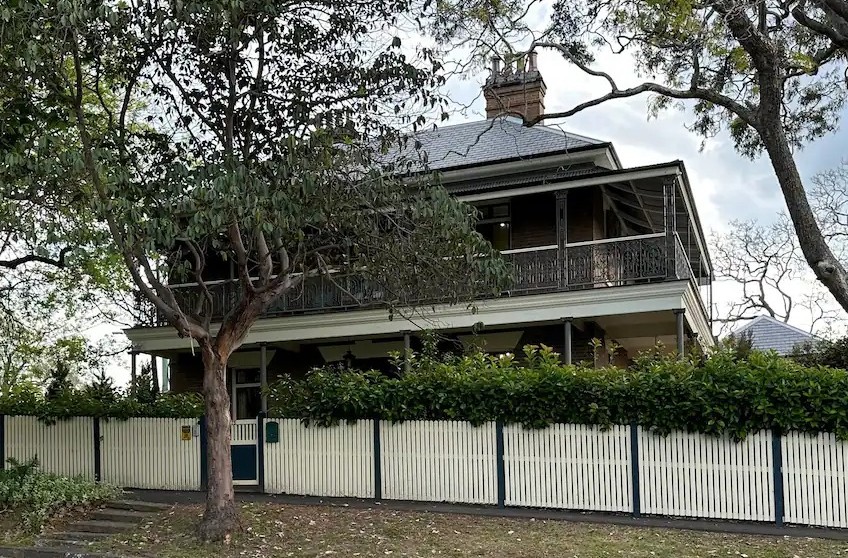
Dr Crookston’s Estate: A New Chapter in Camden’s Heritage

Dr Crookston's house and garden in Camden has been revitalized into an entertainment venue, preserving its rich history. New owners Shane and Rhiannon Smith manage this adaptive reuse, offering various activities that enhance heritage tourism. The estate now fosters local pride while contributing to economic growth, transforming the once-closed site into a vibrant community asset.

Agricultural heritage · Agricultural modernism · Agriculture · Agriculture history · Belonging · Camden · Camden Chinese Market Gardeners · Camden District · Camden Rotary Club · Camden Story · Camden Town Farm · Community identity · Country town · Cultural Heritage · Economy · Elderslie · Families · Family history · Farming · Gardening · History · Horticulture · Intensive agriculture · Irrigation · Landscape · Lifestyle · Local History · Local Studies · Lost Camden · Memory · Modernism · Nepean River · Plants · Ruralism · Sense of place · Small town · Social History · Stories · Storytelling

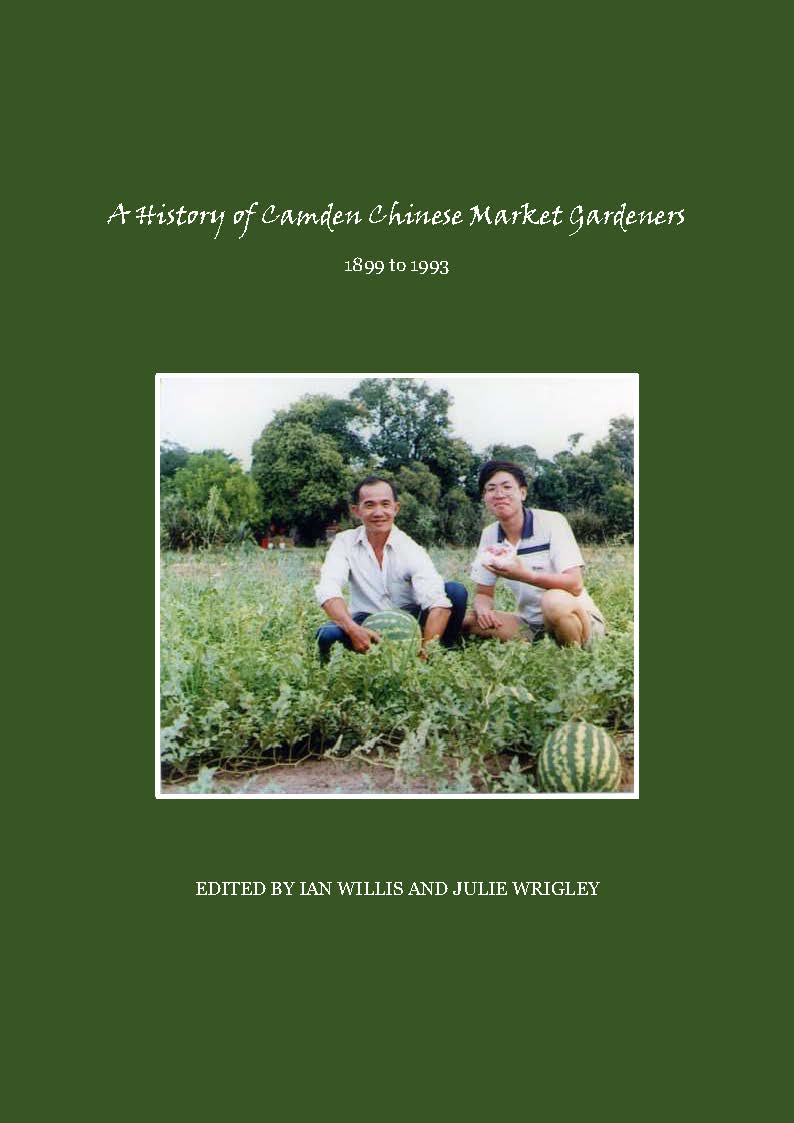
History of Camden Chinese Market Gardeners: Resilience, Innovation, and Struggles

The presentation at Camden Rotary Club details the significant contributions and challenges faced by Chinese market gardeners in Camden. It sheds light on their resilience, innovation, discrimination, and impact on the local economy. The book "A History of Camden Chinese Market Gardeners 1899-1993" emphasizes their agency, making an important contribution to local history and the literature of the Chinese diaspora in Australia.

1930s · 20th century · Burragorang Miners Memorial · Burragorang Valley · Business · Business History · Camden Story · Coal mining · Economy · Electricity · Engineering Heritage · Engineering History · Heritage · Industrial Heritage · Local Studies · Lost Camden · Memorial · Memorialisation · Memorials · Memory · Mining History · Monuments · Narellan Story · Oakdale · Place making · Public art · Sense of place · Stories · Storytelling · The Oaks Historical Society · Wollondilly Heritage Centre

Burragorang Coalfields: From Prosperity to Closure

The Burragorang Valley's coal mining history spans from the early 1800s to the closure of the last operational mine in 2000. The community relied on coal for jobs, but the inevitable end affected the region. International mining companies became involved, and the introduction of electricity transformed mining processes. Many mines opened and closed throughout the years, leaving a rich and complex history documented in various sources.

Attachment to place · Belonging · Camden · Camden Museum · Camden Story · Collective Memory · Colonial Camden · Community identity · Cultural Heritage · Cultural icon · Economy · Education · Farming · Heritage · Historical consciousness · Historical Research · Historical thinking · History · Legends · Living History · Local History · Local Studies · Lost Camden · Macarthur · Memory · Modernism · Narellan · Place making · Placemaking · Railway · Railway history · Second World War · Sense of place · Stories · Storytelling · Tourism · Transport

Exploring Camden’s Railway Heritage: Pansy and Its Timeless Stories

The Camden branch line, with its famous locomotive Pansy, holds a special place in the memories of locals and visitors. Operating from 1882 to 1963, it served as a lifeline for the community, transporting goods, passengers, and even wartime heroes. Despite its eventual closure, remnants of the line can still be seen today.