19th Century · Architecture · Attachment to place · Built heritag · Built Heritage · Camden Built Heritage · Camden Cottage Hospital · Camden Hospital · Camden Story · Community · Community building · Community Health · Country town · Cultural Heritage · Family history · History of a building · History of a house · House history · Humanitarianism · Local History · Local newspapers · Local Studies · Medical history · Medical Humanities · Place making · Placemaking · Sense of place · Small town · Social History · Stories · Storytelling · Transport · transport history · Trauma · Women's agency · Women's history · Women's stories

Camden Cottage Hospital, from accidents to amputations and early patient experiences

The Camden Cottage Hospital, opened in April 1899, initially struggled with low patient admissions due to community reluctance. Early cases included accidents and serious conditions, leading to treatments and surgeries like amputations. By early 1900, there was increasing community trust and the permanent facility opened in May 1902.

19th Century · 20th century · Active citizenship · Anniversary Day · Australia Day · British colonialism · British Heritage · Camden · Camden Cottage Hospital · Camden Story · Community Health · Community work · Country town · Friendly Societies · Health and Medical History · Health History · History · Humanitarianism · Local History · Local newspapers · Newspaper history · Newspapers · Philanthropy · Place making · Placemaking · Sense of place · Small communities · Small town · Stories · Storytelling · Volunteering · Volunteerism

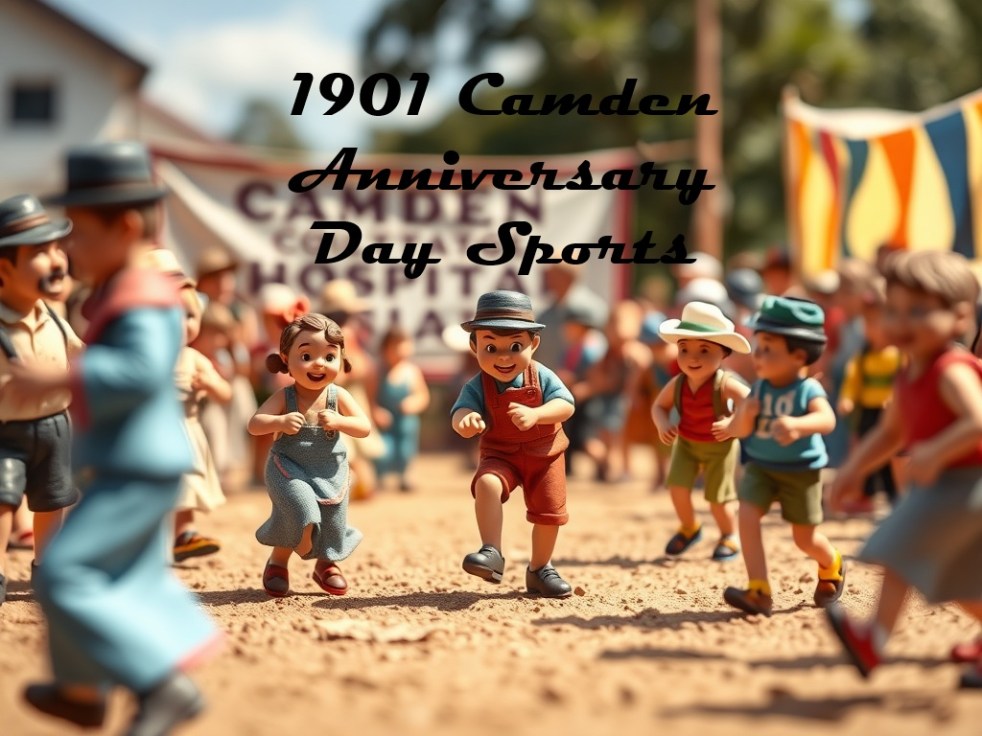
1901 Anniversary Day sports and other amusements on January 26 in aid of the Camden Cottage Hospital.

On January 26, 1901, a sports day organized by the Combined United Friendly Societies raised funds for the Camden Cottage Hospital. The event featured various competitions and attracted around 1,000 attendees, earning ยฃ60. Despite mixed reviews from the local editor, the day represented community unity and historical significance in celebrating European settlement.

Aesthetics · Architecture · Attachment to place · Belonging · Built heritag · Camden · Camden Council · Camden Museum · Camden Story · Church History · Colonial Camden · Community identity · Country town · Cowpastures · Cowpastures Gentry · Cultural and Heritage Tourism · Cultural Heritage · Cultural icon · Engineering Heritage · Heritage · History · Landscape · Landscape aesthetics · Living History · Local History · Local newspapers · Memory · Place making · Settler Society · St John's Church Camden · Storytelling · Tourism · Uncategorized · Urban development · Urban history

Cultural and Heritage Tourism in Camden: Unveiling a $6.4 Million Per Year Industry

Cultural and heritage tourism adds $6.4 million a year to the local economy. The Camden Museum and the Alan Baker Art Gallery add over $1.7 million annually.

Active citizenship · Attachment to place · Camden · Camden Council · Camden Mayor · Camden Story · Camden Town Centre · Community identity · Community organisations · Community work · Cultural Heritage · Living History · Local History · Local newspapers · Local Studies · Newspapers · Place making · Roads · Sense of place · Stories · Storytelling · Town planning · Trust · Urban development · Urban growth · Urban Planning · Urbanism

Camden Town Centre Enhancement Strategy: Stakeholder Concerns and Community Engagement

The 2014 Camden Town Centre Enhancement Strategy has faced controversy and distrust from residents and stakeholders, leading to a significant trust deficit. The proposed decked car park and lack of early and robust community engagement have fueled skepticism and discontent. Community consultation principles and the mayor's defense of the process are under scrutiny. Stakeholder concerns about legitimacy align with international practices.

Argyle Street · Attachment to place · Camden · Camden Hospital · Camden Story · Community building · Community identity · Community organisations · Cultural Heritage · Cultural icon · Entertainment · Farming · Festivals · Heritage · Historical consciousness · Historical Research · History · Leisure · Living History · Local History · Local newspapers · Memory · Modernism · Newspapers · Place making · Ruralism · Sense of place · Social History · Volunteering · Volunteerism

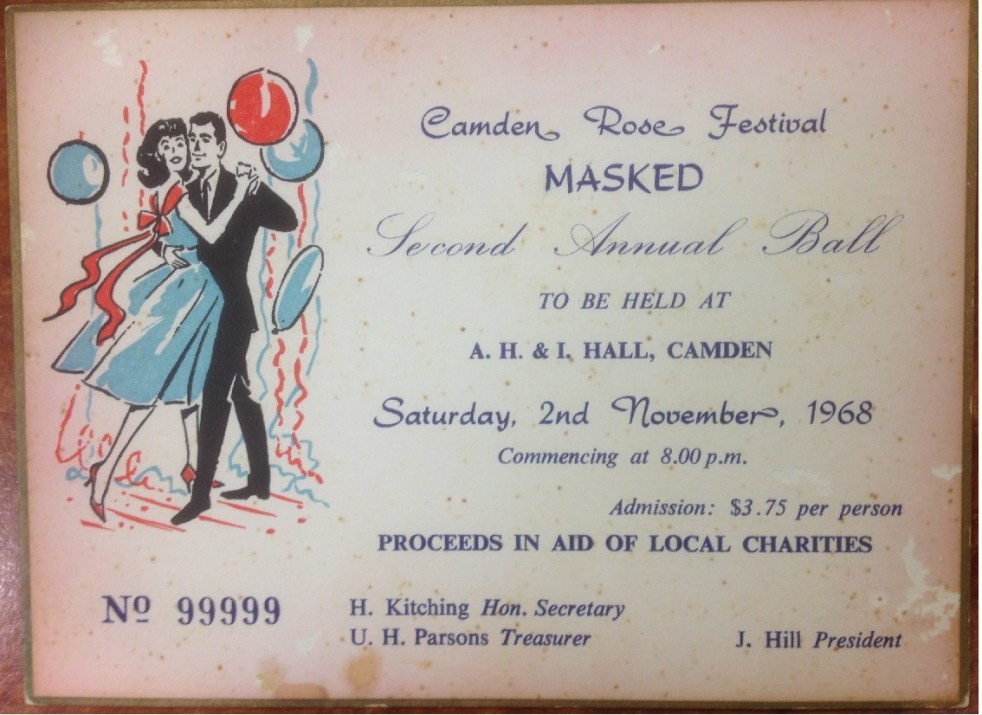
Camden Rose Festival 1968: history and festivities

The Camden Rose Festival, founded by JW Hill, celebrated the 1960s' prosperity and optimism. The festival included a street parade, wheelbarrow derby, art exhibition, and a masked ball. The event attracted significant community participation and raised funds for Camden District Hospital. The festival reflected the spirit of the post-war years and local community engagement.

1973 New Cities Campbelltown Camden Appin Structure Plan · 20th century · Attachment to place · Built heritag · Camden Council · Camden District · Camden Heritage Conservation Area · Camden Museum · Camden Show · Camden Story · Camden Town Farm · Church History · Churches · Collective Memory · Colonial Camden · Commemoration · Community identity · Country town · Country town idyll · Cultural and Heritage Tourism · Cultural Heritage · Elizabeth Macarthur · Folklore · Hope and loss · Landscape · Legends · Local History · Local newspapers · Local Studies · Lost Camden · Memorial · Memory · Monuments · Place making · Placemaking · rural-urban fringe · Ruralism · Sense of place · Settler Society · Social History · Stereotypes · Stories · Storytelling · Sydney's rural-urban fringe · Tourism · Town planning · Uncategorized · Urban development · Urban growth · Urban history · Urban Planning · urban sprawl · Urbanism

Yearning, Longing and The Remaking of Camdenโ€™s Identity: the myths and reality of โ€˜a country town idyllโ€™.

This article discusses the concept of a "country town idyll" in Camden, an idealised version of a country town from an imagined past that uses history to construct imagery based on Camden's heritage buildings and other material fabrics. The paper delves into the origins of the idyll, examines its development, and investigates its validity in its contemporary context. It shows how its supporters have used history as a community asset to remake Camden's identity and explore how the 'country town idyll' has been used variously as a political weapon, a marketing tool, and a tourist promotion.

Active citizenship · Adaptive Re-use · Agency · Artefacts · Attachment to place · Belonging · Camden · Camden Historical Society · Camden Museum · Camden Story · Collective Memory · Community Engagement · Community organisations · Community work · Cultural Heritage · Festivals · GLAM Sector · Heritage · History · Living History · Local History · Local newspapers · Local Studies · Memorial · Memorials · Memory · Monuments · Newspapers · Not-for-profit · Place making · Sense of place · Storytelling · Uncategorized · Unlock Camden · Volunteering · Volunteerism

Voluntary labour worth thousands of dollars to the Camden Museum

Small museums contribute a considerable amount of value to the economy through unpaid voluntary labour. According to the latest research, the value of unpaid voluntary labour to the Camden Museum is worth around A$580,000 a year. The Camden Museum and the Camden Historical Society are completely run by volunteers. They are some of many voluntary community organisations in the local area.

Advertising · Agricultural heritage · Agriculture · Attachment to place · Belonging · Camden · Camden Show · Camden Show Young Woman · Camden Showgirl · Camden Story · Community identity · Community work · Country Women's Association · Crafts · Cultural Heritage · CWA · Dairying · Farming · Festivals · History · Horticulture · Lifestyle · Living History · Local History · Local newspapers · Local Studies · Memory · Newspapers · Onslow Park · Place making · Ruralism · Sense of place · Showgirl competition · Stereotypes · Storytelling · Uncategorized · Volunteering · Volunteerism

Camden Show 2023

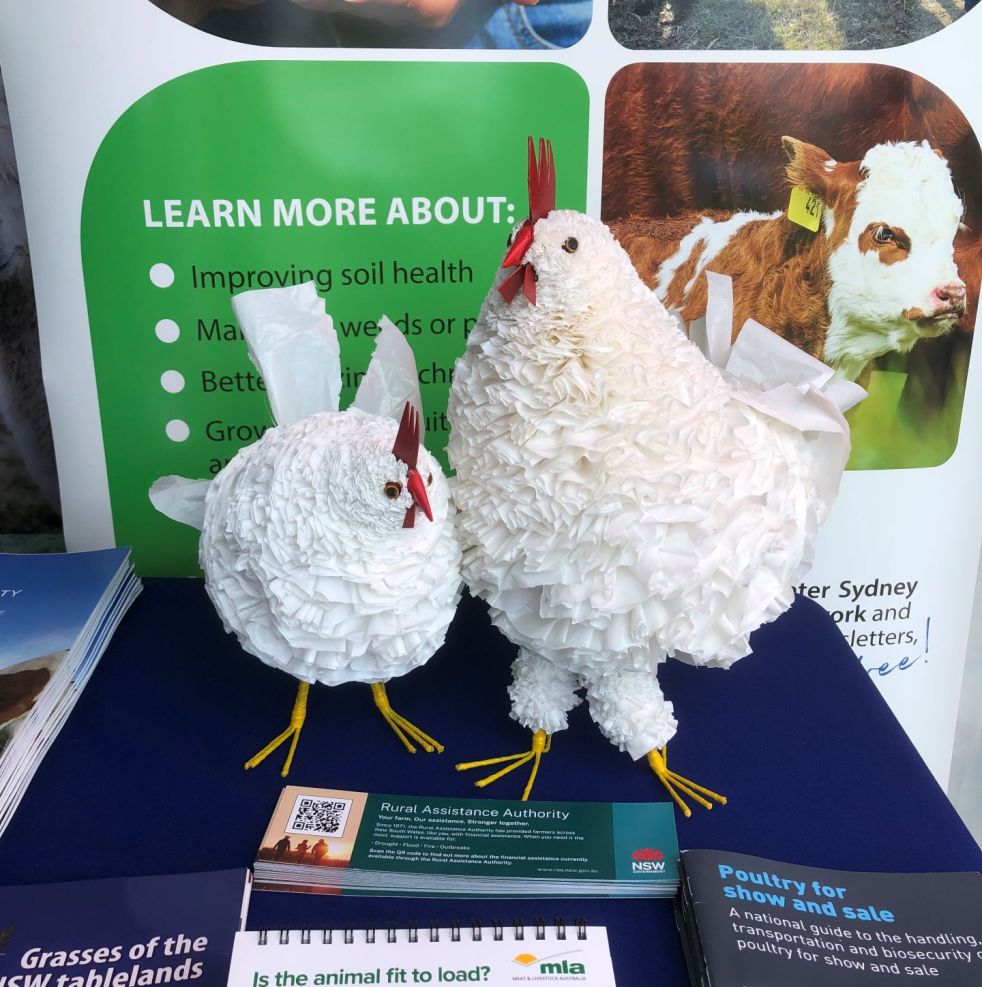
The Camden Show is on again after floods and Covid stopped it in recent years. The show is back with all the bells and whistles of the past with some new innovations. A must see is the 2023 Camden Show.

Argyle Street · Camden · Camden Council · Camden Historical Society · Camden Museum · Camden Red Cross · Camden Show · Churches · Coal mining · Colonial Camden · Country Women's Association · Cultural Heritage · Dairying · Elizabeth Macarthur · Farming · First World War · Floods · Heritage · History · Living History · Local History · Local newspapers · Local Studies · Macarthur · Macarthur Park · Nepean River · Philanthropy · Place making · Placemaking · Railway · Red Cross · Schools · Second World War · Sense of place · Settler colonialism · Settler Society · Silver mining · Storytelling · Sydney's rural-urban fringe · Uncategorized · Urban development · Urban growth · Urban Planning · urban sprawl · Urbanism · Volunteering · Volunteerism · Wartime · World War One

Camden, a Macarthur family venture

The establishment of Camden, New South Wales, the town in 1840, was a private venture of James and William Macarthur, sons of colonial patriarch John Macarthur, at the Nepean River crossing on the northern edge of the familyโ€™s pastoral property of Camden Park. The townโ€™s site was enclosed on three sides by a sweeping bend in the Nepean River and has regularly flooded the surrounding farmland and lower parts of the town.

Art · Attachment to place · Belonging · Camden · Colonial Camden · Colonial frontier · Colonialism · Convicts · Cowpastures · Cultural Heritage · Cultural icon · England · Farming · Heritage · Historical consciousness · Historical Research · Historical thinking · History · Interwar · Landscape aesthetics · Lifestyle · Living History · Local History · Local newspapers · Local Studies · Macarthur · Memorials · Memory · Modernism · Monuments · Myths · Newspapers · Place making · Ruralism · Sense of place · Settler colonialism · Stereotypes · Streetscapes · Sydney's rural-urban fringe · Tourism · Urban growth · urban sprawl · Urbanism · War · Women's history

Making Camden History

Making Camden History tells the story of how the history of the Camden District has been written from the 19th century. It is the history of the history of the local area.