1960s · 20th century · Alan Baker Art Gallery Camden NSW · Artworks · Built Heritage · Camden Cottage · Camden Mid-century Modernism · Camden Modernism · Camden Realism · Camden Story · Community work · Cultural Heritage · Domestic Architecture · Families · Family history · Heritage · House history · Housing · Housing styles · Local History · Local Studies · Lost Camden · Mid-century modernism · Modernism · Place making · Placemaking · Sense of place · Stories · Storytelling

Exploring Elderslie’s Ranch-Style Homes, lost mid-century Camden

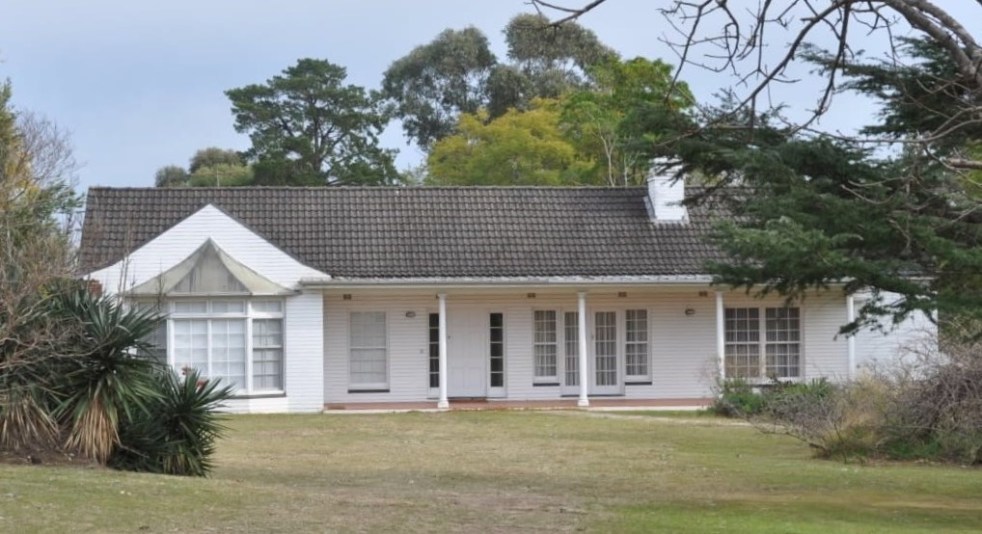
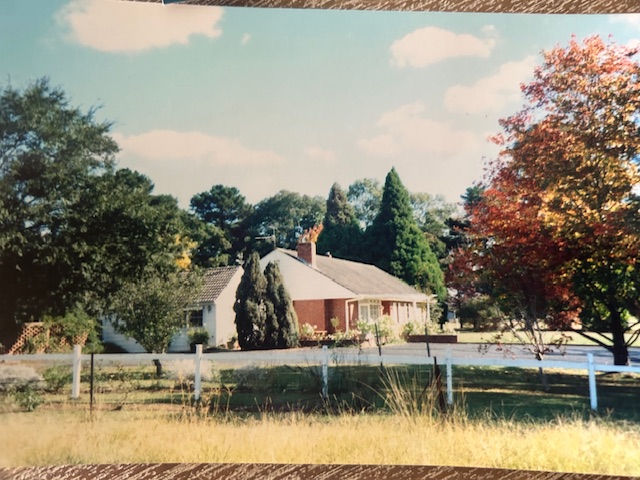
Tarn House, a ranch-style residence built in 1963 by Dr. Gordon Clowes in Elderslie, represents Camden's mid-century modern architecture. Clowes, an influential community figure and surgeon, lived there with his family. The house, now lost, was part of a broader trend of ranch-style homes in the area during the 1960s.

Aesthetics · Architecture · Attachment to place · Australian History · Built heritag · Built Heritage · Camden Built Heritage · Camden Modernism · Camden Story · Community identity · Country town · Cultural Heritage · Domestic Architecture · Elderslie · Heritage · History of a building · History of a house · Hope and loss · House history · Housing · Housing styles · Landscape · Landscape aesthetics · Living History · Lost Camden · Mid-century modernism · Modernism · Narellan · Nostalgia · Place making · Placemaking · Small town · Stories · Storytelling · Uncategorized · Urban development · Urban growth · Urban history · Urban Planning · Urbanism

A Journey Through Camden’s Mid-Century Housing Architecture

Camden's mid-century housing, developed between the 1940s and 1970s, reflects a worldwide modernism movement. Characterized by simple lines and open spaces, these homes arose amid urban growth linked to the new jobs created by the Burragorang coalfields. Unfortunately, many of these historic structures are disappearing, necessitating greater recognition and appreciation of their significance.

1968 Sydney Region Outline Plan · 1973 New Cities Campbelltown Camden Appin Structure Plan · Aesthetics · Airds · Architecture · Attachment to place · Campbelltown · Collective Memory · Community identity · Cultural Heritage · Cultural icon · Economy · Heritage · Historical consciousness · Historical Research · Historical thinking · History · Housing · Landscape · Lifestyle · Living History · Local History · Local Studies · localism · Lost Sydney · Macarthur · Macarthur Growth Centre · Malls · Memory · Mid-century modernism · Modernism · Myths · Place making · Placemaking · Retailing · rural-urban fringe · Sense of place · Shopping · Stereotypes · Storytelling · Streetscapes · Supermarkets · Sydney · Town planning · Urban Decay · Urban development · Urban growth · Urban history · Urban Planning · urban sprawl · Urbanism

Airds Shopping Mall demolition, the unmet expectations of mid-century modernism

The Airds shopping mall's future encapsulates the decline of mid-century modernism in the midst of urban neglect. Once a symbol of optimism, the area's decay reflects broader global trends in retail. From failed Radburn principles to public housing challenges, the mall's history mirrors the clash of modernism and neoliberalism in Campbelltown. Despite the despair former residents report that they recall happy memories and stories of hope growing up in the area.

20th century · Architecture · Burragorang Valley · Camden Cottage · Camden High School · Camden Modern · Camden Modernism · Camden Story · Coal mining · Community identity · Heritage · History · History of a house · House history · Housing · Housing styles · Local History · Lost Camden · Mid-century modernism · Modernism · Placemaking · Sense of place · Social History · Uncategorized · Urban development · Urban growth · Urban history · Urban Planning · urban sprawl · Urbanism · USA

Types of Mid-Century Modernist Housing in Camden

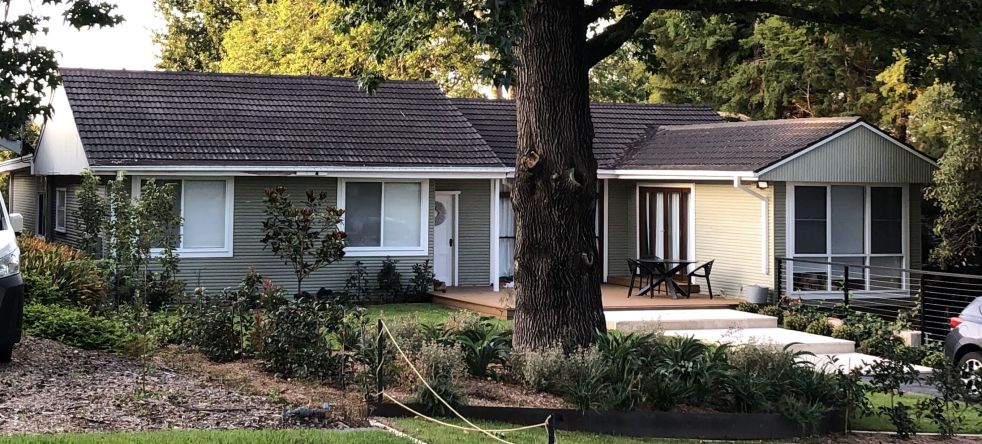
This blog post discusses the types mid-century houses of the Camden NSW area that were built as part of the economic growth and development created by the Burragorang coalfields. These houses were built between the Second World War and the early 1970s, have a variety of residential architectural styles are located south of the town centre, in Elderslie and at Narellan.

20th century · Aesthetics · Architecture · Attachment to place · Belonging · Biography · Built heritag · Camden Cottage · Camden Story · Campbelltown Art Centre · Campbelltown Mid-century modernism · Campbelltown Modern · Campbelltown Modernism · Collective Memory · Community identity · Cultural Heritage · Cultural icon · Domestic Architecture · Family history · History · History of a house · Hope and loss · House history · Housing · Housing styles · Lifestyle · Living History · Local History · Local Studies · Macarthur · Macarthur region · Memory · Mid-century modernism · Modernism · Peri-urban region · Placemaking · rural-urban fringe · Social History · Stereotypes · Storytelling · Symbolism · Urban development · Urban growth · Urban history · Urbanism

‘Fibro Majestic’: A Celebration of Mid-Century Housing at Campbelltown Arts Centre by Catherine O’Donnell

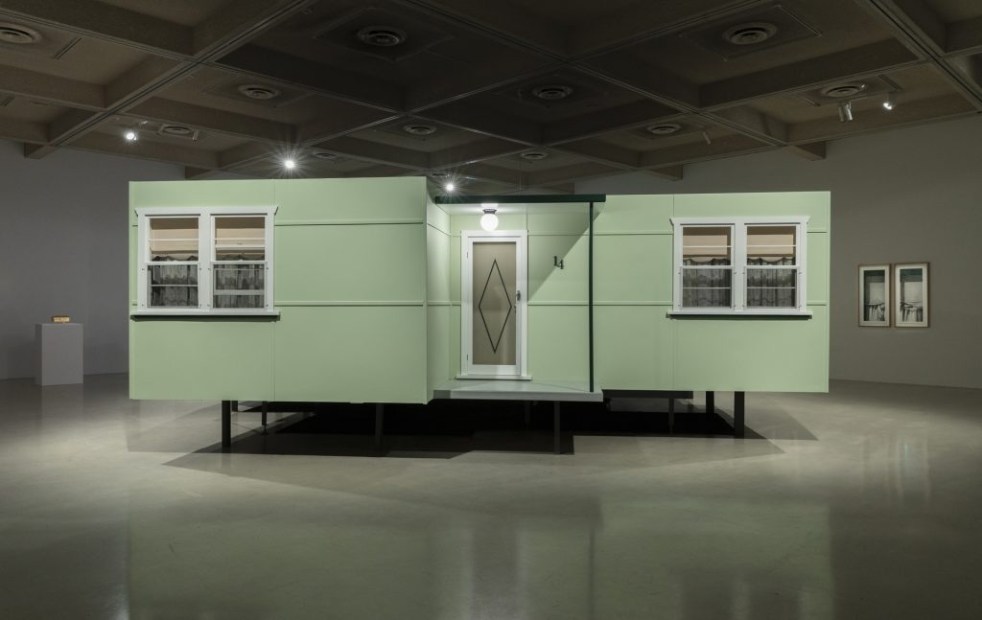
The "Fibro Majestic" exhibition at Campbelltown Arts Centre celebrates the historical significance of fibro housing in Australia, highlighting its role in post-war society. Artist Catherine O'Donnell's work reflects on the nostalgia, memories, and social contexts surrounding these humble structures, transforming perceptions of an architecture once deemed unattractive.

20th century · Attachment to place · Belonging · Camden · Camden Story · Cultural Heritage · England · Families · Gender · Heritage · History · Leisure · Lifestyle · Living History · Local History · Local Studies · Memory · Sense of place · Storytelling · Tourism · Women's diaries · Women's history · Women's Writing

Local girls go to London

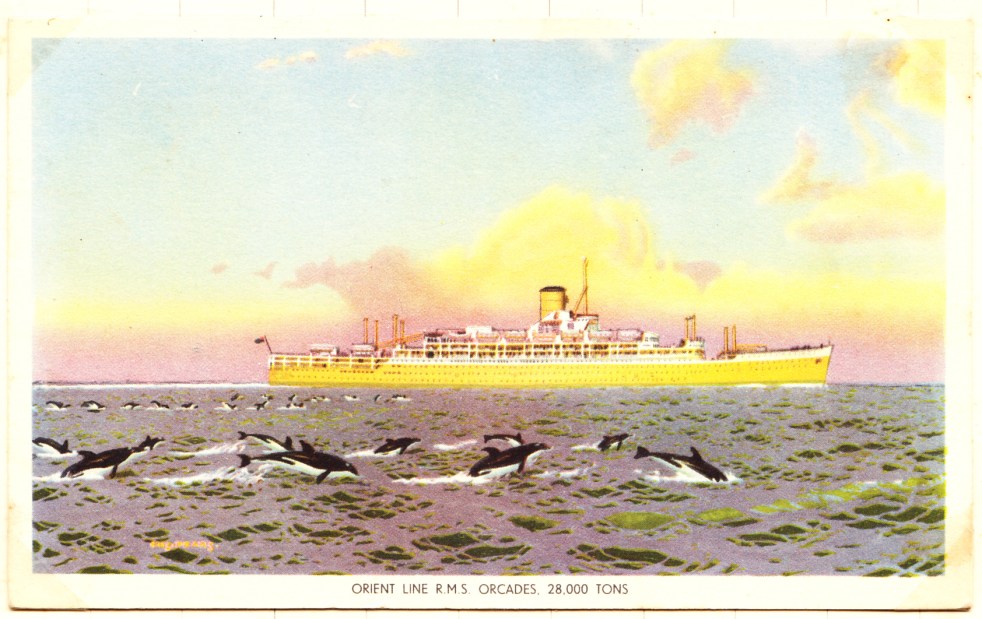
In the mid-20th century it was not unusual for local Camden women to travel overseas by ship. They were part of an exodus seeking adventure and new horizons. They wanted to see the world and they did. The story of one of these young women, Shirley Dunk and her best friend Beth Jackman, has been told in a recently published article in Anglica by the University of Warsaw.

1968 Sydney Region Outline Plan · 1973 New Cities Campbelltown Camden Appin Structure Plan · 20th century · Aesthetics · Architecture · Attachment to place · Brutalist Architecture · Built heritag · Campbelltown · Campbelltown Council · Campbelltown Modernism · Campbelltown Municipal Council · Community identity · Cultural Heritage · Cultural icon · Engineering Heritage · Heritage · Historical consciousness · Historical Research · History · Landscape · Landscape aesthetics · Living History · Local History · Local Studies · Macarthur · Memory · Mid-century modernism · Modernism · Place making · Placemaking · Sense of place · Storytelling · Sydney's rural-urban fringe · Town planning · Urban development · Urban growth · Urban history · Urban Planning · urban sprawl · Urbanism

Campbelltown City Council office extension 1982 – an example of mid-century modernism

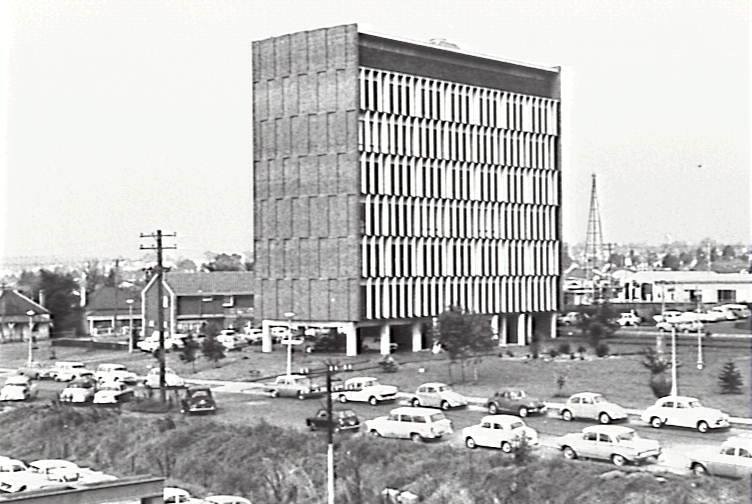
In 1982 Campbelltown City Council had the official opening for the brutalist administration building. Combined with the adjacent 1964 modernist office building they are an outstanding example of mid-century modernism in the Macarthur region

1968 Sydney Region Outline Plan · 1973 New Cities Campbelltown Camden Appin Structure Plan · Aesthetics · Architecture · Attachment to place · Business · Campbelltown · Campbelltown Council · Campbelltown Mid-century modernism · Campbelltown Modern · Campbelltown Modernism · Campbelltown Municipal Council · Community building · Community identity · Cultural Heritage · Cultural icon · Design · Economy · Heritage · Historical consciousness · Historical Research · Historical thinking · History · Living History · Local History · Local Studies · Macarthur · Macarthur region · Mid-century modernism · Modernism · Place making · Placemaking · Sense of place · Storytelling · Urban development · Urban growth · Urban history · Urban Planning · urban sprawl · Urbanism

Exploring Campbelltown’s Mid-Century Modern Administration Building

The Campbelltown Council office building, completed in 1964, serves as an unrecognized icon of mid-century modernism, symbolizing the town's optimistic vision as a satellite city. Despite its structural significance and initial hopes for community development, later planning challenges undermined this vision, leaving the building's legacy complex and often overlooked.

1920s · Aesthetics · Anzac · Architecture · Art · Attachment to place · Australia · Belonging · Cafes · Camden · Camden Airfield · Camden Museum · Camden Show · Colonial Camden · Community identity · Convicts · Country Women's Association · Cultural Heritage · Cultural icon · CWA · Farming · First World War · Gender · Heritage · Historical consciousness · Historical Research · Historical thinking · History · Interwar · Lifestyle · Living History · Local History · Local newspapers · Local Studies · Macarthur · Memory · Modernism · Monuments · Movies · Narellan Military Camp · Place making · Railway · Restaurant · Retailing · Ruralism · Second World War · Sense of place · Tourism · Urban Planning · urban sprawl · Urbanism · War · War at home · Women's history

The Camden story, an evolving project

The Camden story, a continually evolving project that details some of the parts of the local story.

20th century · Adaptive Re-use · Architecture · Attachment to place · Built heritag · Business · Business History · Camden · Camden Story · Cultural Heritage · Cultural icon · Heritage · Historical consciousness · History · Interwar · Leisure · Local History · Local Studies · Memory · Mid-century modernism · Modernism · Motoring History · Moveable Heritage · Narellan · Place making · Placemaking · Retailing · Sense of place · Storytelling · Tourism · Transport · Urban growth · Urban history

Clintons Motors Car Showroom, motoring and modernism

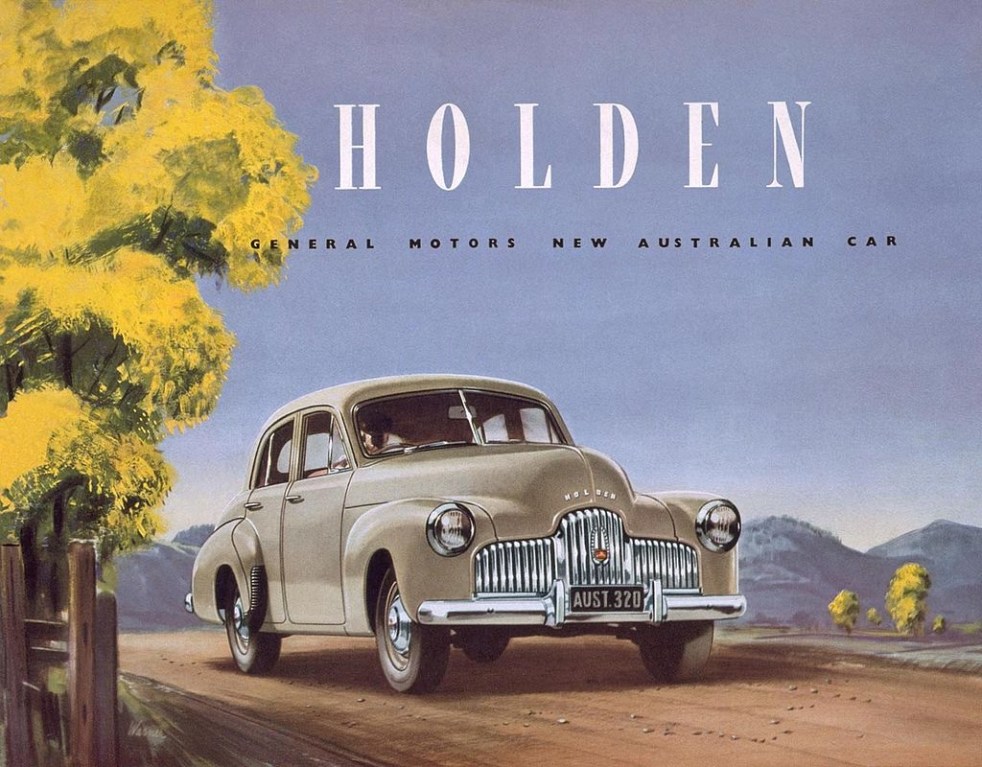
In March 1948, Camden celebrated a new era in motoring with the opening of Clintons Motors' modern showroom. The introduction of the FX Holden marked a pivotal moment in Australian automotive history, showcasing innovation and capturing community excitement. This Art Deco building symbolized modern shopping and transformed Camden's motoring landscape.