
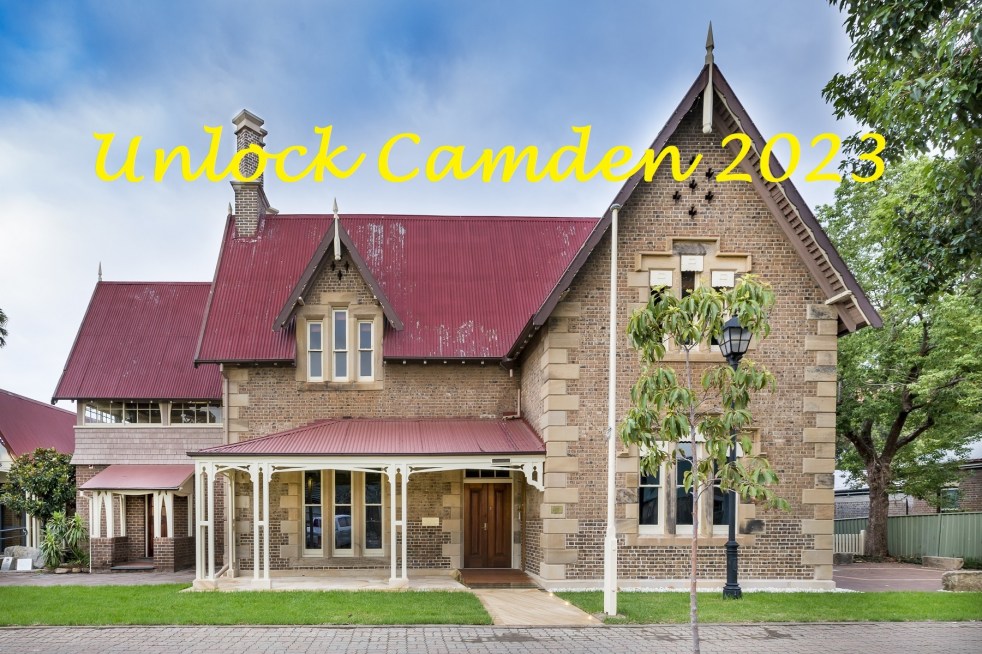
Unlock Camden is a history festival that celebrates the Camden story through walks, art, images, stories, and a host of other activities. Events are centred in historic the John Street precinct around the Alan Baker Art Gallery Macaria.
Category: 1930s

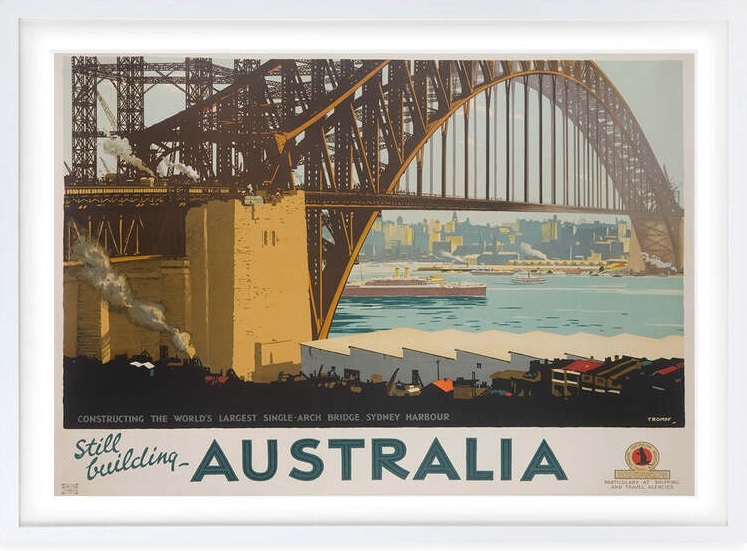
The Sydney Harbour Bridge, an engineering marvel
The Sydney Harbour Bridge is an icon on the Sydney urban landscape. The bridge is an engineering marvel of modernism and the early 20th hope of a new nation.
Share this:

Share this:
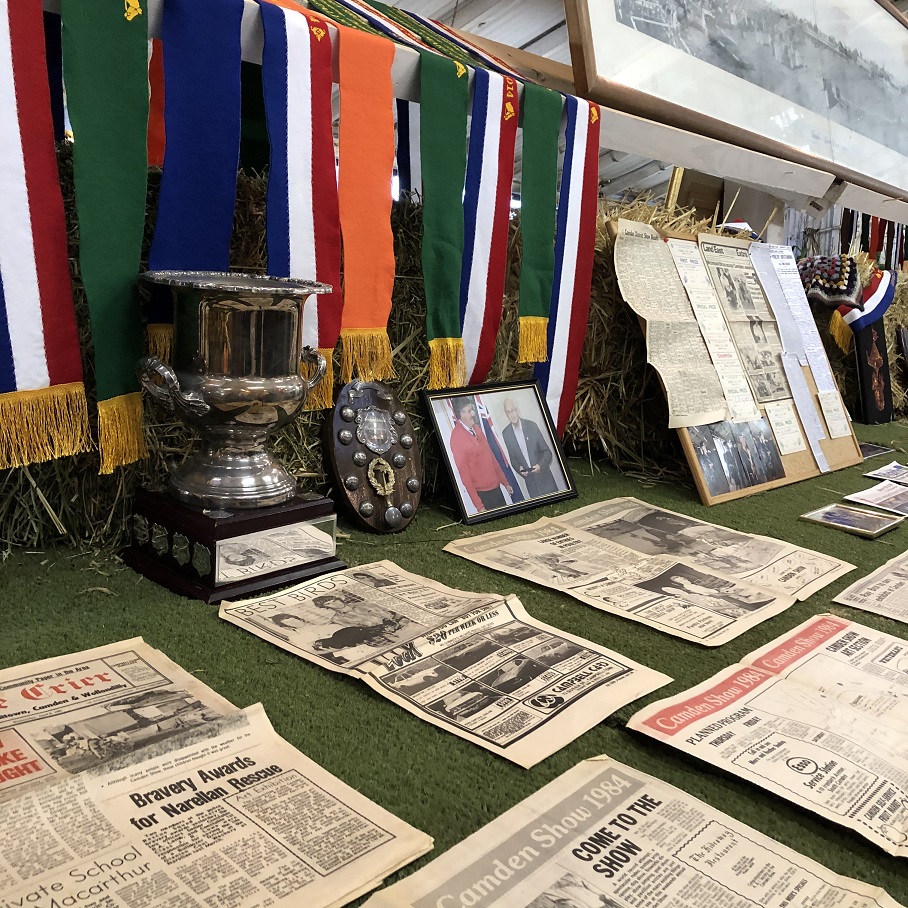
The Camden Story: the historiography of the history of the country town of Camden NSW
The history of telling the story of a small community has been interpreted in different ways at different times in the past by different historians. This area of study is called the historiography. I have recently published an article on the historiography of the small country town of Camden, NSW.
Share this:

Share this:
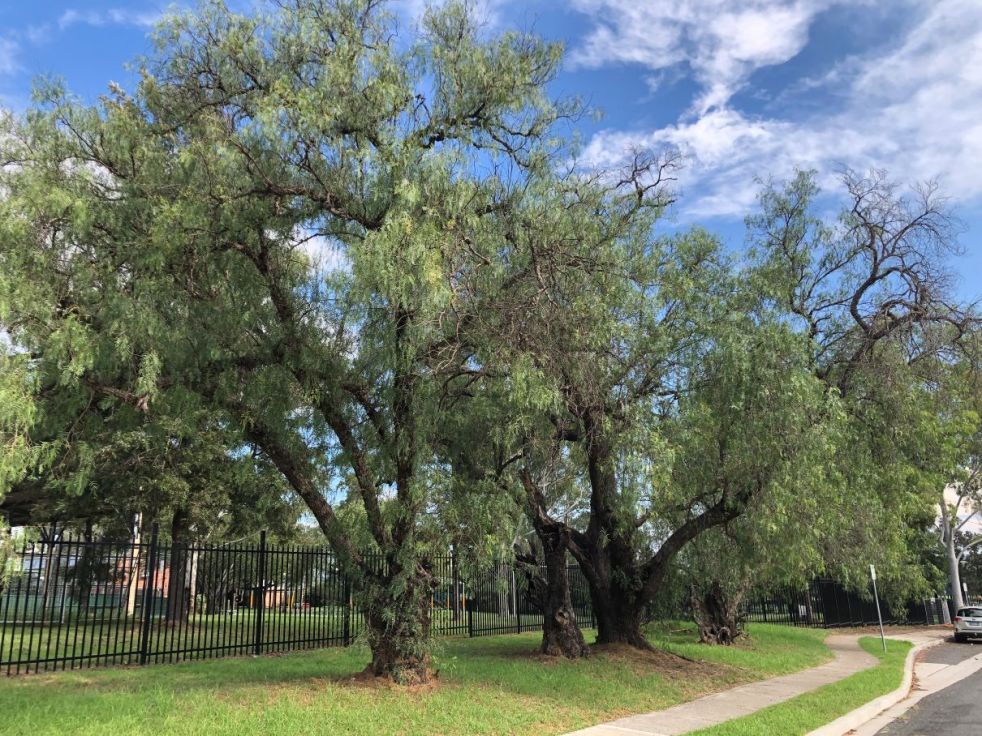
Camden pepper trees, a remnant of the past
In the 1890s, Camden Municipal Council started beautifying the town area by planting various trees, including peppercorns. These cultural plantings defined the local urban landscape for decades, yet only a handful remain today.
Share this:

Share this:
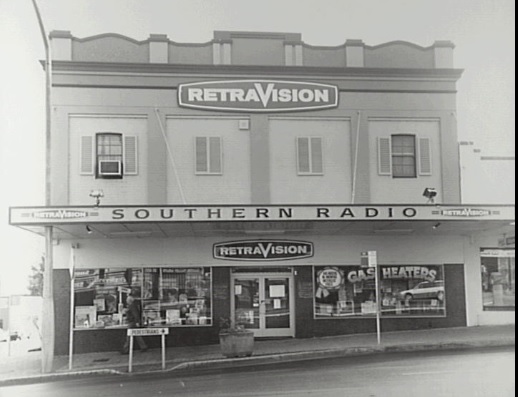
The former Foresters’ Hall, a marvellous Edwardian building
In Camden NSW the former Foresters’ Hall occupies one of the most prominent sites in the Town Centre on Oxley Street and Argyle Street at 147 Argyle Street. On its opening in 1908, the hall was considered the best in New South Wales by the Order of Royal Foresters.
Share this:

Share this:
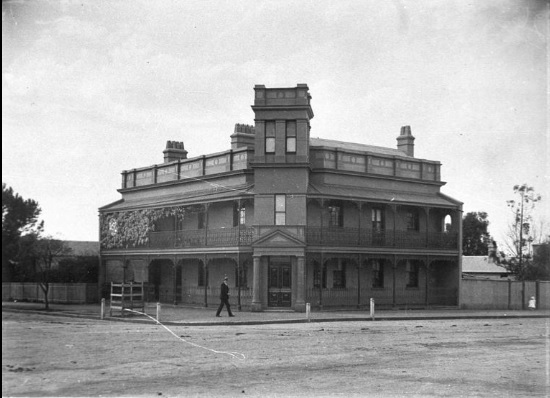
The former Bank of New South Wales building in the country town of Camden
In central Camden is an empty bank building of understated significance at the intersection of John and Argyle Streets. This building was the premises of Westpac, formerly the Bank of New South Wales, and was the second banking chamber on that site. Constructed in the 1930s by a prominent firm of local builders and designed by one of Sydney’s top award-winning architects. It is a building of much architectural merit, and few know its history.
Share this:

Share this:
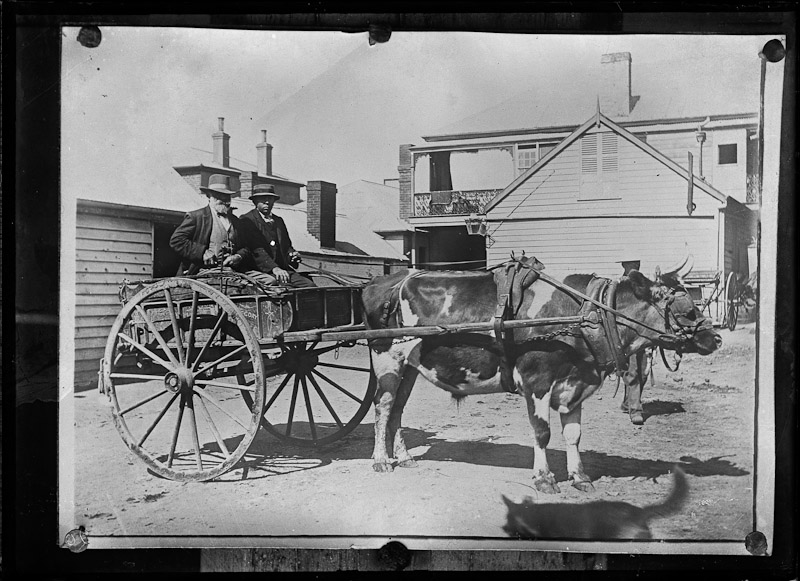
The Roy Dowle collection and old photographs
Old photographs are a glimpse into the past and capture many memories of another time. The Roy Dowle Glass Plate collection at The Oaks Historical Society is a source of many local images.
Share this:

Share this:
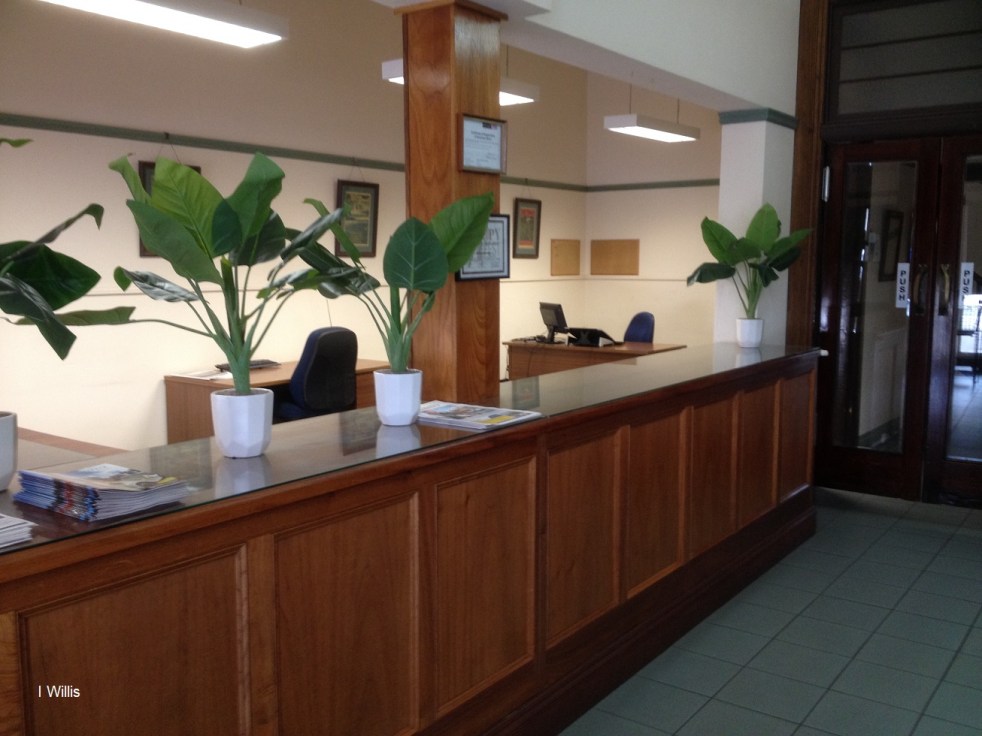
Goulburn Evening Penny Post and its Art-Deco newspaper office and printery
In 1935 a moderne Art-Deco style office was opened for the Goulburn Evening Penny Post
Share this:

Share this:
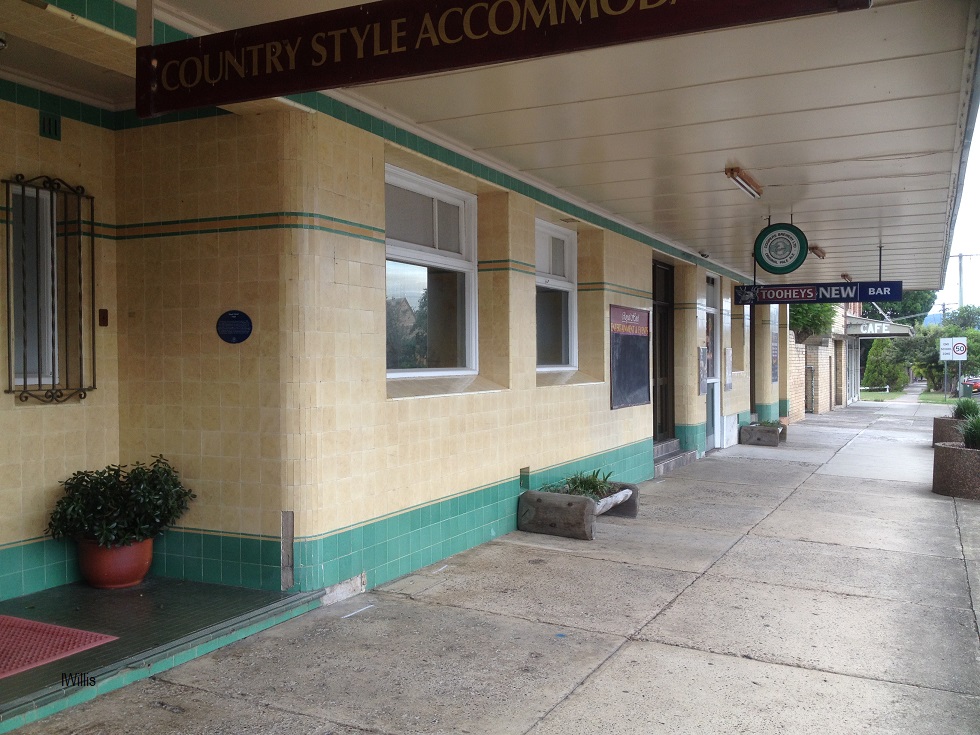
Dungog’s Royal Hotel, an Art Deco Bush Pub
The Dungog Royal Hotel is an example of an Interwar Art Deco style hotel in an Australian country town
Share this:

Share this:
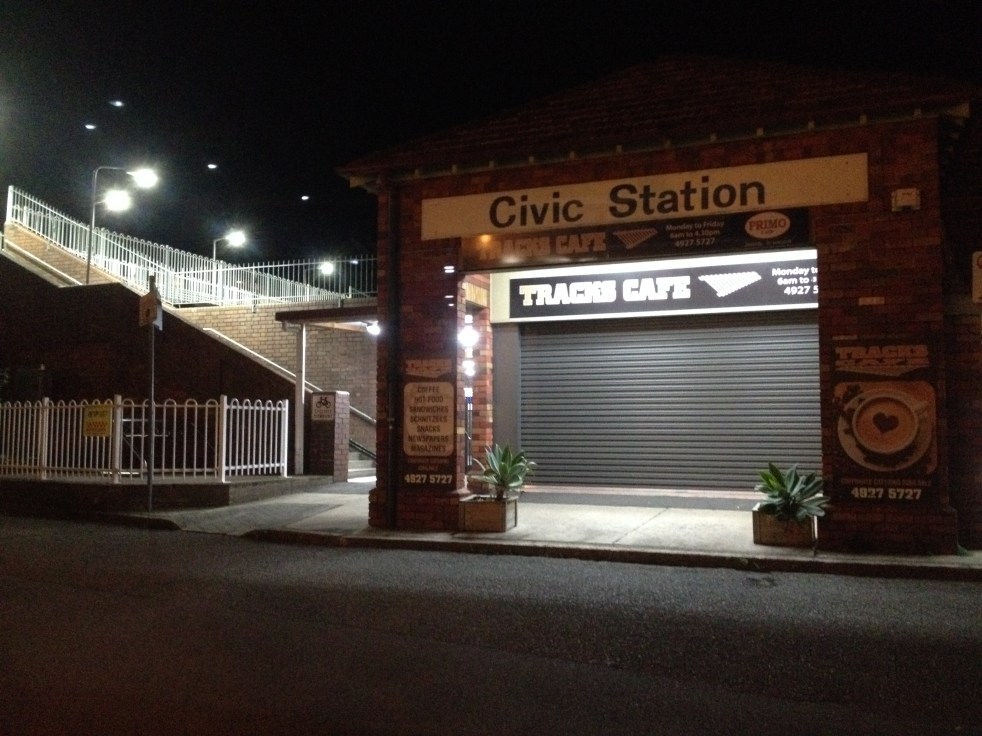
Civic Railway Station, revealing part of Newcastle modernism
Civic Railway Station, now closed, reveals some of the aesthetics of Newcastle modernism.

