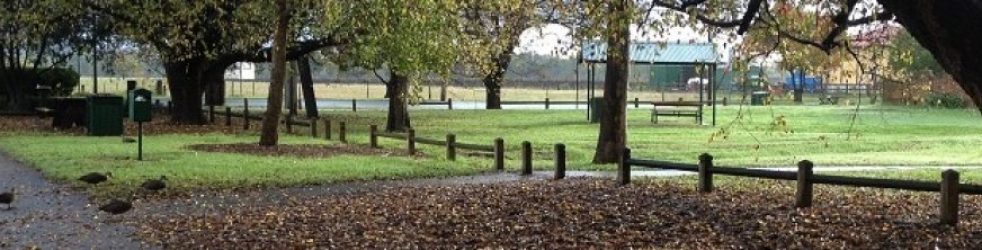
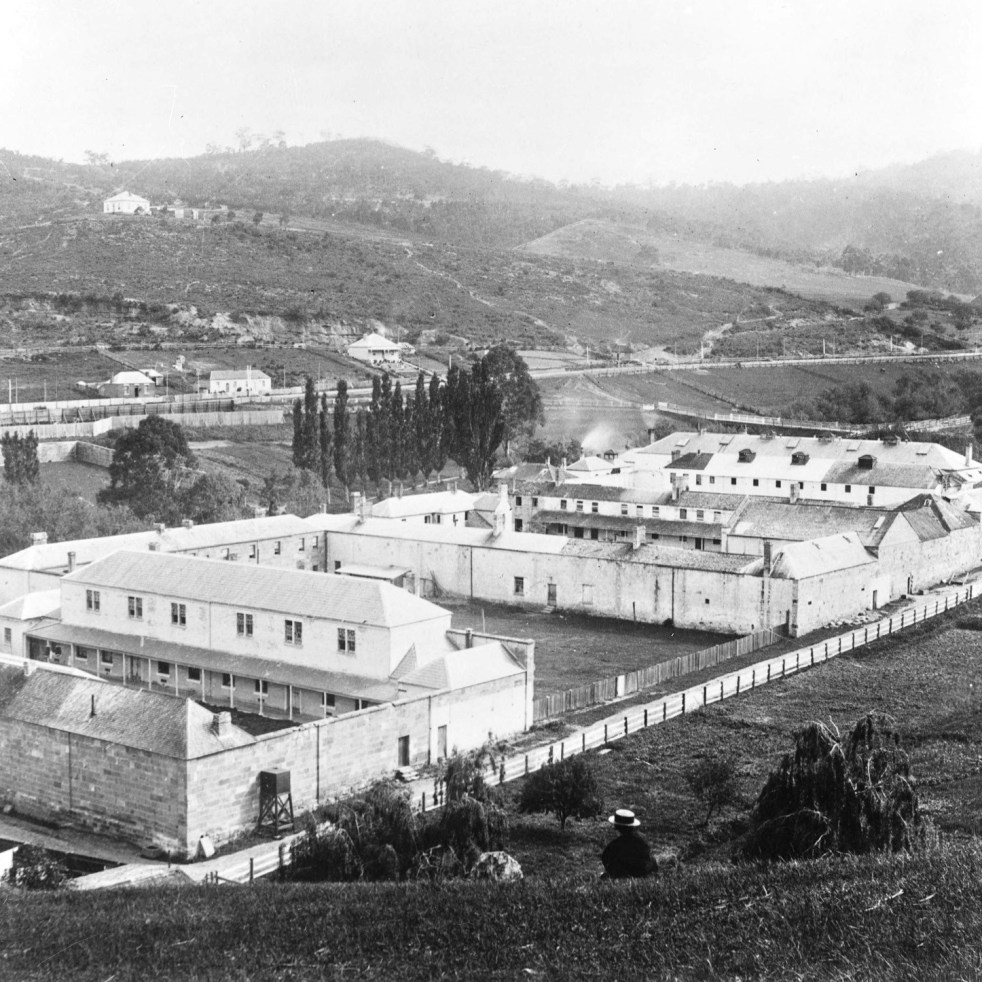
Public art has been used in Hobart to reveal stories of female convicts that have been hidden in the shadows for decades on the Hobart waterfront and at the Cascades Female Factory.
Category: Adaptive Re-use

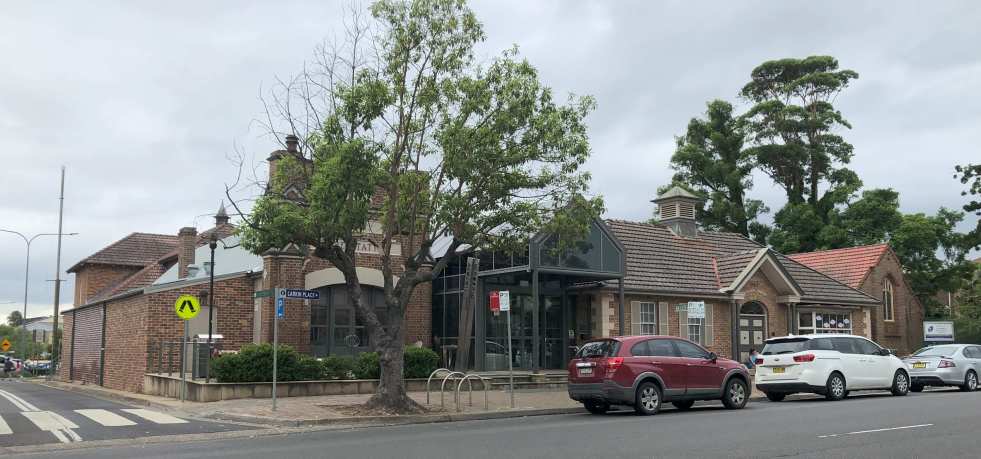
The Camden Library Museum, conservation through adaptative reuse
The Camden Library Museum, located at 40 John Street, has a rich history with numerous additions and occupants, including the Camden Council, Library, Fire Brigade, and Red Cross. The building's conservation through adaptation has retained its cultural significance as a heritage place. The former School of Arts and Temperance Hall have also played important roles in the building's evolution.
Share this:

Share this:

Camden Library and Museum public art
Collaborative efforts The 2007 Camden Library and Camden Museum redevelopment project resulted in a community collaboration to create a mix of public artworks. The collaboration process was led by Camden Council Cultural Development Coordinator Angela Pasqua. Participants included school children, TAFE students, artists and sculptors. The artworks were commissioned by Camden Council.. The efforts have… Continue reading Camden Library and Museum public art
Share this:

Share this:
Voluntary labour worth thousands of dollars to the Camden Museum
Small museums contribute a considerable amount of value to the economy through unpaid voluntary labour. According to the latest research, the value of unpaid voluntary labour to the Camden Museum is worth around A$580,000 a year. The Camden Museum and the Camden Historical Society are completely run by volunteers. They are some of many voluntary community organisations in the local area.
Share this:

Share this:
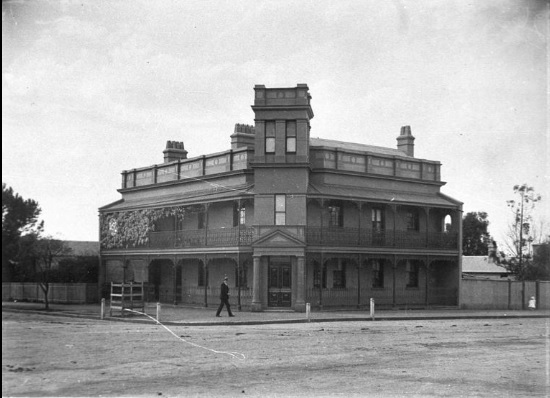
The former Bank of New South Wales building in the country town of Camden
In central Camden is an empty bank building of understated significance at the intersection of John and Argyle Streets. This building was the premises of Westpac, formerly the Bank of New South Wales, and was the second banking chamber on that site. Constructed in the 1930s by a prominent firm of local builders and designed by one of Sydney’s top award-winning architects. It is a building of much architectural merit, and few know its history.
Share this:

Share this:

St Mark’s Church Elderslie, the little church on the hill
St Mark's Church Elderslie tells the story of a small farming community that has disappeared through the mists of time. The history of St Mark’s church is the history of Elderslie, and the church was a special place of community celebrations and commemorations along with family celebrations, traditions, and events. The church has been a gathering place, a sacred site.
Share this:

Share this:
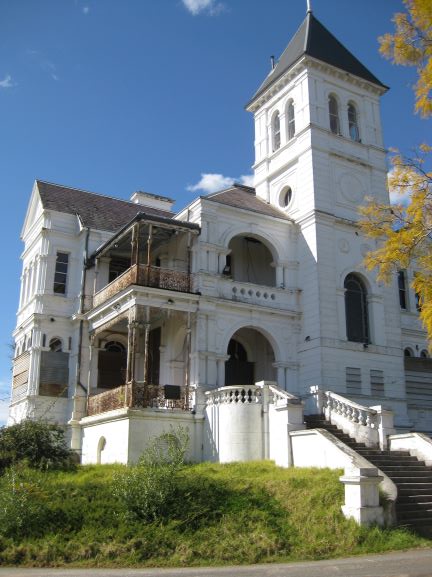
Narellan’s Built Heritage
The former colonial village of Narellan originally located in the Cowpastures has some fascinating surviving built heritage.
Share this:

Share this:

Mundane objects tell an interesting story
Utility covers are mundane objects that tell interesting stories about the past in an area. Others consider then to be a form of street art and street aesthetic.
Share this:

Share this:
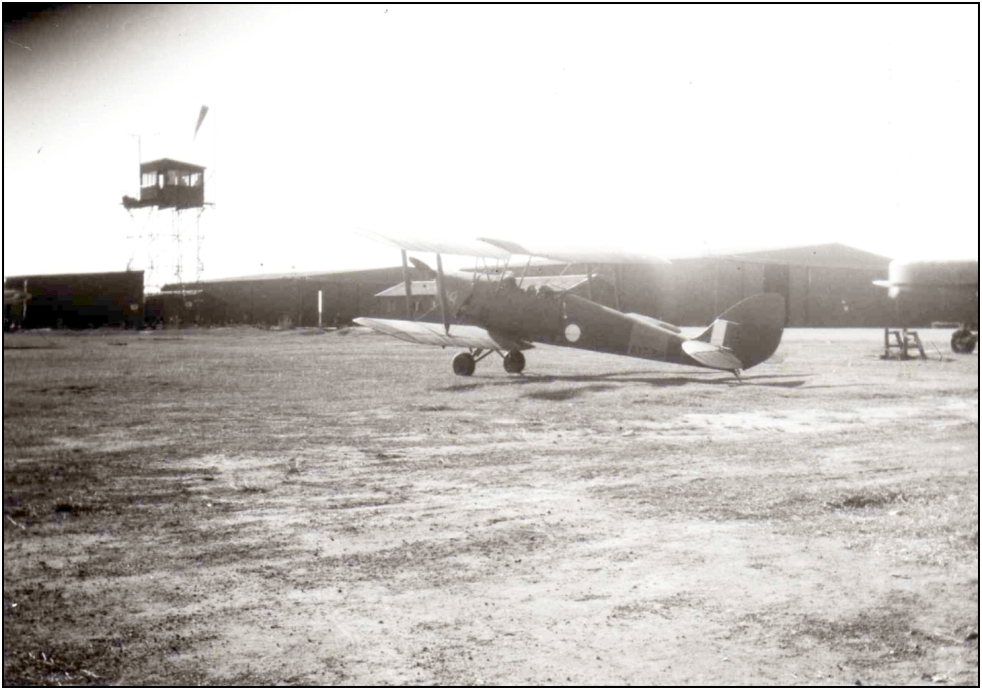
Understanding Bellman Hangars: Camden’s WWII Heritage
Camden Airfield's Bellman hangars, erected during World War II, served as transportable structures for the RAAF Central Flying School under the Empire Air Training Scheme. British-designed by NS Bellman in 1936, these hangars represent Australia's aviation heritage and were crucial for pilot training. Over 280 were supplied across Australia and New Guinea and are part of the country's aviation archaeology.
Share this:

Share this:
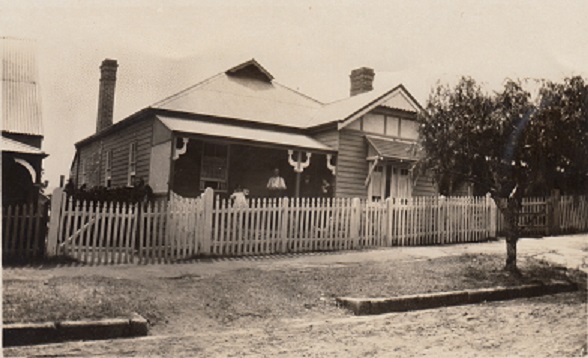
Camden Edwardian Cottages
Camden has quite a number of Edwardian cottages in the town area, on surrounding farms and in local district villages. They are typical of the early twentieth century landscape in the local district. These have been called the Camden Cottage.

