Australian History · Business · Camden Park Estate · Camden Park House and Garden · Camden Story · England · History · Local History · Local Studies · Macarthur · Newspapers · Place · Political history · Power and Influence · Social History · Stories · Storytelling

Privacy, piety and power at Camden Park: 1905 Vickery-Ellis marriage

In mid-1905, a private wedding took place at Camden Park between 82-year-old Ebenezer Vickery and 52-year-old Deborah Louise Ellis, a teacher and charity worker. Despite gossip in The Bulletin magazine, which wrongfully described Ellis's age and referred to her as Vickery's 'typewriter,' the wedding was attended by notable figureheads. Vickery, known for his wealth and philanthropy, held positions in various corporations and was involved in mining ventures. Ellis, active in philanthropic circles, played a role in social issues. Their marriage highlighted a complex interplay of privacy, power, and community, reflecting societal attitudes of the era.

1920s · Adaptive Re-use · Aesthetics · Architecture · Attachment to place · Belonging · Business · Camden · Camden Museum · Camden Park House and Garden · Colonial Camden · Communications · Community identity · Cowpastures · Cultural Heritage · Cultural icon · Economy · Entertainment · Family history · Fashion · Festivals · Genealogy · Heritage · Historical consciousness · Historical Research · Historical thinking · History · History of a house · History theory and practice · House history · Job creation · Lifestyle · Living History · Local History · Local Studies · Macarthur · Media · Menangle · Military history · Modernism · NSW History K-10 Syllabus · Place making · Ruralism · Sense of place · Settler colonialism · Stereotypes · Storytelling · Streetscapes · Sydney's rural-urban fringe · Tourism · Travel · Urban growth · Urban Planning · urban sprawl · Volunteering · Volunteerism · Women's history

Understanding the Camden Story: History, Community, and Identity

The Camden story encapsulates the rich tapestry of tales and histories that define the Camden community, including dreamtime legends and settler accounts. It offers insight into the community's values, identity, and resilience, serving as both a historical narrative and a tool for local businesses, fostering deeper connections among residents.

1930s · Aesthetics · Agricultural heritage · Agriculture history · British Heritage · Camden Park Estate · Camden Park House and Garden · Camden Story · Canberra · Colonial garden · Commemoration · Cowpastures Gentry · Elizabeth Farm · Elizabeth Macarthur · Garden history · Gardening · Gender · Heritage · History · History of wool industry · Johm Macarthur · Landscape aesthetics · Living History · Macarthur family · Memorial · Memorialisation · Memorials · Memory · Nationalism · Philanthropy · Roses · Sibella Macarthur Onslow · Social History · Uncategorized · Volunteering · Volunteerism · Women's history · Women's stories

Canberra’s Macarthur Garden: a tribute to Australia’s wool pioneers and their contribution to the foundation of the nation

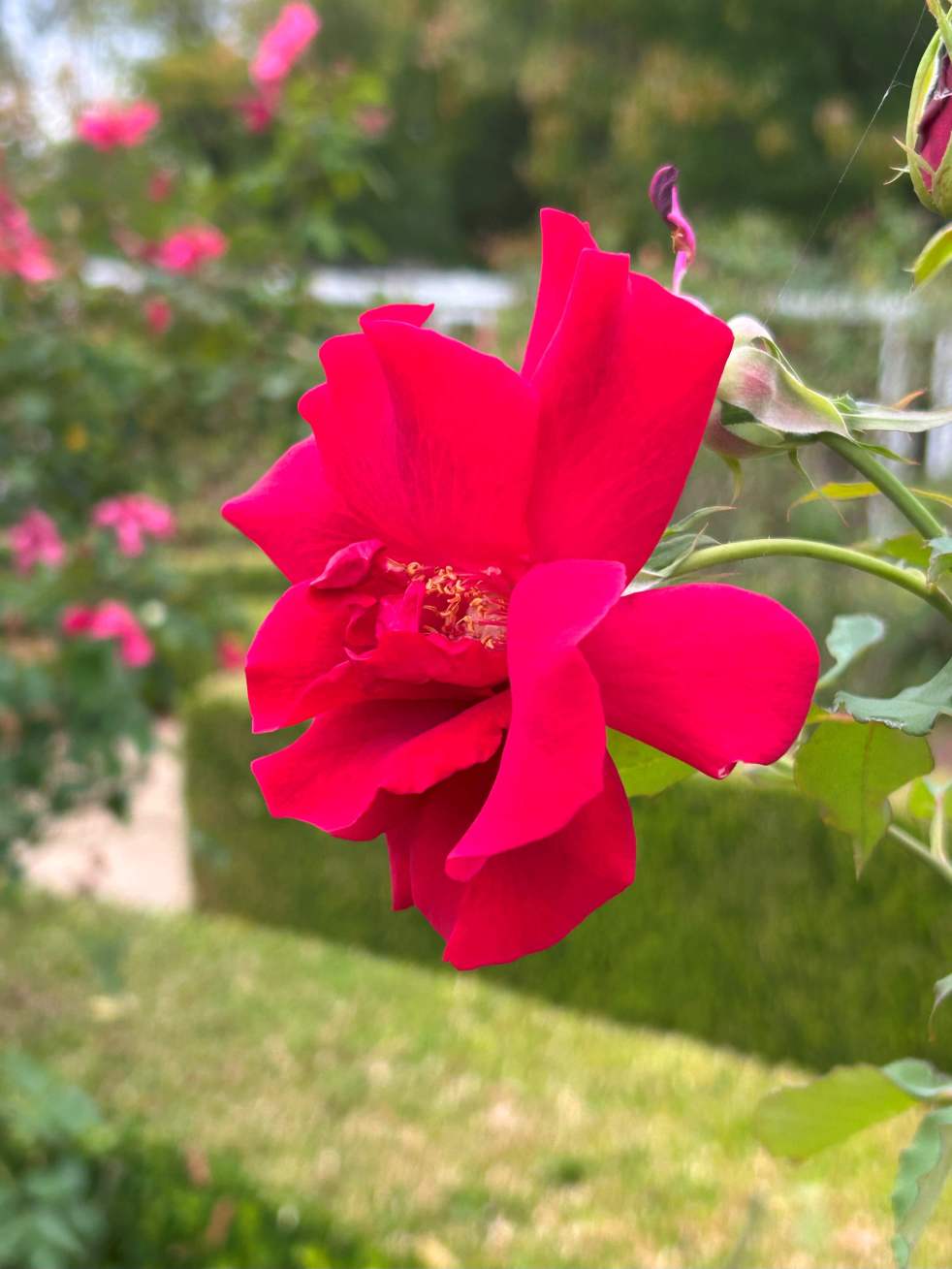
The Macarthur Rose Garden in Canberra commemorates John and Elizabeth Macarthur's pivotal role in Australia's fine wool industry. Donated by their great-granddaughter, Sibella Macarthur Onslow, the garden features roses symbolizing hope and gratitude. Established from 1937-1938, it reflects the connection between the Macarthurs and Australia’s early nationalism.

19th Century · 20th century · Adaptive Re-use · Adaptive Reuse · Agricultural heritage · Agricultural modernism · Agriculture · Agriculture history · Architectural History · Architecture · Artefacts · Attachment to place · Belgenny Farm · Belonging · British colonialism · Built Heritage · Business History · Camden Park Estate · Camden Park House and Garden · Camden Story · Carpentry · Collective Memory · Colonial Australia · Colonial Camden · Colonial frontier · Community Engagement · Community identity · Cultural and Heritage Tourism · Cultural Heritage · Dairying · Farming · Farming history · History · History Festival · Living History · Local History · Local Studies · Lost trades · Macarthur family · Place making · Placemaking · Sense of place · Settler Society · Stories · Storytelling

Explore Belgenny Farm: A Journey Through Time 2024

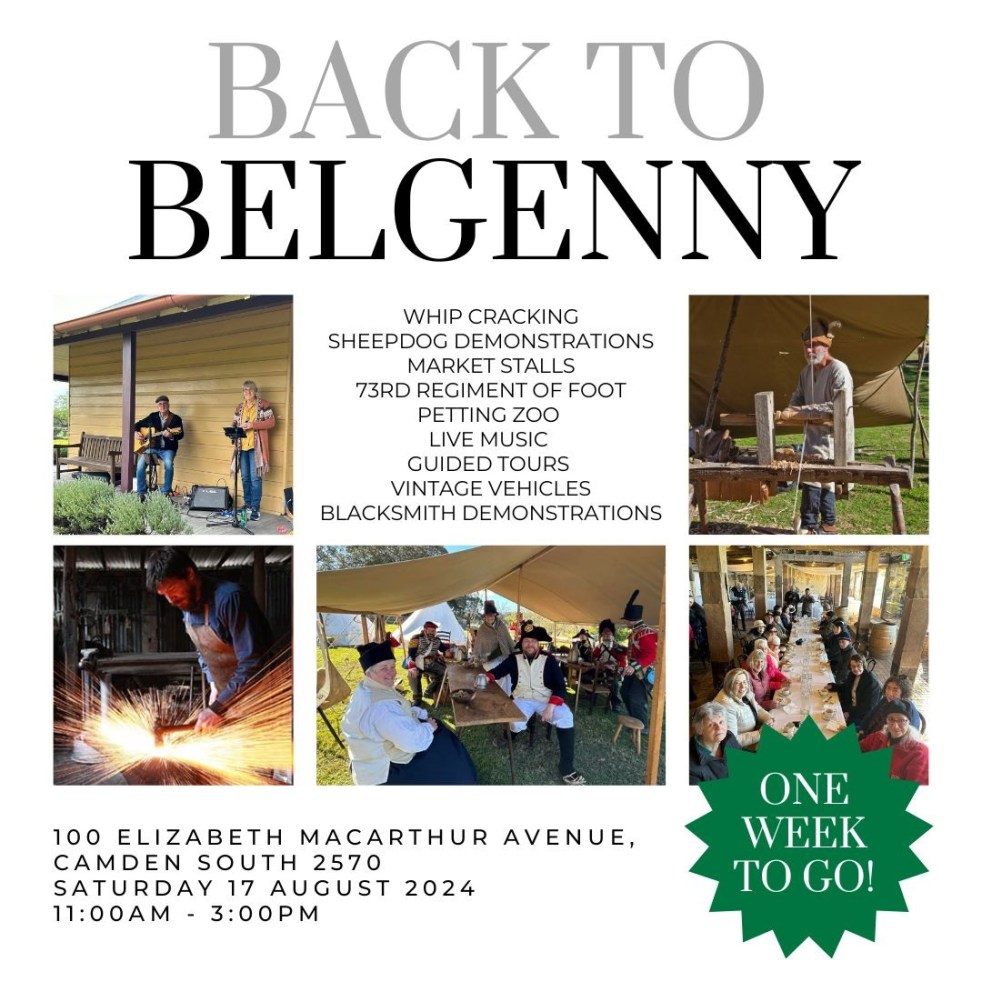
The 2024 Back to Belgenny festival showcased living history at Belgenny Farm, featuring reenactments, traditional trades, and various activities such as sheepdog trials and guided tours. The event included a demonstration by Governor Macquarie’s regiment and highlighted the farm's historical significance, providing visitors with an immersive glimpse into colonial agricultural life.

Active citizenship · Agency · Anzac · Australia · Australia Day · Australian Red Cross · British Red Cross · Camden Park Estate · Camden Park House and Garden · Camden Story · Collective Memory · Community building · Community celebrations · Community Engagement · Community organisations · Community work · Country town · First World War · Local Studies · Macarthur · Macarthur family · Medical Humanities · Place making · Placemaking · Red Cross · Red Cross Humanitarianism · Red Cross Movement · Small town · Stories · Storytelling · Volunteering · Volunteerism · War · War at home · Wartime · Women's stories · World War One

Australia Day 1915 in Camden: Record-breaking Wartime Fundraiser

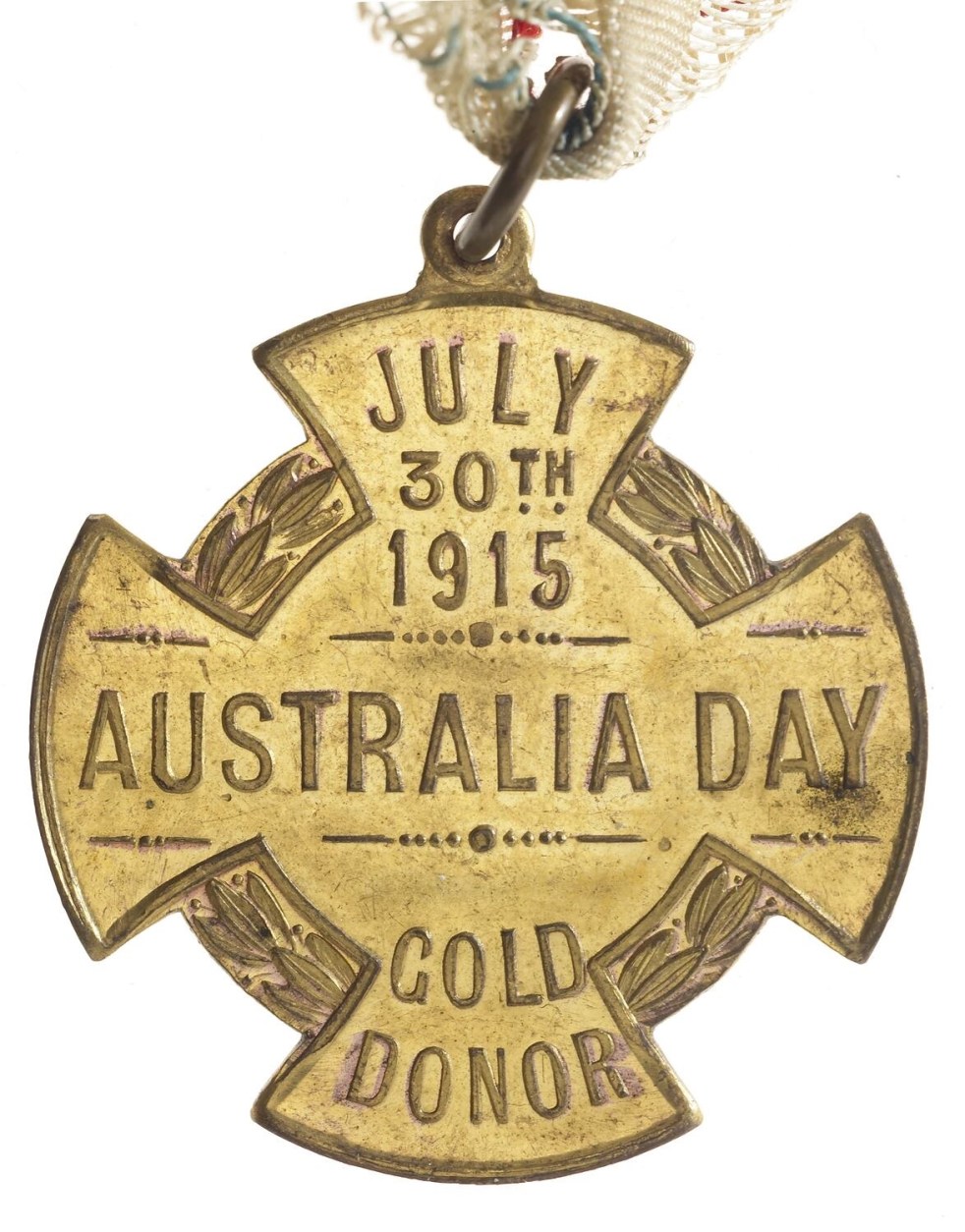
In mid-1915, the Camden Patriotic Fund took over fundraising for the first Australia Day appeal directing proceeds to the Red Cross for Australian wounded. The patriotic fund raised a substantial amount of money through various events. Meanwhile, on a national scale, the significance of the first Australia Day evolved from an idea initiated by Mrs. Elle Warton-Kirke of Manly NSW to an important Red Cross day. In Camden, the 1915 Australia Day activities were a significant wartime fundraiser, demonstrating the community's support for the war effort.

Agave · Camden · Camden Park House and Garden · Camden Story · Cawdor · Cawdor Road · Collective Memory · Colonial Camden · Colonial frontier · Cowpastures · Family history · Folklore · Frontier violence · Ghosts · Legends · Memory · Mysteries · Newspapers · Pioneers · Place making · Sense of place · Stories · Storytelling

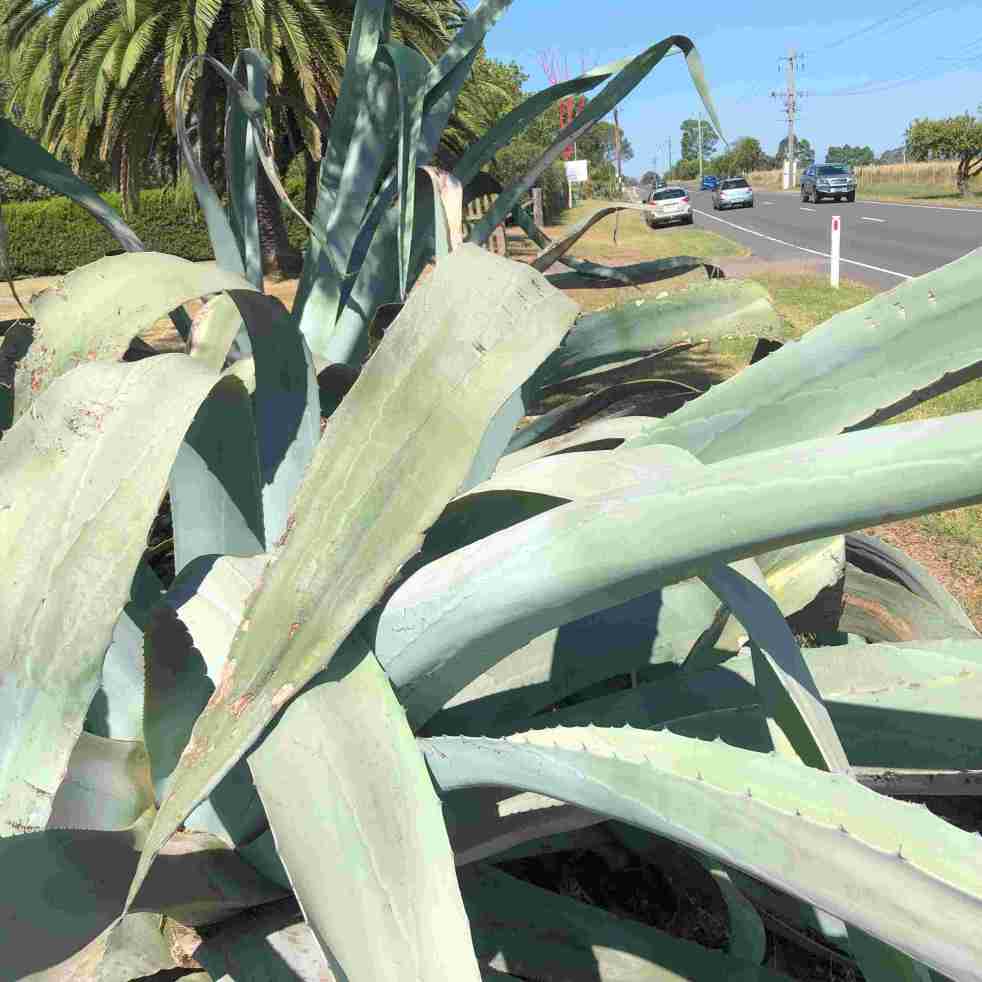
Agave on Cawdor Road, a part of local folklore

The agave plants near Cawdor Road, Camden, have become part of local folklore, with stories spanning murder, historical colonial gardens, and Indigenous conflict. These slow-growing succulents have sparked controversy and conjecture, with their true history and significance remaining a mystery. Despite attempts to uncover the truth, the agave's legend endures across generations.

1920s · Architecture · Attachment to place · Camden Park House and Garden · Camden Story · Carpentry · Colonial Camden · Colonial frontier · Colonialism · Cowpastures · Craft · Cultural Heritage · Cultural icon · Economy · Engineering Heritage · Farming · Heritage · History · Industrial Heritage · Lifestyle · Local History · Local Studies · Lost trades · Memory · Modernism · Pioneers · Place making · Ruralism · Sense of place · Settler colonialism · Stereotypes · Storytelling · Traditional Trades

Traditional trades, the legacy of Camden’s carpenters

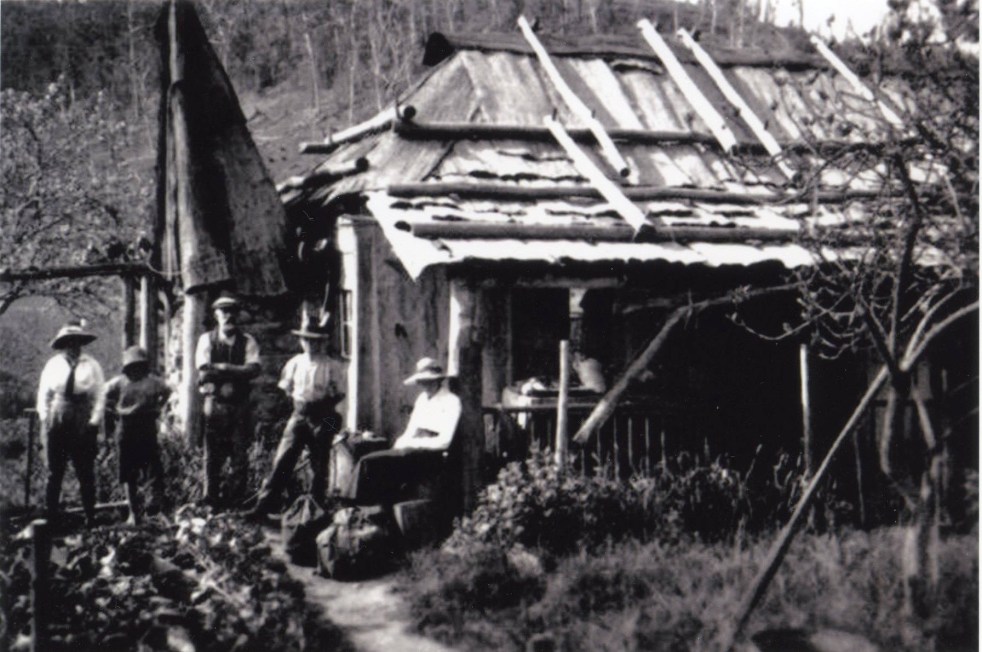
Carpentry, vital in Camden for centuries, began with Aboriginal bush carpentry using local materials for survival. European settlers adopted this craft, creating simple structures and relying on ingenuity. Formal carpentry evolved with guilds and apprenticeships, maintaining traditional techniques and tools, shaping Camden's architectural landscape with lasting quality.

1920s · 20th century · Babies · Camden · Camden Park House and Garden · Camden Story · Community identity · Cultural Heritage · Cultural icon · CWA · Dr West · Edwardian · European Exceptionalism · Families · Family history · First World War · Gender · Heritage · Historical consciousness · Historical thinking · History · Infant Welfare · Local History · Local Studies · Macarthur · Memory · Motherhood · Pioneers · Place making · Red Cross · Second World War · Sense of place · Storytelling · Uncategorized · Victorian · Volunteering · Volunteerism · War · War at home · Wartime · Women's history · Women's Writing

Motherhood and nation-building in the early 20th century

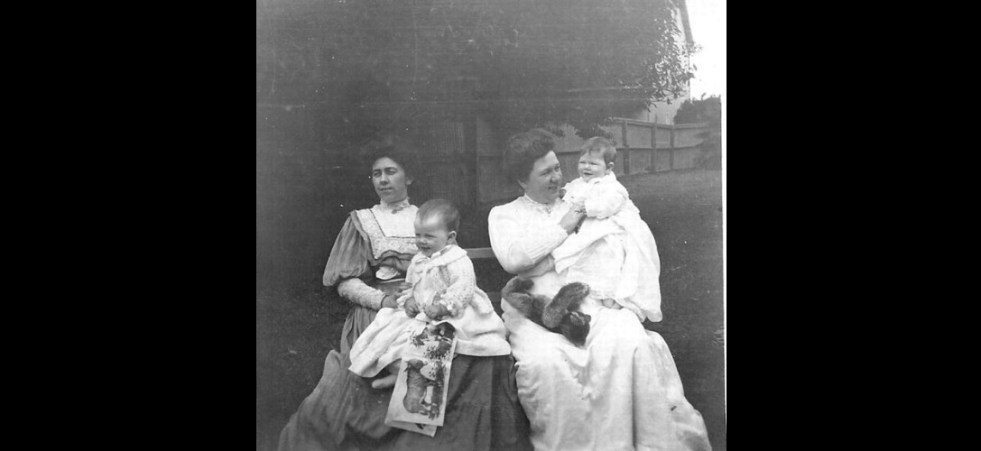
Around the turn of the century a direct link was made between infant welfare, motherhood, patriotism and nationalism. Motherhood and mothering were expressed in terms of patriotism and a national priority. All driven by European exceptionalism.

Agricultural heritage · Camden Park House and Garden · Camden Story · Community Health · Contamination · Cultural Heritage · Dairying · Economy · Farming · Heritage · History · Infant Welfare · Local History · Local Studies · Macarthur · Memory · Modernism · Place making · Produce · Retailing · Sense of place · Shopping · Storytelling · Sydney

Bottled milk and hygienic dairies: agricultural modernism

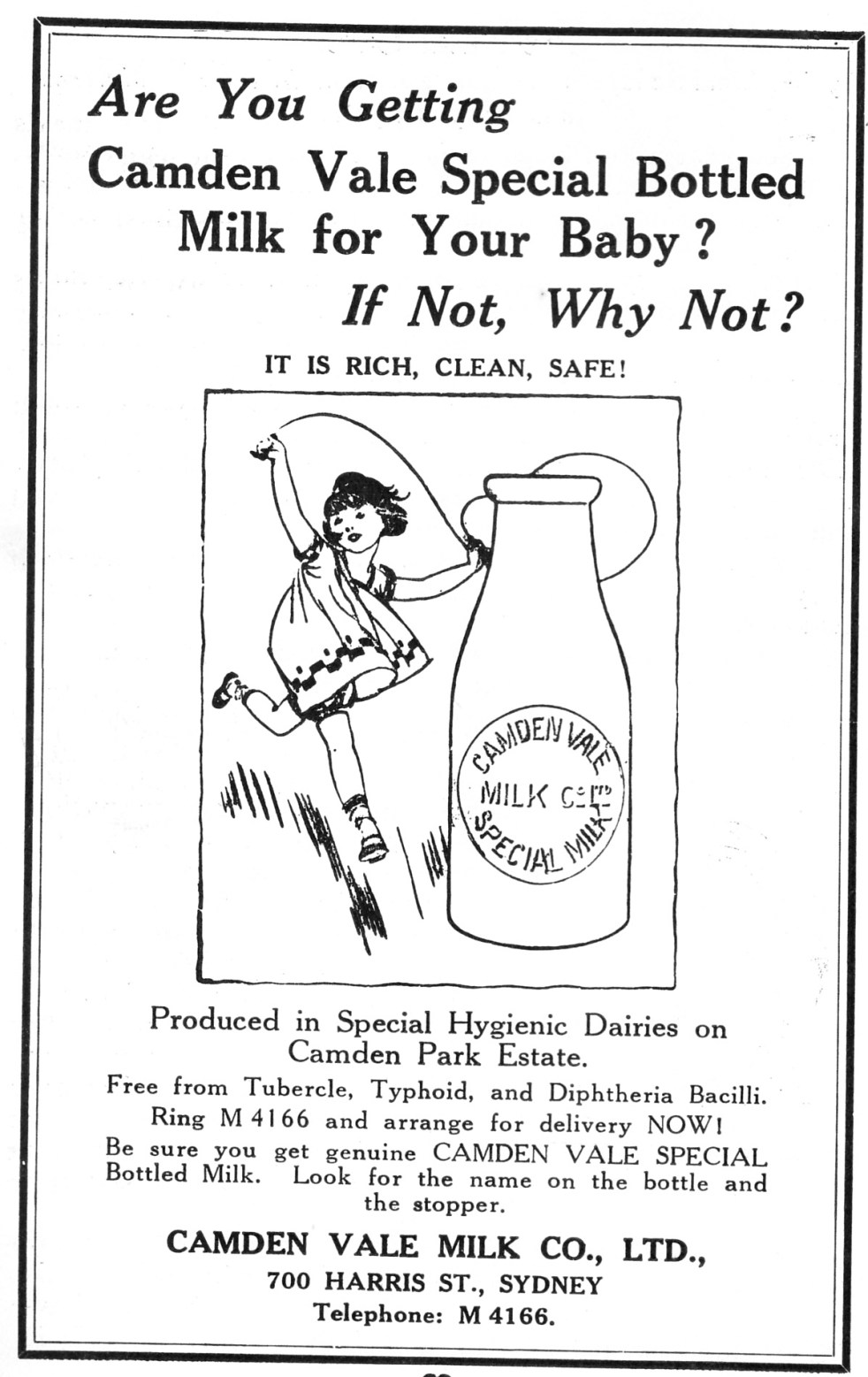
Camden Vale Milk was produced by the dairies of Camden Park Estate. It was promoted as ‘Free from Tubercule, Typhoid and Diphtheria Bacilli’. Camden Vale promised that its milk was ‘rich, clean’ and ‘safe’ in an advertisement for the 1931 Health and Baby Welfare Week.

Attachment to place · Camden Park House and Garden · Colonial Camden · Community identity · Country Women's Association · Cultural Heritage · CWA · Edwardian · First World War · Gender · Heritage · Historical consciousness · History · Interwar · Local History · Local Studies · Macarthur · Memory · Menangle · Modernism · Movies · Myths · Philanthropy · Place making · Red Cross · Second World War · Sense of place · Settler colonialism · Stereotypes · Storytelling · TV Series Shows · Volunteering · Volunteerism · War · War at home · Women's diaries · Women's history · Women's Writing

Formidable women from the past

Formidable women from the past in the country town of Camden NSW