19th Century · Agricultural heritage · Agriculture · British colonialism · British Heritage · Colonial Australia · Colonial Camden · Colonial frontier · Colonial NSW · Colonial Settler Community · Colonialism · Convicts · Cowpastures · Cowpastures district · Cowpastures Estates · Cowpastures Gentry · Cowpastures Region · Cowpastures River · Cultural Heritage · Cultural icon · Dairying · Economy · Elderslie · England · Families · Family history · Farming history · Heritage · John Hawdon · Local Studies · Pioneers · Place · Place making · Placemaking · Social History · Stories · Storytelling · Uncategorized

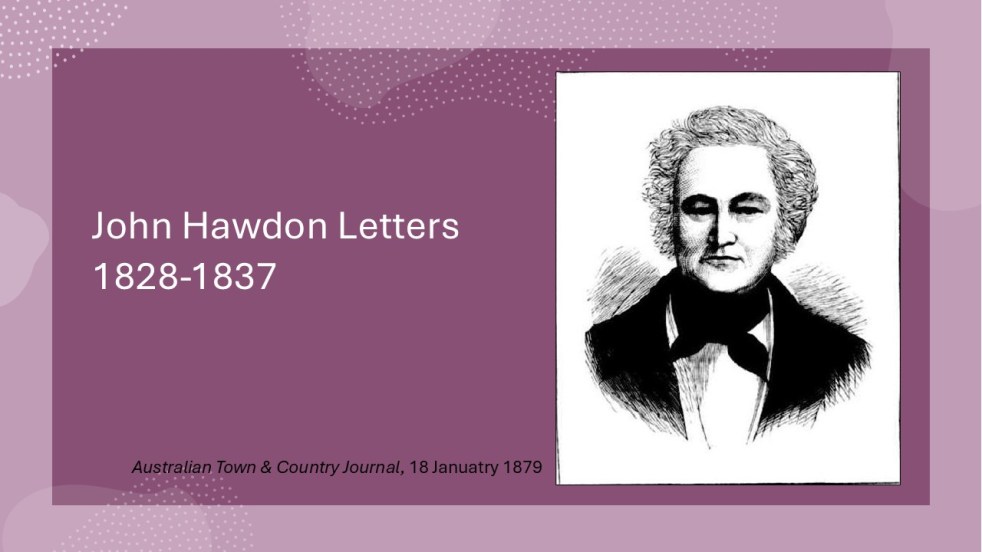
Insights from the Hawdon Letters: Colonial Life in NSW, Part 2, 1831-1833

John Hawdon's letters from New South Wales (1831-1833) reveal colonial life, highlighting farming challenges, isolation from England, and the high costs of communication. These letters provide insights into market conditions, crop successes, and family updates, showcasing the Hawdons' experiences and adaptations in a new land, while retaining original spelling and structure.

Adaptive Re-use · Adaptive Reuse · Art · Artists · Artworks · Attachment to place · Belonging · Cascades Female Factory · Collective Memory · Colonialism · Community identity · Convicts · Cultural and Heritage Tourism · Cultural Heritage · Cultural icon · Grief · History · History of Emotion · Hobart · Hope and loss · Local History · Local Studies · Memorial · Memorialisation · Memorials · Memory · Monuments · Place making · Placemaking · Public art · Sense of place · Social History · Stories · Storytelling · Uncategorized · Women's history · Women's stories

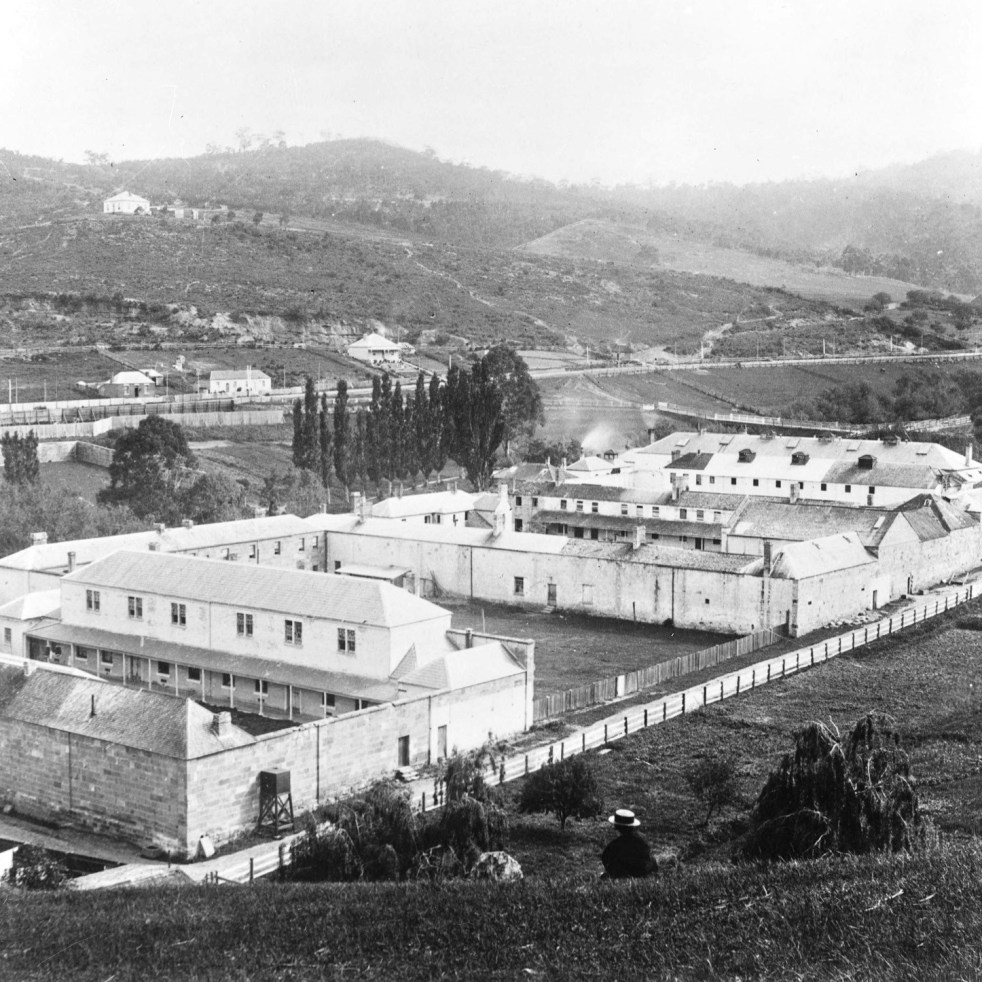
Public art in Hobart tells the story of female convicts in Van Diemen’s Land

Public art has been used in Hobart to reveal stories of female convicts that have been hidden in the shadows for decades on the Hobart waterfront and at the Cascades Female Factory.

British colonialism · Camden · Camden District · Cawdor · Cobbitty · Colonial Camden · Colonialism · Community identity · Convicts · Cowpastures · England · Farming · Floods · Heritage · Historical consciousness · Historical Research · History · Landscape aesthetics · Local History · Macarthur · Menangle · Myths · Parks · Place making · Regionalism · Royal Tours · rural-urban fringe · Sense of place · Settler colonialism · Tourism · Transport · Urban growth · Urban history · Urbanism · Volunteering

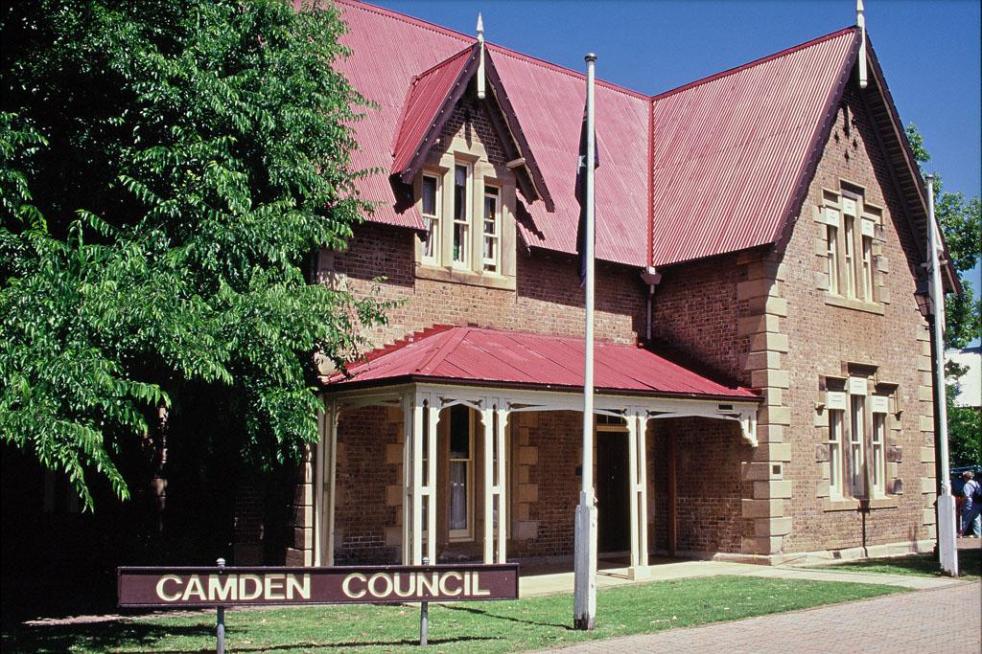
The Camden district, 1840-1973, a field of dreams

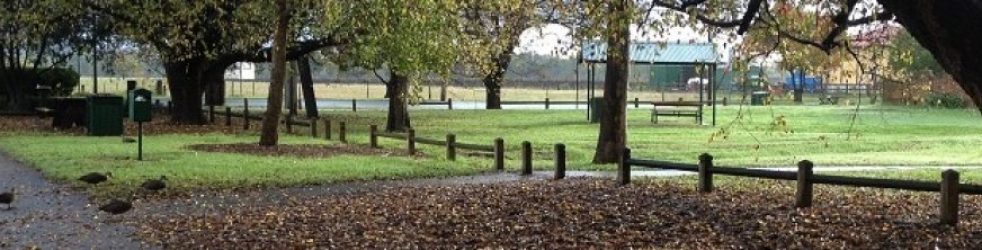
The Camden district was historically significant, serving as a social and economic center for over a century. It integrated farming, mining, and community life, shaped by Aboriginal heritage and European settlement. However, modern developments and infrastructural changes led to its decline, transitioning to a regional identity tied to Macarthur area governance and branding.

Art · Attachment to place · Belonging · Camden · Colonial Camden · Colonial frontier · Colonialism · Convicts · Cowpastures · Cultural Heritage · Cultural icon · England · Farming · Heritage · Historical consciousness · Historical Research · Historical thinking · History · Interwar · Landscape aesthetics · Lifestyle · Living History · Local History · Local newspapers · Local Studies · Macarthur · Memorials · Memory · Modernism · Monuments · Myths · Newspapers · Place making · Ruralism · Sense of place · Settler colonialism · Stereotypes · Streetscapes · Sydney's rural-urban fringe · Tourism · Urban growth · urban sprawl · Urbanism · War · Women's history

Making Camden History

Making Camden History tells the story of how the history of the Camden District has been written from the 19th century. It is the history of the history of the local area.

Adaptive Re-use · Architecture · Attachment to place · Australia · Belonging · British colonialism · Camden · Camden Historical Society · Colonial Camden · Colonial frontier · Colonialism · Community identity · Convicts · Cultural Heritage · Cultural icon · Elderslie · England · Farming · Georgian · Governor Macquarie · Heritage · Historical consciousness · History · History of a house · House history · Landscape · Living History · Local History · Local Studies · Macarthur · Memorials · Memory · Myths · Place making · Sense of place · Settler colonialism · Storytelling · Tourism · Travel

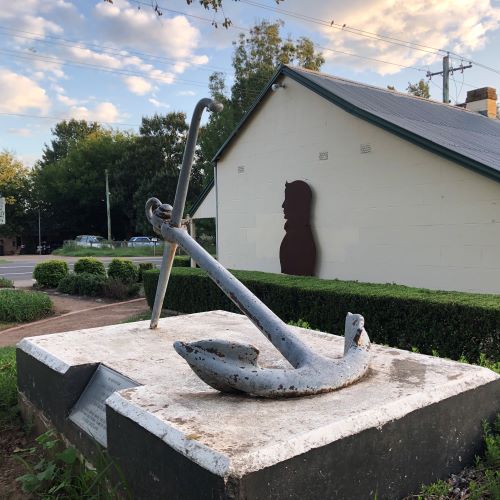
John Oxley’s anchor lost for 34 years

New evidence has emerged challenging previous conclusions about the John Oxley Memorial anchor in Camden. The anchor, a memorial from the British naval authorities, was lost for 34 years before being relocated for public access. John Oxley, an important colonial figure, has multiple commemorations in New South Wales related to his historical significance.

1920s · Aesthetics · Anzac · Architecture · Art · Attachment to place · Australia · Belonging · Cafes · Camden · Camden Airfield · Camden Museum · Camden Show · Colonial Camden · Community identity · Convicts · Country Women's Association · Cultural Heritage · Cultural icon · CWA · Farming · First World War · Gender · Heritage · Historical consciousness · Historical Research · Historical thinking · History · Interwar · Lifestyle · Living History · Local History · Local newspapers · Local Studies · Macarthur · Memory · Modernism · Monuments · Movies · Narellan Military Camp · Place making · Railway · Restaurant · Retailing · Ruralism · Second World War · Sense of place · Tourism · Urban Planning · urban sprawl · Urbanism · War · War at home · Women's history

The Camden story, an evolving project

The Camden story, a continually evolving project that details some of the parts of the local story.

Adaptive Re-use · Aesthetics · Anzac · Architecture · Art · Attachment to place · Community identity · Convicts · Cultural Heritage · Cultural icon · Electricity · First World War · Heritage · Historical thinking · History · Interwar · Memorials · Memory · Modernism · Monuments · Newcastle · Place making · Second World War · Sense of place · Streetscapes · Town planning · Urban Planning · Urbanism · War

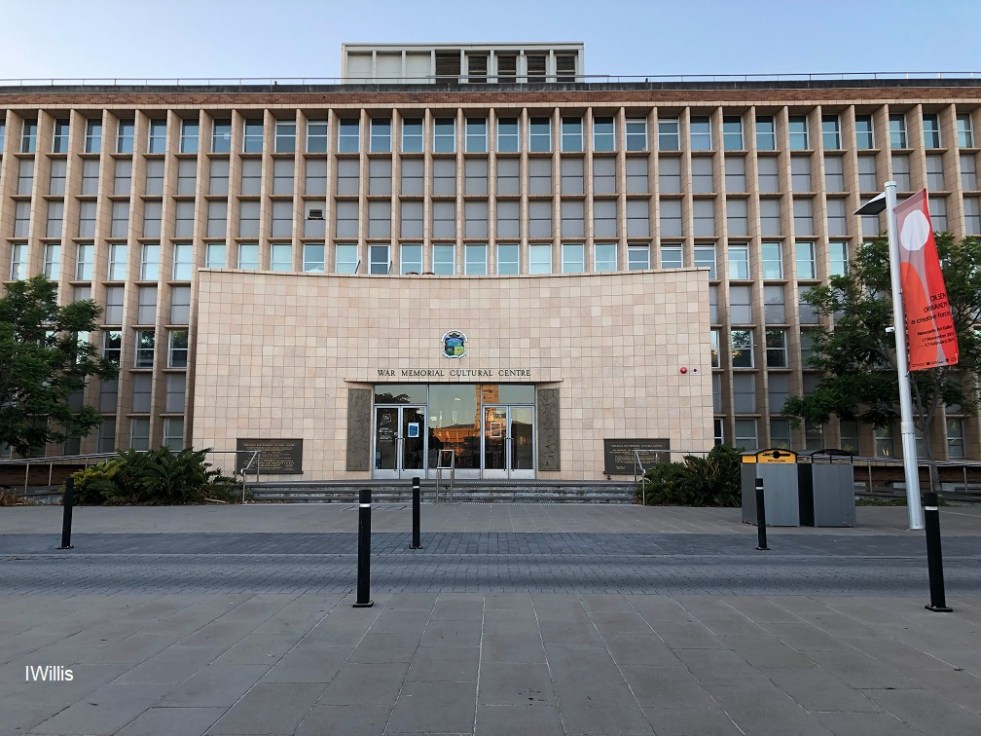
Newcastle modernism delights

Newcastle modernism delights around the Civic Park precinct include the War Memorial Cultural Centre, NESCA House, Northumberland House and the former Salvation Army Men's Hostel.

British colonialism · Camden Museum · Colonial Camden · Colonialism · Community identity · Convicts · Cultural Heritage · Elizabeth Farm · Farming · Georgian · Gothic · Governor Macquarie · Heritage · History · Landscape aesthetics · Local History · Macarthur · Myths · Place making · Settler colonialism · Victorian

Celebrity author at Camden Museum

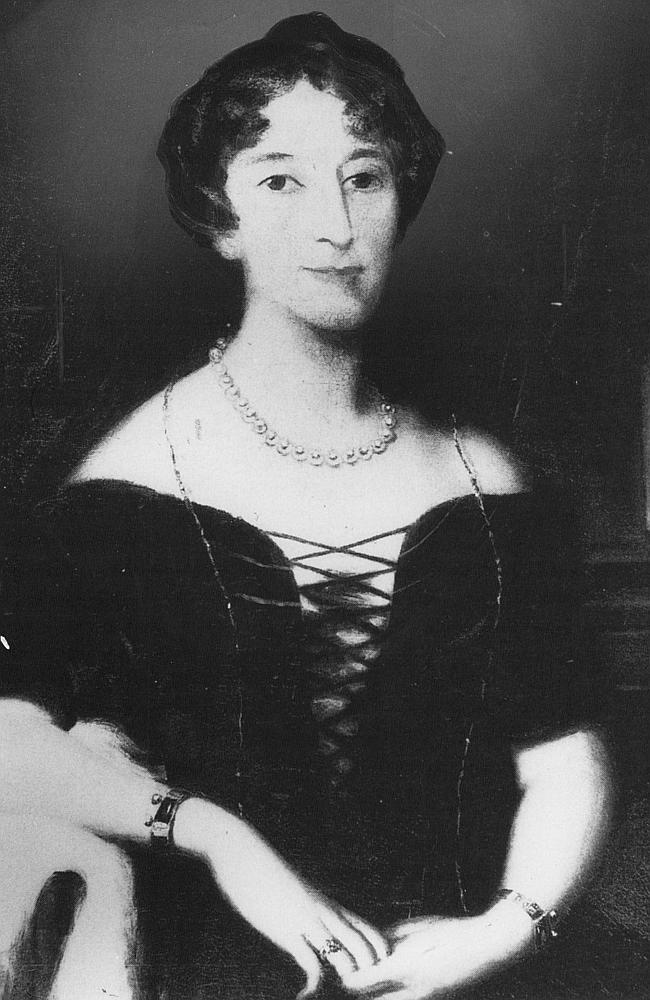
Author Michelle Scott Tucker recently spoke at the Camden Museum about her new book Elizabeth Macarthur A Life at the Edge of the World

Attachment to place · British colonialism · Colonial Camden · Colonialism · Community identity · Convicts · Cowpastures · Elderslie · England · Farming · Governor Macquarie · Heritage · Historical consciousness · History · Landscape aesthetics · Local History · Place making · Sense of place · Settler colonialism · Victorian

The Cowpastures Project

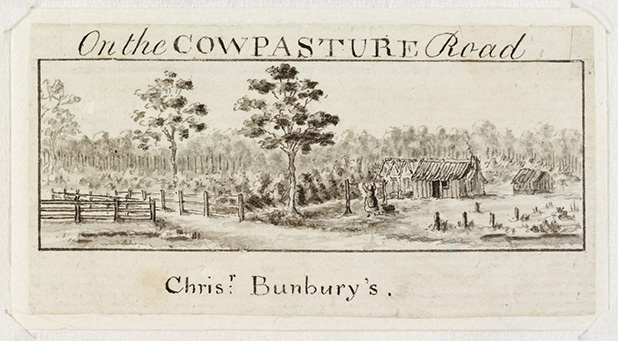
The Cowpastures was one of the earliest sites of European settlement in Australia

Architecture · Attachment to place · Australia · British colonialism · Colonialism · Community identity · Convicts · England · Heritage · Historical consciousness · Historical Research · Historical thinking · History · Local History · Melbourne · Monuments · Myths · Place making · Sense of place · Urban growth · Victorian

‘Remaking Cities’, a conference with a heady mix of urban delights

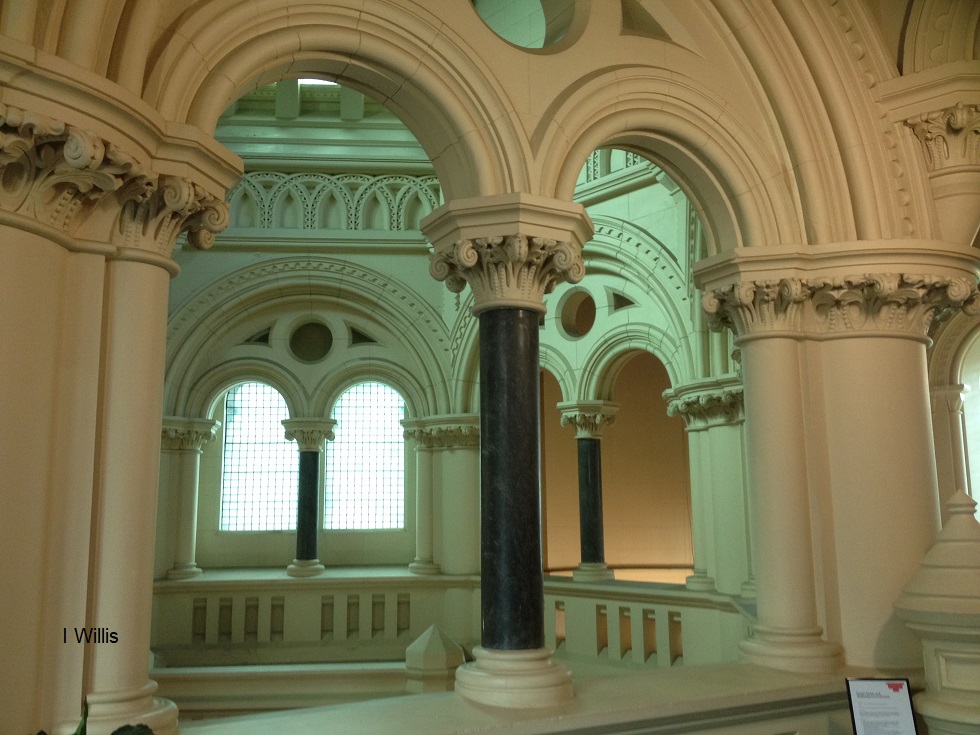
The 'Remaking Cities' Urban History Planning History 2018 Conference was held at RMIT University Melbourne.