20th century · Adaptive Re-use · Aesthetics · Architecture · Attachment to place · Belonging · Burra Charter · Camden Story · Church History · Churches · Collective Memory · Commemoration · Community identity · Cultural Heritage · Elderslie · Families · Family history · Farming · First World War · Genealogy · Heritage · History · Living History · Local History · Local Studies · Memorial · Place making · Placemaking · Sense of place · St Mark's Church Elderslie · Urban development · Urban growth · Urbanism · Village · Wartime

St Mark’s Church Elderslie, the little church on the hill

St Mark's Church Elderslie tells the story of a small farming community that has disappeared through the mists of time. The history of St Mark’s church is the history of Elderslie, and the church was a special place of community celebrations and commemorations along with family celebrations, traditions, and events. The church has been a gathering place, a sacred site.

Aesthetics · Art · Attachment to place · Belonging · Camden · Colonial Camden · Colonial frontier · Colonialism · Commemoration · Cowpastures Bicentennial · Cultural icon · Dharawal · Family history · Festivals · Frontier violence · Governor Macquarie · Heritage · Historical consciousness · History · Living History · Local History · Local Studies · Memorial · Memorialisation · Memorials · Memory · Monuments · Place making · Public art · Settler colonialism · Settler Society · Tourism · War

Cowpastures’ memories in monuments, memorials and murals.

Many memorials and monuments across the Cowpastures landscape commemorate its history and sense of place, with a recent nostalgic turn focusing on the pioneers and European settlement. War memorials are a ubiquitous form of memorialization in the Macarthur region, and public art, historical sites, and cultural heritage also play significant roles. These commemorations can be controversial, especially considering Australia's dark history, and evoke different memories for different people. Additionally, the landscape of the Cowpastures is interpreted in various ways, including as a colonial frontier, government reserve, and English-style landscape. Various memorials, artworks, and historic sites dot the region, contributing to its identity and history.

Attachment to place · Belonging · Biography · Colonial frontier · Colonialism · Community identity · Cultural Heritage · Cultural icon · Family history · Farming · Gothic · Heritage · Historical Research · History · Landscape · Local History · Local Studies · Myths · Placemaking · Sense of place · Settler colonialism · Settler Society · Stereotypes · Storytelling · Uncategorized · Victorian · Women's history · Women's Writing

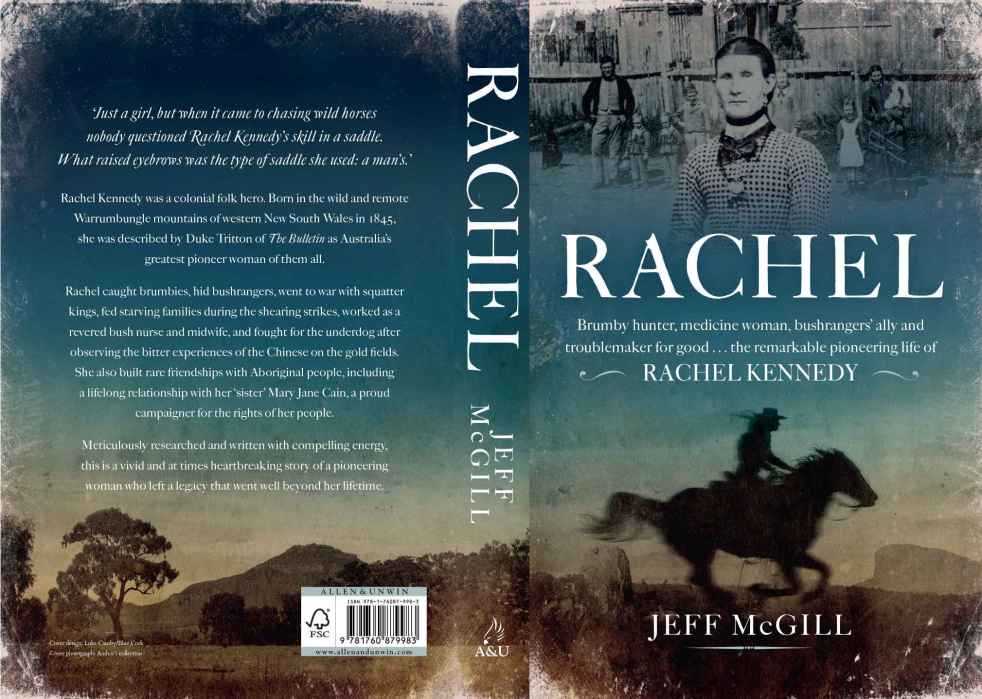
Rachel, a great yarn of the bush from colonial New South Wales

Jeff McGill's Rachel is a ripping yarn about the colonial frontier and the role of women in colonial New South Wales.

Attachment to place · Belonging · Cultural Heritage · Dress history · Family history · Historical consciousness · Historical Research · Historical thinking · Historiography · History · History of a house · History theory and practice · House history · Living History · Local History · Local Studies · Media History · Medical history · Memory · Military history · Modernism · Music history · NSW History K-10 Syllabus · Place making · Placemaking · Schools · Sense of place · Storytelling · Women's history

We need new ways to tell stories of the past

We need new ways to tell local stories in the face of fake news, the search for 'the truth' and a host of conspiracy theories. Stories about our past need to based on evidence from a range of credible sources. There is a need to be a historical detective.

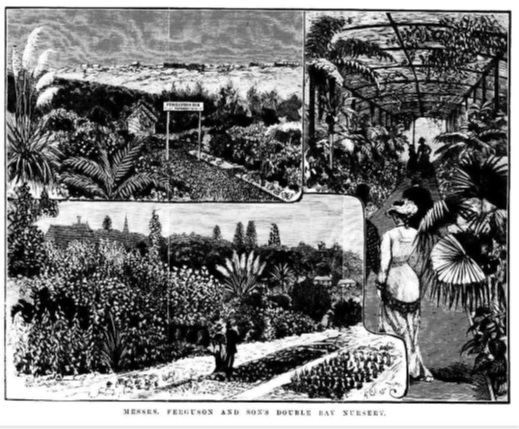
Advertising · Agricultural heritage · Agriculture · Agriculture history · Business · Business History · Camden · Camden Story · Community identity · Country town · Cultural Heritage · Cultural plantings · Economy · Family history · Fergusons Australian Nurseries · Gardening · Heritage · History · Horticulture · Landscape · Local History · Local Studies · localism · Nursery · Place making · Placemaking · Plant Nursery · Retailing · Sense of place · Storytelling · Street Trees · Sydney's rural-urban fringe · Technology · Trees · Uncategorized · Urban development · Urban growth · Urban history · Urban Planning · urban sprawl · Urbanism

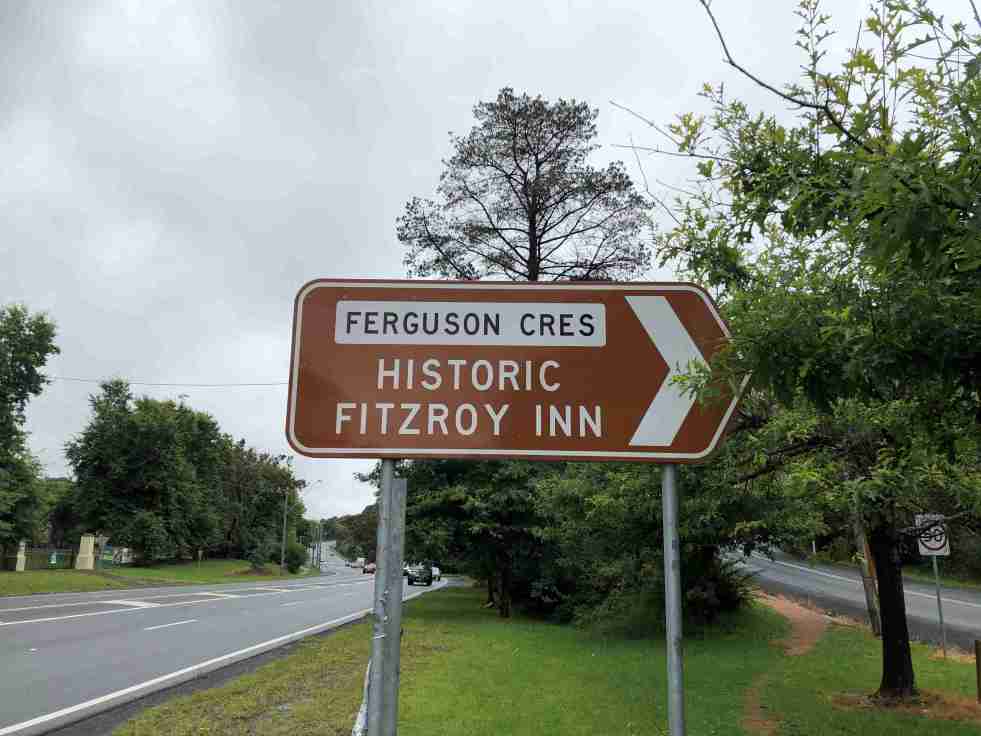
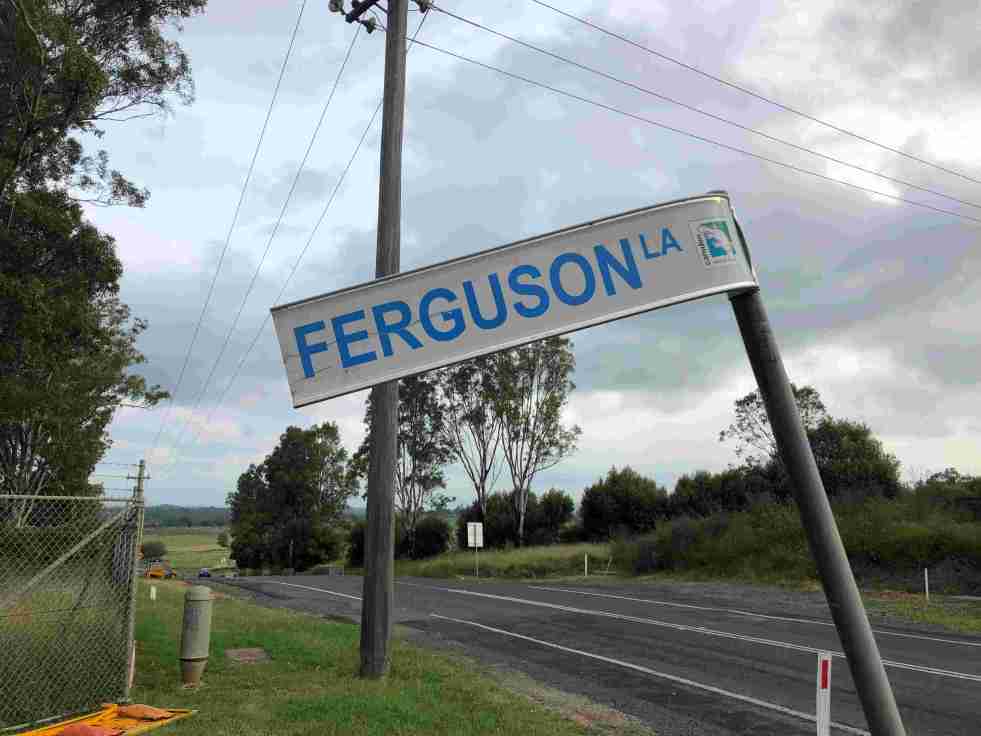
Ferguson’s Nursery, the post-war years

During the post-war years, Ferguson's Nurseries continued to be located on Sydney’s urban fringe as the metropolitan area expanded into the rural surrounds.

1920s · Agricultural heritage · Agriculture · Agriculture history · Attachment to place · Belonging · Business · Business History · Camden · Camden Story · Cultural Heritage · Cultural plantings · Economy · Family history · Fergusons Australian Nurseries · Gardening · Heritage · History · Horticulture · Local History · Local Studies · Nepean River · Nursery · Place making · Placemaking · Plant Nursery · Retailing · rural-urban fringe · Sense of place · Storytelling · Sydney · Sydney's rural-urban fringe · The Great South Road · Uncategorized · Urban growth · Urban history · Urban Planning · urban sprawl · Urbanism

Ferguson’s Australian Nurseries on the urban fringe

The 20th-century story of Ferguson’s Australian Nurseries is about their location within Sydney’s rural-urban fringe.

Agricultural heritage · Agriculture · Agriculture history · Business · Business History · Camden · Camden Story · Campbelltown · Colonial Camden · Colonialism · Community identity · Cowpastures · Cultural Heritage · Cultural icon · Cultural plantings · Economy · England · Family history · Farming · Fergusons Australian Nurseries · Gardening · Heritage · Horticulture · Landscape · Landscape aesthetics · Local History · Local Studies · Memory · Nepean River · Nursery · Place making · Plant Nursery · Sense of place · Storytelling · Trees · Uncategorized · Urban growth · Urban history

Ferguson’s Australian Nurseries, a century of horticulture

Ferguson's Australian Nursery was part of the horticulture industry in the Camden area for over 100 years. Francis Ferguson established a nursery opposite Macquarie Grove on the Nepean River.

Active citizenship · Argyle Street · Attachment to place · Business · Camden · Camden Museum · Camden Story · Community identity · Country Women's Association · Cultural Heritage · Cultural icon · Economy · Families · Family history · Genealogy · Heritage · Historical Research · History · Local History · Local Studies · Medical history · Memory · Place making · Sense of place · Shopping · Storytelling · Uncategorized · Volunteering · Volunteerism · Women's history

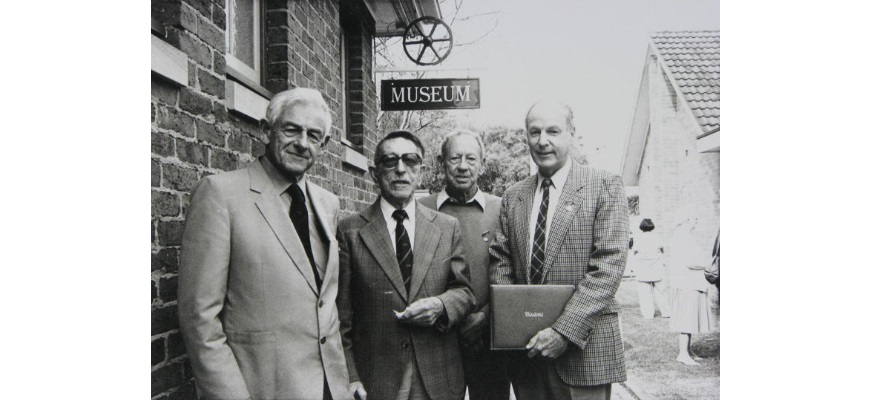
Local identities, Colin and Dorothy Clark

The life and times of Colin and Dorothy Clark were examples of active citizenship. Together they shaped a future for themselves in Camden and served their community, church and family.

Camden Bowling Club · Carrington Aged-Care Complex · Catholic Women's League · Community identity · Community work · Cultural Heritage · Entertainment · Family history · Genealogy · Heritage · Living History · Local History · Local Studies · Memory · Motherhood · Music · Music history · Orangeville · Place making · Radical history · Roman Catholic Church · Second World War · Sense of place · Storytelling · The Oaks · Volunteering · Volunteerism · Wartime · Weddings · Wollondilly Shire Council · Women's history

An amazing woman, Sheila Murdoch

Sheila Murdoch was a community worker, musician and mother of five children. She was a rural woman from Orangeville who served her community, church and family.

1920s · 20th century · Babies · Camden · Camden Park House and Garden · Camden Story · Community identity · Cultural Heritage · Cultural icon · CWA · Dr West · Edwardian · European Exceptionalism · Families · Family history · First World War · Gender · Heritage · Historical consciousness · Historical thinking · History · Infant Welfare · Local History · Local Studies · Macarthur · Memory · Motherhood · Pioneers · Place making · Red Cross · Second World War · Sense of place · Storytelling · Uncategorized · Victorian · Volunteering · Volunteerism · War · War at home · Wartime · Women's history · Women's Writing

Motherhood and nation-building in the early 20th century

Around the turn of the century a direct link was made between infant welfare, motherhood, patriotism and nationalism. Motherhood and mothering were expressed in terms of patriotism and a national priority. All driven by European exceptionalism.