The past is all around us and has created the present. The present would not exist without the past. We need to understand the past to understand the present.
Category: Historical thinking


Camden Rotary Pioneer Mural: public art, a mural, a memorial wall and a wishing well
The Camden Pioneer Mural is an example of public art. The Camden mural depicts the Camden story as interpreted in 1962 by ceramic artist Byram Mansell.
Share this:

Share this:
Experience Camden’s Vivid Jacaranda Blooms
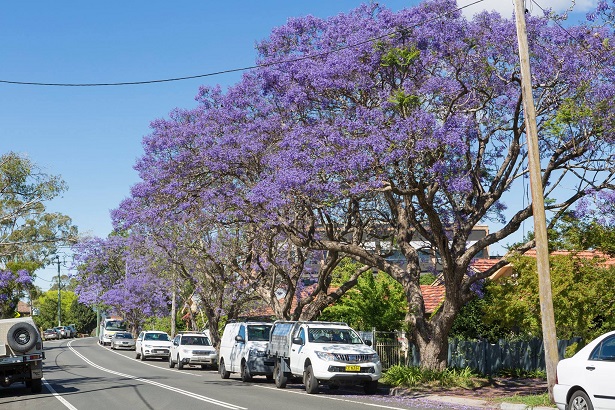
Jacaranda trees in bloom create anticipation and excitement in November each year in Camden. The purple haze is an indication that summer and Christmas are not far away. The colours attract locals and visitors to the town centre particularly after a November shower.
Share this:

Share this:
Exploring Campbelltown’s Mid-Century Modern Administration Building
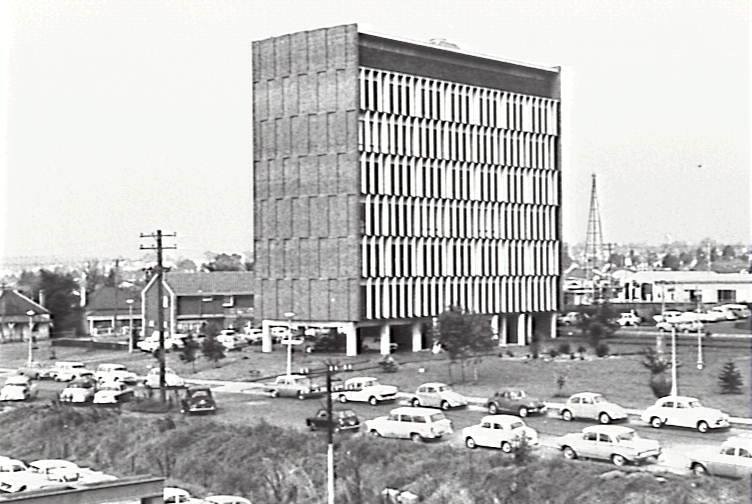
The Campbelltown Council office building, completed in 1964, serves as an unrecognized icon of mid-century modernism, symbolizing the town's optimistic vision as a satellite city. Despite its structural significance and initial hopes for community development, later planning challenges undermined this vision, leaving the building's legacy complex and often overlooked.
Share this:

Share this:

Camden Heritage Conservation Area – an English-style village in the Cowpastures
The Macarthur private village of Camden was located in the English style countryside of the Cowpastures countryside with its gentry estates and villages. Founded in 1840 it was all part the British imperial imperative and the settler colonial project that came with it.
Share this:

Share this:

Fiona’s story, growing up in Airds
Fiona's story is a moving personal account of hope growing up in the suburb of Airds on Sydney's fringe. It is an inspiring story of resilience and strength over hardship and adversity.
Share this:

Share this:

Understanding the Anzac Myth: Truths and Contradictions
The Anzac story is vital to Australian identity, yet its meaning remains contested. Historian Dr. Jen Roberts argues that the narrative, while centered on duty and sacrifice, encompasses contradictions surrounding nationalism, trauma, and the realities of war. Anzac's evolution reflects cultural transformations, highlighting diverse interpretations and ongoing relevance in society.
Share this:

Share this:
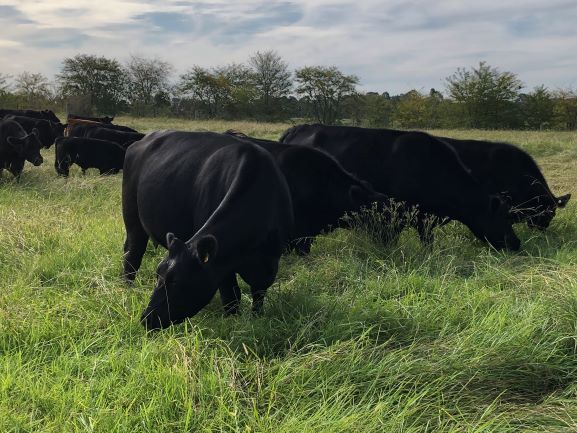
The Llewella Davies Memorial Walkway, a walk in the meadows of the past
The Camden Town Farm Miss Llewella Davies Pioneers Walkway opened in 2020 in the former colonial landscape of the Cowpastures. The area was part of the original grants that made up the Macarthur family's Camden Park Estate and in pre-European times the country of the Dharawal people.
Share this:

Share this:
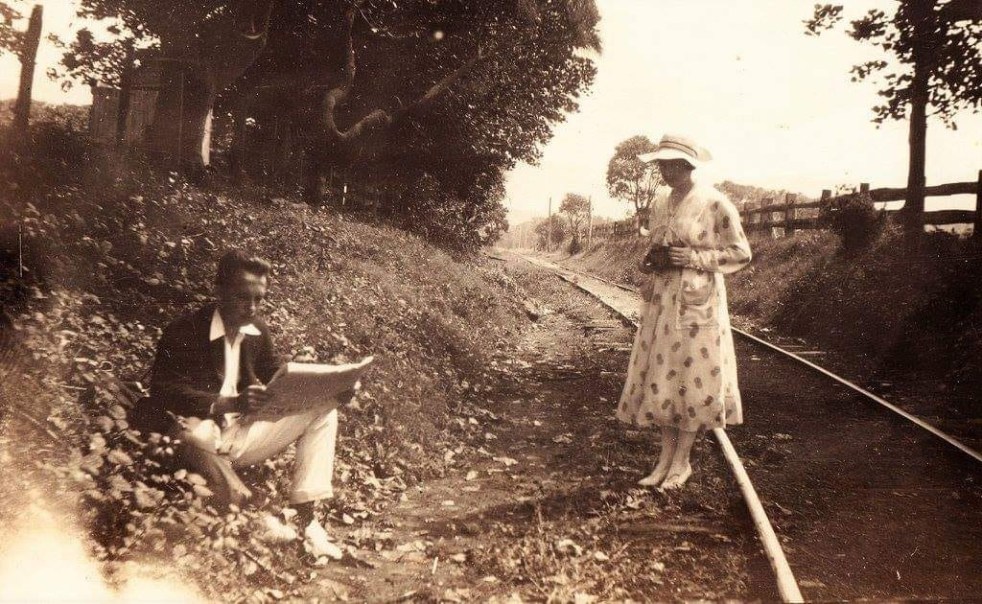
The mysteries of a photograph
How the mysteries of a pretty picture from yesteryear allows you to peel back the layers of the past. Each layer has a meaning and a story that is told by the historian. The stories provide context for the photograph and give it greater meaning.
Share this:

Share this:

The patriotism of the wartime sock knitter
During World War I, hand-knitted socks became crucial for soldiers facing harsh conditions, preventing trench foot. Women across the British Empire, particularly in Australia, organized knitting efforts, leading to over 1.3 million pairs made. These efforts provided essential support and represented women's patriotism in wartime, often alleviating grief through their contributions.

