20th century · Agricultural heritage · Agriculture history · Art · Attachment to place · Camden · Camden District · Camden Show · Camden Story · Church History · Collective Memory · Commemoration · Community · Community celebrations · Community Health · Community identity · Community organisations · Community work · Cultural Heritage · Disasters · Engineering Heritage · Engineering History · Families · Family history · Farming · Festivals · Floods · Folklore · Genealogy · Health History · Heritage · Historian · Historical consciousness · Historical Research · Historical source · Historical thinking · History of a house · History of Emotion · Hotel History · House history · Housing · Landscape · Landscape aesthetics · Legends · Living History · Local History · Local Studies · Macarthur region · Memorial · Memorialisation · Memorials · Monuments · Myths · Paintings · Photographs · Photography · Pictures · Placemaking · References · Small communities · Small town · Social History · Stereotypes · Stories · Storytelling · Urban growth · Women's agency · Women's art · Women's history · Women's stories

Exploring Historical Themes: Pictorial History Camden & District Presentation Summary

This presentation examined the role of the historian and researcher and presented the importance of history and the role of a historian. Dr Ian Willis discussed the significance of historical consciousness and collective memory, emphasising the role of a historian as a researcher, analyst, interpreter, and storyteller. The presentation also highlighted "Pictorial History Camden & District," a book by Kingsclear Books, and covered aspects such as structure, select bibliography, index of names, and district maps. Additionally, various related sources and themes, such as the Whiteman and Macarthur families, were explored. The presentation concluded with suggestions for experiencing the past through community festivals, local studies, and living libraries.

1968 Sydney Region Outline Plan · 1973 New Cities Campbelltown Camden Appin Structure Plan · Aesthetics · Airds · Architecture · Attachment to place · Campbelltown · Collective Memory · Community identity · Cultural Heritage · Cultural icon · Economy · Heritage · Historical consciousness · Historical Research · Historical thinking · History · Housing · Landscape · Lifestyle · Living History · Local History · Local Studies · localism · Lost Sydney · Macarthur · Macarthur Growth Centre · Malls · Memory · Mid-century modernism · Modernism · Myths · Place making · Placemaking · Retailing · rural-urban fringe · Sense of place · Shopping · Stereotypes · Storytelling · Streetscapes · Supermarkets · Sydney · Town planning · Urban Decay · Urban development · Urban growth · Urban history · Urban Planning · urban sprawl · Urbanism

Airds Shopping Mall demolition, the unmet expectations of mid-century modernism

The Airds shopping mall's future encapsulates the decline of mid-century modernism in the midst of urban neglect. Once a symbol of optimism, the area's decay reflects broader global trends in retail. From failed Radburn principles to public housing challenges, the mall's history mirrors the clash of modernism and neoliberalism in Campbelltown. Despite the despair former residents report that they recall happy memories and stories of hope growing up in the area.

1973 New Cities Campbelltown Camden Appin Structure Plan · 20th century · Attachment to place · Built heritag · Camden Council · Camden District · Camden Heritage Conservation Area · Camden Museum · Camden Show · Camden Story · Camden Town Farm · Church History · Churches · Collective Memory · Colonial Camden · Commemoration · Community identity · Country town · Country town idyll · Cultural and Heritage Tourism · Cultural Heritage · Elizabeth Macarthur · Folklore · Hope and loss · Landscape · Legends · Local History · Local newspapers · Local Studies · Lost Camden · Memorial · Memory · Monuments · Place making · Placemaking · rural-urban fringe · Ruralism · Sense of place · Settler Society · Social History · Stereotypes · Stories · Storytelling · Sydney's rural-urban fringe · Tourism · Town planning · Uncategorized · Urban development · Urban growth · Urban history · Urban Planning · urban sprawl · Urbanism

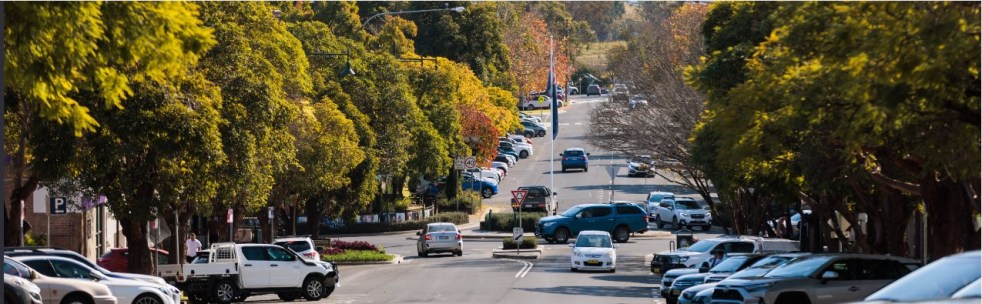
Yearning, Longing and The Remaking of Camdenโ€™s Identity: the myths and reality of โ€˜a country town idyllโ€™.

This article discusses the concept of a "country town idyll" in Camden, an idealised version of a country town from an imagined past that uses history to construct imagery based on Camden's heritage buildings and other material fabrics. The paper delves into the origins of the idyll, examines its development, and investigates its validity in its contemporary context. It shows how its supporters have used history as a community asset to remake Camden's identity and explore how the 'country town idyll' has been used variously as a political weapon, a marketing tool, and a tourist promotion.

Aesthetics · Art · Artists · Built heritag · Camden Council · Camden White Gum · Community identity · Cowpastures · Cultural Heritage · Cumberland Plain Woodland · Ecology · Environment · Heritage · Landscape · Landscape aesthetics · Local History · Memorials · Nepean River · Oran Park · Public art · Sense of place · Storytelling · Uncategorized

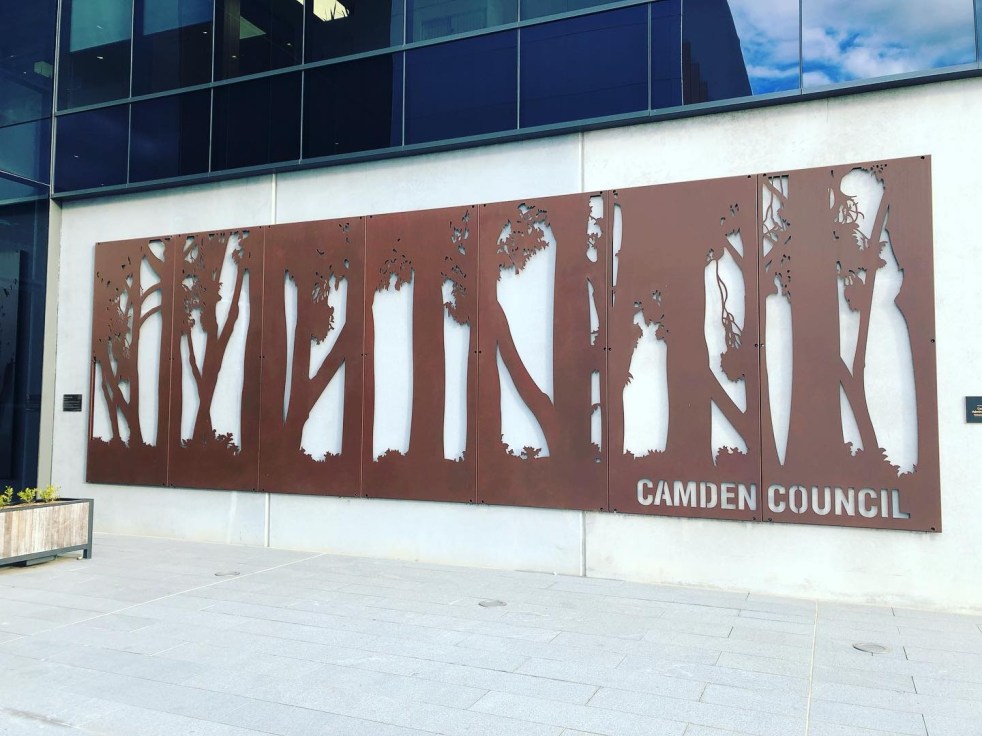
‘The Tree of Life’, public art at Camden Council Administration Offices

The art installation The Tree of Life by sculptors Gillies & Marc celebrates the endangered Camden White Gum. The sculpture is located adjacent to the entry of the Camden Council administration building at Oran Park. The work was commissioned by the council in 2016 for the opening of the new office building.

20th century · Architecture · Art · Attachment to place · Australian Botanic Gardens Mount Annan · Belonging · Built heritag · Camden Story · Colonialism · Cultural Heritage · Design · Garden history · Gardening · Herbarium of NSW ABG · Heritage · History · Landscape · Lifestyle · Living History · Local History · Local Studies · Mount Annan · Place making · Placemaking · Plant Nursery · Plants · Public art · Sculpture · Sense of place · Storytelling · Uncategorized · Urban growth · Urban history

Botanic gardens herbarium at Mount Annan wins top architecture award

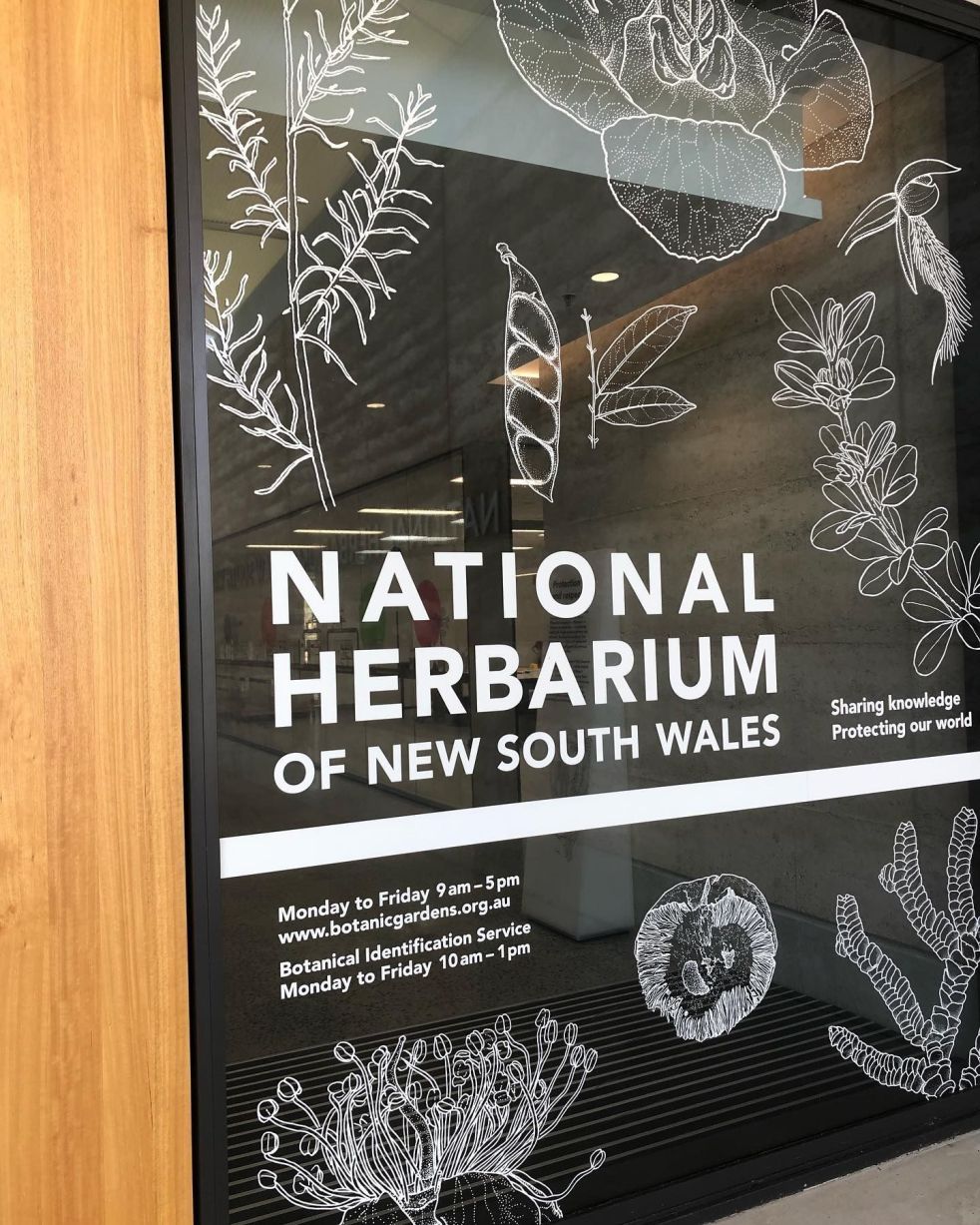
The National Herbarium of NSW at the Australian Botanic Garden Mount Annan has been awarded the AILA 2023 NSW AILA Awards in the Health and Education Category.

1920s · 1930s · 20th century · Argyle Street · Camden · Camden Story · Collective Memory · Community identity · Cowpastures · Cultural Heritage · Cultural plantings · Dairying · Farming · Gardening · Horticulture · Landscape · Landscape aesthetics · Local Studies · Memorials · Memory · Pepper Trees · Place making · Settler colonialism · Settler Society · Storytelling · Street Trees · Town planning · Urban Planning

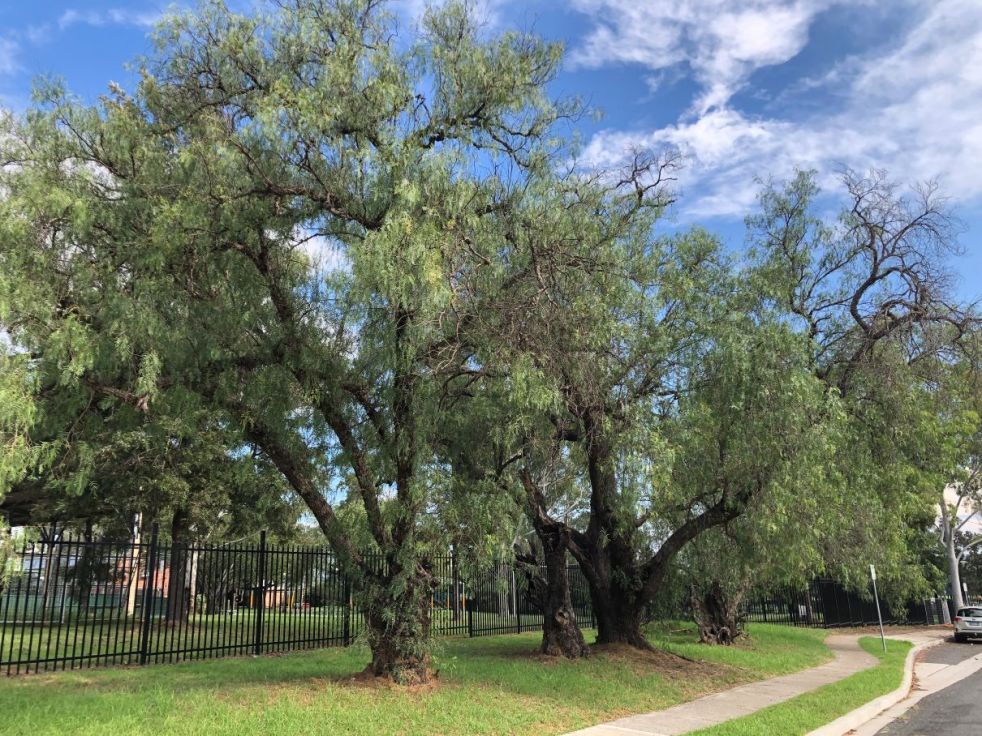
Camden pepper trees, a remnant of the past

In the 1890s, Camden Municipal Council started beautifying the town area by planting various trees, including peppercorns. These cultural plantings defined the local urban landscape for decades, yet only a handful remain today.

Appin · Art · Attachment to place · Belonging · British colonialism · Campbelltown Art Centre · Collective Memory · Colonial frontier · Colonialism · Commemoration · Community identity · Cowpastures · Cowpastures Bicentennial · Cultural Heritage · Dharawal · Governor Macquarie · Heritage · History · Landscape · Landscape aesthetics · Local History · Local Studies · Memorial · Memorialisation · Memorials · Memory · Monuments · Place making · Placemaking · Public art · Sculpture · Sense of place · Settler colonialism · Settler Society · Stereotypes · Storytelling · Uncategorized

The Cowpastures Bicentennial, Governor Hunter and the Appin Massacre: the memory of the Cowpastures

I often wondered why the cultural material representative of the Cowpastures appeared to have been 'forgotten' by our community. The list of cultural items is quite an extensive include: roads and bridges, parks and reserves; historic sites, books, paintings, articles; conferences, seminars, and workshops; monuments, memorials and murals; community commemorations, celebrations and anniversaries.

Bathtub effect · Cultural Heritage · Floods · Grief · Hawkesbury-Nepean river · Landscape · Living History · Local History · Local Studies · Macarthur · Memory · Nepean River · Place making · Trauma

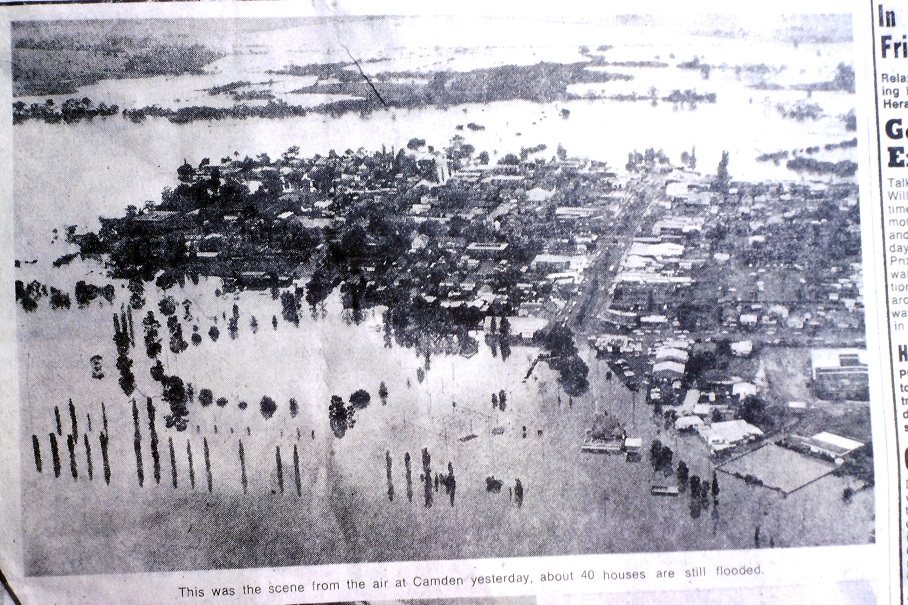
Flooding in the Hawkesbury-Nepean River Valley

The latest heavy rain in the area has sparked concerns about potential flooding, bringing back memories of past events. The Hawkesbury-Nepean River valley's unique landform features contribute to fast-rising and dangerous floods. This situation has led to considerable anxiety and trauma, prompting the need for emotional and trauma support in the affected communities.

Attachment to place · Belonging · Biography · Colonial frontier · Colonialism · Community identity · Cultural Heritage · Cultural icon · Family history · Farming · Gothic · Heritage · Historical Research · History · Landscape · Local History · Local Studies · Myths · Placemaking · Sense of place · Settler colonialism · Settler Society · Stereotypes · Storytelling · Uncategorized · Victorian · Women's history · Women's Writing

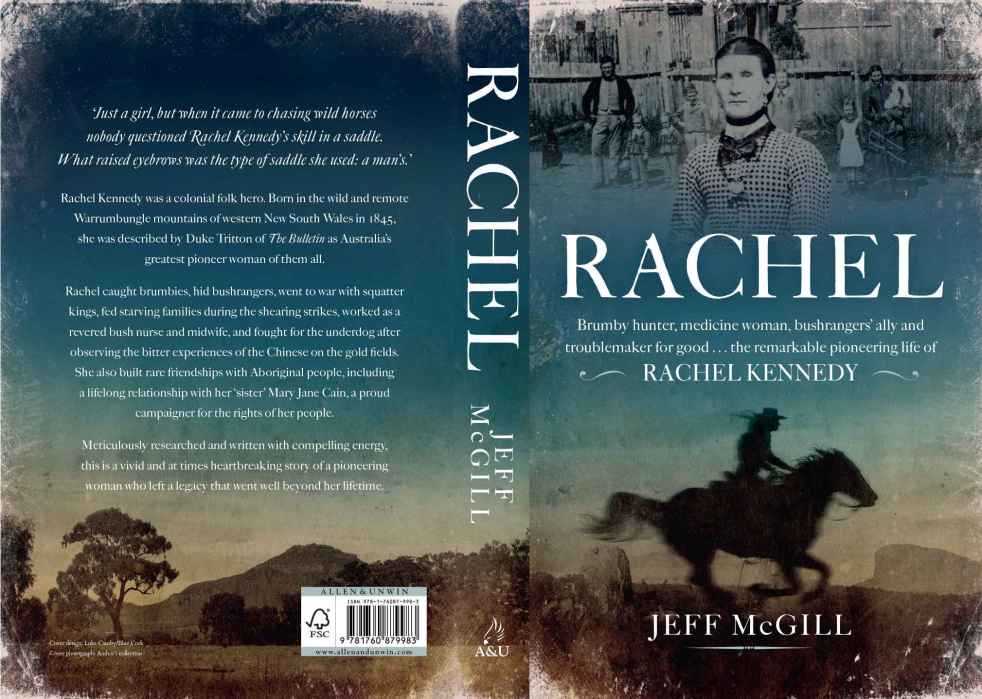
Rachel, a great yarn of the bush from colonial New South Wales

Jeff McGill's Rachel is a ripping yarn about the colonial frontier and the role of women in colonial New South Wales.

Agency · Agriculture · Agriculture history · Attachment to place · Belonging · British colonialism · Camden · Cawdor · Cobbitty · Colonial Camden · Colonial frontier · Colonialism · Community identity · Cowpastures · Cowpastures Estates · Cowpastures Gentry · Cultural Heritage · Cultural icon · Denbigh · Economy · Elderslie · England · Farming · Georgian · Gothic · Harrington Park · Heritage · History · Hope and loss · House history · Indigenous Heritage · Johm Macarthur · John Oxley · Kirkham · Landscape · Lifestyle · Local Studies · localism · Macarthur · Maryland · Menangle · Myths · Picton · Pioneers · Place making · Placemaking · Sense of place · Settler colonialism · Settler Society · Storytelling · The Oaks · Urban growth

The Cowpastures’ English-styled-gentry and their private villages

A certain type of self-styled-English gentry created a landscape in their own vision in the Cowpastures.