1968 Sydney Region Outline Plan · 1973 New Cities Campbelltown Camden Appin Structure Plan · 20th century · Aesthetics · Architecture · Attachment to place · Brutalist Architecture · Built heritag · Campbelltown · Campbelltown Council · Campbelltown Modernism · Campbelltown Municipal Council · Community identity · Cultural Heritage · Cultural icon · Engineering Heritage · Heritage · Historical consciousness · Historical Research · History · Landscape · Landscape aesthetics · Living History · Local History · Local Studies · Macarthur · Memory · Mid-century modernism · Modernism · Place making · Placemaking · Sense of place · Storytelling · Sydney's rural-urban fringe · Town planning · Urban development · Urban growth · Urban history · Urban Planning · urban sprawl · Urbanism

Campbelltown City Council office extension 1982 – an example of mid-century modernism

In 1982 Campbelltown City Council had the official opening for the brutalist administration building. Combined with the adjacent 1964 modernist office building they are an outstanding example of mid-century modernism in the Macarthur region

1920s · 1973 New Cities Campbelltown Camden Appin Structure Plan · Aesthetics · Agriculture · Attachment to place · Belonging · British colonialism · Camden · Camden Council · Camden Story · Camden Town Centre · Cobbitty · Colonial Camden · Colonial frontier · Colonialism · Community identity · Cowpastures · Cultural Heritage · Cultural icon · Curtilage · Denbigh · Dharawal · Economy · Edwardian · England · Farming · Frontier violence · Georgian · Gothic · Governor Macquarie · Heritage · Historical consciousness · Historical Research · Historical thinking · History · Interwar · Landscape · Landscape aesthetics · Living History · Local History · Local Studies · Macarthur · Memory · Menangle · Modernism · Place making · Ruralism · Sense of place · Settler colonialism · Storytelling · Town planning · Urban growth · Urban Planning · Victorian

Camden Heritage Conservation Area – an English-style village in the Cowpastures

The Macarthur private village of Camden was located in the English style countryside of the Cowpastures countryside with its gentry estates and villages. Founded in 1840 it was all part the British imperial imperative and the settler colonial project that came with it.

Aesthetics · Agriculture · Attachment to place · Australia · Australian Historic Themes · Belonging · Camden · Camden Town Farm · Colonial Camden · Community identity · Cowpastures · Cultural Heritage · Cultural icon · Dairying · Dharawal · Economy · Education · Farming · Heritage · Historical consciousness · Historical Research · Historical thinking · History · Landscape · Landscape aesthetics · Leisure · Lifestyle · Living History · Local History · Local Studies · Macarthur · Nepean River · Place making · Recreation · Ruralism · Sense of place · Settler colonialism · Storytelling · Tourism

The Llewella Davies Memorial Walkway, a walk in the meadows of the past

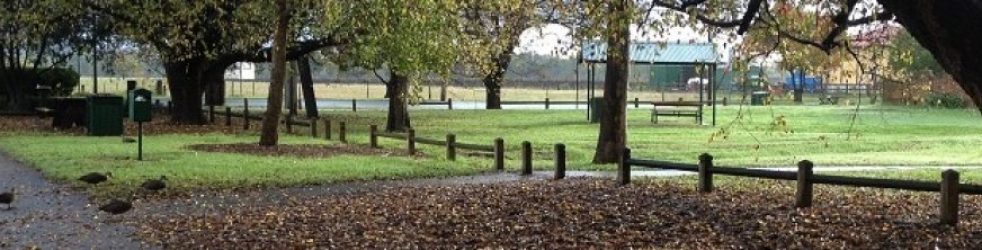
The Camden Town Farm Miss Llewella Davies Pioneers Walkway opened in 2020 in the former colonial landscape of the Cowpastures. The area was part of the original grants that made up the Macarthur family's Camden Park Estate and in pre-European times the country of the Dharawal people.

Adaptive Re-use · Architecture · Attachment to place · Australia · Belonging · British colonialism · Camden · Camden Historical Society · Colonial Camden · Colonial frontier · Colonialism · Community identity · Convicts · Cultural Heritage · Cultural icon · Elderslie · England · Farming · Georgian · Governor Macquarie · Heritage · Historical consciousness · History · History of a house · House history · Landscape · Living History · Local History · Local Studies · Macarthur · Memorials · Memory · Myths · Place making · Sense of place · Settler colonialism · Storytelling · Tourism · Travel

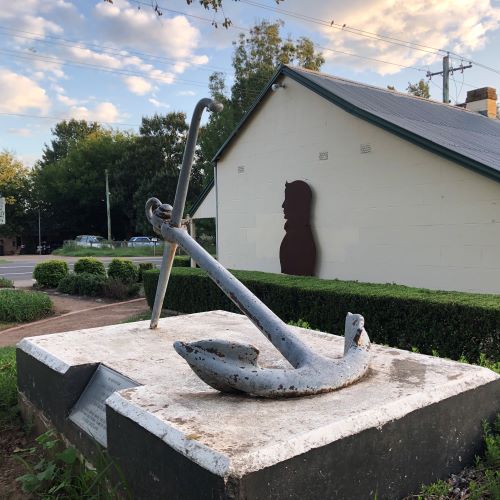
John Oxley’s anchor lost for 34 years

New evidence has emerged challenging previous conclusions about the John Oxley Memorial anchor in Camden. The anchor, a memorial from the British naval authorities, was lost for 34 years before being relocated for public access. John Oxley, an important colonial figure, has multiple commemorations in New South Wales related to his historical significance.

Attachment to place · Australia · Belonging · Community identity · Cultural Heritage · Cultural icon · Families · Family history · Heritage · Historical consciousness · Historical Research · Historical thinking · History · Holidays · Landscape · Landscape aesthetics · Leisure · Lifestyle · Living History · Local History · Local Studies · Macarthur · Memory · Picton · Place making · Ruralism · Sense of place · Storytelling · Sydney · Thirlmere Lakes

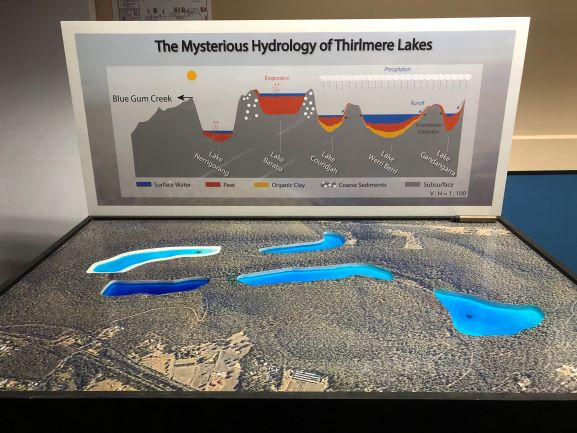
Reflections on the Thirlmere Lakes Science Information Day

The Thirlmere Lakes Science Information Day was held at Picton Bowling Club in February 2020 with the presence of researcher, decision makers and community members.

1920s · Attachment to place · Australia · Belonging · Burragorang Valley · Camden · Colonial Camden · Community identity · Cultural Heritage · Cultural icon · Dairying · Economy · Farming · First World War · Heritage · Historical consciousness · Historical Research · Historical thinking · History · House history · Landscape · Lifestyle · Living History · Local History · Local newspapers · Local Studies · Macarthur · Memory · Modernism · Myths · Newspapers · Place making · Ruralism · Second World War · Sense of place · Storytelling · Sydney's rural-urban fringe · Tourism · Travel · Urban growth · Urban Planning · urban sprawl · Urbanism · War · War at home · Women's history

The Camden district in 1939

The 1939 Camden district concept was developed in the 1990s by UOW historian Dr Ian Willis as part of his research on the effect of the Second World War on Camden township.

Attachment to place · Camden · Community identity · Cumberland Plain · Cumberland Plain Woodland · Ecology · Gardening · Heritage · Historical consciousness · Landscape · Landscape aesthetics · Living History · Local History · Local Studies · Native flora · Place making · Placemaking · Plants · Sense of place · Studley Park · Sydney's rural-urban fringe · Urban growth · Urban Planning · urban sprawl · Urbanism

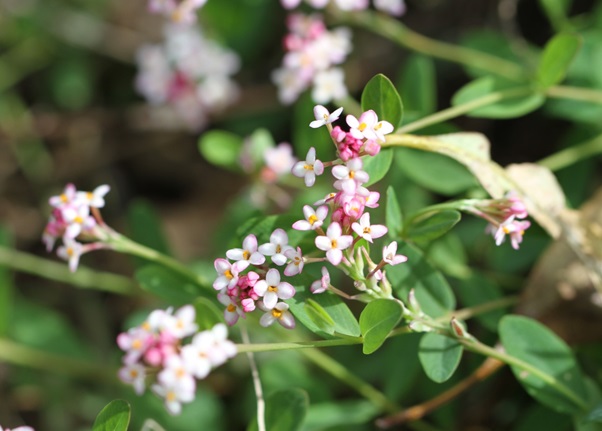
Spiked Rice-flower – a little plant causing a big fuss

A little plant causing a big fuss in the Camden area is the Spiked Rice Flower - Pimelea Spicata - adjacent to a proposed redevelopment of Studley Park House

1920s · Anzac · Architecture · Attachment to place · Belonging · Biography · Camden · Camden Cottage · Camden Story · Colonial Camden · Community identity · Cultural Heritage · Dairying · Dr West · Economy · Elderslie · Families · Family history · Farming · First World War · Gardening · Genealogy · Heritage · Historical consciousness · Historical Research · Historical thinking · History · History of a house · House history · Interwar · Landscape · Living History · Local History · Local newspapers · Local Studies · Memory · Military history · Myths · Place making · Placemaking · Ruralism · Sense of place · Settler colonialism · Social History · Storytelling · Voluntary Workers Association · War · War at home · welfare · World War One

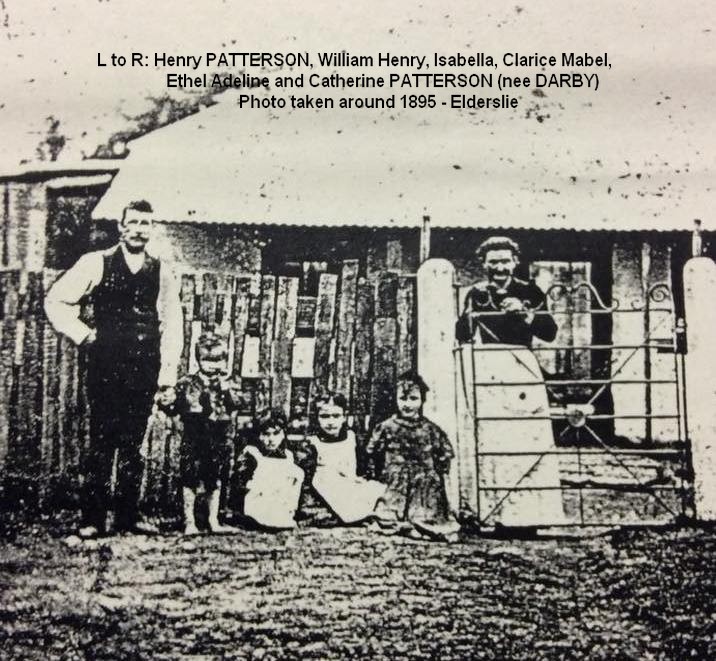
The Patterson family of Elderslie, the value of family histories

The story of the Patterson family of Elderslie NSW illustrates the value and importance of family history.

Attachment to place · Belonging · Camden · Camden Story · Cobbitty · Community identity · Cultural Heritage · Emergency Services · Farming · Floods · Heritage · Historical consciousness · Historical Research · History · Landscape · Living History · Local History · Local Studies · Memory · Natural Disasters · Nepean River · Place making · Ruralism · Sense of place · Storytelling · Urban development · Urban growth · Urban history · Urban Planning · urban sprawl

The hidden dangers of Camden’s bathtub effect

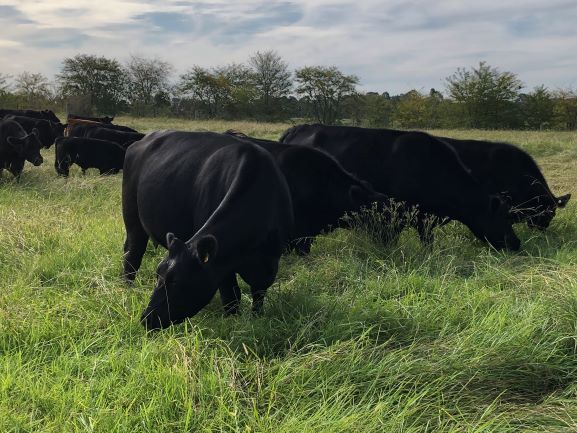
The Nepean River's 'bathtub effect' refers to the unique flooding impact created by the river's landform. The Hawkesbury-Nepean River's four gorges result in localized floodplains, causing a 'bathtub effect' during periods of high rainfall. These characteristics make the area susceptible to significant flood risk, impacting local communities.

1920s · Aesthetics · Agricultural heritage · Agriculture · Architecture · Attachment to place · Australia · Belonging · Burragorang Valley · Colonial frontier · Colonialism · Community identity · Cowpastures · Cultural Heritage · Cultural icon · Edwardian · Ghosts · Gothic · Governor Macquarie · Guesthouse · Heritage · Historical consciousness · Historical Research · Historical thinking · Hotels · Interwar · Landscape · Landscape aesthetics · Legends · Leisure · Living History · Local History · Local Studies · Macarthur · Memory · Mysteries · Myths · Place making · Ruralism · Sense of place · Settler colonialism · Storytelling · Tourism · Travel

The Burragorang Valley, a lost Gothic fantasy

The Burragorang Valley is a lost Gothic fantasy where many people were attracted to the grandeur and beauty of the valley's landscape. Much of the valley's mystery has been lost under Lake Burragorang.