Advertising · Agricultural heritage · Agriculture · Attachment to place · Belonging · Camden · Camden Show · Camden Show Young Woman · Camden Showgirl · Camden Story · Community identity · Community work · Country Women's Association · Crafts · Cultural Heritage · CWA · Dairying · Farming · Festivals · History · Horticulture · Lifestyle · Living History · Local History · Local newspapers · Local Studies · Memory · Newspapers · Onslow Park · Place making · Ruralism · Sense of place · Showgirl competition · Stereotypes · Storytelling · Uncategorized · Volunteering · Volunteerism

Camden Show 2023

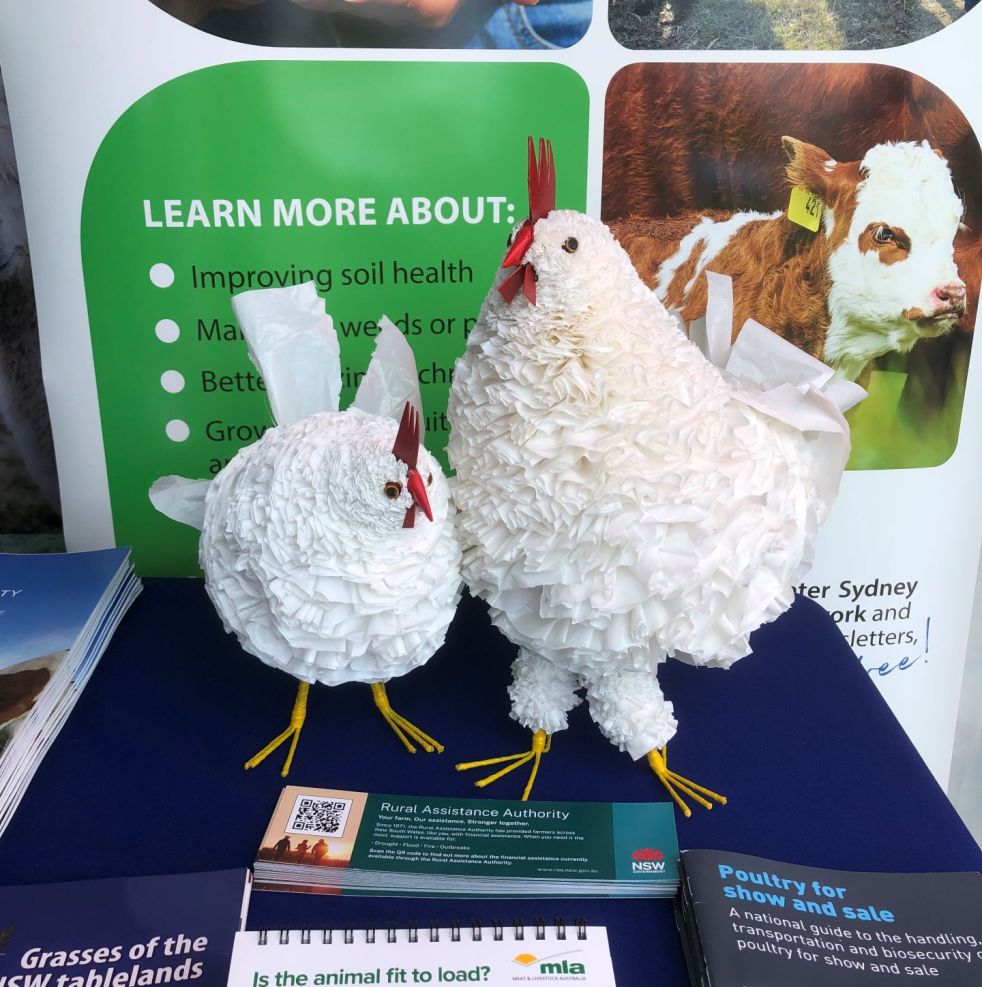
The Camden Show is on again after floods and Covid stopped it in recent years. The show is back with all the bells and whistles of the past with some new innovations. A must see is the 2023 Camden Show.

1920s · 1930s · Architecture · Attachment to place · Built heritag · Business History · Collective Memory · Community Health · Cultural Heritage · Design · Edwardian · Film · Foresters Hall (former) · Heritage · History · Interwar · Leisure · Living History · Local History · Local Studies · Memory · Modernism · Movies · Narellan Military Camp · Placemaking · Second World War

The former Foresters’ Hall, a marvellous Edwardian building

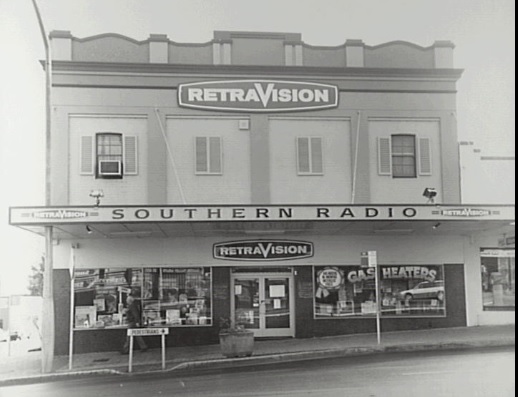
In Camden NSW the former Foresters’ Hall occupies one of the most prominent sites in the Town Centre on Oxley Street and Argyle Street at 147 Argyle Street. On its opening in 1908, the hall was considered the best in New South Wales by the Order of Royal Foresters.

20th century · Adaptive Re-use · Aesthetics · Architecture · Attachment to place · Belonging · Burra Charter · Camden Story · Church History · Churches · Collective Memory · Commemoration · Community identity · Cultural Heritage · Elderslie · Families · Family history · Farming · First World War · Genealogy · Heritage · History · Living History · Local History · Local Studies · Memorial · Place making · Placemaking · Sense of place · St Mark's Church Elderslie · Urban development · Urban growth · Urbanism · Village · Wartime

St Mark’s Church Elderslie, the little church on the hill

St Mark's Church Elderslie tells the story of a small farming community that has disappeared through the mists of time. The history of St Mark’s church is the history of Elderslie, and the church was a special place of community celebrations and commemorations along with family celebrations, traditions, and events. The church has been a gathering place, a sacred site.

Argyle Street · Camden · Camden Council · Camden Historical Society · Camden Museum · Camden Red Cross · Camden Show · Churches · Coal mining · Colonial Camden · Country Women's Association · Cultural Heritage · Dairying · Elizabeth Macarthur · Farming · First World War · Floods · Heritage · History · Living History · Local History · Local newspapers · Local Studies · Macarthur · Macarthur Park · Nepean River · Philanthropy · Place making · Placemaking · Railway · Red Cross · Schools · Second World War · Sense of place · Settler colonialism · Settler Society · Silver mining · Storytelling · Sydney's rural-urban fringe · Uncategorized · Urban development · Urban growth · Urban Planning · urban sprawl · Urbanism · Volunteering · Volunteerism · Wartime · World War One

Camden, a Macarthur family venture

The establishment of Camden, New South Wales, the town in 1840, was a private venture of James and William Macarthur, sons of colonial patriarch John Macarthur, at the Nepean River crossing on the northern edge of the family’s pastoral property of Camden Park. The town’s site was enclosed on three sides by a sweeping bend in the Nepean River and has regularly flooded the surrounding farmland and lower parts of the town.

Aesthetics · Architecture · Art · Artists · Attachment to place · Belonging · Community identity · Cultural icon · Design · Heritage · Living History · Local History · Memorial · Memorialisation · Memorials · Memory · Monuments · Oran Park · Oran Park Library · Oran Park Raceway · Place making · Placemaking · Sense of place · Storytelling · Urban Planning · Urbanism

Oran Park Library: public art celebrates the ghosts of motor racing

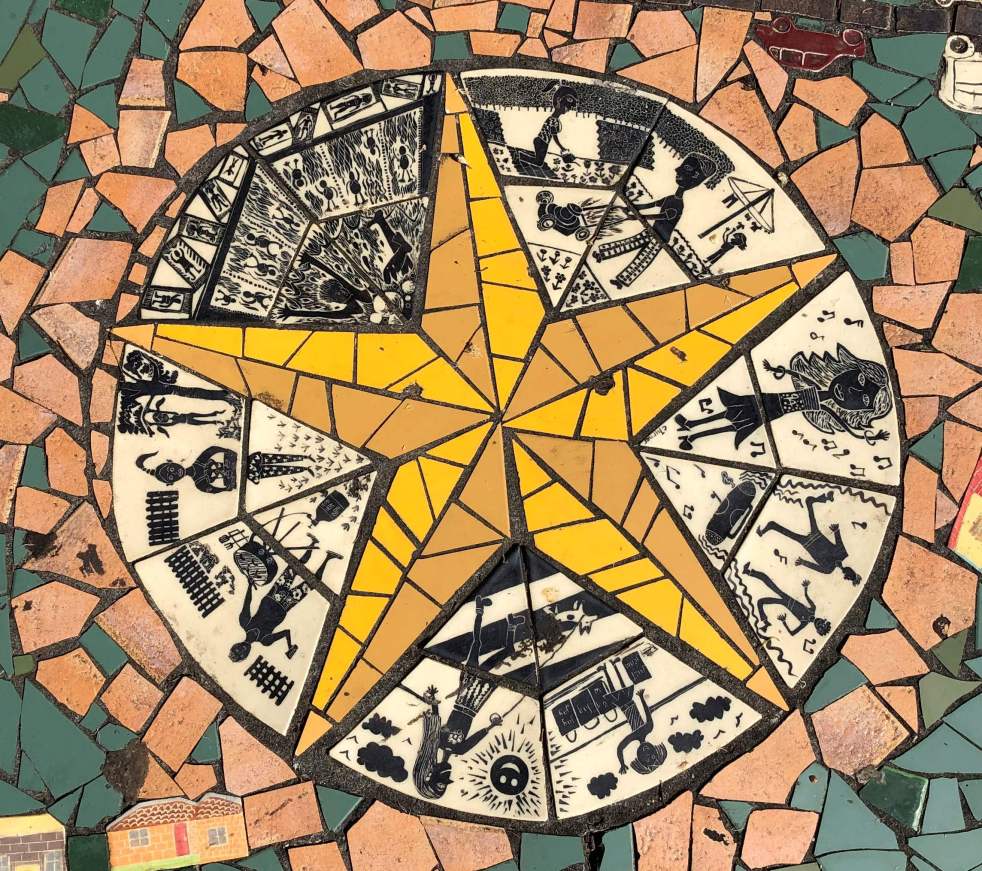
The Oran Park library has a number of public artworks that commemorate the former Oran Park motorway that was on the site. These wonderful public art installations celebrate the memories of the  Oran Park Raceway which closed in 2010.

Aesthetics · Art · Attachment to place · Belonging · Camden · Colonial Camden · Colonial frontier · Colonialism · Commemoration · Cowpastures Bicentennial · Cultural icon · Dharawal · Family history · Festivals · Frontier violence · Governor Macquarie · Heritage · Historical consciousness · History · Living History · Local History · Local Studies · Memorial · Memorialisation · Memorials · Memory · Monuments · Place making · Public art · Settler colonialism · Settler Society · Tourism · War

Cowpastures’ memories in monuments, memorials and murals.

Many memorials and monuments across the Cowpastures landscape commemorate its history and sense of place, with a recent nostalgic turn focusing on the pioneers and European settlement. War memorials are a ubiquitous form of memorialization in the Macarthur region, and public art, historical sites, and cultural heritage also play significant roles. These commemorations can be controversial, especially considering Australia's dark history, and evoke different memories for different people. Additionally, the landscape of the Cowpastures is interpreted in various ways, including as a colonial frontier, government reserve, and English-style landscape. Various memorials, artworks, and historic sites dot the region, contributing to its identity and history.

Bathtub effect · Cultural Heritage · Floods · Grief · Hawkesbury-Nepean river · Landscape · Living History · Local History · Local Studies · Macarthur · Memory · Nepean River · Place making · Trauma

Flooding in the Hawkesbury-Nepean River Valley

The latest heavy rain in the area has sparked concerns about potential flooding, bringing back memories of past events. The Hawkesbury-Nepean River valley's unique landform features contribute to fast-rising and dangerous floods. This situation has led to considerable anxiety and trauma, prompting the need for emotional and trauma support in the affected communities.

Attachment to place · Belonging · Cultural Heritage · Dress history · Family history · Historical consciousness · Historical Research · Historical thinking · Historiography · History · History of a house · History theory and practice · House history · Living History · Local History · Local Studies · Media History · Medical history · Memory · Military history · Modernism · Music history · NSW History K-10 Syllabus · Place making · Placemaking · Schools · Sense of place · Storytelling · Women's history

We need new ways to tell stories of the past

We need new ways to tell local stories in the face of fake news, the search for 'the truth' and a host of conspiracy theories. Stories about our past need to based on evidence from a range of credible sources. There is a need to be a historical detective.

Art · Attachment to place · Belonging · Camden · Colonial Camden · Colonial frontier · Colonialism · Convicts · Cowpastures · Cultural Heritage · Cultural icon · England · Farming · Heritage · Historical consciousness · Historical Research · Historical thinking · History · Interwar · Landscape aesthetics · Lifestyle · Living History · Local History · Local newspapers · Local Studies · Macarthur · Memorials · Memory · Modernism · Monuments · Myths · Newspapers · Place making · Ruralism · Sense of place · Settler colonialism · Stereotypes · Streetscapes · Sydney's rural-urban fringe · Tourism · Urban growth · urban sprawl · Urbanism · War · Women's history

Making Camden History

Making Camden History tells the story of how the history of the Camden District has been written from the 19th century. It is the history of the history of the local area.

1920s · Argyle Street · Artefacts · Attachment to place · Camden · Camden Story · Collective Memory · Cultural Heritage · Engineering Heritage · Engineering History · Heritage · Highways · History · Hume Highway · Infrastructure · Living History · Local History · Local Studies · Memorial · Memorials · Memory · Mileposts · Monuments · Place making · Public art · Re-enactments · Roads · Service utilities · Storytelling · Technology · The Great South Road · Tourism · Transport · transport history · Travel · Travellers · Utilities · Wayfinding

Mileposts captured the distance of the past

The white concrete mileposts in Camden, remnants of the Hume Highway, mark distances to destinations like Sydney and Mittagong. Originating from Roman times, these posts were part of a 1934 initiative to standardize road markers in NSW, aiding both travelers and road maintenance. They reflect Camden's cultural and engineering heritage.