

Camden Needs A Residential Heritage Style Guide to provide assistance to home owners to conserve and restore their historic cottages.
Category: Local History

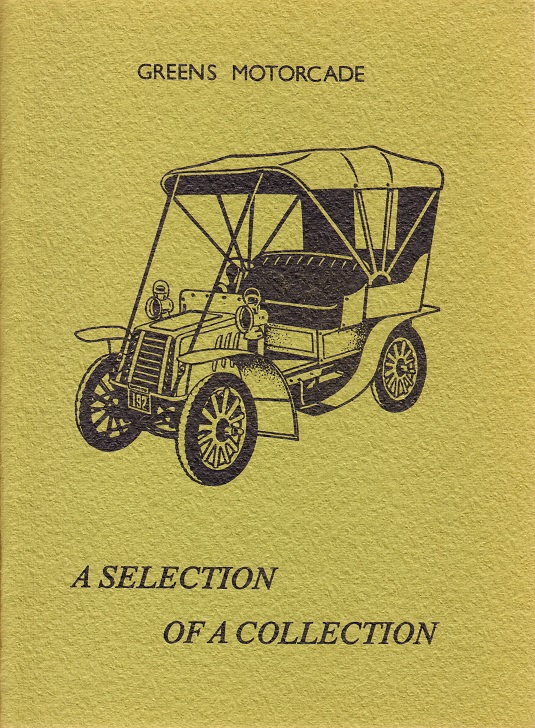
Greens Motorcade Museum Park, Leppington, a lost Sydney icon
Greens Motorcade Museum Park, a prominent car museum in Leppington, opened in 1974 and showcased George Green's extensive vintage car collection. It featured historical attractions and community events but closed in 1982 after Green's death. Iconic vehicles, such as a Leyland P76 and a 1922 Stanley Steamer, are now part of various collections.
Share this:

Share this:

El Caballo Blanco, A Forgotten Past
El Caballo Blanco was a horse show and theme park located at Catherine Fields on Sydney rural-urban fringe
Share this:

Share this:
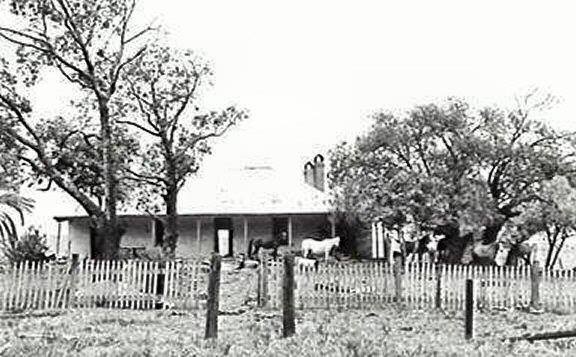
Beulah and Sydney’s Urban Sprawl
Beulah estate, Sydney's urban sprawl and the Appin Road
Share this:

Share this:
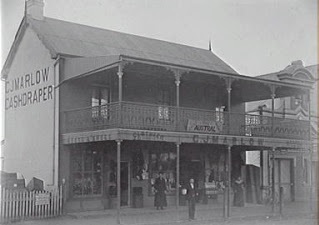
Lost Campbelltown heritage
The lost built heritage of a country town on Sydney's urban fringe at Campbelltown
Share this:

Share this:
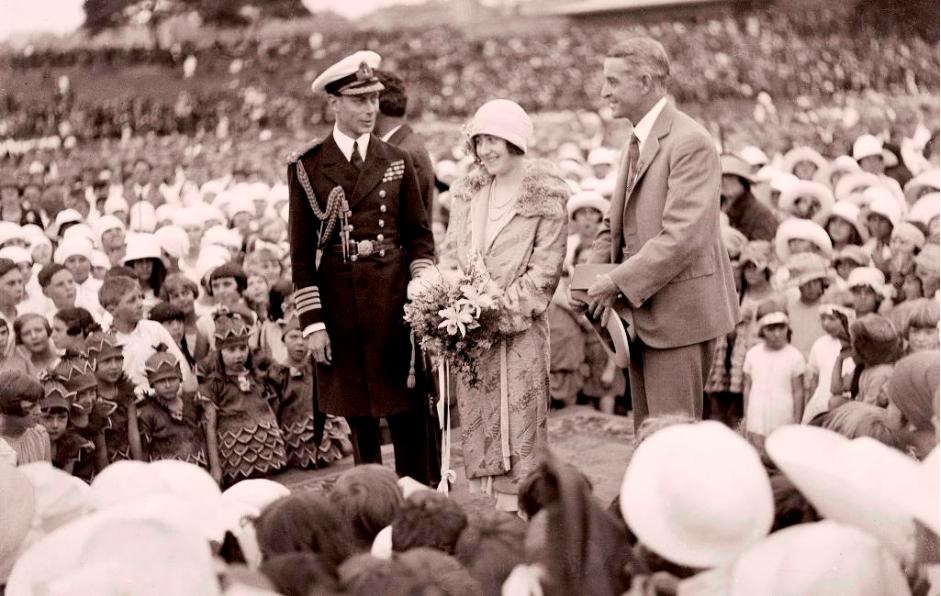
Menangle ‘Little England’ says Duchess of York
In 1927, the Duke and Duchess of York visited Menangle and Camden Park as part of their Australian royal tour. They were guests at the Camden Park house and enjoyed activities such as horse riding and attending the Camden Show. The visit received extensive coverage in newspapers across Australia, highlighting the English countryside-like environment.
Share this:

Share this:
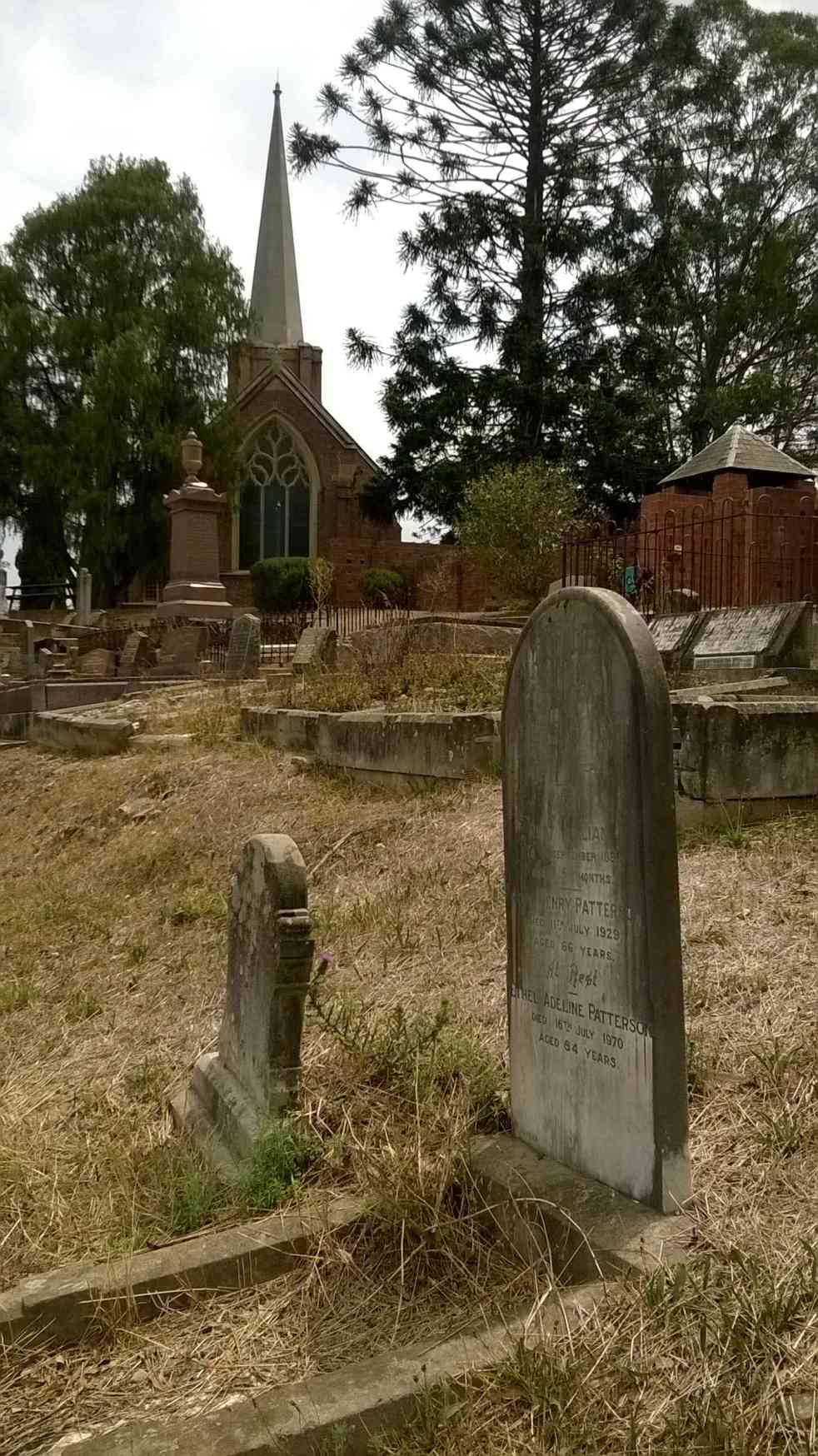
History is nice, but…
The value of history is more important now than almost at any other time in the past.
Share this:

Share this:

Elderslie, a suburb on Sydney’s fringe
A history of continuity and change Elderslie is a suburb of Camden, the traditional land of the Dharawal people. It lies on the southern end of the Camden Municipality, 62 km southwest of Sydney, on the rural-urban fringe. Elderslie borders the Nepean River to the west, Narellan Creek to the north, Camden By-Pass to the… Continue reading Elderslie, a suburb on Sydney’s fringe
Share this:

Share this:
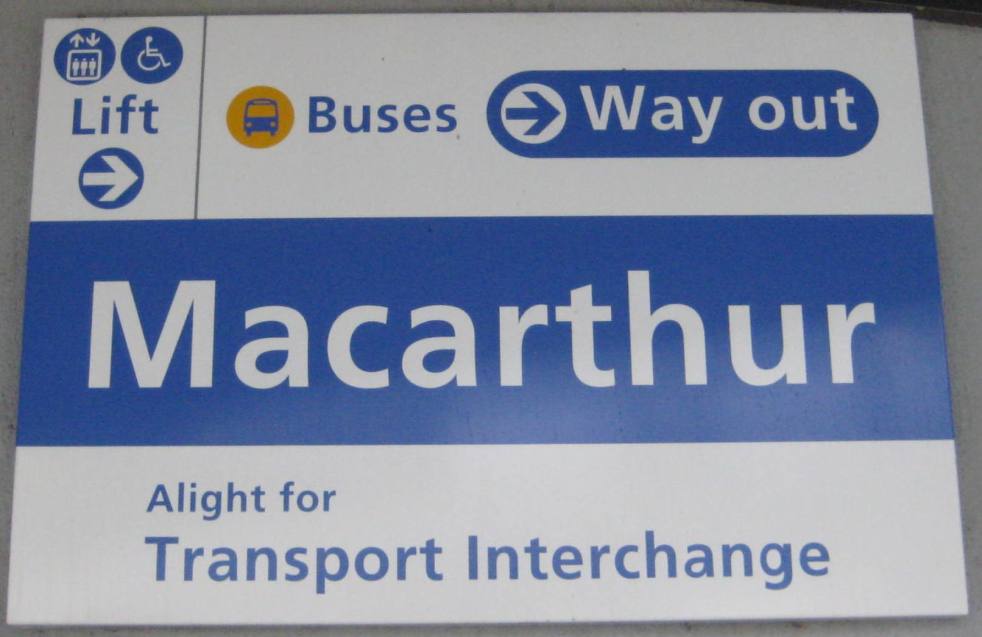
Westies, Bogans and Yobbos. What’s in a name?
The article explores regional identity in Sydney's Macarthur district, focusing on the communities of Campbelltown, Camden, and Picton. It discusses the strong local attachment to identity, which is challenged by perceptions of western Sydney as a cultural wasteland. Jeff McGill’s criticism of regional labeling sparked significant community response, revealing a conflict over identification and stereotypes. While Macarthur's regionalism reflects urban expansion, it struggles for acceptance amidst historical, cultural, and emotional ties that residents hold with their distinct localities.
Share this:

Share this:
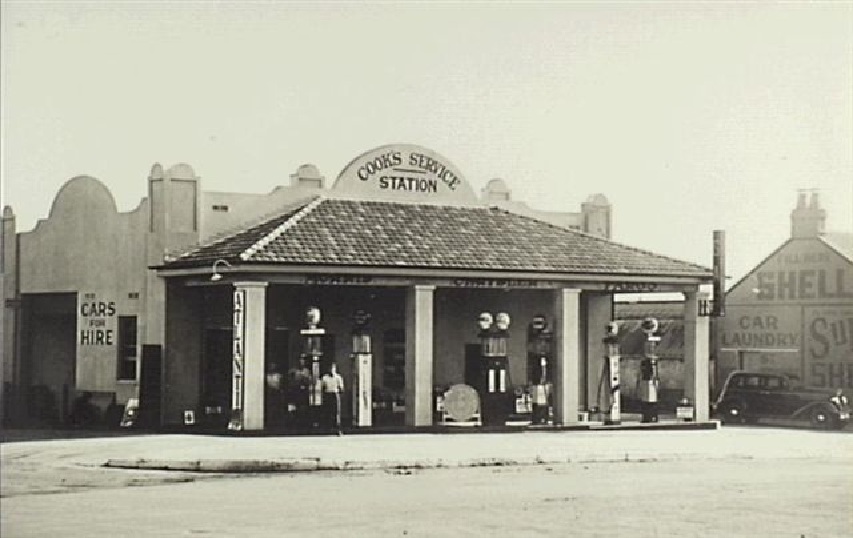
Interwar Camden, the heritage of a country town
During the interwar period, Camden experienced economic growth driven by dairy and coal industries. The town's population grew by over 35%, making it a vital commercial and administrative center. The Hume Highway and railway brought modern influences, leading to developments such as motor industry, cinemas, and the airfield. Camden has maintained its bucolic charm, but has also experienced urbanization pressure. The town centre has many buildings from the interwar period.

