Agriculture · Attachment to place · Belonging · Camden · Churches · Colonialism · Community identity · Cowpastures · Cultural Heritage · Elderslie · Farming · Hawkesbury-Nepean river · Heritage · Horticulture · John Oxley · Landscape · Local History · Local Studies · Pioneers · Place making · Railway · Sense of place · Settler colonialism · Settler Society · St Mark's Church Elderslie · Storytelling · Sydney's rural-urban fringe · Urban development · Urban growth · Urban Planning · urban sprawl · Urbanism · Village

Elderslie, a suburb on Sydney’s fringe

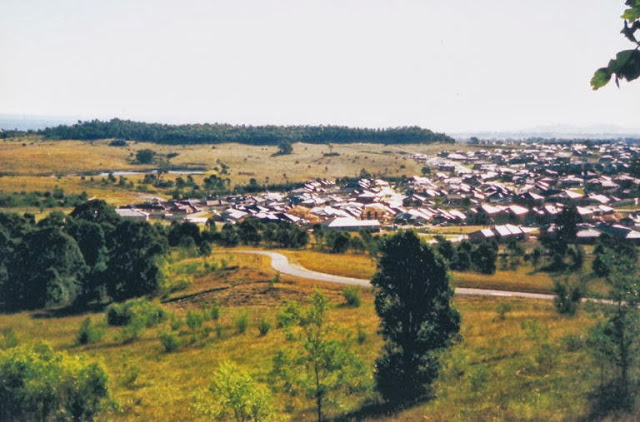
A history of continuity and change Elderslie is a suburb of Camden, the traditional land of the Dharawal people.  It lies on the southern end of the Camden Municipality, 62 km southwest of Sydney, on the rural-urban fringe. Elderslie borders the Nepean River to the west, Narellan Creek to the north, Camden By-Pass to the… Continue reading Elderslie, a suburb on Sydney’s fringe

Attachment to place · Belonging · Business History · Camden · Camden Story · Campbelltown · Campbelltown Story · Community identity · Cultural Heritage · Cultural icon · Heritage · Historical consciousness · Local History · Local newspapers · Local Studies · Macarthur · Macarthur region · Myths · Narellan Story · Newspapers · Picton · Place · Place making · Placemaking · Sense of place · Stereotypes · Stories · Storytelling · Sydney's rural-urban fringe · Tourism · Urban development · Urban growth · Urban history · urban sprawl · Urbanism · Village

Westies, Bogans and Yobbos. What’s in a name?

The article explores regional identity in Sydney's Macarthur district, focusing on the communities of Campbelltown, Camden, and Picton. It discusses the strong local attachment to identity, which is challenged by perceptions of western Sydney as a cultural wasteland. Jeff McGill’s criticism of regional labeling sparked significant community response, revealing a conflict over identification and stereotypes. While Macarthur's regionalism reflects urban expansion, it struggles for acceptance amidst historical, cultural, and emotional ties that residents hold with their distinct localities.

1920s · 1930s · Aesthetics · Architecture · Argyle Street · Belonging · Cafes · Camden · Camden Hospital · Camden Modern · Camden Modernism · Camden Story · Camden Town Centre · Country town · Country town idyll · Cultural Heritage · Heritage · House history · Housing · Housing styles · Interwar · Local History · Local Studies · Modernism · Narellan · Place making · Placemaking · Sense of place · Small town · Storytelling · Urban growth · Urban history

Interwar Camden, the heritage of a country town

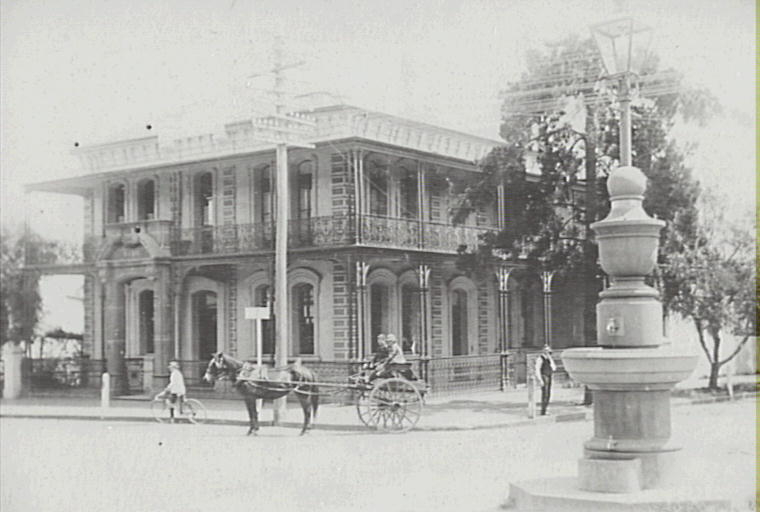
During the interwar period, Camden experienced economic growth driven by dairy and coal industries. The town's population grew by over 35%, making it a vital commercial and administrative center. The Hume Highway and railway brought modern influences, leading to developments such as motor industry, cinemas, and the airfield. Camden has maintained its bucolic charm, but has also experienced urbanization pressure. The town centre has many buildings from the interwar period.

Architecture · Cafes · Camden · Community identity · Cultural Heritage · Cultural icon · Entertainment · Food · Heritage · Historical consciousness · Historical Research · History · Holidays · Interwar · Leisure · Local History · Macarthur · Memory · Modernism · Place making · Retailing · Sense of place

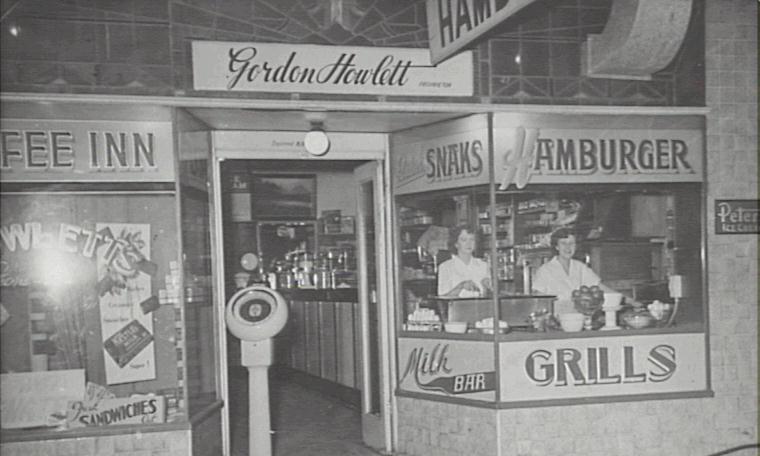
Discover Camden’s Iconic Milk Bars and Cafes

Camden's milk bars, established by Australian-Greek immigrants in the Interwar period, significantly influenced local food culture. With Art Deco designs, these cafes blended American food trends with Australian cuisine, offering various refreshments and meals. They served as social hubs, fostering community connections and breaking down social barriers, with lasting cultural nostalgia today.

Aesthetics · Attachment to place · Australia · Belonging · Blue Mile Pathway Wollongong · Camden · Cultural Heritage · Cultural icon · Economy · Entertainment · Families · Fashion · Guesthouse · Heritage · Historical consciousness · Historical Research · Historical thinking · History · Holidays · Leisure · Lifestyle · Local History · Memory · Motoring History · Sense of place · Storytelling · Stuart Park Wollongong · Tourism · Travel · Wollongong

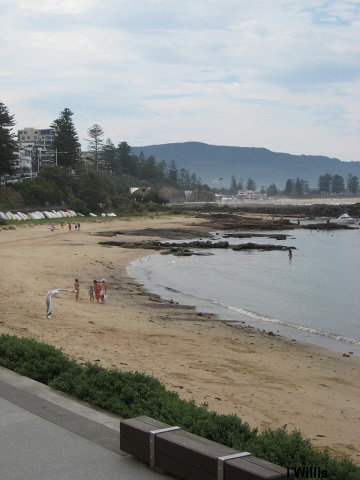
The seaside holiday

Seaside holidays on the NSW South Coast has been a popular holiday spot for Camden families. This is the story of seaside holidays in the Wollongong area.

Aesthetics · Agricultural heritage · Architecture · Attachment to place · Belonging · Camden · Camden Story · Collective Memory · Colonial Camden · Colonial frontier · Community identity · Cowpastures · Environment · Governor Macquarie · Heritage · Historical consciousness · History · Landscape · Landscape aesthetics · Local History · Local Studies · localism · Place making · Placemaking · Sense of place · Settler Society · Storytelling · Urbanism

Viewing the Cowpastures landscape

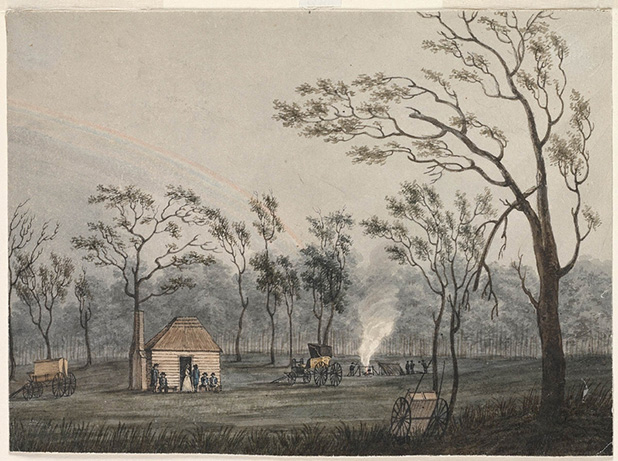
The early colonists of the Sydney area viewed the landscape from a number of different perspectives according to historian Grace Karskins in her book The Colony a History of Early Sydney (2009) and this also applied to the Cowpastures.

Camden · Colonial Camden · Community identity · Convicts · Cowpastures · Edwardian · Elderslie · Farming · First World War · Floods · Heritage · Historical consciousness · Historical Research · History · Interwar · Local History · Macarthur · Modernism · Place making · Red Cross · Second World War · Sense of place · Settler colonialism · Urban growth · Volunteering · War

Pictorial History of Camden and District

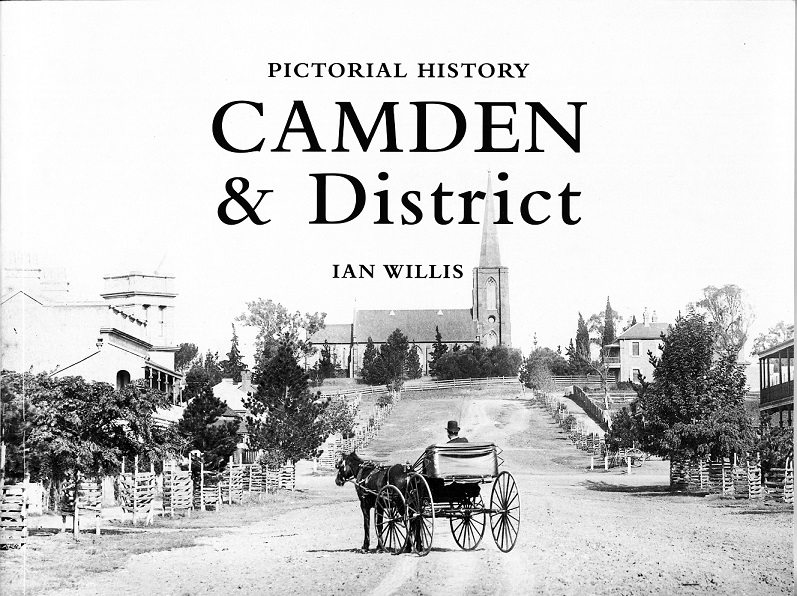
The history of the Camden District is told in a recent publication that has been recently been republished by Kingsclear Books. Pictorial History of Camden & District.

Camden · First World War · Interwar · Red Cross

Lady Street visited Camden in 1934

The Red Cross drew many important people to visit Camden during the Inter-war period. One of those was Lady Belinda Street, a member of the Street family, a dynasty of important Sydney barristers and judges. Lady Belinda Street was part of the influential network of friends and contacts that formed the circle that swirled around… Continue reading Lady Street visited Camden in 1934

1968 Sydney Region Outline Plan · 1973 New Cities Campbelltown Camden Appin Structure Plan · Airds · Attachment to place · Belonging · Camden · Camden Story · Campbelltown · Elderslie · History · Hope and loss · Land releases · Landscape · Landscape aesthetics · Leppington · Local History · Local Studies · localism · Lost Sydney · Macarthur · Mount Annan · Mount Gilead · Narellan · Oran Park · Place making · Regionalism · rural-urban fringe · Ruralism · Sense of place · Storytelling · Sydney's rural-urban fringe · The Oaks · Town planning · Transition zone · Uncategorized · Urban development · Urban growth · Urban history · Urban Planning · urban sprawl · Urbanism

Sydney’s urban fringe: a transition zone of hope and loss

Sydney’s rural-urban fringe is a site of winners and losers. It is a landscape where dreams are fulfilled and memories are lost. The promises of land developers in master-planned suburban utopias meet the hope and expectations of newcomers.

1968 Sydney Region Outline Plan · 1973 New Cities Campbelltown Camden Appin Structure Plan · 20th century · Attachment to place · Camden · Campbelltown · Collective Memory · Country town · Cultural Heritage · Local History · Local Studies · Macarthur · Macarthur region · Memory · Peri-urban region · Place making · Placemaking · Regionalism · rural-urban fringe · Ruralism · Sense of place · Stereotypes · Storytelling · Sydney's rural-urban fringe · Urban development · Urban growth · Urban history · Urban Planning · Urbanism

Sydney’s urban sprawl invades the Macarthur region

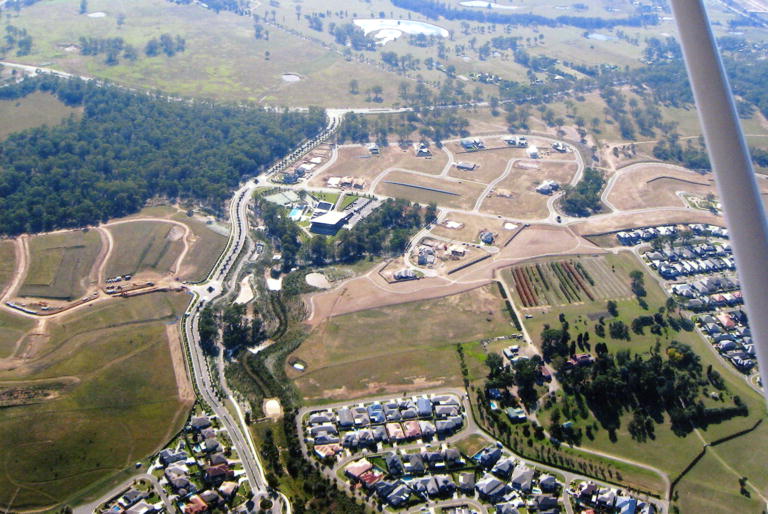
Urban sprawl has invaded the Macarthur region. It is re-run of the planning policies of the 1970s.