19th Century · Agricultural heritage · Agriculture · Agriculture history · Attachment to place · Australian History · Belonging · British colonialism · Business History · Colonial Australia · Colonial Camden · Colonial frontier · Colonial garden · Colonial NSW · Colonial Settler Community · Colonialism · Cowpastures · Cowpastures district · Cowpastures Estates · Cowpastures Gentry · Cowpastures Region · Cowpastures River · Cultural Heritage · Dairying · Economy · England · Families · Family history · Farming · Heritage · John Hawdon · Letters · Local Studies · Place · Place making · Placemaking · Regionalism · Settler colonialism · Settler Society · Social History · Uncategorized

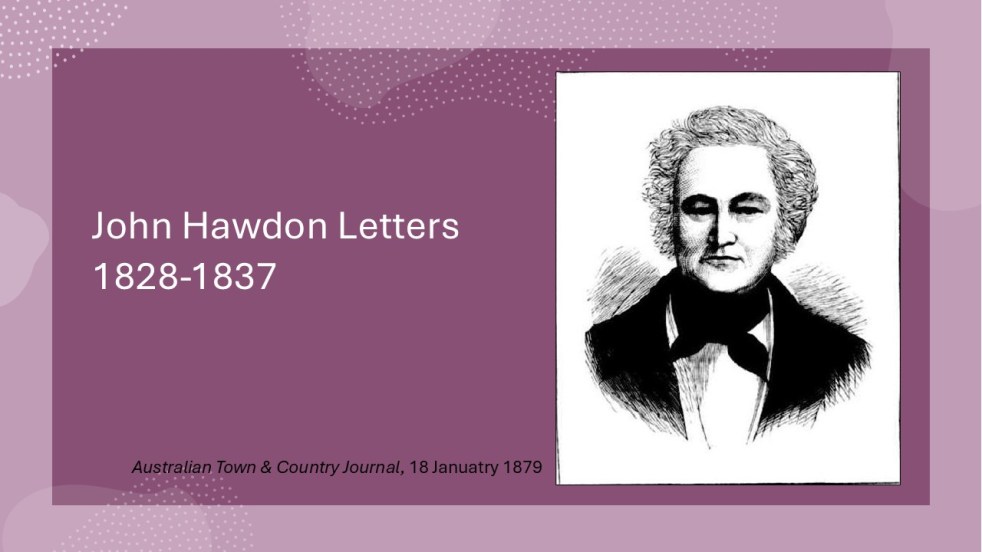
Insights from the Hawdon Letters: Colonial Life in NSW, Part 3, 1833-1837

The letters of John Hawdon and others from 1828 to 1837, preserved in the State Library of NSW, provide insights into colonial life in New South Wales. They highlight themes of isolation, communication challenges, economic struggles, and attitudes toward gender and Indigenous populations, alongside Hawdon's farming experiences and family connections.

19th Century · Agricultural heritage · Agriculture · British colonialism · British Heritage · Colonial Australia · Colonial Camden · Colonial frontier · Colonial NSW · Colonial Settler Community · Colonialism · Convicts · Cowpastures · Cowpastures district · Cowpastures Estates · Cowpastures Gentry · Cowpastures Region · Cowpastures River · Cultural Heritage · Cultural icon · Dairying · Economy · Elderslie · England · Families · Family history · Farming history · Heritage · John Hawdon · Local Studies · Pioneers · Place · Place making · Placemaking · Social History · Stories · Storytelling · Uncategorized

Insights from the Hawdon Letters: Colonial Life in NSW, Part 2, 1831-1833

John Hawdon's letters from New South Wales (1831-1833) reveal colonial life, highlighting farming challenges, isolation from England, and the high costs of communication. These letters provide insights into market conditions, crop successes, and family updates, showcasing the Hawdons' experiences and adaptations in a new land, while retaining original spelling and structure.

Agricultural heritage · Agriculture · Agriculture history · Artists · Belgenny Farm · Camden Park Estate · Camden Story · Colonial Camden · Cultural and Heritage Tourism · Dairying · Farming · Farming history · Heritage Walking Tours · History · History Festival · Leisure · Living History · Local History · Macarthur · Macarthur family · Place making · Placemaking · Sense of place · Settler colonialism · Settler Society · Social History · Stories · Storytelling

Explore History with Friends of Belgenny Farm Events

On a cloudy day in late May 2025, the Friends of Belgenny Farm held an open day attracting over 285 visitors interested in early Australian history. The event featured various stalls, historical displays, and guided tours of the historic site, which holds national significance and showcases Australia's earliest colonial farm buildings.

19th Century · 20th century · Adaptive Re-use · Adaptive Reuse · Agricultural heritage · Agricultural modernism · Agriculture · Agriculture history · Architectural History · Architecture · Artefacts · Attachment to place · Belgenny Farm · Belonging · British colonialism · Built Heritage · Business History · Camden Park Estate · Camden Park House and Garden · Camden Story · Carpentry · Collective Memory · Colonial Australia · Colonial Camden · Colonial frontier · Community Engagement · Community identity · Cultural and Heritage Tourism · Cultural Heritage · Dairying · Farming · Farming history · History · History Festival · Living History · Local History · Local Studies · Lost trades · Macarthur family · Place making · Placemaking · Sense of place · Settler Society · Stories · Storytelling

Explore Belgenny Farm: A Journey Through Time 2024

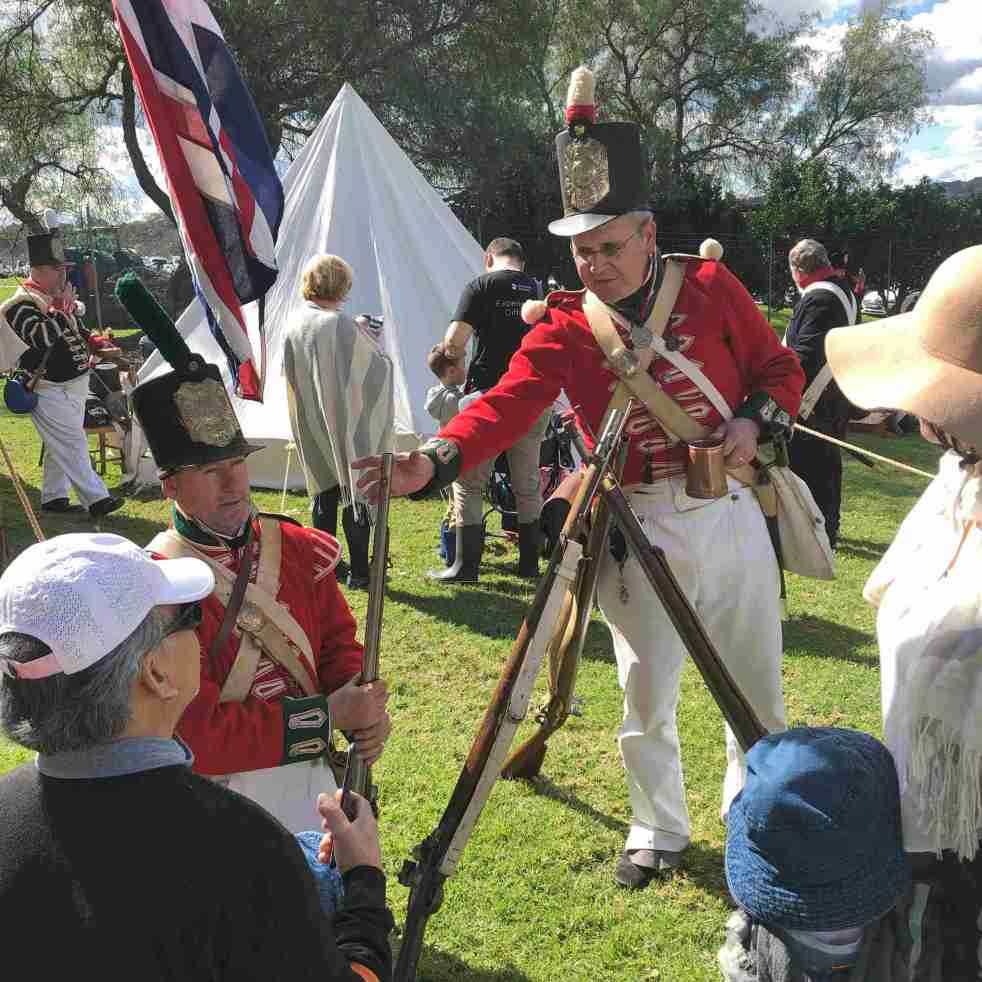
The 2024 Back to Belgenny festival showcased living history at Belgenny Farm, featuring reenactments, traditional trades, and various activities such as sheepdog trials and guided tours. The event included a demonstration by Governor Macquarieโ€™s regiment and highlighted the farm's historical significance, providing visitors with an immersive glimpse into colonial agricultural life.

Adaptive Re-use · Adaptive Reuse · Aesthetics · Agricultural heritage · Agricultural modernism · Agriculture · Agriculture history · Architecture · Artists · Belgenny Farm · Camden Park Estate · Camden Story · Carpentry · Colonial Camden · Colonialism · Commemoration · Cowpastures · Cowpastures Estates · Cowpastures Gentry · Crafts · Cultural Heritage · Dairying · Elizabeth Macarthur · Entertainment · Farming · History of a building · Landscape · Landscape aesthetics · Living History · Local History · Local Studies · Macarthur · Macarthur family · Memorial · Monuments · Nationalism · Place making · Placemaking · Ruralism · Sense of place · Settler Society · Small town · Stories · Storytelling · Traditional Trades · Village

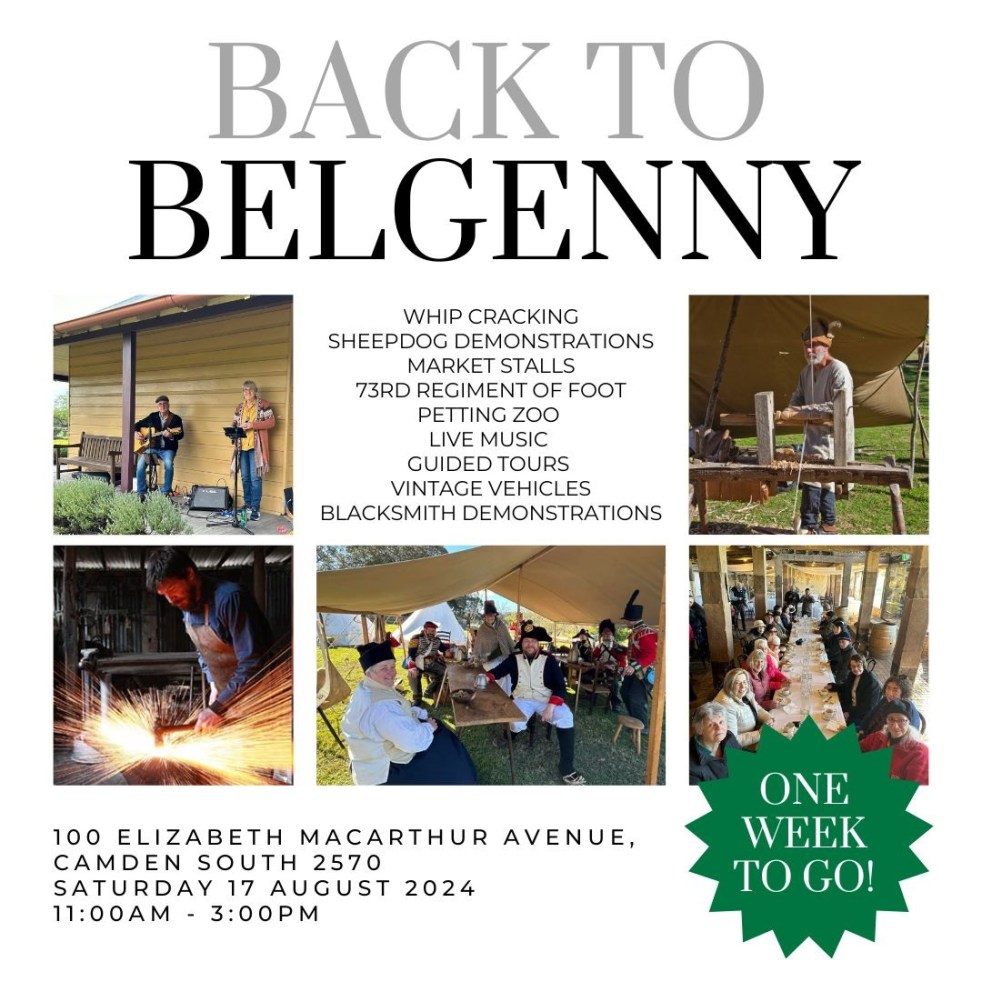
Back to Belgenny 2024, a festival of living history

The 2024 Back to Belgenny festival at Belgenny Farm in South Camden showcased living history with reenactments, traditional trades, and stalls selling arts and crafts of the past. Activities included sheepdog trials, live music, vintage cars, and guided history tours of the site. The farm represents the settler society through the generations of the Macarthur family and their workers.

Agriculture · Agriculture history · Attachment to place · Belonging · Camden Park Estate · Colonial frontier · Colonialism · Cultural Heritage · Dairying · Heritage · Local Studies · Macarthur · Menangle · Menangle Rotolactor · Menangle St James Church · Place making · Sense of place · Storytelling · Urban development · Urban growth · Urban history

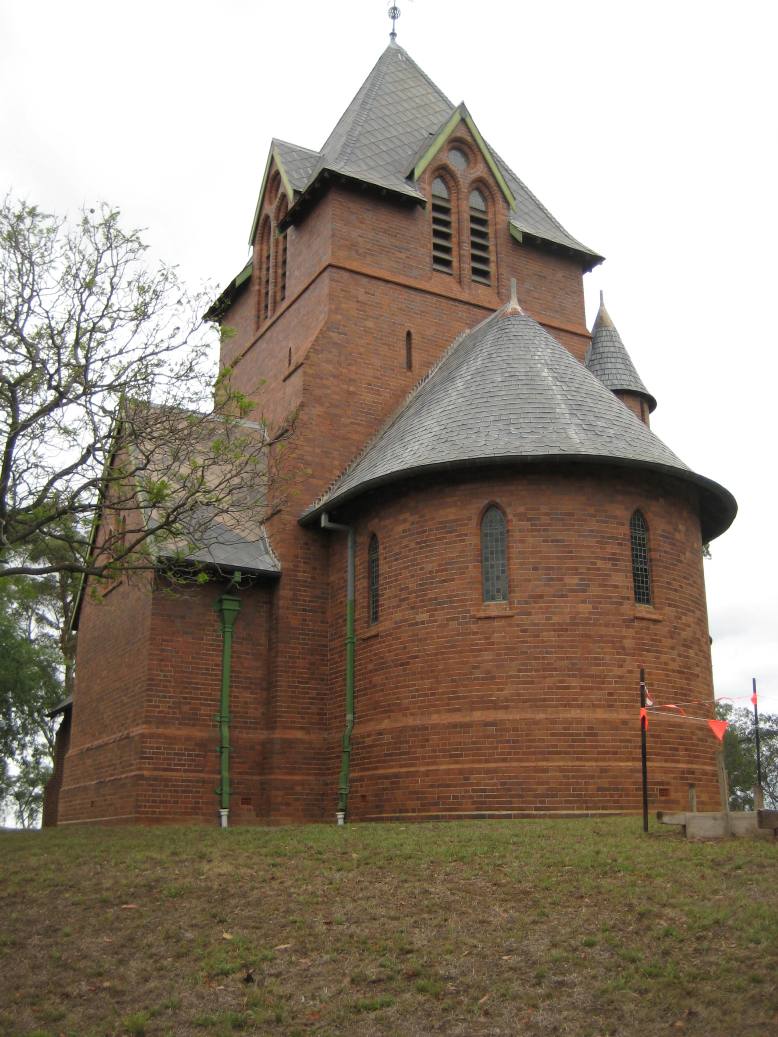
Menangle, A Historic English-Style Estate Village in Camden Park

The village of Menangle, situated within the Camden district, reflects an English-style private estate village that has evolved over 150 years. Embodying rural Englishness, it has experienced both prosperity and decline, closely tied to the history of the Camden Park estate. The village's story is intertwined with the Macarthur family's influence and the impact of industrialization and modernization.

1920s · 1930s · 20th century · Argyle Street · Camden · Camden Story · Collective Memory · Community identity · Cowpastures · Cultural Heritage · Cultural plantings · Dairying · Farming · Gardening · Horticulture · Landscape · Landscape aesthetics · Local Studies · Memorials · Memory · Pepper Trees · Place making · Settler colonialism · Settler Society · Storytelling · Street Trees · Town planning · Urban Planning

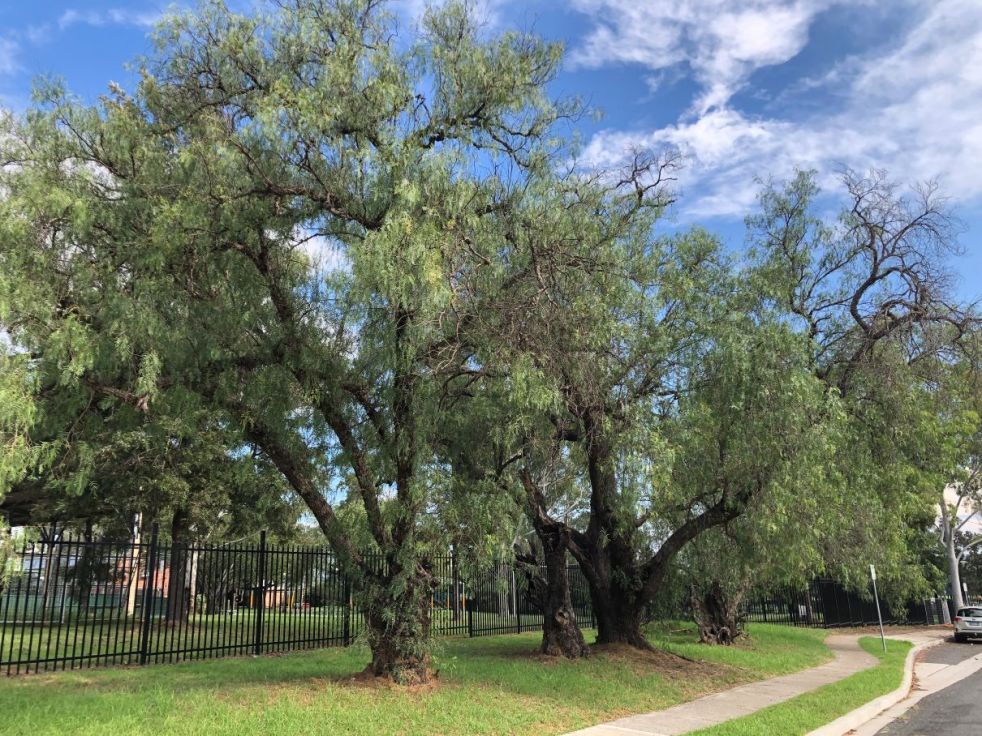
Camden pepper trees, a remnant of the past

In the 1890s, Camden Municipal Council started beautifying the town area by planting various trees, including peppercorns. These cultural plantings defined the local urban landscape for decades, yet only a handful remain today.

Advertising · Agricultural heritage · Agriculture · Attachment to place · Belonging · Camden · Camden Show · Camden Show Young Woman · Camden Showgirl · Camden Story · Community identity · Community work · Country Women's Association · Crafts · Cultural Heritage · CWA · Dairying · Farming · Festivals · History · Horticulture · Lifestyle · Living History · Local History · Local newspapers · Local Studies · Memory · Newspapers · Onslow Park · Place making · Ruralism · Sense of place · Showgirl competition · Stereotypes · Storytelling · Uncategorized · Volunteering · Volunteerism

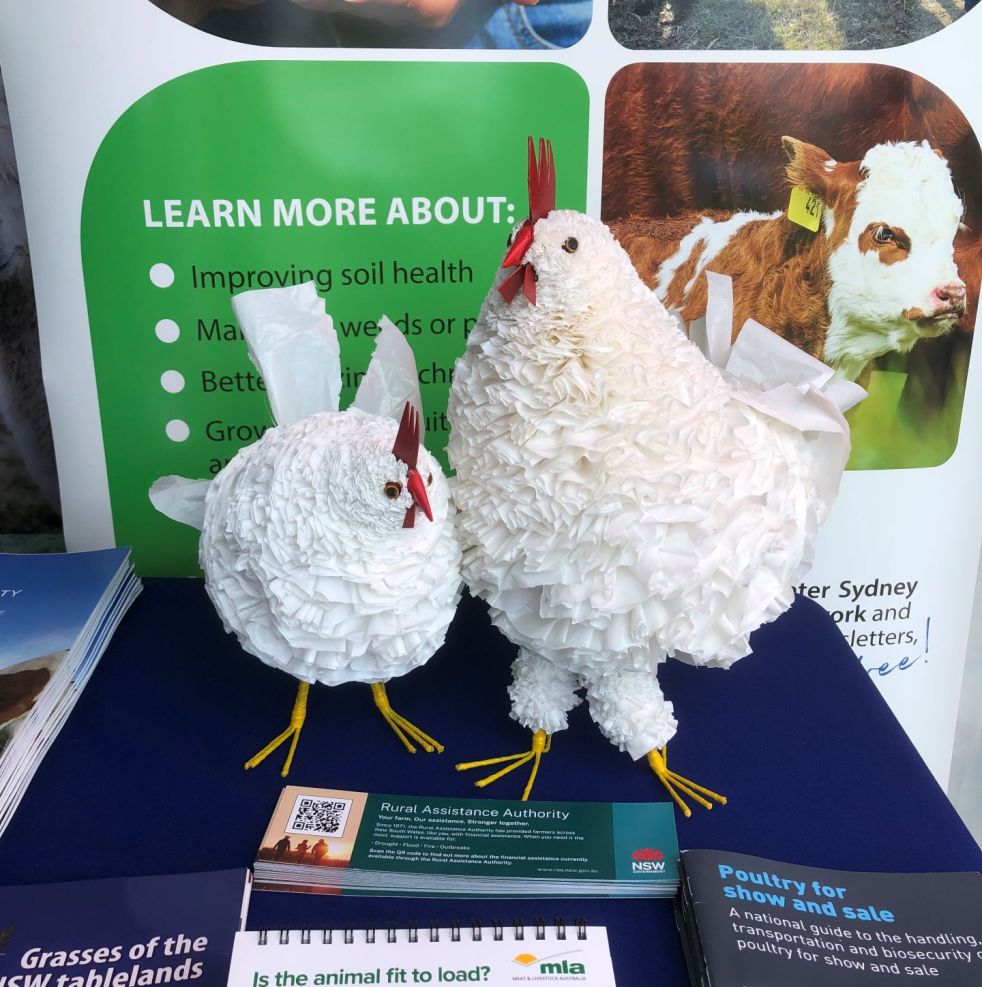
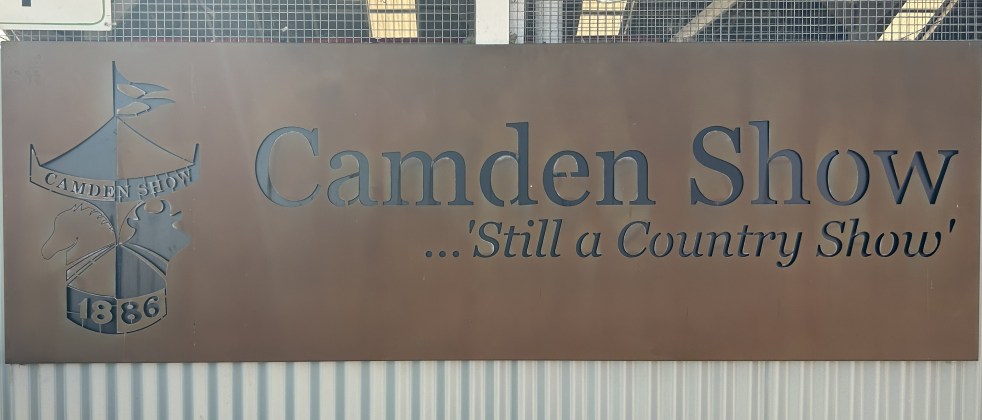
Camden Show 2023

The Camden Show is on again after floods and Covid stopped it in recent years. The show is back with all the bells and whistles of the past with some new innovations. A must see is the 2023 Camden Show.

Argyle Street · Camden · Camden Council · Camden Historical Society · Camden Museum · Camden Red Cross · Camden Show · Churches · Coal mining · Colonial Camden · Country Women's Association · Cultural Heritage · Dairying · Elizabeth Macarthur · Farming · First World War · Floods · Heritage · History · Living History · Local History · Local newspapers · Local Studies · Macarthur · Macarthur Park · Nepean River · Philanthropy · Place making · Placemaking · Railway · Red Cross · Schools · Second World War · Sense of place · Settler colonialism · Settler Society · Silver mining · Storytelling · Sydney's rural-urban fringe · Uncategorized · Urban development · Urban growth · Urban Planning · urban sprawl · Urbanism · Volunteering · Volunteerism · Wartime · World War One

Camden, a Macarthur family venture

The establishment of Camden, New South Wales, the town in 1840, was a private venture of James and William Macarthur, sons of colonial patriarch John Macarthur, at the Nepean River crossing on the northern edge of the familyโ€™s pastoral property of Camden Park. The townโ€™s site was enclosed on three sides by a sweeping bend in the Nepean River and has regularly flooded the surrounding farmland and lower parts of the town.

Agricultural heritage · Camden Park House and Garden · Camden Story · Community Health · Contamination · Cultural Heritage · Dairying · Economy · Farming · Heritage · History · Infant Welfare · Local History · Local Studies · Macarthur · Memory · Modernism · Place making · Produce · Retailing · Sense of place · Shopping · Storytelling · Sydney

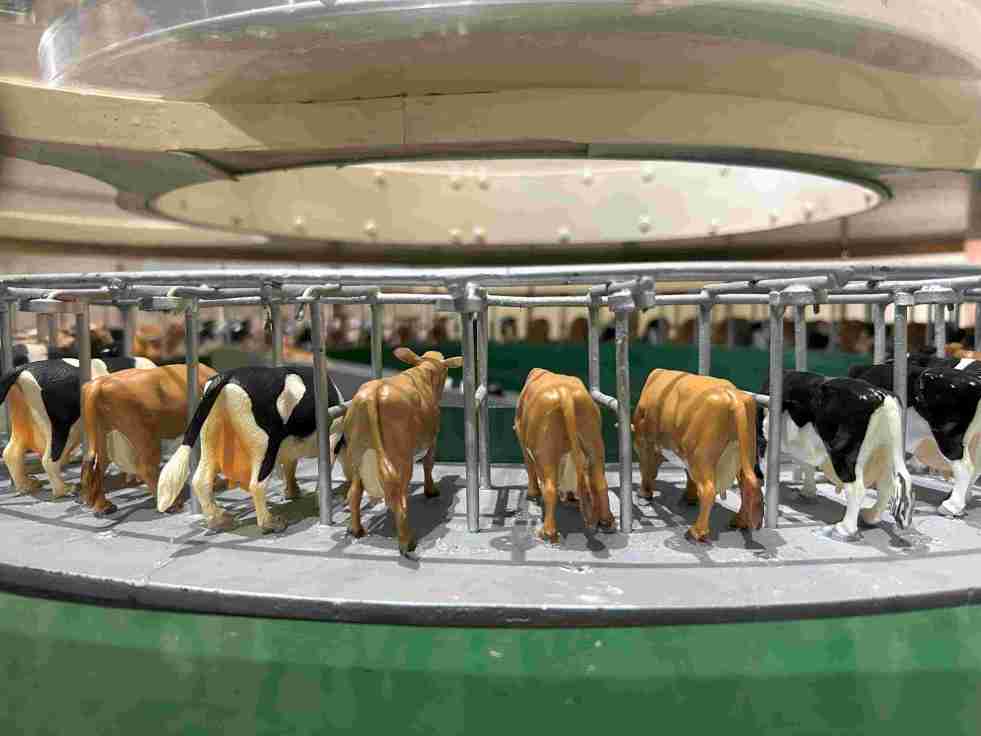
Bottled milk and hygienic dairies: agricultural modernism

Camden Vale Milk was produced by the dairies of Camden Park Estate. It was promoted as โ€˜Free from Tubercule, Typhoid and Diphtheria Bacilliโ€™. Camden Vale promised that its milk was โ€˜rich, cleanโ€™ and โ€˜safeโ€™ in an advertisement for the 1931 Health and Baby Welfare Week.