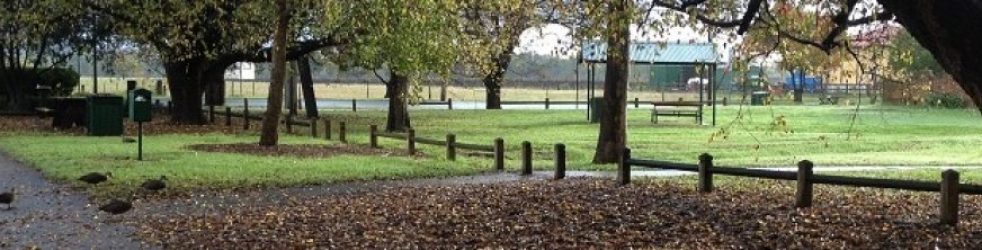

Many memorials and monuments across the Cowpastures landscape commemorate its history and sense of place, with a recent nostalgic turn focusing on the pioneers and European settlement. War memorials are a ubiquitous form of memorialization in the Macarthur region, and public art, historical sites, and cultural heritage also play significant roles. These commemorations can be controversial, especially considering Australia's dark history, and evoke different memories for different people. Additionally, the landscape of the Cowpastures is interpreted in various ways, including as a colonial frontier, government reserve, and English-style landscape. Various memorials, artworks, and historic sites dot the region, contributing to its identity and history.
Category: History

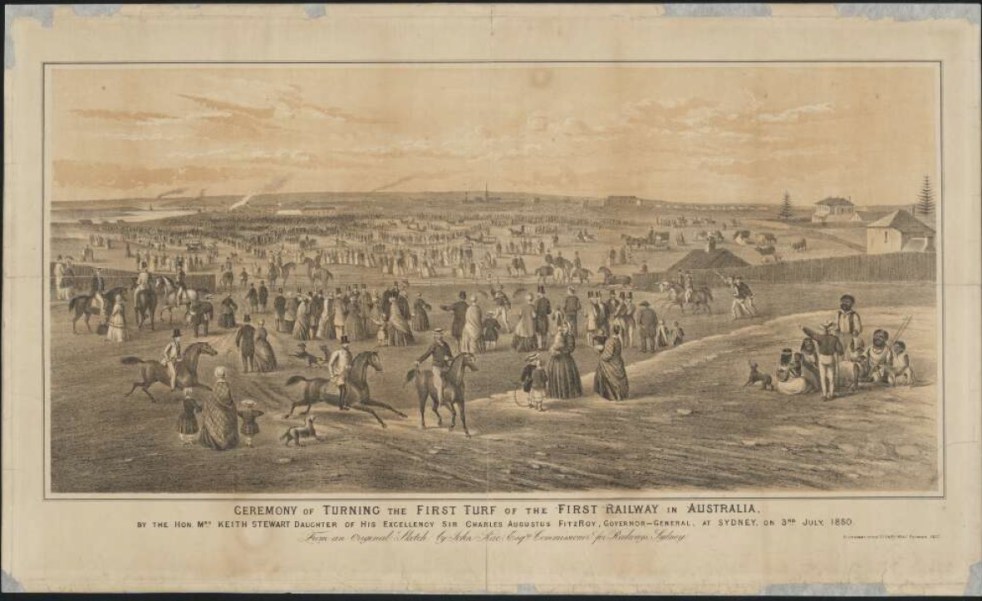
A Camden connection to the first railway line in New South Wales
26 September 1855 A forgotten anniversary of Sydney’s Central Railway Station On 26 September 1855, the first train left the Sydney terminus, a ‘tin shed’, with great pomp and ceremony and thus began the great railways of New South Wales. The ‘tin shed’ was replaced by two further buildings, one opened in 1874, and the current grand Victorian edifice of brick and sandstone in 1906.
Share this:

Share this:

Cowpastures Memorial at Narellan
In the plaza outside Narellan Library there is an item public art called the Cowpasture Story.
Share this:

Share this:
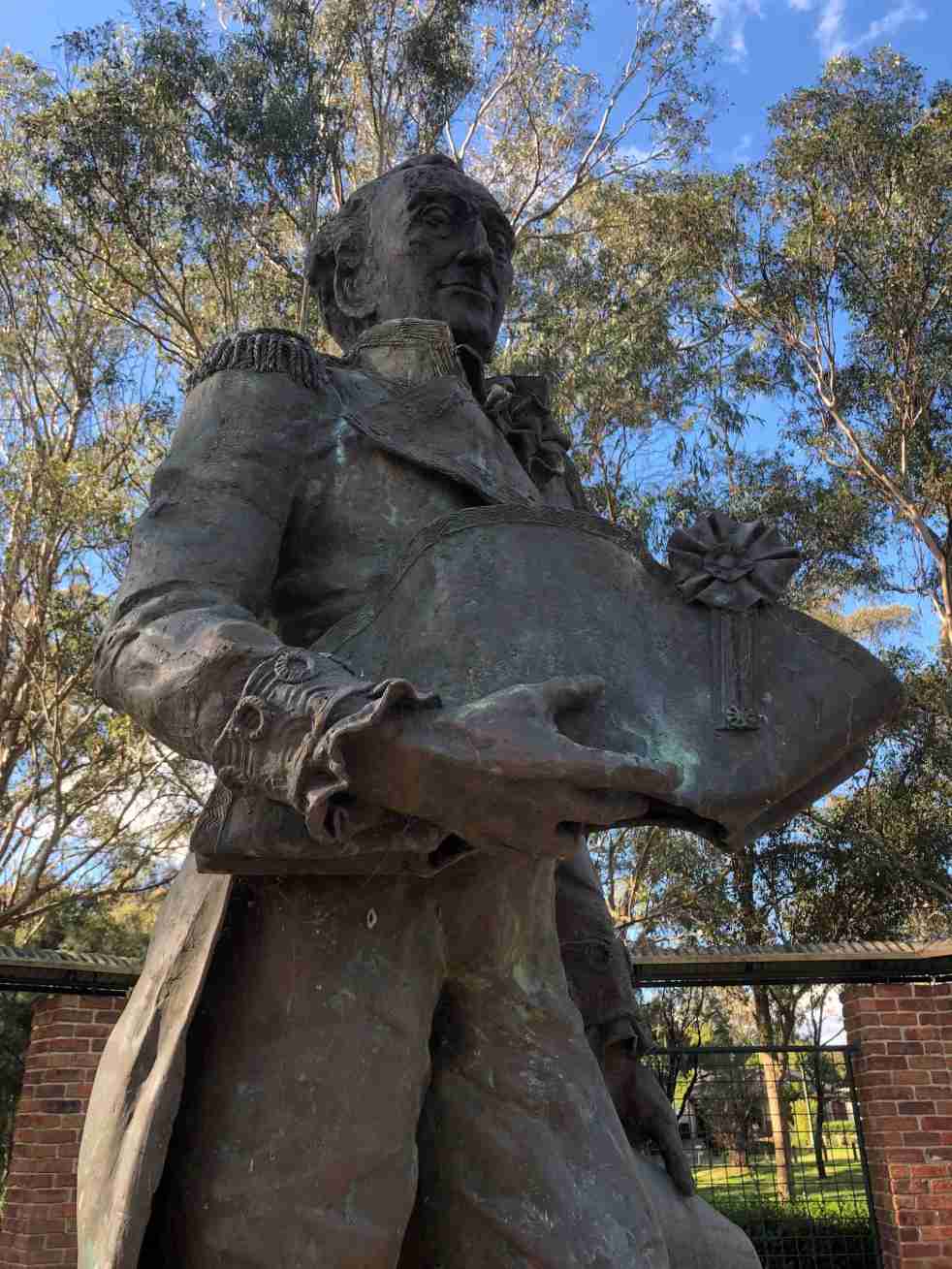
Governor Hunter, a Cowpastures memorial at Mount Annan
The statue of Governor Hunter in the Governors Green Park at Mount Annan is another celebration of the history of the Cowpastures.
Share this:

Share this:
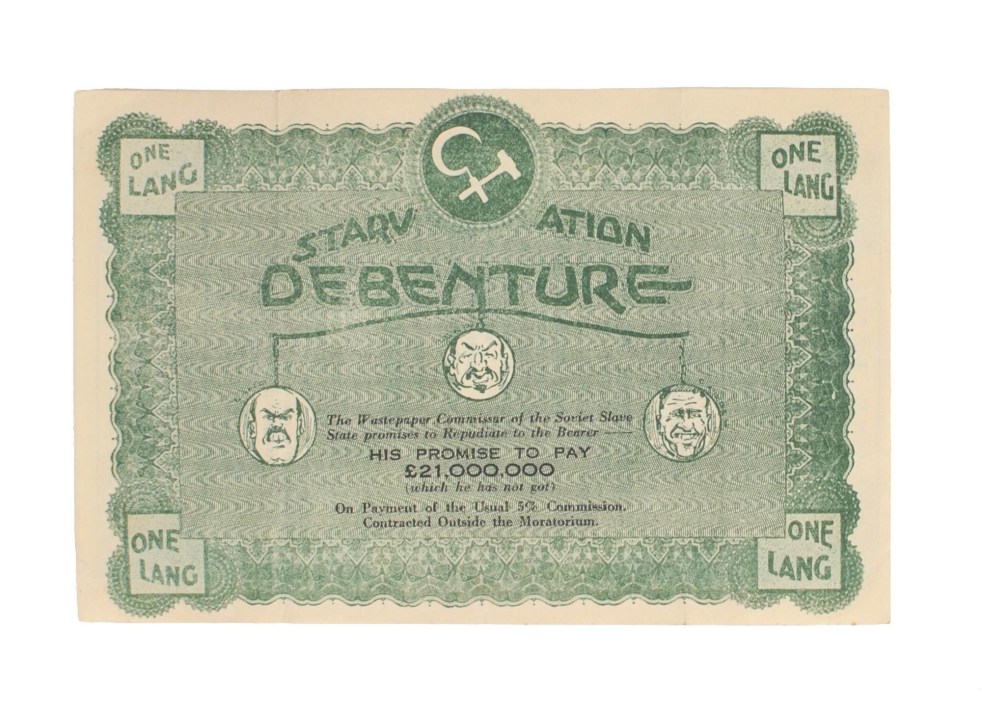
Political propaganda in 1932
The Starvation Debenture produced by the United Country Party is an example of political advertising from the 1932 New South Wales election.
Share this:

Share this:
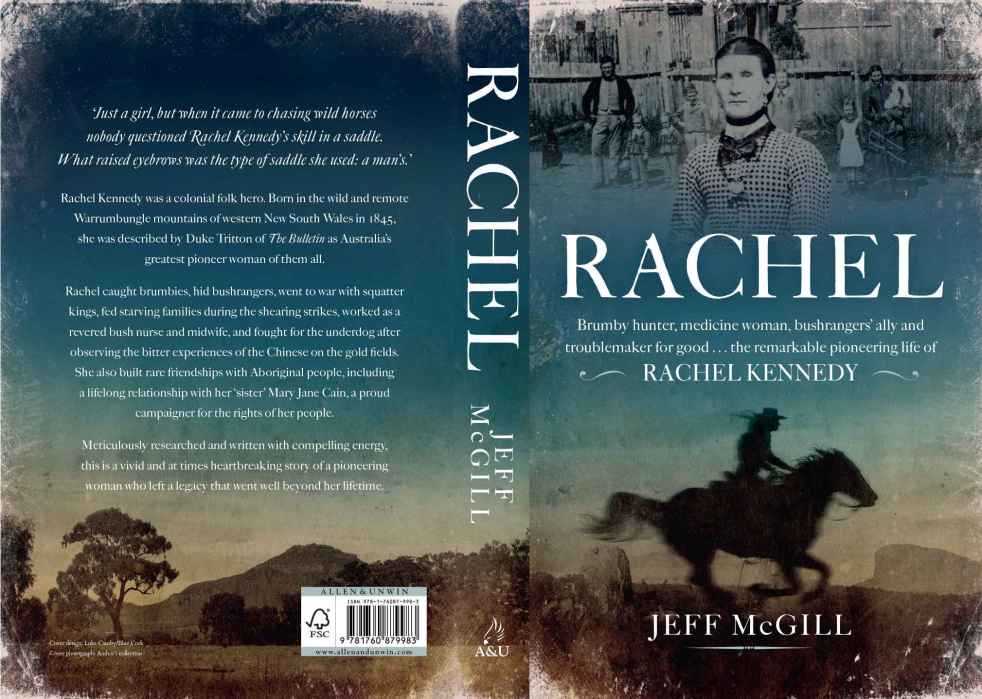
Rachel, a great yarn of the bush from colonial New South Wales
Jeff McGill's Rachel is a ripping yarn about the colonial frontier and the role of women in colonial New South Wales.
Share this:

Share this:
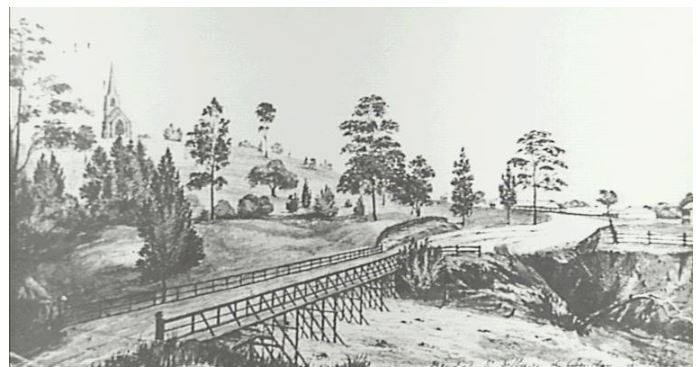
The Cowpastures’ English-styled gentry and their private villages and land grants
The Cowpastures gentry, a self-proclaimed English aristocracy, resided on expansive estates while engaging in business and politics across the British Empire. By the late 1820s, they had transformed the landscape to resemble the English countryside. Various types of people, including convicts and freemen, also inhabited the area.
Share this:

Share this:
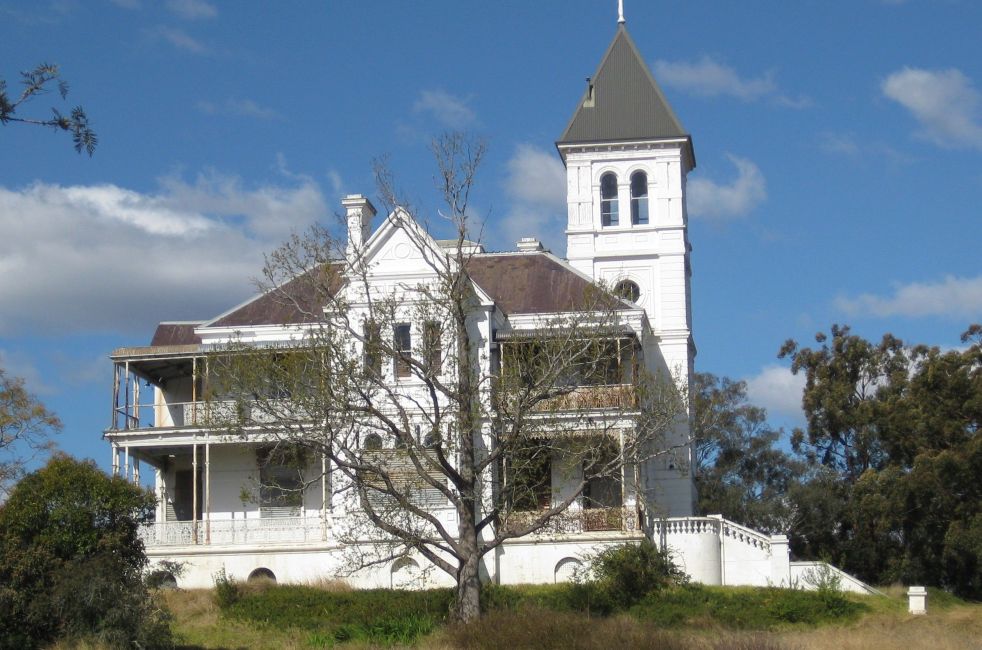
Narellan’s Architectural Landmarks: A Journey Through Time
Narellan, named after an 1816 land grant, features historical buildings like St Thomas Church and School from the 1830s and 1880s. The village, surveyed in 1827, was one of four pre-dating Camden's establishment in 1840. Significant structures include the Narellan Hotel , the former Burton Arms Hotel and Ben Linden reflecting local heritage.
Share this:

Share this:
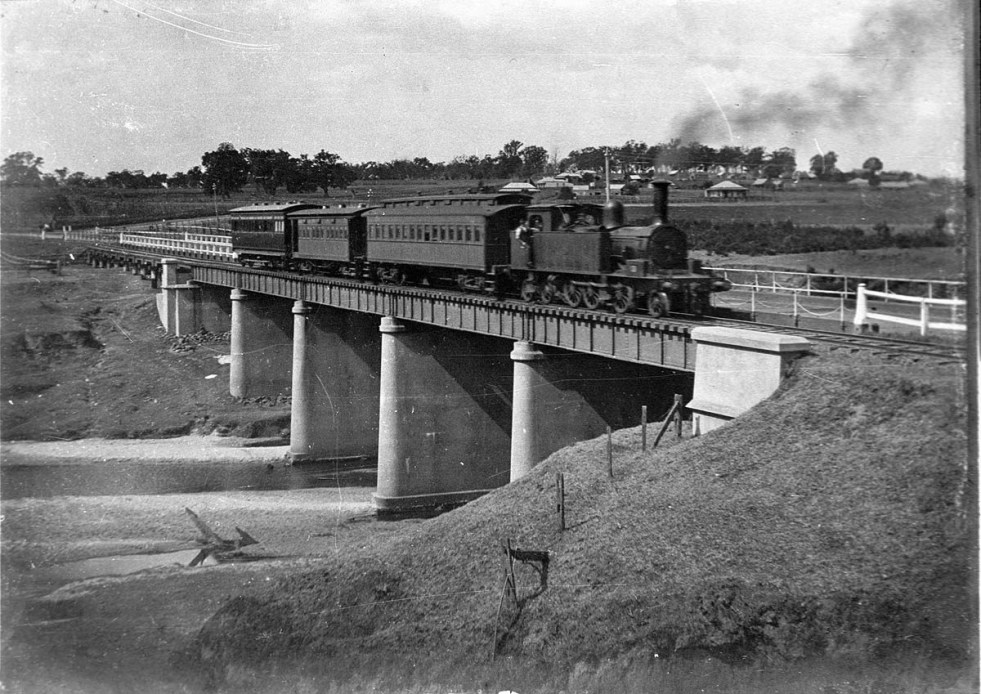
We need new ways to tell stories of the past
We need new ways to tell local stories in the face of fake news, the search for 'the truth' and a host of conspiracy theories. Stories about our past need to based on evidence from a range of credible sources. There is a need to be a historical detective.
Share this:

Share this:
Making Camden History
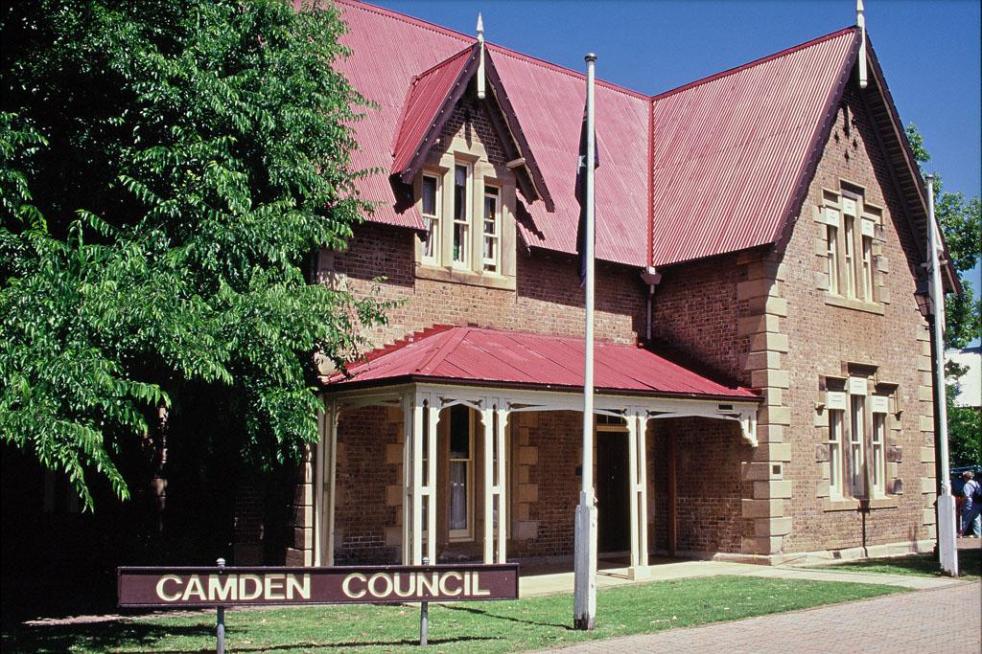
Making Camden History tells the story of how the history of the Camden District has been written from the 19th century. It is the history of the history of the local area.

