Art · Blue Plaques · British Red Cross · Community work · Country Women's Association · CWA · First World War · Heritage · Lady Helen Munro Ferguson · Media · Memory · Motherhood · Myths · Nationalism · Newspapers · Patriotism · Poster Art · Red Cross · Second World War · Social History · Volunteering · Volunteerism · War · War at home · Wartime · Women's history · World War One

Angels of Mercy, Red Cross volunteers

For the many during the First World the Red Cross became the soldier's guardian angel. The metaphor was expressed in poster, literature, the popular press and a host of other locations.

20th century · Agricultural heritage · Agriculture · Agriculture history · Camden · Camden Story · Cawdor · Collective Memory · Cowpastures · Cultural Heritage · Farming · Floods · Harold Perkins Photographer · Historical Research · Historical source · Local History · Local Studies · Memory · Photographs · Photography · Placemaking · Storytelling

The Perkins family album of Cawdor

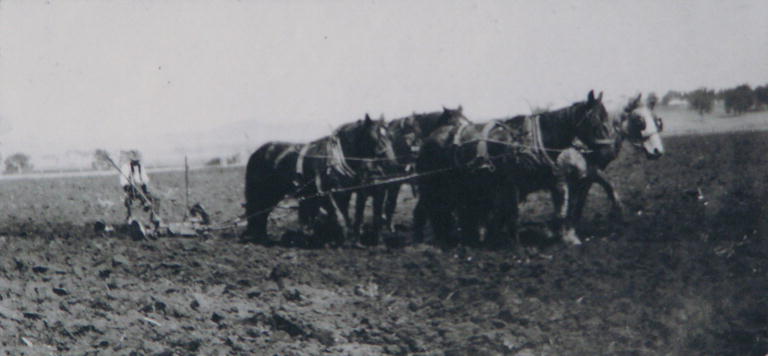
Photographs tell a story about the local area and represent a moment frozen in time. The Perkins family donated a family photograph album to the Camden Historical Society and it tells the story of the Cawdor area..

British colonialism · Camden · Camden Story · Colonial Camden · Colonialism · Commemoration · Communications · Community identity · Cowpastures · Cowpastures Bicentennial · Cultural and Heritage Tourism · Cultural Heritage · Cultural icon · Dharawal · European Exceptionalism · Frontier violence · Governor Macquarie · Heritage · History · Landscape · Landscape aesthetics · Legends · Local History · Macarthur · Memorial · Memorialisation · Memorials · Memory · Monuments · Place making · Settler colonialism · Settler Society · Stereotypes · Storytelling · Symbolism · Trauma · Uncategorized

Governor Macquarie’s visit to the Cowpasture 1810

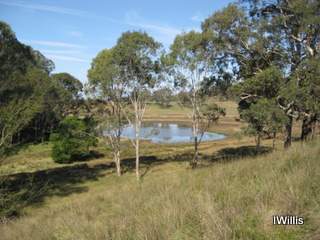
In November 1810, Governor Lachlan Macquarie (1762-1824) and Mrs Elizabeth Macquarie visited the Cowpastures. On that occasion, the Governor and Elizabeth Macarthur met the Dharawal people.

Aesthetics · Attachment to place · British colonialism · Camden · Cobbitty · Colonial Camden · Community identity · Cowpastures · Cultural Heritage · Cultural icon · Entertainment · Floods · Heritage · Historical consciousness · History · Landscape aesthetics · Leisure · Local History · Macarthur · Memory · Menangle · Myths · Nepean River · Place making · Ruralism · Second World War · Sense of place · Settler colonialism · Sydney's rural-urban fringe · Town planning · Urban growth · Urban Planning · urban sprawl · War · War at home · Water

Nepean River, more than a water view

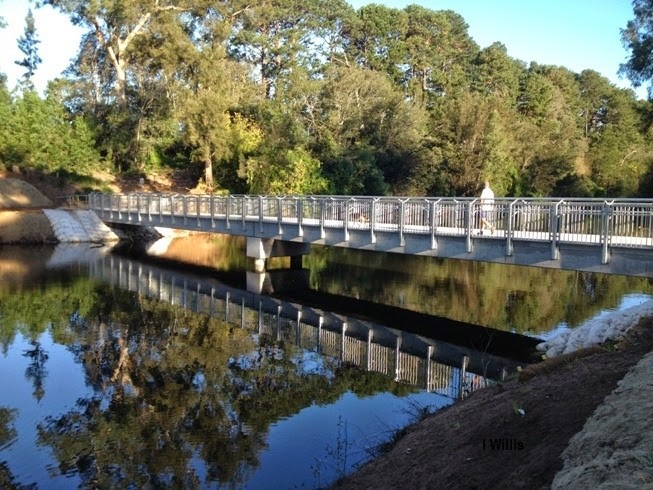
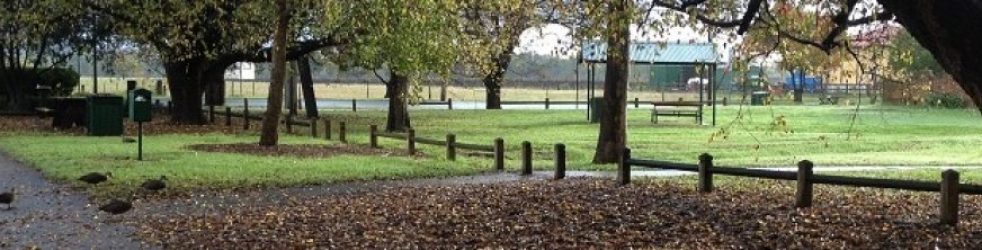
The Nepean River and its floodplain is much more than just a water view. It is cultural and natural icon in the Sydney basin.

Active citizenship · Attachment to place · British colonialism · British Heritage · British Red Cross · Camden District · Cobbitty · Community celebrations · Community Engagement · Community Health · Community identity · Community organisations · Community work · Cultural Heritage · First World War · Heritage · History · Holidays · Local History · Memory · Monuments · Mount Hunter · New Year's Sports Day · Place making · Red Cross · Storytelling · Village · Volunteering · Volunteerism · War · War at home · Wartime · World War One

Cobbitty New Year’s Day Village Sports Day Benefits War Effort

Cobbitty Sports Day on New Year's Day, 1915 A major event on the social calendar of a number of picturesque villages in the Camden district was the annual New Year’s Day Sports Carnivals. Cobbitty's St Paul's Anglican Church 1910 (Camden Images) The New Year's Sports Day was part of the English traditions brought to the… Continue reading Cobbitty New Year’s Day Village Sports Day Benefits War Effort

Agricultural heritage · Agriculture · Agriculture history · Attachment to place · Belgenny Farm · Belonging · Camden Story · Colonial Camden · Colonial frontier · Colonialism · Commemoration · Community celebrations · Community Engagement · Community identity · Cowpastures · Cowpastures Bicentennial · Cowpastures Estates · Cowpastures Gentry · Cowpastures River · Cultural Heritage · Entertainment · Festivals · Hawkesbury-Nepean river · Historical Research · Leisure · Local Studies · Lost Camden · Memorial · Memorialisation · Memorials · Memory · Monuments · Pioneers · Place making · Sense of place · Settler Society · Uncategorized

Cowpastures Bicentennial Celebrations 1995, the beginning of a settler society

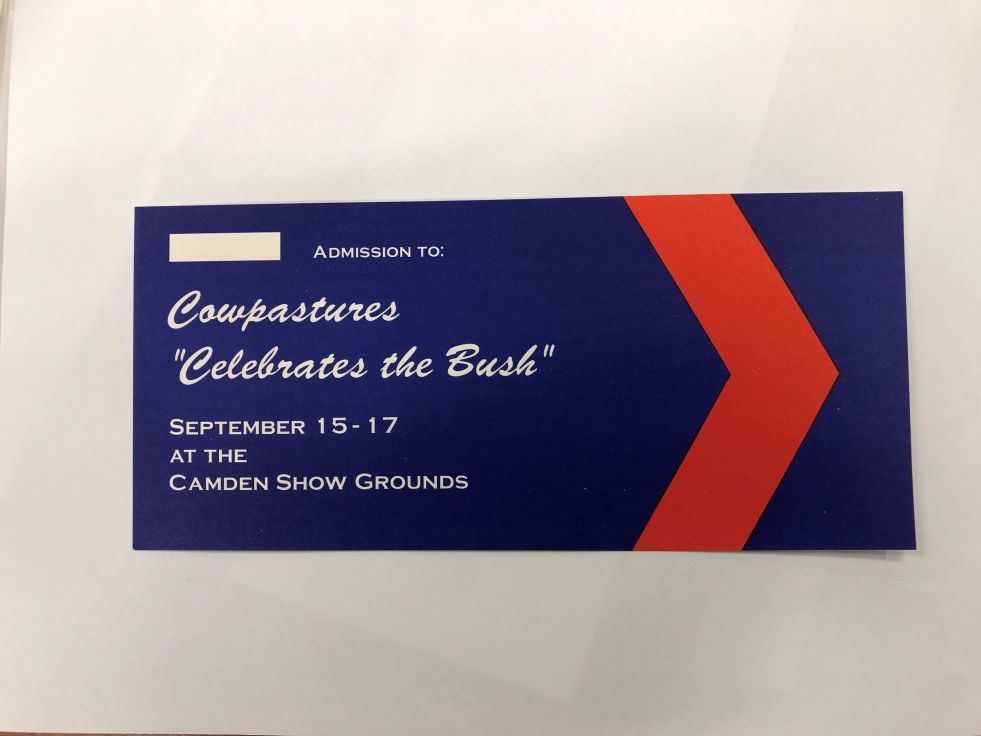
Local festival In 1995, the Camden community held a 12-month programme of events to celebrate the bicentennial of the naming of the Cow Pastures by Governor Hunter in 1795 and the discovery of 61 head of wild cattle. The discovery of the cattle herd was an important event in the life of the fledgling colony… Continue reading Cowpastures Bicentennial Celebrations 1995, the beginning of a settler society

1930s · Agricultural heritage · Agriculture · Attachment to place · Australia · Belgenny Farm · British colonialism · Camden Festivals · Camden Park Estate · Camden Park House and Garden · Camden Story · Colonial Australia · Colonial Camden · Colonial frontier · Colonialism · Cowpastures · Cowpastures district · Cowpastures Estates · Cowpastures Gentry · Cowpastures Region · Cultural Heritage · Cultural icon · Dairying · Elizabeth Farm · England · Family history · Farming · Farming history · Governor Macquarie · History · Interwar · Johm Macarthur · Legends · Local History · Local Studies · Macarthur · Macarthur family · Memory · Monuments · Myths · Pioneers · Place making · Placemaking · Ruralism · Sense of place · Settler colonialism · Storytelling

John Macarthur, Father of Australia’s Wool Industry, fact or fiction

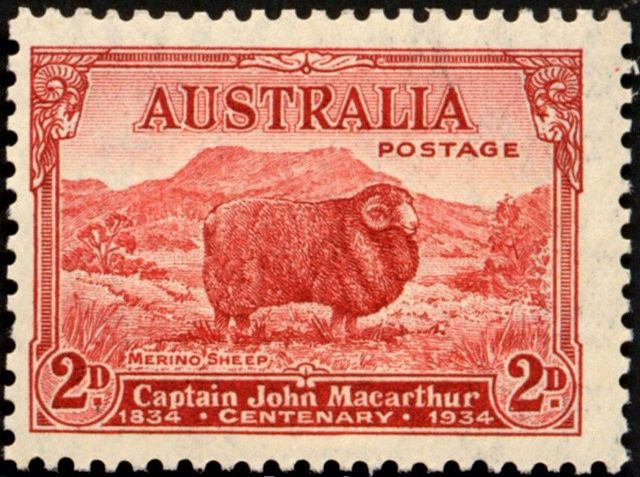
John Macarthur is credited with establishing fine wool as a key industry in New South Wales. During the interwar period, it was claimed that he was the father of the Australian wool industry. While significant, his contributions are part of a larger narrative involving many key figures in the industry. His legacy includes commemorative postage stamps, as well as his portrayal in literature and festivals celebrating wool production.

1920s · 20th century · Adaptive Re-use · Aesthetics · Architecture · Attachment to place · Built heritag · Camden · Camden Cottage · Camden Modern · Camden Modernism · Camden Story · Coal mining · Cultural Heritage · Cultural icon · Design · Elderslie · Heritage · History · History of a house · Holidays · House history · Housing · Housing styles · Interwar · Lifestyle · Living History · Local History · Local Studies · Macarthur · Memory · Mid-century modernism · Modernism · Place making · Placemaking · Sense of place · Storytelling · Streetscapes · Uncategorized · Urban development · Urban growth · Urban history · Urban Planning · Urbanism

The Camden Fibro Cottage and its connection to mid-century housing styles

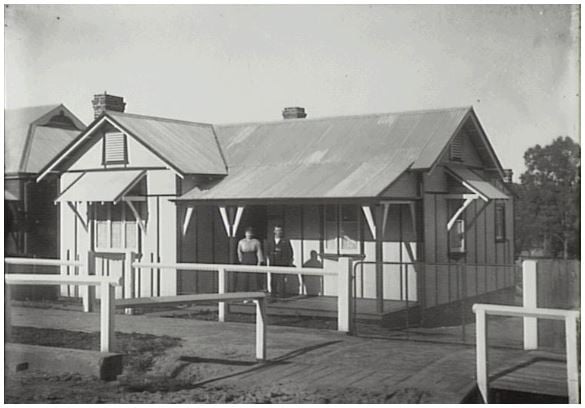
The Camden fibro cottage symbolizes the mid-20th century's affordable housing solution, catering to the working class in a post-war Australia. Representing nostalgia and simplicity, these homes were practical yet modern. Although their popularity declined due to issues like poor insulation and asbestos risks, they remain a significant aspect of Camden's architectural heritage.