Attachment to place · Australia · British colonialism · Camden · Camden District · Camden Park House and Garden · Camden Show · Camden Story · Community identity · Cultural and Heritage Tourism · Cultural Heritage · Edwardian · England · First World War · Gilbulla · Heritage · Historical consciousness · Historical Research · Historical thinking · History · Interwar · Landscape aesthetics · Local History · Local newspapers · Macarthur · Menangle · Modernism · Newspaper history · Newspapers · Place making · Placemaking · Railway · Royal Tours · Sense of place · Social History · Tourism · War

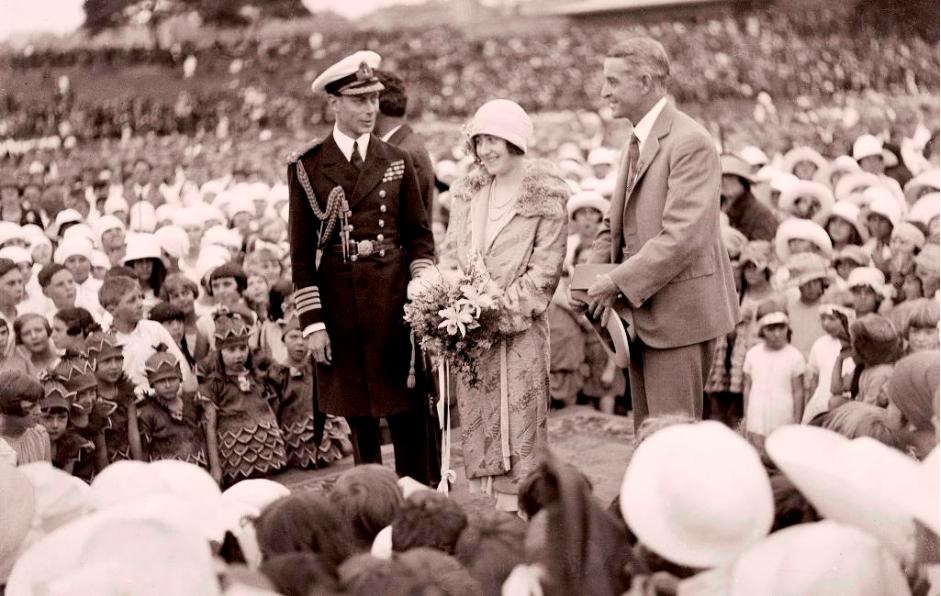
Menangle ‘Little England’ says Duchess of York

In 1927, the Duke and Duchess of York visited Menangle and Camden Park as part of their Australian royal tour. They were guests at the Camden Park house and enjoyed activities such as horse riding and attending the Camden Show. The visit received extensive coverage in newspapers across Australia, highlighting the English countryside-like environment.

1920s · 20th century · Aesthetics · Architecture · Ben Linden · Built heritag · Camden · Camden Cottage · Camden Story · Cultural Heritage · Edwardian · Heritage · History · House history · Housing · Housing styles · Interwar · Local Studies · Modernism · Narellan · Narellan Built Heritage · Placemaking · Residential Housing Style · Sense of place · Storytelling · Urban growth · Urban history · Urbanism

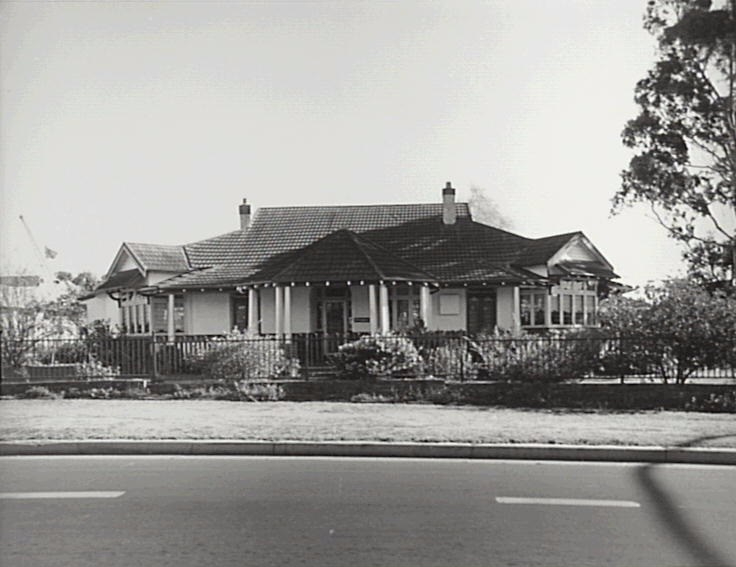
Ben Linden Narellan An Edwardian Gem

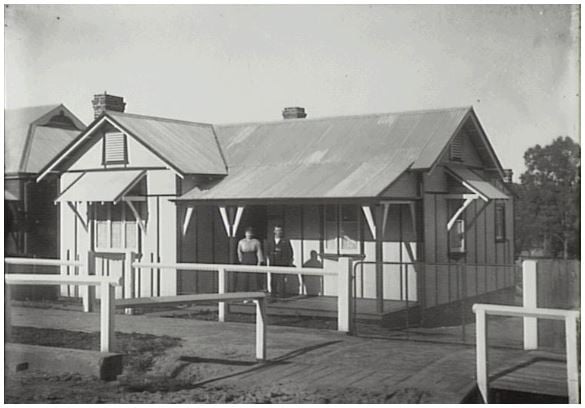
Ben Linden in Narellan is a notable Edwardian cottage representing early twentieth-century Australian architecture. The style emerged after the Federation of the Commonwealth of Australia in 1901, influenced by English Edwardian houses but tailored to suit local conditions. This housing style provides insight into the cultural heritage of Camden and the people who built and lived in these houses.

Attachment to place · Belonging · Business History · Camden · Camden Story · Campbelltown · Campbelltown Story · Community identity · Cultural Heritage · Cultural icon · Heritage · Historical consciousness · Local History · Local newspapers · Local Studies · Macarthur · Macarthur region · Myths · Narellan Story · Newspapers · Picton · Place · Place making · Placemaking · Sense of place · Stereotypes · Stories · Storytelling · Sydney's rural-urban fringe · Tourism · Urban development · Urban growth · Urban history · urban sprawl · Urbanism · Village

Westies, Bogans and Yobbos. What’s in a name?

The article explores regional identity in Sydney's Macarthur district, focusing on the communities of Campbelltown, Camden, and Picton. It discusses the strong local attachment to identity, which is challenged by perceptions of western Sydney as a cultural wasteland. Jeff McGill’s criticism of regional labeling sparked significant community response, revealing a conflict over identification and stereotypes. While Macarthur's regionalism reflects urban expansion, it struggles for acceptance amidst historical, cultural, and emotional ties that residents hold with their distinct localities.

1920s · 1930s · Aesthetics · Architecture · Argyle Street · Belonging · Cafes · Camden · Camden Hospital · Camden Modern · Camden Modernism · Camden Story · Camden Town Centre · Country town · Country town idyll · Cultural Heritage · Heritage · House history · Housing · Housing styles · Interwar · Local History · Local Studies · Modernism · Narellan · Place making · Placemaking · Sense of place · Small town · Storytelling · Urban growth · Urban history

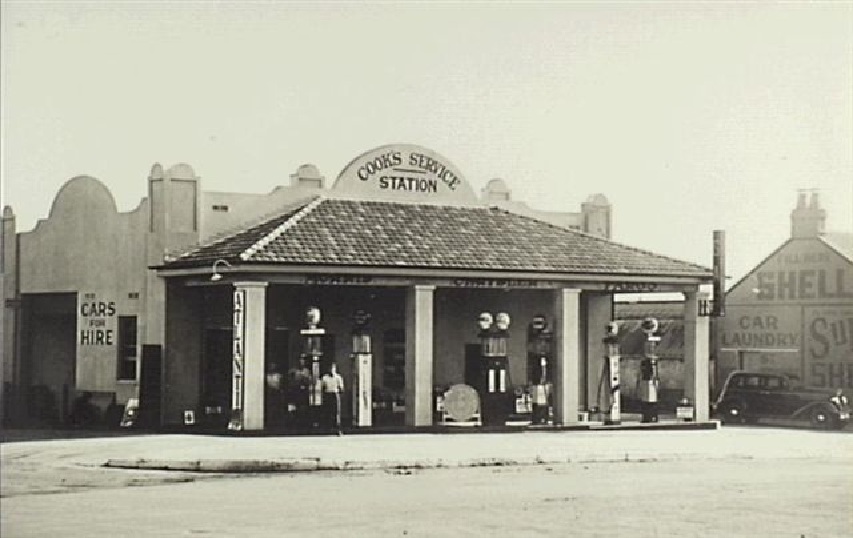
Interwar Camden, the heritage of a country town

During the interwar period, Camden experienced economic growth driven by dairy and coal industries. The town's population grew by over 35%, making it a vital commercial and administrative center. The Hume Highway and railway brought modern influences, leading to developments such as motor industry, cinemas, and the airfield. Camden has maintained its bucolic charm, but has also experienced urbanization pressure. The town centre has many buildings from the interwar period.

Aesthetics · Agricultural heritage · Architecture · Attachment to place · Belonging · Camden · Camden Story · Collective Memory · Colonial Camden · Colonial frontier · Community identity · Cowpastures · Environment · Governor Macquarie · Heritage · Historical consciousness · History · Landscape · Landscape aesthetics · Local History · Local Studies · localism · Place making · Placemaking · Sense of place · Settler Society · Storytelling · Urbanism

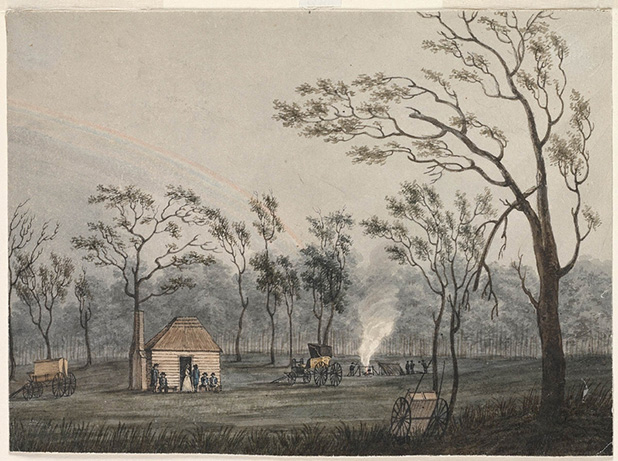
Viewing the Cowpastures landscape

The early colonists of the Sydney area viewed the landscape from a number of different perspectives according to historian Grace Karskins in her book The Colony a History of Early Sydney (2009) and this also applied to the Cowpastures.

1968 Sydney Region Outline Plan · 1973 New Cities Campbelltown Camden Appin Structure Plan · 20th century · Attachment to place · Camden · Campbelltown · Collective Memory · Country town · Cultural Heritage · Local History · Local Studies · Macarthur · Macarthur region · Memory · Peri-urban region · Place making · Placemaking · Regionalism · rural-urban fringe · Ruralism · Sense of place · Stereotypes · Storytelling · Sydney's rural-urban fringe · Urban development · Urban growth · Urban history · Urban Planning · Urbanism

Sydney’s urban sprawl invades the Macarthur region

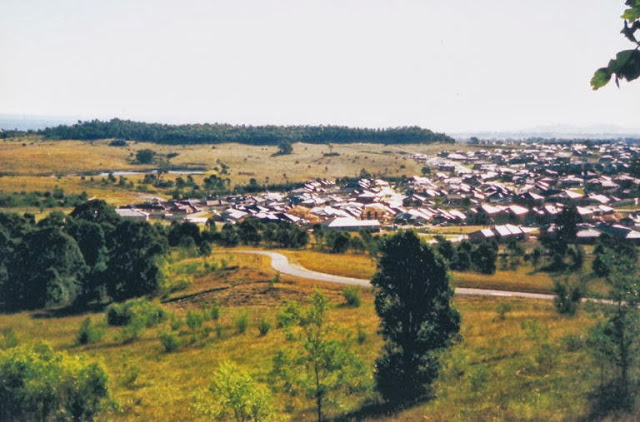
Urban sprawl has invaded the Macarthur region. It is re-run of the planning policies of the 1970s.

20th century · Agricultural heritage · Agriculture · Agriculture history · Camden · Camden Story · Cawdor · Collective Memory · Cowpastures · Cultural Heritage · Farming · Floods · Harold Perkins Photographer · Historical Research · Historical source · Local History · Local Studies · Memory · Photographs · Photography · Placemaking · Storytelling

The Perkins family album of Cawdor

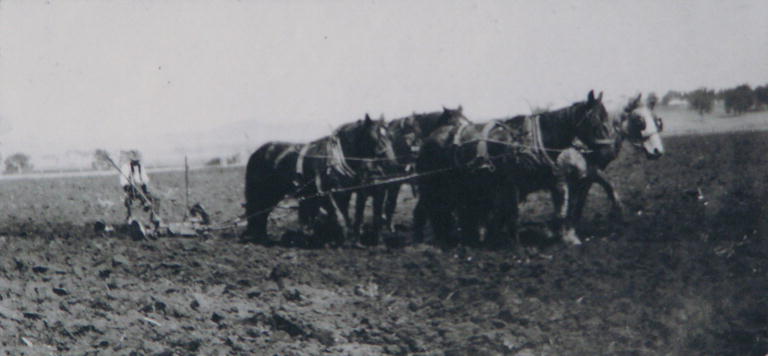
Photographs tell a story about the local area and represent a moment frozen in time. The Perkins family donated a family photograph album to the Camden Historical Society and it tells the story of the Cawdor area..

1930s · Agricultural heritage · Agriculture · Attachment to place · Australia · Belgenny Farm · British colonialism · Camden Festivals · Camden Park Estate · Camden Park House and Garden · Camden Story · Colonial Australia · Colonial Camden · Colonial frontier · Colonialism · Cowpastures · Cowpastures district · Cowpastures Estates · Cowpastures Gentry · Cowpastures Region · Cultural Heritage · Cultural icon · Dairying · Elizabeth Farm · England · Family history · Farming · Farming history · Governor Macquarie · History · Interwar · Johm Macarthur · Legends · Local History · Local Studies · Macarthur · Macarthur family · Memory · Monuments · Myths · Pioneers · Place making · Placemaking · Ruralism · Sense of place · Settler colonialism · Storytelling

John Macarthur, Father of Australia’s Wool Industry, fact or fiction

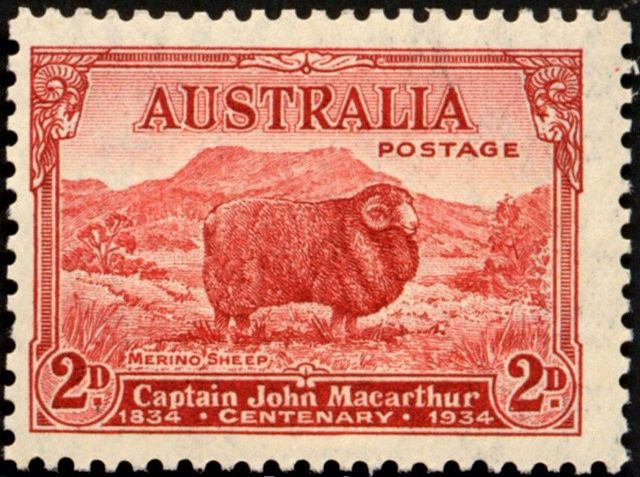
John Macarthur is credited with establishing fine wool as a key industry in New South Wales. During the interwar period, it was claimed that he was the father of the Australian wool industry. While significant, his contributions are part of a larger narrative involving many key figures in the industry. His legacy includes commemorative postage stamps, as well as his portrayal in literature and festivals celebrating wool production.

1920s · 20th century · Adaptive Re-use · Aesthetics · Architecture · Attachment to place · Built heritag · Camden · Camden Cottage · Camden Modern · Camden Modernism · Camden Story · Coal mining · Cultural Heritage · Cultural icon · Design · Elderslie · Heritage · History · History of a house · Holidays · House history · Housing · Housing styles · Interwar · Lifestyle · Living History · Local History · Local Studies · Macarthur · Memory · Mid-century modernism · Modernism · Place making · Placemaking · Sense of place · Storytelling · Streetscapes · Uncategorized · Urban development · Urban growth · Urban history · Urban Planning · Urbanism

The Camden Fibro Cottage and its connection to mid-century housing styles

The Camden fibro cottage symbolizes the mid-20th century's affordable housing solution, catering to the working class in a post-war Australia. Representing nostalgia and simplicity, these homes were practical yet modern. Although their popularity declined due to issues like poor insulation and asbestos risks, they remain a significant aspect of Camden's architectural heritage.