Aesthetics · Attachment to place · Australia · Belonging · Blue Mile Pathway Wollongong · Camden · Cultural Heritage · Cultural icon · Economy · Entertainment · Families · Fashion · Guesthouse · Heritage · Historical consciousness · Historical Research · Historical thinking · History · Holidays · Leisure · Lifestyle · Local History · Memory · Motoring History · Sense of place · Storytelling · Stuart Park Wollongong · Tourism · Travel · Wollongong

The seaside holiday

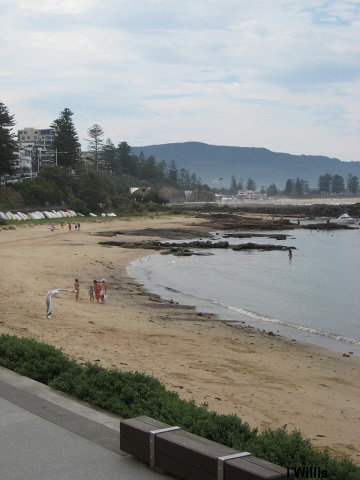
Seaside holidays on the NSW South Coast has been a popular holiday spot for Camden families. This is the story of seaside holidays in the Wollongong area.

Aesthetics · Agricultural heritage · Architecture · Attachment to place · Belonging · Camden · Camden Story · Collective Memory · Colonial Camden · Colonial frontier · Community identity · Cowpastures · Environment · Governor Macquarie · Heritage · Historical consciousness · History · Landscape · Landscape aesthetics · Local History · Local Studies · localism · Place making · Placemaking · Sense of place · Settler Society · Storytelling · Urbanism

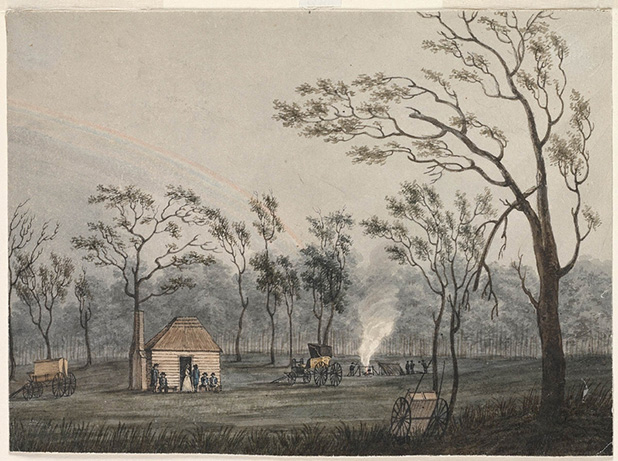
Viewing the Cowpastures landscape

The early colonists of the Sydney area viewed the landscape from a number of different perspectives according to historian Grace Karskins in her book The Colony a History of Early Sydney (2009) and this also applied to the Cowpastures.

Camden · Colonial Camden · Community identity · Convicts · Cowpastures · Edwardian · Elderslie · Farming · First World War · Floods · Heritage · Historical consciousness · Historical Research · History · Interwar · Local History · Macarthur · Modernism · Place making · Red Cross · Second World War · Sense of place · Settler colonialism · Urban growth · Volunteering · War

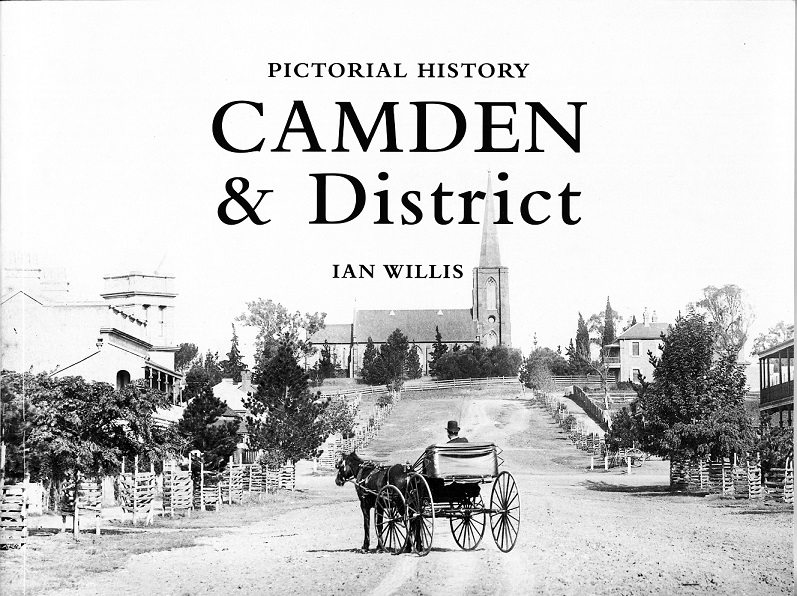
Pictorial History of Camden and District

The history of the Camden District is told in a recent publication that has been recently been republished by Kingsclear Books. Pictorial History of Camden & District.

1968 Sydney Region Outline Plan · 1973 New Cities Campbelltown Camden Appin Structure Plan · Airds · Attachment to place · Belonging · Camden · Camden Story · Campbelltown · Elderslie · History · Hope and loss · Land releases · Landscape · Landscape aesthetics · Leppington · Local History · Local Studies · localism · Lost Sydney · Macarthur · Mount Annan · Mount Gilead · Narellan · Oran Park · Place making · Regionalism · rural-urban fringe · Ruralism · Sense of place · Storytelling · Sydney's rural-urban fringe · The Oaks · Town planning · Transition zone · Uncategorized · Urban development · Urban growth · Urban history · Urban Planning · urban sprawl · Urbanism

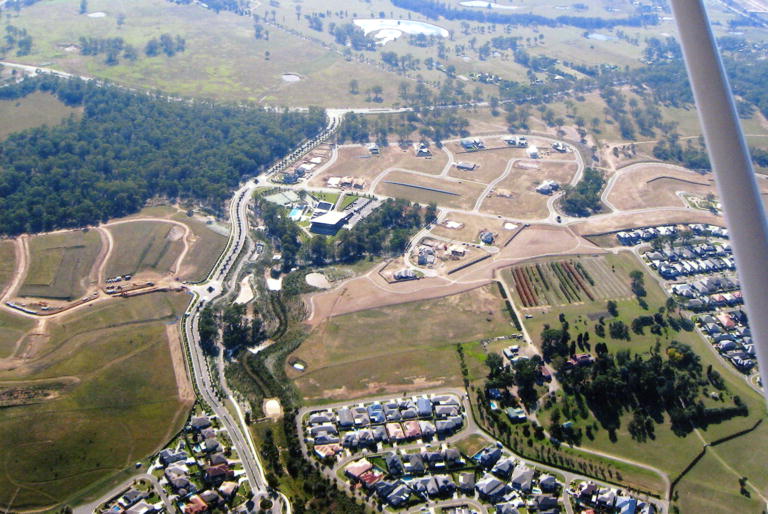
Sydney’s urban fringe: a transition zone of hope and loss

Sydney’s rural-urban fringe is a site of winners and losers. It is a landscape where dreams are fulfilled and memories are lost. The promises of land developers in master-planned suburban utopias meet the hope and expectations of newcomers.

1968 Sydney Region Outline Plan · 1973 New Cities Campbelltown Camden Appin Structure Plan · 20th century · Attachment to place · Camden · Campbelltown · Collective Memory · Country town · Cultural Heritage · Local History · Local Studies · Macarthur · Macarthur region · Memory · Peri-urban region · Place making · Placemaking · Regionalism · rural-urban fringe · Ruralism · Sense of place · Stereotypes · Storytelling · Sydney's rural-urban fringe · Urban development · Urban growth · Urban history · Urban Planning · Urbanism

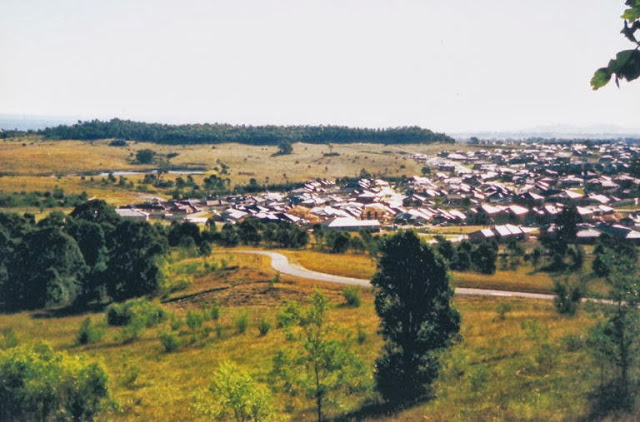
Sydney’s urban sprawl invades the Macarthur region

Urban sprawl has invaded the Macarthur region. It is re-run of the planning policies of the 1970s.

Adaptive Re-use · Agricultural heritage · Architecture · Attachment to place · Belonging · Camden · Community identity · Cultural Heritage · Cultural icon · Edwardian · Family history · Farming · Heritage · Historical consciousness · History · History of a house · House history · Interwar · Kirkham · Lifestyle · Local History · Local Studies · Macarthur · Narellan · Place making · Ruralism · Sense of place · Storytelling · urban sprawl

Do or Die! Heritage and urban planning in the burbs

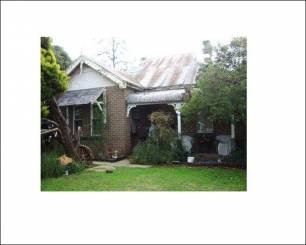
There is a loss of Edwardian farming heritage on the urban-rural interface on Sydney’s edge. There is a distinct lack appreciation amongst many contemporaries of simple robust country farm cottages.

Aesthetics · Attachment to place · British colonialism · Camden · Cobbitty · Colonial Camden · Community identity · Cowpastures · Cultural Heritage · Cultural icon · Entertainment · Floods · Heritage · Historical consciousness · History · Landscape aesthetics · Leisure · Local History · Macarthur · Memory · Menangle · Myths · Nepean River · Place making · Ruralism · Second World War · Sense of place · Settler colonialism · Sydney's rural-urban fringe · Town planning · Urban growth · Urban Planning · urban sprawl · War · War at home · Water

Nepean River, more than a water view

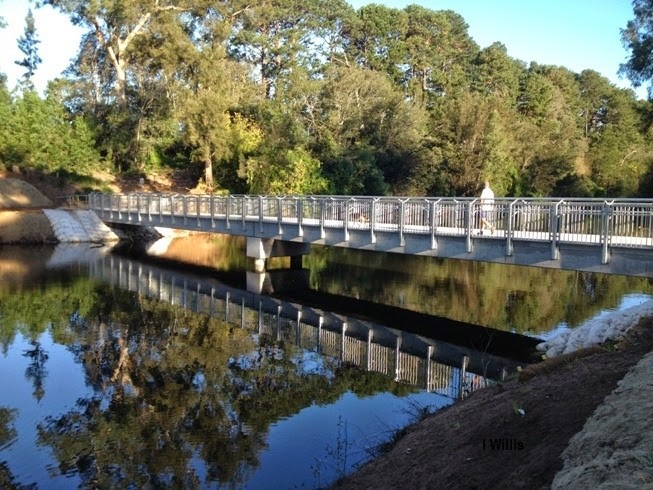
The Nepean River and its floodplain is much more than just a water view. It is cultural and natural icon in the Sydney basin.

Architecture · Art · Attachment to place · Cafes · Camden · Camden Airfield · Camden Gasworks · Camden High School · Camden Museum · Cobbitty · Colonial Camden · Colonialism · Community identity · Convalescent hospital · Convicts · Cowpastures · Edwardian · Elderslie · England · Entertainment · Farming · Fashion · Festivals · Heritage · Historical consciousness · Historical Research · Historical thinking · History · Interwar · Landscape aesthetics · Leisure · Local History · Local newspapers · Macarthur · Memorials · Menangle · Modernism · Monuments · Movies · Narellan · Newspapers · Philanthropy · Place making · Red Cross · Retailing · Second World War · Sense of place · Sydney's rural-urban fringe · Tourism · Volunteering · War

Camden Bibliography a Biography of a Country Town

Camden Bibliography is a list of primary and secondary sources of the Camden township and district.

Agricultural heritage · Agriculture · Agriculture history · Attachment to place · Belgenny Farm · Belonging · Camden Story · Colonial Camden · Colonial frontier · Colonialism · Commemoration · Community celebrations · Community Engagement · Community identity · Cowpastures · Cowpastures Bicentennial · Cowpastures Estates · Cowpastures Gentry · Cowpastures River · Cultural Heritage · Entertainment · Festivals · Hawkesbury-Nepean river · Historical Research · Leisure · Local Studies · Lost Camden · Memorial · Memorialisation · Memorials · Memory · Monuments · Pioneers · Place making · Sense of place · Settler Society · Uncategorized

Cowpastures Bicentennial Celebrations 1995, the beginning of a settler society

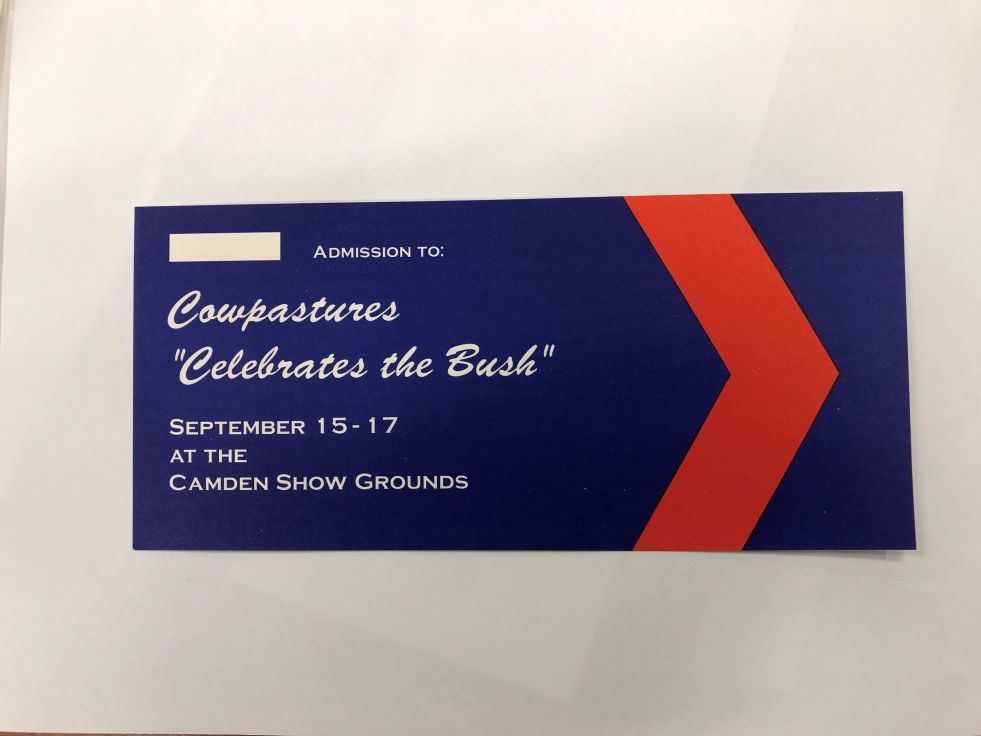
Local festival In 1995, the Camden community held a 12-month programme of events to celebrate the bicentennial of the naming of the Cow Pastures by Governor Hunter in 1795 and the discovery of 61 head of wild cattle. The discovery of the cattle herd was an important event in the life of the fledgling colony… Continue reading Cowpastures Bicentennial Celebrations 1995, the beginning of a settler society

1930s · Agricultural heritage · Agriculture · Attachment to place · Australia · Belgenny Farm · British colonialism · Camden Festivals · Camden Park Estate · Camden Park House and Garden · Camden Story · Colonial Australia · Colonial Camden · Colonial frontier · Colonialism · Cowpastures · Cowpastures district · Cowpastures Estates · Cowpastures Gentry · Cowpastures Region · Cultural Heritage · Cultural icon · Dairying · Elizabeth Farm · England · Family history · Farming · Farming history · Governor Macquarie · History · Interwar · Johm Macarthur · Legends · Local History · Local Studies · Macarthur · Macarthur family · Memory · Monuments · Myths · Pioneers · Place making · Placemaking · Ruralism · Sense of place · Settler colonialism · Storytelling

John Macarthur, Father of Australia’s Wool Industry, fact or fiction

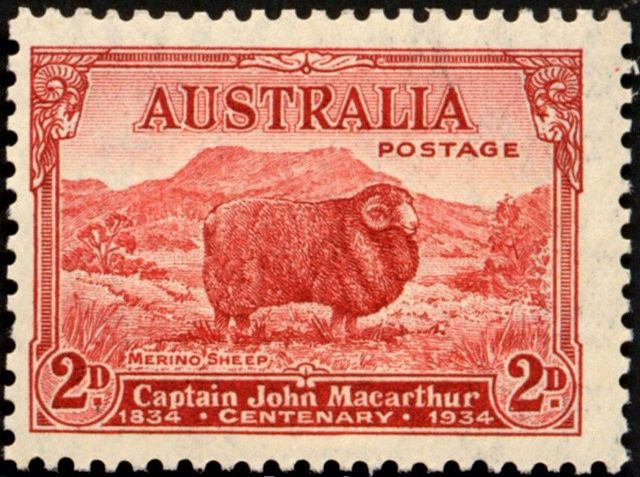
John Macarthur is credited with establishing fine wool as a key industry in New South Wales. During the interwar period, it was claimed that he was the father of the Australian wool industry. While significant, his contributions are part of a larger narrative involving many key figures in the industry. His legacy includes commemorative postage stamps, as well as his portrayal in literature and festivals celebrating wool production.