1920s · 20th century · Adaptive Re-use · Architecture · Attachment to place · Burra Charter · Camden · Camden Council · Camden Historical Society · Camden Story · Camden Town Centre · Colonial Camden · Community identity · Cultural Heritage · Education · Heritage · Historical Research · Historical thinking · History · History of a house · House history · Housing · Lifestyle · Living History · Local History · Local Studies · Macarthur · Mid-century modernism · Modernism · Place making · Sense of place · Storytelling · Town planning · Urban Planning · Urbanism

Camden’s heritage inventory

The Camden Heritage Inventory has a list of Camden properties of local and state significant to the district. The formation of the Camden Council Heritage Advisory Committee has assisted the promotion of heritage in the Camden LGA.

Aesthetics · Art · Attachment to place · Belonging · Cultural Heritage · Education · Family history · Heritage · Historical consciousness · Historical Research · Historical thinking · History · Landscape · Landscape aesthetics · Legends · Living History · Local History · Local Studies · Memory · Myths · Place making · Sense of place · Stereotypes · Storytelling · Streetscapes · Tourism · Uncategorized

Take a stroll through the past

The past is all around us and has created the present. The present would not exist without the past. We need to understand the past to understand the present.

Aesthetics · Agricultural heritage · Art · Artists · Attachment to place · Belonging · British colonialism · Burragorang Valley · Camden · Camden Hospital · Camden Story · Church History · Coal mining · Colonial Camden · Community identity · Cultural Heritage · Cultural icon · Dairying · Dharawal · Farming · Heritage · Historical consciousness · Historical thinking · History · Living History · Local History · Local Studies · Macarthur · Memorial · Memorialisation · Memorials · Memory · Mid-century modernism · Modernism · Monuments · Pioneers · Place making · Public art · Sense of place · Settler colonialism · Settler Society · Social History · Stereotypes · Storytelling · Tourism

Camden Rotary Pioneer Mural: public art, a mural, a memorial wall and a wishing well

The Camden Pioneer Mural is an example of public art. The Camden mural depicts the Camden story as interpreted in 1962 by ceramic artist Byram Mansell.

1920s · 1973 New Cities Campbelltown Camden Appin Structure Plan · Aesthetics · Agriculture · Attachment to place · Belonging · British colonialism · Camden · Camden Council · Camden Story · Camden Town Centre · Cobbitty · Colonial Camden · Colonial frontier · Colonialism · Community identity · Cowpastures · Cultural Heritage · Cultural icon · Curtilage · Denbigh · Dharawal · Economy · Edwardian · England · Farming · Frontier violence · Georgian · Gothic · Governor Macquarie · Heritage · Historical consciousness · Historical Research · Historical thinking · History · Interwar · Landscape · Landscape aesthetics · Living History · Local History · Local Studies · Macarthur · Memory · Menangle · Modernism · Place making · Ruralism · Sense of place · Settler colonialism · Storytelling · Town planning · Urban growth · Urban Planning · Victorian

Camden Heritage Conservation Area – an English-style village in the Cowpastures

The Macarthur private village of Camden was located in the English style countryside of the Cowpastures countryside with its gentry estates and villages. Founded in 1840 it was all part the British imperial imperative and the settler colonial project that came with it.

1973 New Cities Campbelltown Camden Appin Structure Plan · Airds · Attachment to place · Belonging · Campbelltown · Community identity · Cultural Heritage · Education · Families · Family history · Heritage · Historical consciousness · Historical Research · Historical thinking · History · Lifestyle · Living History · Local History · Local Studies · Macarthur · Malls · Memory · Place making · Radical history · Sense of place · Storytelling · Women's history · Women's Writing

Fiona’s story, growing up in Airds

Fiona's story is a moving personal account of hope growing up in the suburb of Airds on Sydney's fringe. It is an inspiring story of resilience and strength over hardship and adversity.

Adaptive Re-use · Architecture · Attachment to place · Australia · Belonging · Camden · Community identity · Cultural Heritage · Cultural icon · Eastern Command Training School, Narellan, NSW · Heritage · Historical consciousness · Historical Research · Historical thinking · History · Living History · Local History · Local Studies · Macarthur · Memory · Military history · Narellan · Place making · Ruralism · Second World War · Sense of place · Storytelling · Sydney · War · War at home

Exploring Studley Park’s Role in Army Training 1939-1945

Studley Park in Narellan, NSW, served as a military training facility for the Australian Army Service Corps during World War II. It was leased by the Department of Defence in 1939 then purchased from its pre-war owners. Post-war, it transitioned into civilian use, notably becoming a golf club.

Attachment to place · Belonging · Camden · Camden Story · Cobbitty · Community identity · Cultural Heritage · Emergency Services · Farming · Floods · Heritage · Historical consciousness · Historical Research · History · Landscape · Living History · Local History · Local Studies · Memory · Natural Disasters · Nepean River · Place making · Ruralism · Sense of place · Storytelling · Urban development · Urban growth · Urban history · Urban Planning · urban sprawl

The hidden dangers of Camden’s bathtub effect

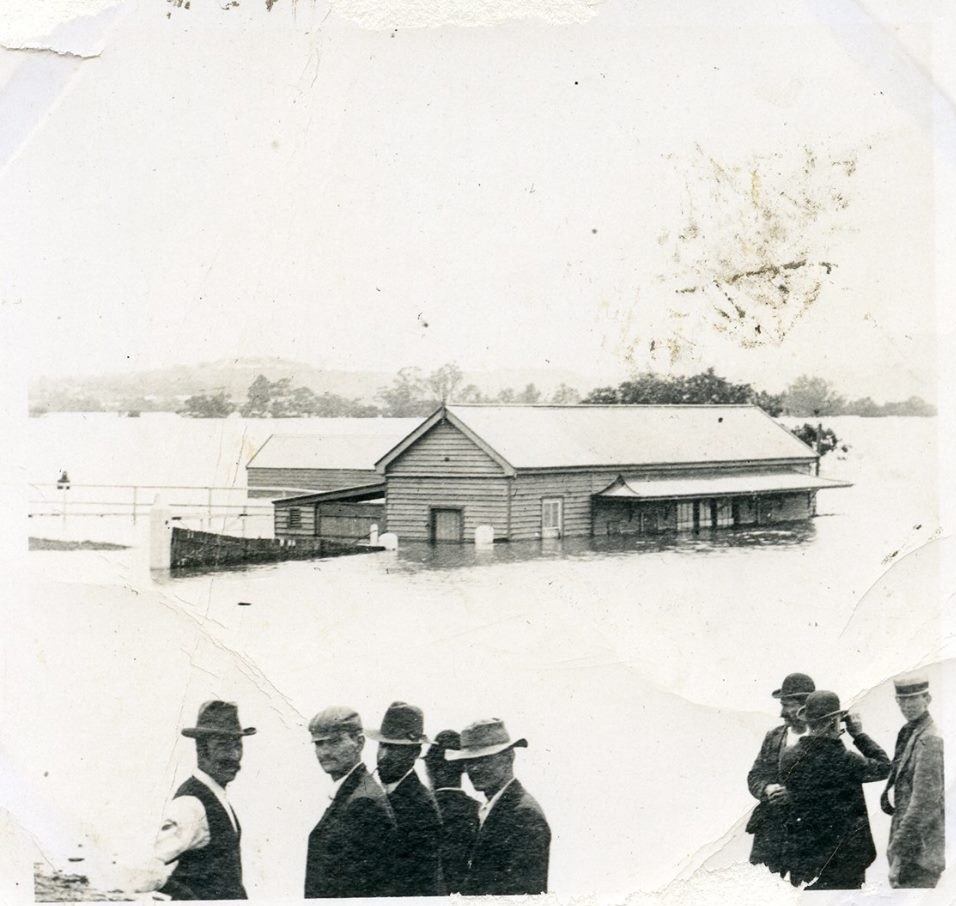
The Nepean River's 'bathtub effect' refers to the unique flooding impact created by the river's landform. The Hawkesbury-Nepean River's four gorges result in localized floodplains, causing a 'bathtub effect' during periods of high rainfall. These characteristics make the area susceptible to significant flood risk, impacting local communities.

Aesthetics · Attachment to place · Belonging · Cafes · Colonialism · Community identity · Cultural Heritage · Cultural icon · Heritage · Historical consciousness · Historical Research · Historical thinking · History · Lifestyle · Living History · Local History · Local Studies · Memorials · Monuments · Myths · Place making · Second World War · Sense of place · Stereotypes · Storytelling · Streetscapes · Tourism · War

Reflections of a travelling scholar

Reflections of historian Ian Willis after attending the 2019 RANZ at the University of Warsaw Poland

Aesthetics · Architecture · Art · Attachment to place · Belonging · British colonialism · Built heritag · Camden · Camden Park House and Garden · Camden Story · Camden Town Centre · Church History · Churches · Collective Memory · Colonial Camden · Colonialism · Community identity · Cowpastures · Cultural Heritage · Cultural icon · England · Farming · Gothic · Heritage · Historical consciousness · Historical Research · History · Landscape aesthetics · Legends · Living History · Local History · Local Studies · Macarthur · Memorialisation · Memorials · Memory · Monuments · Myths · Place making · Ruralism · Sense of place · Settler colonialism · Settler Society · Social History · St John's Church Camden · Symbolism · Tourism · Victorian · Women's history

St John’s Church, a contested sacred site in the historic landscape of the Cowpastures

A contested sacred site in the historic landscape of the Cowpastures. St John's Church wants to sell a former horse paddock to fund a new worship centre against community opposition.

Architecture · Attachment to place · Built heritag · Camden · Camden Airfield · Camden Hospital · Camden Story · Collective Memory · Community Health · Community identity · Cultural Heritage · Gender · Health History · Heritage · Historic Plaques · Historical consciousness · History · Interwar · Local History · Local Studies · localism · Medical history · Modernism · Nurses Quarters · Nursing · Place making · Placemaking · Regionalism · Sense of place · Stereotypes · Storytelling · Women's history

Camden Hospital Nurses’ Quarters: cloistered veils

Over 700 people witnessed the opening of the Camden Hospital Nurses’ Quarters were opened in 1962 by the NSW Health Minister WF Sheahan.