Adaptive Re-use · Aesthetics · Architecture · Attachment to place · Built heritag · Business History · Community identity · Cultural Heritage · Cultural icon · Dairying · Dungog · Farming · Heritage · Historical consciousness · History · Interwar · Local History · Memory · Modernism · Motoring History · Place making · Retailing · Sense of place · Streetscapes · Tourism · Transport · Urbanism

Davey & Olsen, Dungog: an interwar garage

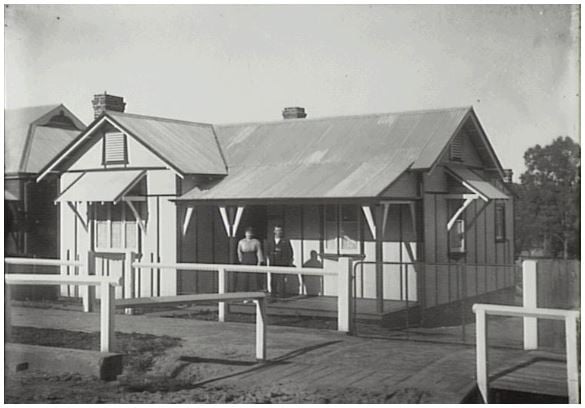
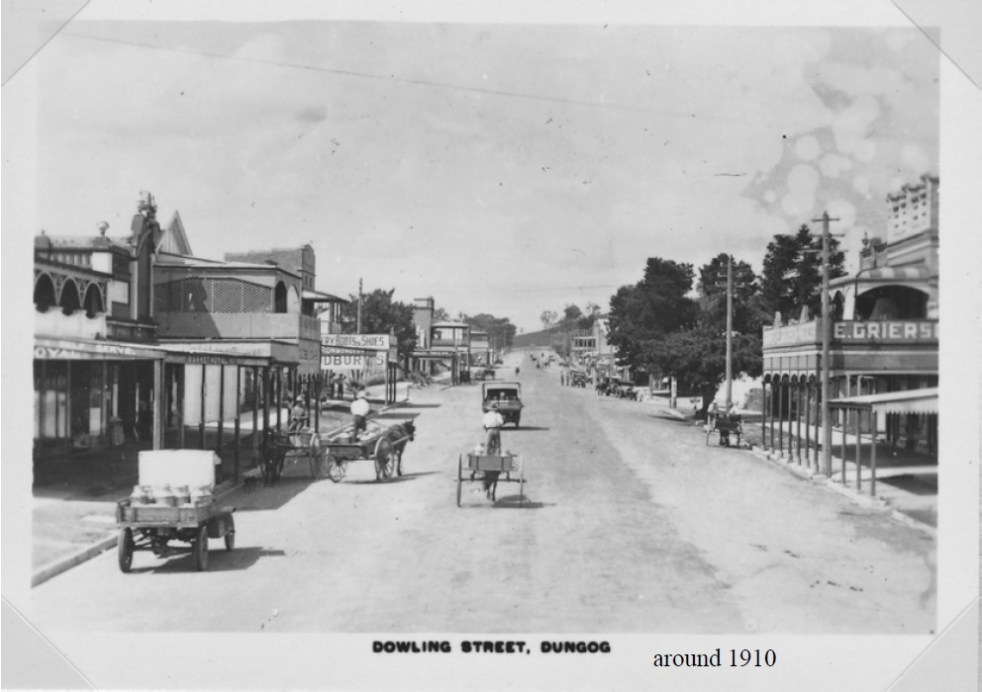
A country town interwar garage is a fine example of early motoring history in Australia. Dungog has a number of motor garages with many elements that show their origins from the Interwar period.

Adaptive Re-use · Aesthetics · Anzac · Architecture · Art · Attachment to place · Community identity · Convicts · Cultural Heritage · Cultural icon · Electricity · First World War · Heritage · Historical thinking · History · Interwar · Memorials · Memory · Modernism · Monuments · Newcastle · Place making · Second World War · Sense of place · Streetscapes · Town planning · Urban Planning · Urbanism · War

Newcastle modernism delights

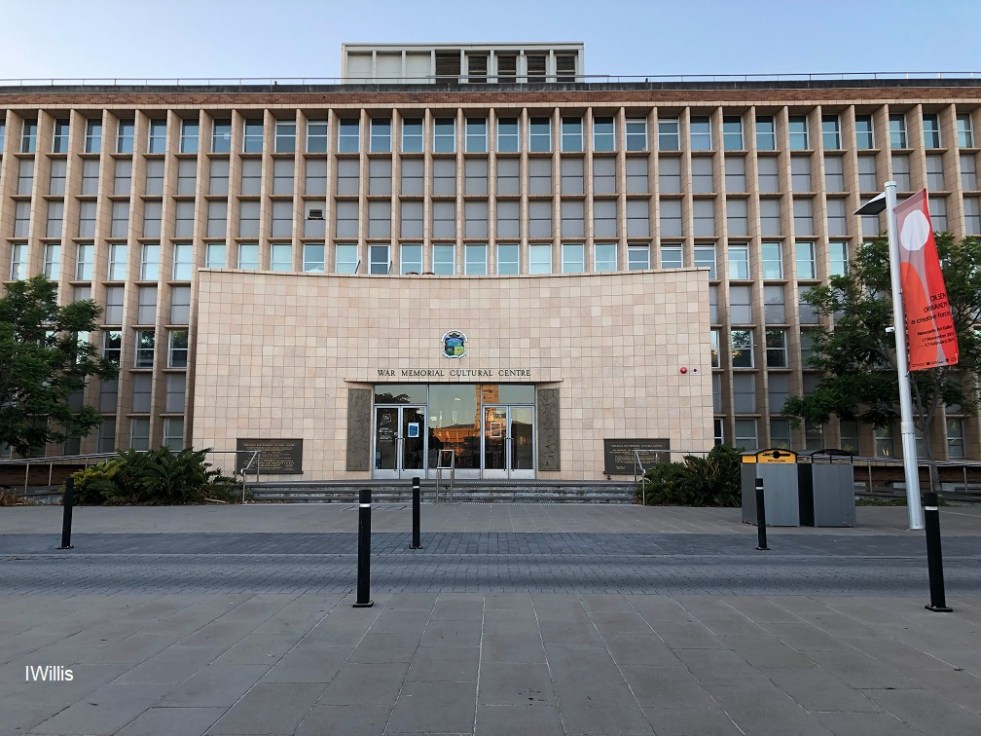
Newcastle modernism delights around the Civic Park precinct include the War Memorial Cultural Centre, NESCA House, Northumberland House and the former Salvation Army Men's Hostel.

Adaptive Re-use · Aesthetics · Architecture · Attachment to place · Burra Charter · Business · Business History · Camden · Camden Town Centre · Collective Memory · Colonial Camden · Community identity · Country town · Cultural Heritage · Cultural icon · Economy · Edwardian · Entertainment · Family history · First World War · Heritage · Historical consciousness · Historical Research · History · Interwar · Living History · Local History · Local Studies · localism · Memory · Modernism · Place making · Placemaking · Retail history · Retailing · Ruralism · Sense of place · Shopping · Small communities · Stereotypes · Storytelling · Streetscapes · Tourism · Urban development · Urban growth · Victorian

Whiteman commercial buildings in Camden, an example of adaptive re-use

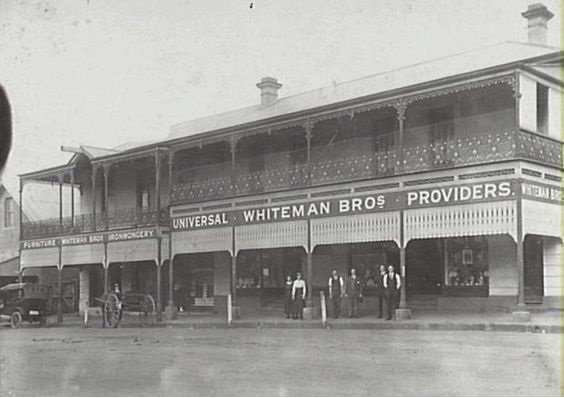
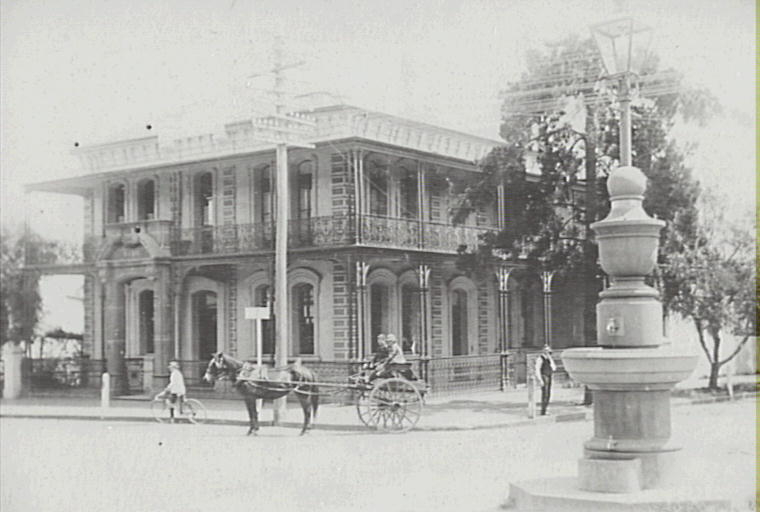
The Whiteman's General Store, a historic Victorian colonial building in Camden, has been successfully repurposed through the Burra Charter principles of adaptive reuse, maintaining its architectural integrity. Operating continuously for over 135 years, it now houses various retail and professional outlets, contributing significantly to the town's charm and community identity.

1920s · 1930s · Adaptive Re-use · Architecture · Attachment to place · Belonging · Built heritag · Communications · Community identity · Cultural Heritage · Design · Heritage · History · Industrial Heritage · Interwar · Local History · Local Studies · Memory · Modernism · Place making · Placemaking · Railway · Railway history · Sense of place · Social History · Storytelling · Transport · transport history · Urban history · Utilities

Civic Railway Station, revealing part of Newcastle modernism

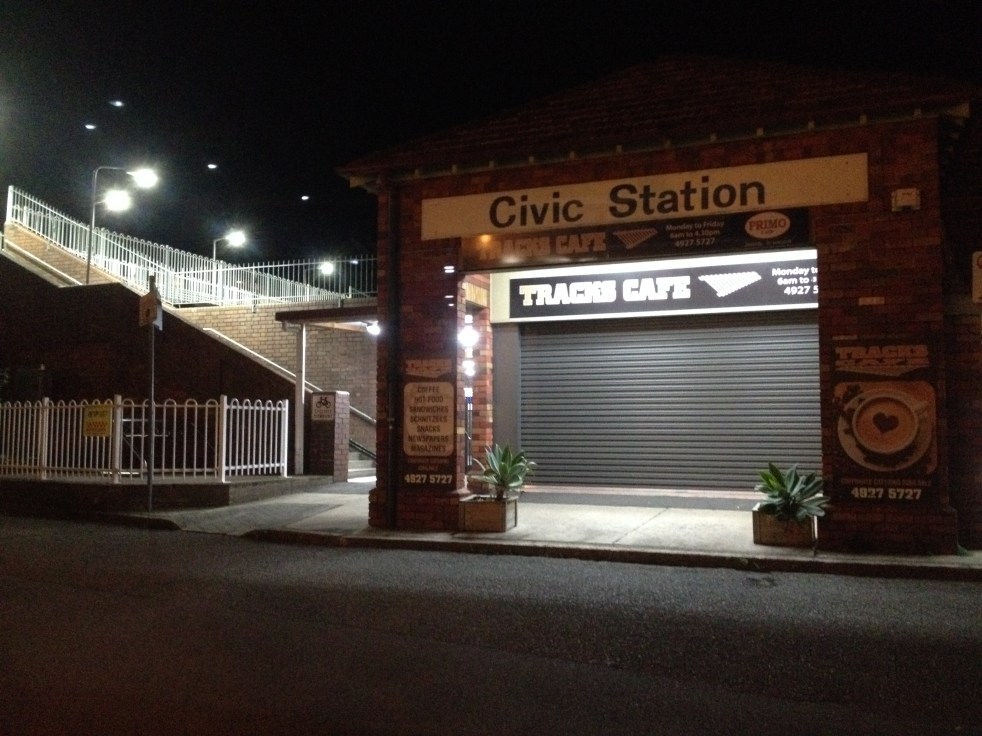
Civic Railway Station, now closed, reveals some of the aesthetics of Newcastle modernism.

Adaptive Re-use · Aesthetics · Architecture · Attachment to place · Australia · Bella Vista Farm · Belonging · British colonialism · Camden Park House and Garden · Colonial Camden · Colonial frontier · Colonialism · Community identity · Convicts · Cultural Heritage · Cultural icon · Family history · Farming · Frontier violence · Georgian · Heritage · Historical consciousness · Historical Research · Historical thinking · History · History of a house · House history · Landscape · Landscape aesthetics · Lifestyle · Living History · Local History · Local Studies · Macarthur · Memory · Monuments · Myths · Place making · Ruralism · Sense of place · Settler colonialism · Storytelling · Tourism · Urban growth · urban sprawl · Women's history

Bella Vista Farm, an early part of the Macarthur rural empire

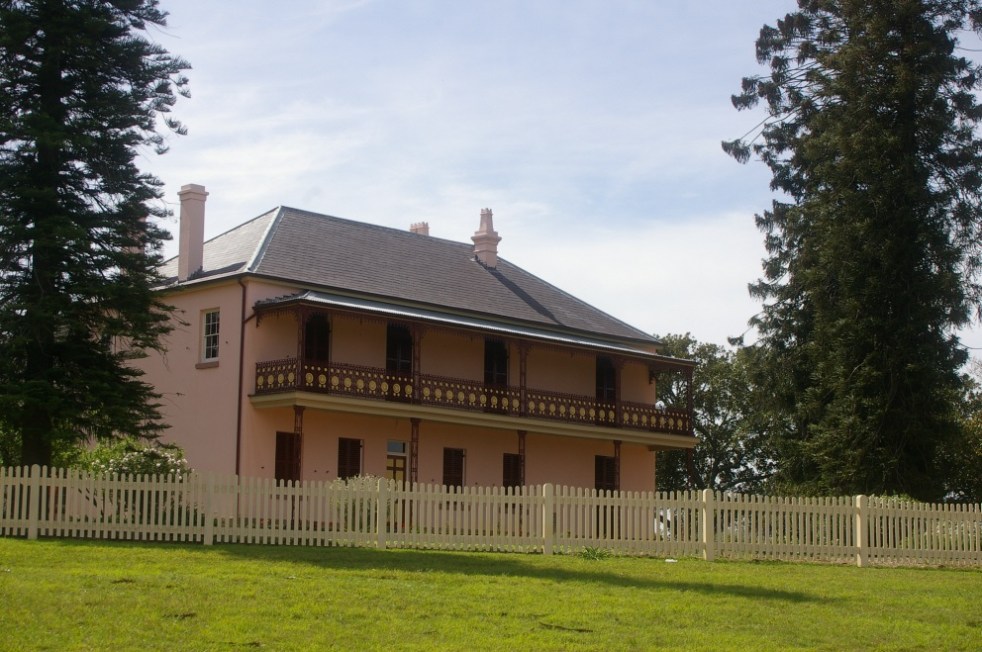
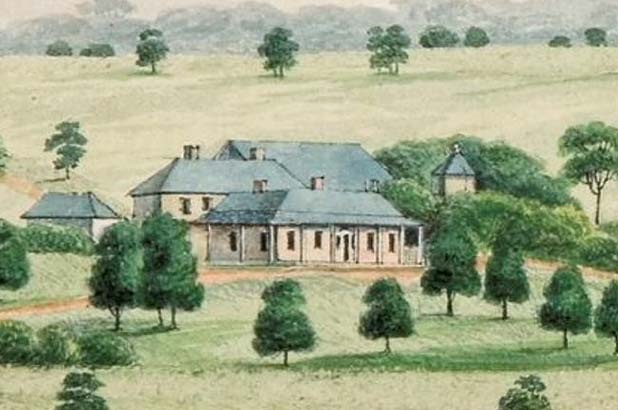
Bella Vista Farm is an early part of the Macarthur family pastoral empire and an important site in the history of colonial NSW.

Adaptive Re-use · Aesthetics · Agricultural heritage · Agriculture · Architecture · Attachment to place · Australia · Australian Historic Themes · Camden Story · Colonial Camden · Colonial frontier · Colonialism · Community identity · Conservation · Convicts · Cultural Heritage · Cultural icon · Elizabeth Farm · Elizabeth Macarthur · England · Families · Family history · Gardening · Georgian · Heritage · Historical consciousness · Historical Research · Historical thinking · History · History of a house · House history · Landscape · Landscape aesthetics · Living History · Local History · Macarthur · Memory · Parramatta · Place making · Sense of place · Settler colonialism · Settler Society · Storytelling · Victorian · Women's history

Elizabeth Farm, the foundation story of the Macarthur rural empire

Elizabeth Farm was the home of John and Elizabeth Macarthur for over 35 years, playing a central role in Australia's wool industry. Following years of neglect, it was transformed into a house museum in 1984. With extensive gardens and historical significance, it stands as one of the oldest surviving constructions in Australia.

Adaptive Re-use · Camden Historical Society · Community identity · Cultural Heritage · Education · Family history · Heritage · Historical consciousness · Historical Research · Historical thinking · History · History of a house · History theory and practice · House history · Industrial Heritage · Living History · Local History · Local Studies · Media History · Medical history · Military history · Monuments · Motoring History · Moveable Heritage · Myths · Place making · Public art · Re-enactments · Sense of place · Social media · Stereotypes · Storytelling · Theme Parks · Women's history

Being a Historical Detective

There are a number of steps involved in being a historical detective and conducting an investigation (historical research).
Adaptive Re-use · Agricultural heritage · Architecture · Attachment to place · Belonging · Camden · Community identity · Cultural Heritage · Cultural icon · Edwardian · Family history · Farming · Heritage · Historical consciousness · History · History of a house · House history · Interwar · Kirkham · Lifestyle · Local History · Local Studies · Macarthur · Narellan · Place making · Ruralism · Sense of place · Storytelling · urban sprawl

Do or Die! Heritage and urban planning in the burbs

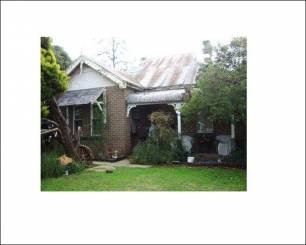
There is a loss of Edwardian farming heritage on the urban-rural interface on Sydney’s edge. There is a distinct lack appreciation amongst many contemporaries of simple robust country farm cottages.

1920s · 20th century · Adaptive Re-use · Aesthetics · Architecture · Attachment to place · Built heritag · Camden · Camden Cottage · Camden Modern · Camden Modernism · Camden Story · Coal mining · Cultural Heritage · Cultural icon · Design · Elderslie · Heritage · History · History of a house · Holidays · House history · Housing · Housing styles · Interwar · Lifestyle · Living History · Local History · Local Studies · Macarthur · Memory · Mid-century modernism · Modernism · Place making · Placemaking · Sense of place · Storytelling · Streetscapes · Uncategorized · Urban development · Urban growth · Urban history · Urban Planning · Urbanism

The Camden Fibro Cottage and its connection to mid-century housing styles

The Camden fibro cottage symbolizes the mid-20th century's affordable housing solution, catering to the working class in a post-war Australia. Representing nostalgia and simplicity, these homes were practical yet modern. Although their popularity declined due to issues like poor insulation and asbestos risks, they remain a significant aspect of Camden's architectural heritage.