Attachment to place · Belonging · Business History · Camden · Camden Story · Campbelltown · Campbelltown Story · Community identity · Cultural Heritage · Cultural icon · Heritage · Historical consciousness · Local History · Local newspapers · Local Studies · Macarthur · Macarthur region · Myths · Narellan Story · Newspapers · Picton · Place · Place making · Placemaking · Sense of place · Stereotypes · Stories · Storytelling · Sydney's rural-urban fringe · Tourism · Urban development · Urban growth · Urban history · urban sprawl · Urbanism · Village

Westies, Bogans and Yobbos. What’s in a name?

The article explores regional identity in Sydney's Macarthur district, focusing on the communities of Campbelltown, Camden, and Picton. It discusses the strong local attachment to identity, which is challenged by perceptions of western Sydney as a cultural wasteland. Jeff McGill’s criticism of regional labeling sparked significant community response, revealing a conflict over identification and stereotypes. While Macarthur's regionalism reflects urban expansion, it struggles for acceptance amidst historical, cultural, and emotional ties that residents hold with their distinct localities.

1920s · 1930s · Aesthetics · Architecture · Argyle Street · Belonging · Cafes · Camden · Camden Hospital · Camden Modern · Camden Modernism · Camden Story · Camden Town Centre · Country town · Country town idyll · Cultural Heritage · Heritage · House history · Housing · Housing styles · Interwar · Local History · Local Studies · Modernism · Narellan · Place making · Placemaking · Sense of place · Small town · Storytelling · Urban growth · Urban history

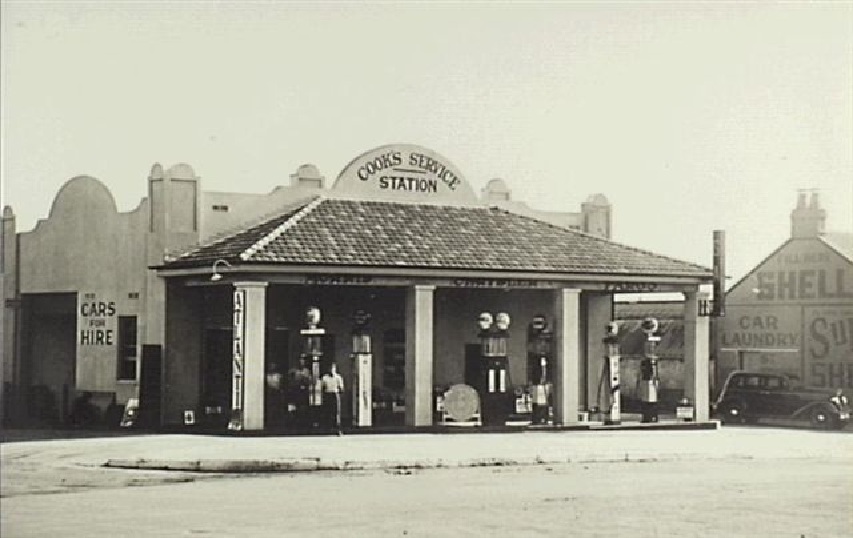
Interwar Camden, the heritage of a country town

During the interwar period, Camden experienced economic growth driven by dairy and coal industries. The town's population grew by over 35%, making it a vital commercial and administrative center. The Hume Highway and railway brought modern influences, leading to developments such as motor industry, cinemas, and the airfield. Camden has maintained its bucolic charm, but has also experienced urbanization pressure. The town centre has many buildings from the interwar period.

Aesthetics · Agriculture · Attachment to place · Australia · Belonging · British colonialism · Colonial Camden · Colonial frontier · Colonialism · Community identity · Convicts · Cowpastures · Cultural Heritage · Cultural icon · Curtilage · Economy · Elderslie · England · Farming · Frontier violence · Georgian · Gothic · Heritage · Historical consciousness · Historical Research · Historical thinking · History · Landscape · Landscape aesthetics · Local History · Local Studies · Macarthur · Narellan · Place making · Ruralism · Sense of place · Settler colonialism · Storytelling · Stuart Park Wollongong

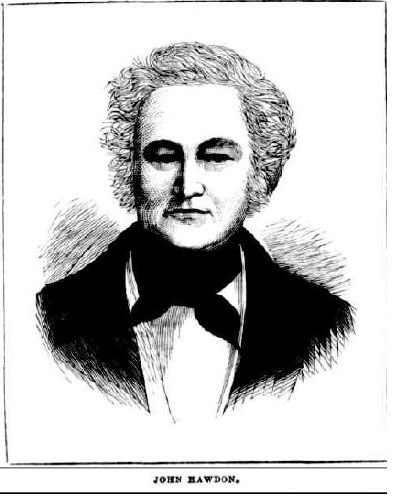
John Hawdon of Elderslie in a settler society

John Hawdon of Elderslie was part of the story of settler colonialism in New South Wales in the early 19th century.

Aesthetics · Attachment to place · Australia · Belonging · Blue Mile Pathway Wollongong · Camden · Cultural Heritage · Cultural icon · Economy · Entertainment · Families · Fashion · Guesthouse · Heritage · Historical consciousness · Historical Research · Historical thinking · History · Holidays · Leisure · Lifestyle · Local History · Memory · Motoring History · Sense of place · Storytelling · Stuart Park Wollongong · Tourism · Travel · Wollongong

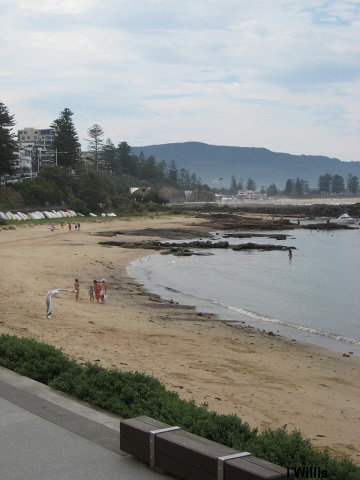
The seaside holiday

Seaside holidays on the NSW South Coast has been a popular holiday spot for Camden families. This is the story of seaside holidays in the Wollongong area.

Aesthetics · Agricultural heritage · Architecture · Attachment to place · Belonging · Camden · Camden Story · Collective Memory · Colonial Camden · Colonial frontier · Community identity · Cowpastures · Environment · Governor Macquarie · Heritage · Historical consciousness · History · Landscape · Landscape aesthetics · Local History · Local Studies · localism · Place making · Placemaking · Sense of place · Settler Society · Storytelling · Urbanism

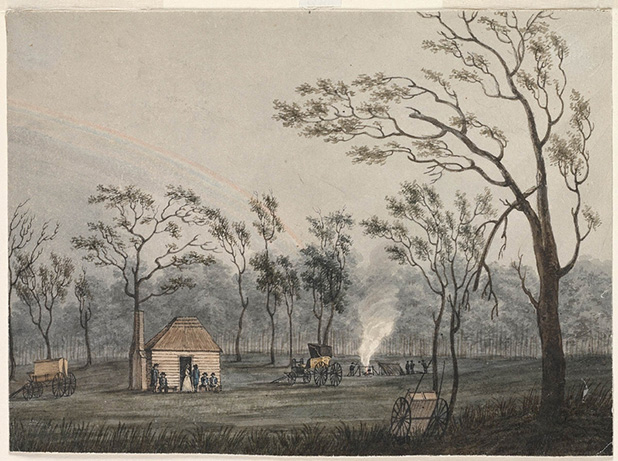
Viewing the Cowpastures landscape

The early colonists of the Sydney area viewed the landscape from a number of different perspectives according to historian Grace Karskins in her book The Colony a History of Early Sydney (2009) and this also applied to the Cowpastures.

1968 Sydney Region Outline Plan · 1973 New Cities Campbelltown Camden Appin Structure Plan · Airds · Attachment to place · Belonging · Camden · Camden Story · Campbelltown · Elderslie · History · Hope and loss · Land releases · Landscape · Landscape aesthetics · Leppington · Local History · Local Studies · localism · Lost Sydney · Macarthur · Mount Annan · Mount Gilead · Narellan · Oran Park · Place making · Regionalism · rural-urban fringe · Ruralism · Sense of place · Storytelling · Sydney's rural-urban fringe · The Oaks · Town planning · Transition zone · Uncategorized · Urban development · Urban growth · Urban history · Urban Planning · urban sprawl · Urbanism

Sydney’s urban fringe: a transition zone of hope and loss

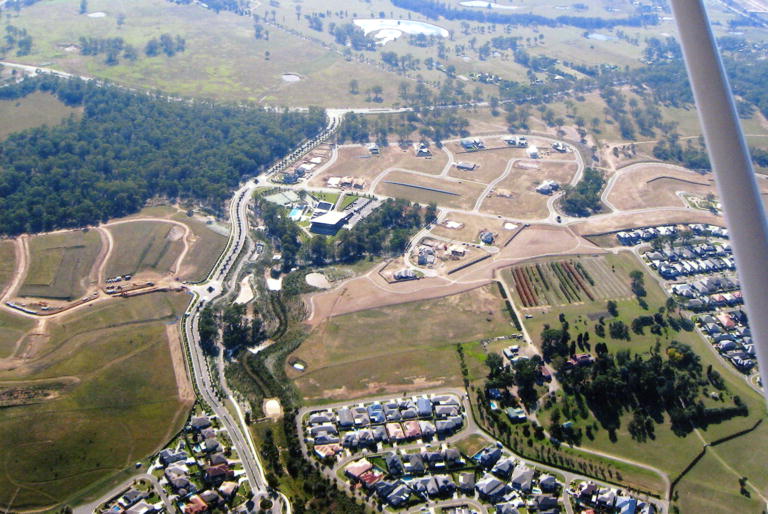
Sydney’s rural-urban fringe is a site of winners and losers. It is a landscape where dreams are fulfilled and memories are lost. The promises of land developers in master-planned suburban utopias meet the hope and expectations of newcomers.

Adaptive Re-use · Agricultural heritage · Architecture · Attachment to place · Belonging · Camden · Community identity · Cultural Heritage · Cultural icon · Edwardian · Family history · Farming · Heritage · Historical consciousness · History · History of a house · House history · Interwar · Kirkham · Lifestyle · Local History · Local Studies · Macarthur · Narellan · Place making · Ruralism · Sense of place · Storytelling · urban sprawl

Do or Die! Heritage and urban planning in the burbs

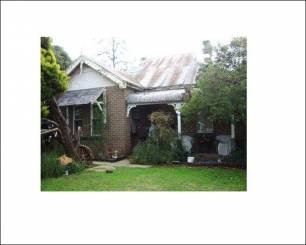
There is a loss of Edwardian farming heritage on the urban-rural interface on Sydney’s edge. There is a distinct lack appreciation amongst many contemporaries of simple robust country farm cottages.

Agricultural heritage · Agriculture · Agriculture history · Attachment to place · Belgenny Farm · Belonging · Camden Story · Colonial Camden · Colonial frontier · Colonialism · Commemoration · Community celebrations · Community Engagement · Community identity · Cowpastures · Cowpastures Bicentennial · Cowpastures Estates · Cowpastures Gentry · Cowpastures River · Cultural Heritage · Entertainment · Festivals · Hawkesbury-Nepean river · Historical Research · Leisure · Local Studies · Lost Camden · Memorial · Memorialisation · Memorials · Memory · Monuments · Pioneers · Place making · Sense of place · Settler Society · Uncategorized

Cowpastures Bicentennial Celebrations 1995, the beginning of a settler society

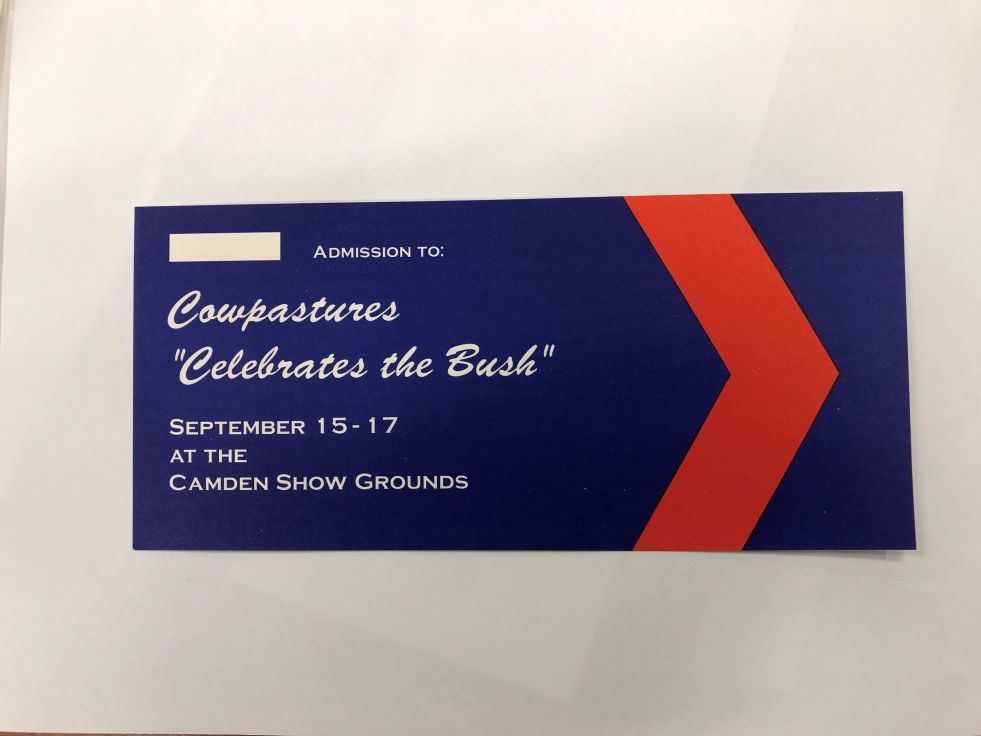
Local festival In 1995, the Camden community held a 12-month programme of events to celebrate the bicentennial of the naming of the Cow Pastures by Governor Hunter in 1795 and the discovery of 61 head of wild cattle. The discovery of the cattle herd was an important event in the life of the fledgling colony… Continue reading Cowpastures Bicentennial Celebrations 1995, the beginning of a settler society

Active citizenship · Attachment to place · Belonging · Camden Council · Camden Story · Community identity · Cultural Heritage · Heritage · Historical thinking · History · Local History · Local Studies · Macarthur · Patriotism · Place making · Sense of place · Storytelling · Town planning · urban sprawl · Volunteering

Democracy, Place and Local Government

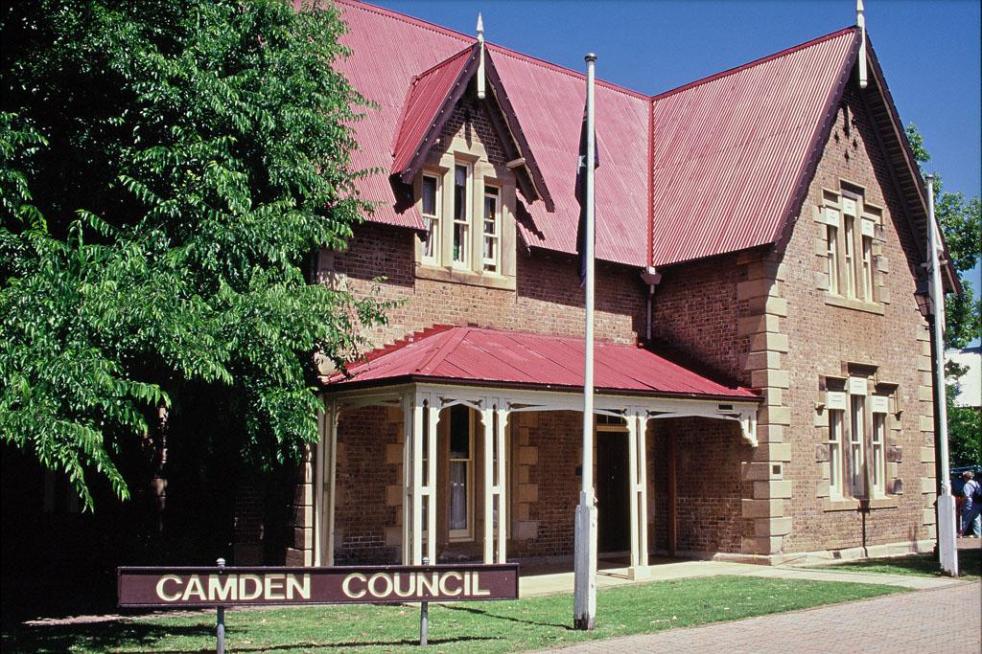
Local politics is a special beast and is particular, local, small fare and accessible. It is parish pump politics at its best.

Agricultural heritage · Agriculture · Attachment to place · Belonging · Camden · Camden Show · Camden Showgirl · Community identity · Cultural Heritage · Cultural icon · Farming · Fashion · Festivals · Heritage · History · Leisure · Lifestyle · Living History · Local History · Local Studies · Lost trades · Macarthur · Miss Showgirl · Modernism · Pageant · Place making · Retailing · Ruralism · Sense of place · Stereotypes · Storytelling · Tourism · Volunteering · Volunteerism · Women's history

Camden Showgirl, an enduring pageant

Miss Showgirl, an enduring anachronism at a rural festival that brings the community together and celebrates the areas rural heritage and agriculture