Architecture · Attachment to place · British Heritage · Colonialism · Conservation · Cricket · Cultural and Heritage Tourism · Cultural Heritage · Cultural icon · Cultural plantings · Design · Education · England · Entertainment · Environment · Farming · Fashion · Garden history · Gardening · Governor Macquarie · Heritage · Historical consciousness · Historical Research · Historical source · Historical thinking · History · Horticulture · Landscape · Landscape aesthetics · Leisure · Living History · Memorialisation · Memorials · Memory · Modernism · Place making · Placemaking · Plant Nursery · Plants · Retailing · Sculpture · Sense of place · Settler Society · Social History · Storytelling · Sydney · Uncategorized · Urban development · Urbanism · Victorian

Sydney’s Royal Botanic Gardens

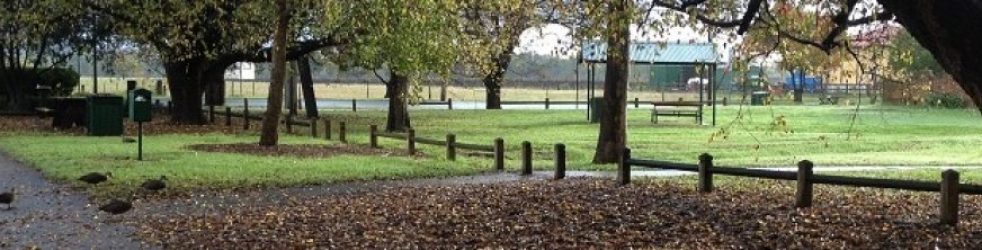
The Royal Botanic Gardens in Sydney, Australia, cover 29 hectares of gardens and 51 hectares of surrounding parkland. Established in 1816, it is the oldest colonial botanic garden in Australia, attracting 4 million visitors annually. With historical significance dating back to 1788, the Gardens reflect changing landscape styles and serve as a popular public space.

Appin · Architecture · Attachment to place · Australia · British colonialism · Campbelltown · Colonial frontier · Colonialism · Communications · Community identity · Cowpastures · Cultural Heritage · Cultural icon · Curtilage · Dairying · Farming · Frontier violence · Governor Macquarie · Heritage · Historical consciousness · Historical Research · Historical thinking · History · Landscape aesthetics · Local History · Local Studies · Macarthur · Monuments · Place making · Ruralism · Sense of place · Settler colonialism · Sydney's rural-urban fringe · Town planning · Transport · Urban growth · Urban Planning · urban sprawl · Urbanism · Victorian

Beulah and Sydney’s Urban Sprawl

Beulah estate, Sydney's urban sprawl and the Appin Road

Aesthetics · Architecture · Attachment to place · Campbelltown · Colonialism · Community identity · Cultural Heritage · Cultural icon · Edwardian · Entertainment · Farming · Fashion · Georgian · Heritage · Historical consciousness · Historical thinking · History · Hotels · Interwar · Leisure · Local History · Lost Sydney · Macarthur · Memory · Modernism · Place making · Railway · Retailing · Ruralism · Sense of place · Settler colonialism · Streetscapes · Sydney's rural-urban fringe · Tourism · Town planning · Urban growth · Urban Planning · urban sprawl · Urbanism · Victorian

Lost Campbelltown heritage

The lost built heritage of a country town on Sydney's urban fringe at Campbelltown

Agriculture · Attachment to place · Belonging · Camden · Churches · Colonialism · Community identity · Cowpastures · Cultural Heritage · Elderslie · Farming · Hawkesbury-Nepean river · Heritage · Horticulture · John Oxley · Landscape · Local History · Local Studies · Pioneers · Place making · Railway · Sense of place · Settler colonialism · Settler Society · St Mark's Church Elderslie · Storytelling · Sydney's rural-urban fringe · Urban development · Urban growth · Urban Planning · urban sprawl · Urbanism · Village

Elderslie, a suburb on Sydney’s fringe

A history of continuity and change Elderslie is a suburb of Camden, the traditional land of the Dharawal people.  It lies on the southern end of the Camden Municipality, 62 km southwest of Sydney, on the rural-urban fringe. Elderslie borders the Nepean River to the west, Narellan Creek to the north, Camden By-Pass to the… Continue reading Elderslie, a suburb on Sydney’s fringe

Aesthetics · Agriculture · Attachment to place · Australia · Belonging · British colonialism · Colonial Camden · Colonial frontier · Colonialism · Community identity · Convicts · Cowpastures · Cultural Heritage · Cultural icon · Curtilage · Economy · Elderslie · England · Farming · Frontier violence · Georgian · Gothic · Heritage · Historical consciousness · Historical Research · Historical thinking · History · Landscape · Landscape aesthetics · Local History · Local Studies · Macarthur · Narellan · Place making · Ruralism · Sense of place · Settler colonialism · Storytelling · Stuart Park Wollongong

John Hawdon of Elderslie in a settler society

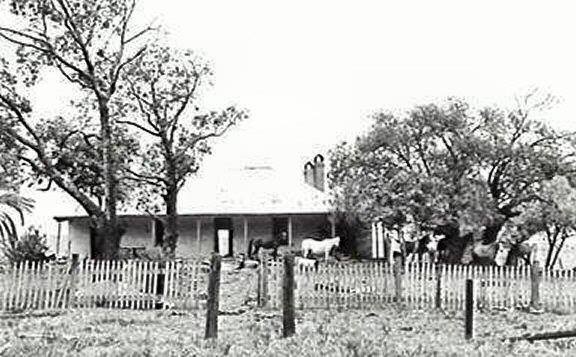
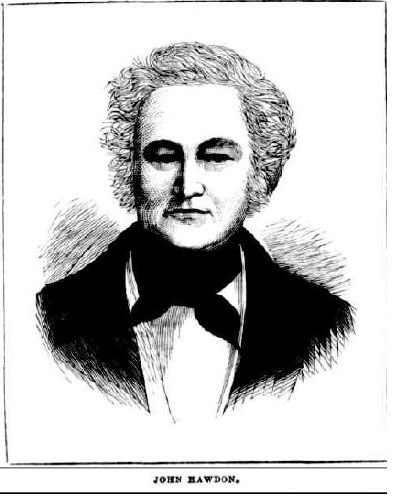
John Hawdon of Elderslie was part of the story of settler colonialism in New South Wales in the early 19th century.

Camden · Colonial Camden · Community identity · Convicts · Cowpastures · Edwardian · Elderslie · Farming · First World War · Floods · Heritage · Historical consciousness · Historical Research · History · Interwar · Local History · Macarthur · Modernism · Place making · Red Cross · Second World War · Sense of place · Settler colonialism · Urban growth · Volunteering · War

Pictorial History of Camden and District

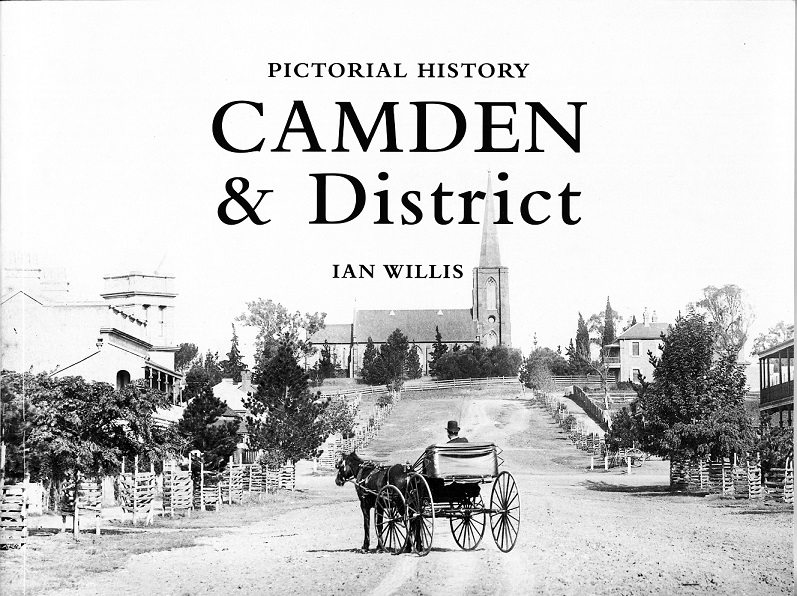
The history of the Camden District is told in a recent publication that has been recently been republished by Kingsclear Books. Pictorial History of Camden & District.

20th century · Agricultural heritage · Agriculture · Agriculture history · Camden · Camden Story · Cawdor · Collective Memory · Cowpastures · Cultural Heritage · Farming · Floods · Harold Perkins Photographer · Historical Research · Historical source · Local History · Local Studies · Memory · Photographs · Photography · Placemaking · Storytelling

The Perkins family album of Cawdor

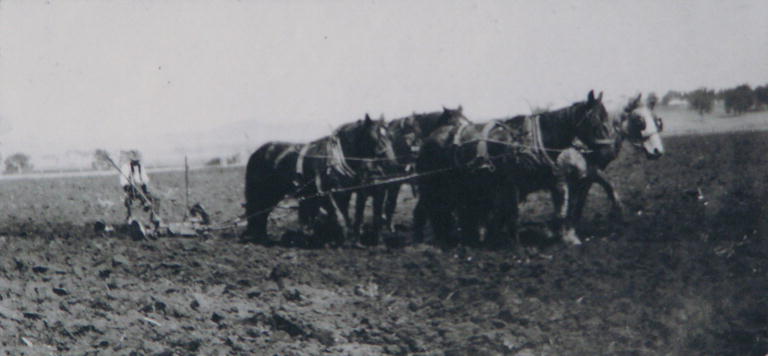
Photographs tell a story about the local area and represent a moment frozen in time. The Perkins family donated a family photograph album to the Camden Historical Society and it tells the story of the Cawdor area..

Adaptive Re-use · Agricultural heritage · Architecture · Attachment to place · Belonging · Camden · Community identity · Cultural Heritage · Cultural icon · Edwardian · Family history · Farming · Heritage · Historical consciousness · History · History of a house · House history · Interwar · Kirkham · Lifestyle · Local History · Local Studies · Macarthur · Narellan · Place making · Ruralism · Sense of place · Storytelling · urban sprawl

Do or Die! Heritage and urban planning in the burbs

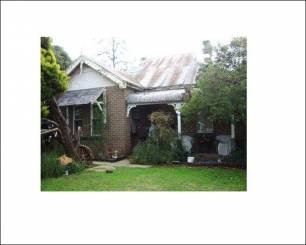
There is a loss of Edwardian farming heritage on the urban-rural interface on Sydney’s edge. There is a distinct lack appreciation amongst many contemporaries of simple robust country farm cottages.

Architecture · Art · Attachment to place · Cafes · Camden · Camden Airfield · Camden Gasworks · Camden High School · Camden Museum · Cobbitty · Colonial Camden · Colonialism · Community identity · Convalescent hospital · Convicts · Cowpastures · Edwardian · Elderslie · England · Entertainment · Farming · Fashion · Festivals · Heritage · Historical consciousness · Historical Research · Historical thinking · History · Interwar · Landscape aesthetics · Leisure · Local History · Local newspapers · Macarthur · Memorials · Menangle · Modernism · Monuments · Movies · Narellan · Newspapers · Philanthropy · Place making · Red Cross · Retailing · Second World War · Sense of place · Sydney's rural-urban fringe · Tourism · Volunteering · War

Camden Bibliography a Biography of a Country Town

Camden Bibliography is a list of primary and secondary sources of the Camden township and district.

1930s · Agricultural heritage · Agriculture · Attachment to place · Australia · Belgenny Farm · British colonialism · Camden Festivals · Camden Park Estate · Camden Park House and Garden · Camden Story · Colonial Australia · Colonial Camden · Colonial frontier · Colonialism · Cowpastures · Cowpastures district · Cowpastures Estates · Cowpastures Gentry · Cowpastures Region · Cultural Heritage · Cultural icon · Dairying · Elizabeth Farm · England · Family history · Farming · Farming history · Governor Macquarie · History · Interwar · Johm Macarthur · Legends · Local History · Local Studies · Macarthur · Macarthur family · Memory · Monuments · Myths · Pioneers · Place making · Placemaking · Ruralism · Sense of place · Settler colonialism · Storytelling

John Macarthur, Father of Australia’s Wool Industry, fact or fiction

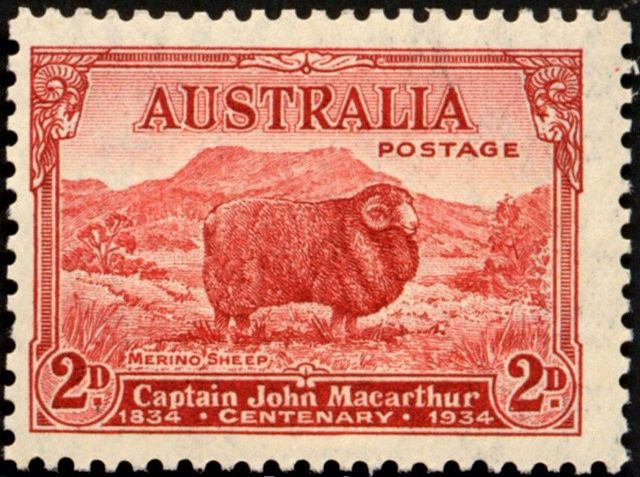
John Macarthur is credited with establishing fine wool as a key industry in New South Wales. During the interwar period, it was claimed that he was the father of the Australian wool industry. While significant, his contributions are part of a larger narrative involving many key figures in the industry. His legacy includes commemorative postage stamps, as well as his portrayal in literature and festivals celebrating wool production.