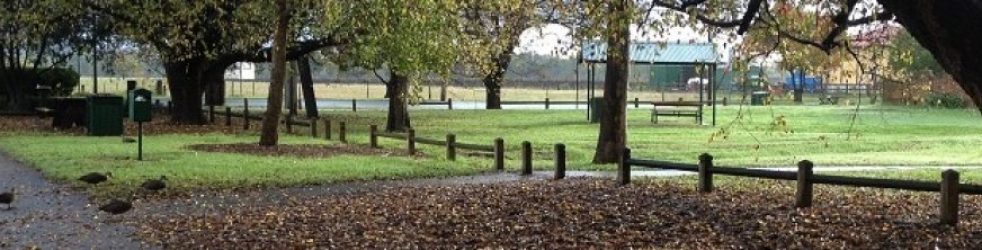

The establishment of Camden, New South Wales, the town in 1840, was a private venture of James and William Macarthur, sons of colonial patriarch John Macarthur, at the Nepean River crossing on the northern edge of the family’s pastoral property of Camden Park. The town’s site was enclosed on three sides by a sweeping bend in the Nepean River and has regularly flooded the surrounding farmland and lower parts of the town.
Category: Storytelling


Oran Park Library: public art celebrates the ghosts of motor racing
The Oran Park library has a number of public artworks that commemorate the former Oran Park motorway that was on the site. These wonderful public art installations celebrate the memories of the Oran Park Raceway which closed in 2010.
Share this:

Share this:
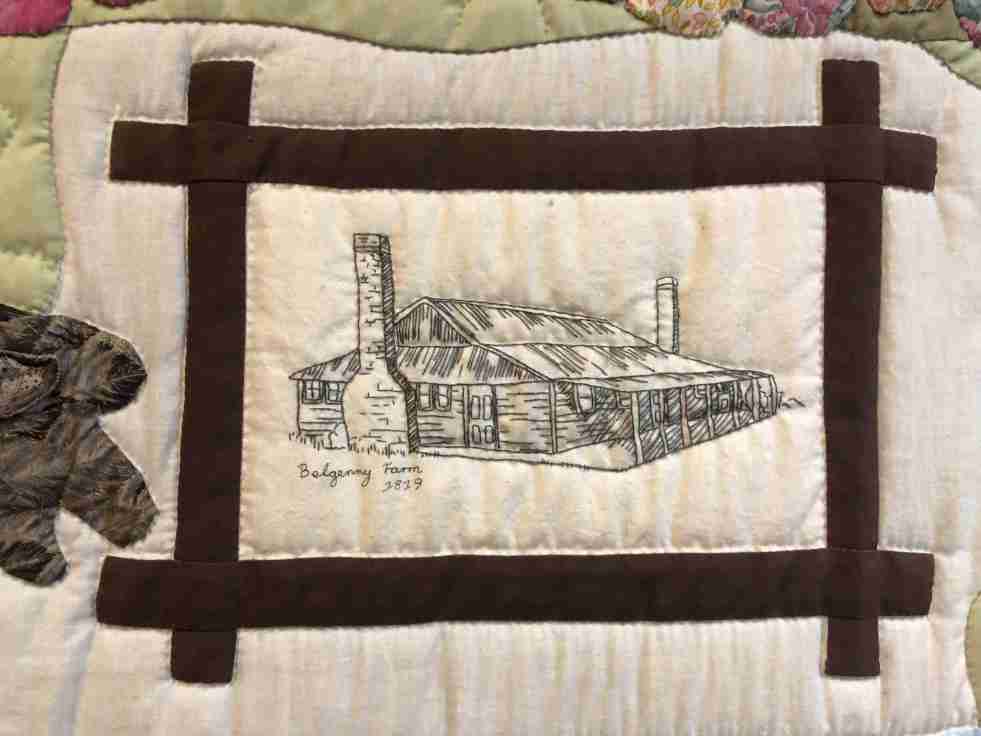
A Cowpastures memorial quilt
Hanging on the wall in the Camden Library is a quilt, but no ordinary quilt. It is a hand-made quilt that had previously hung in the foyer of the Camden Civic Centre for many years. The quilt celebrated the Cowpastures Bicentenary (1995) and was made by members of the Camden Country Quilters Guild.
Share this:

Share this:

Cowpastures Memorial at Narellan
In the plaza outside Narellan Library there is an item public art called the Cowpasture Story.
Share this:

Share this:
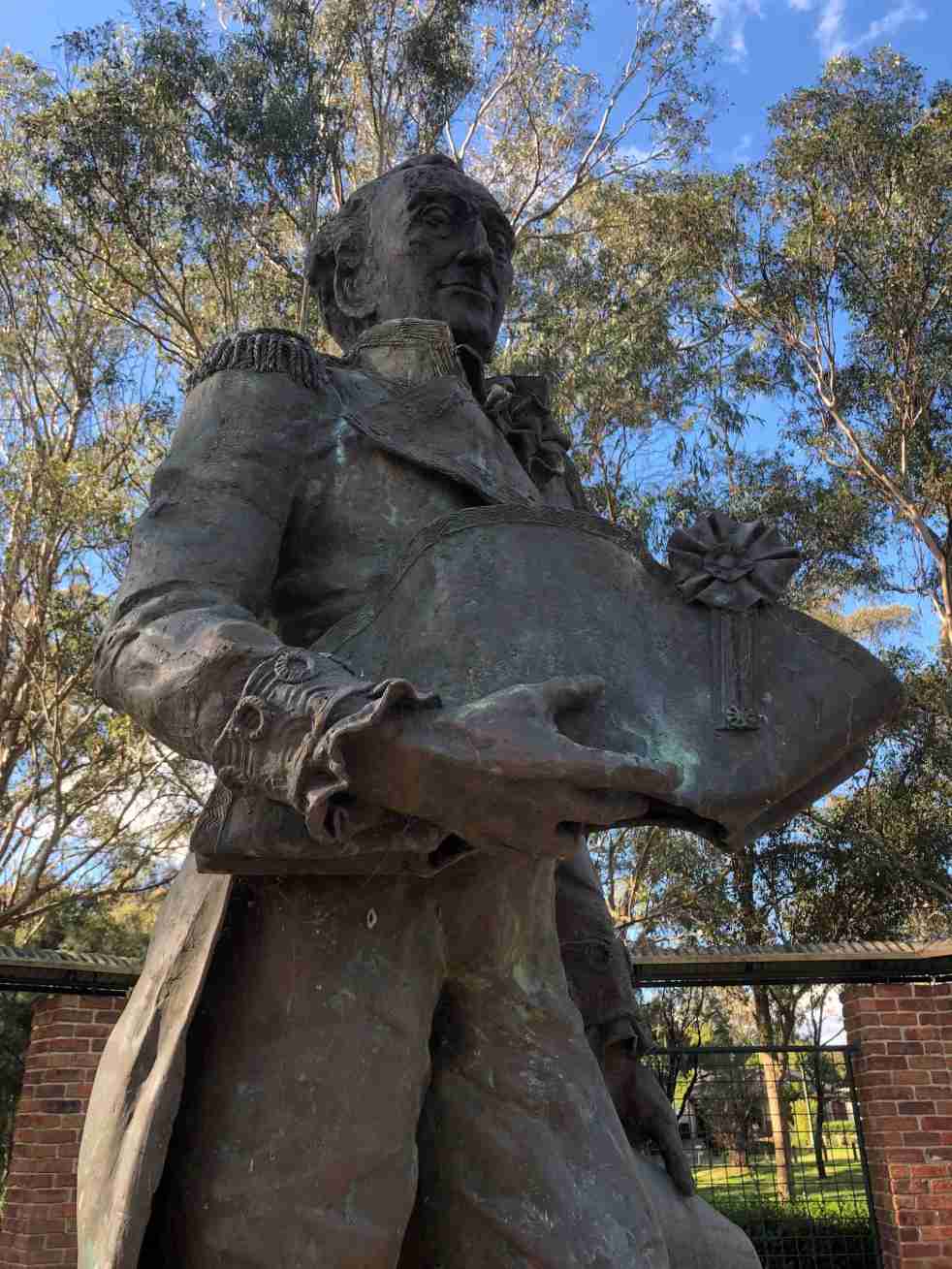
Governor Hunter, a Cowpastures memorial at Mount Annan
The statue of Governor Hunter in the Governors Green Park at Mount Annan is another celebration of the history of the Cowpastures.
Share this:

Share this:
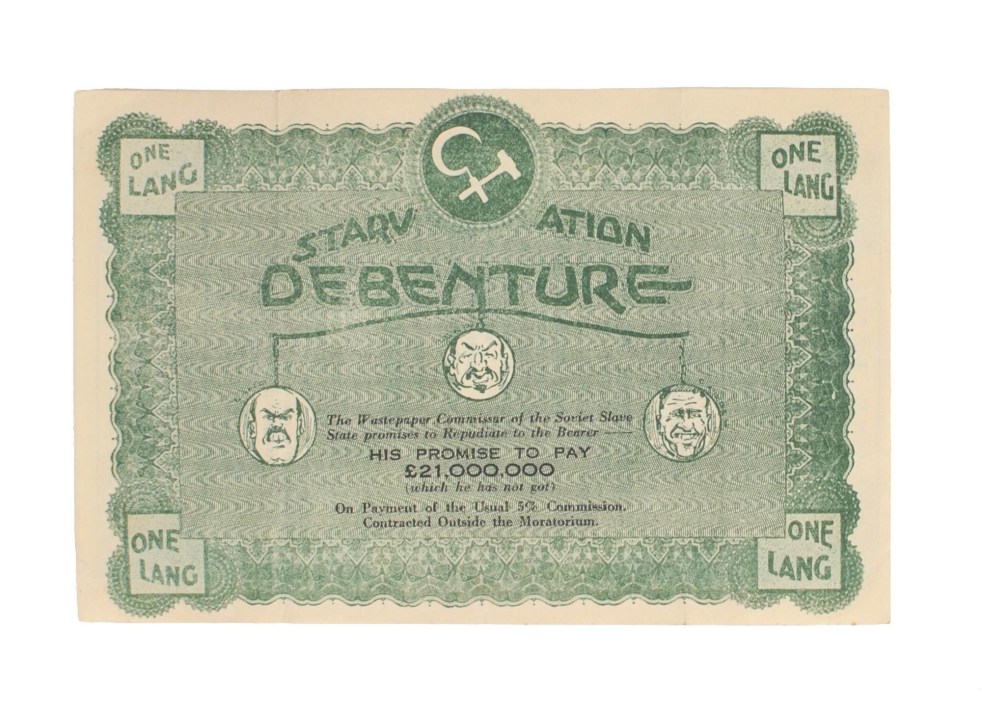
Political propaganda in 1932
The Starvation Debenture produced by the United Country Party is an example of political advertising from the 1932 New South Wales election.
Share this:

Share this:
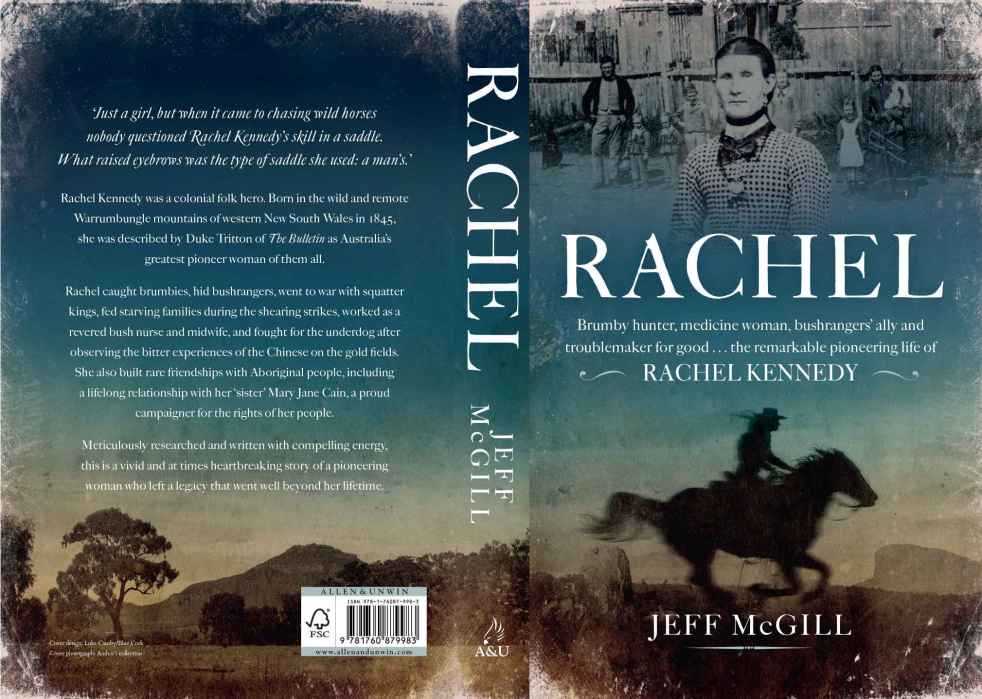
Rachel, a great yarn of the bush from colonial New South Wales
Jeff McGill's Rachel is a ripping yarn about the colonial frontier and the role of women in colonial New South Wales.
Share this:

Share this:
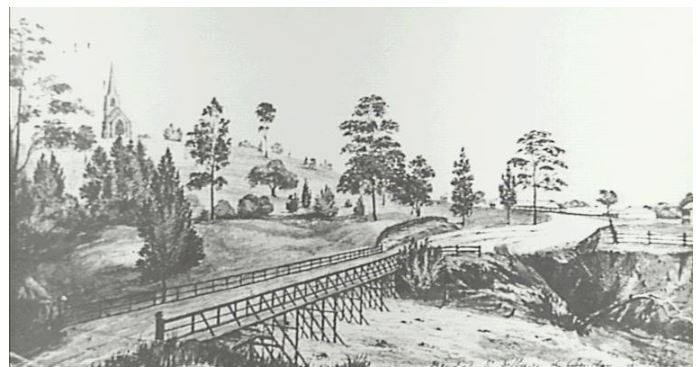
The Cowpastures’ English-styled gentry and their private villages and land grants
The Cowpastures gentry, a self-proclaimed English aristocracy, resided on expansive estates while engaging in business and politics across the British Empire. By the late 1820s, they had transformed the landscape to resemble the English countryside. Various types of people, including convicts and freemen, also inhabited the area.
Share this:

Share this:
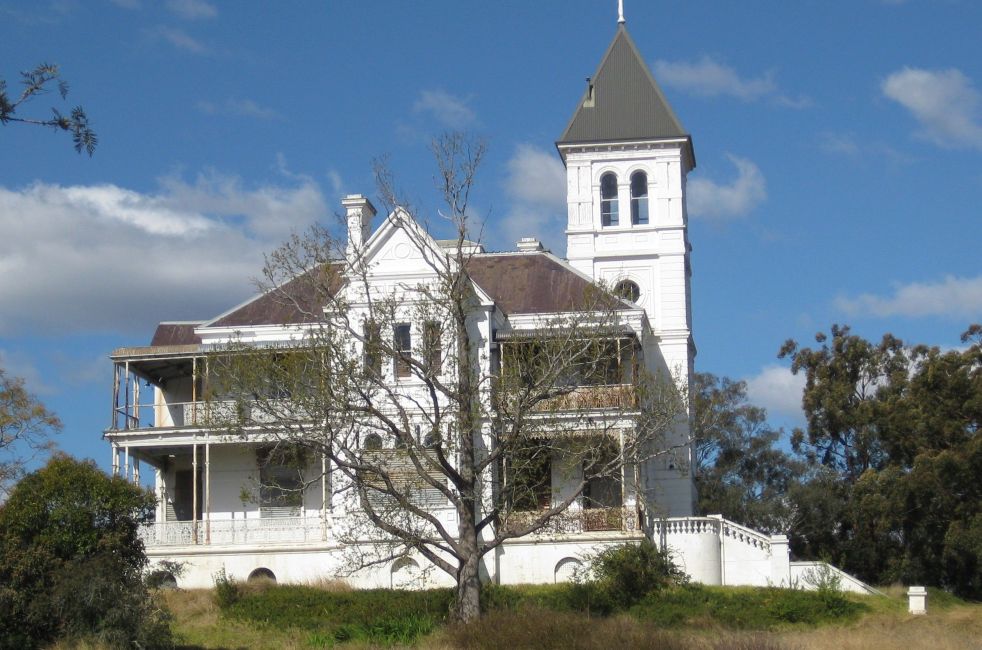
Narellan’s Architectural Landmarks: A Journey Through Time
Narellan, named after an 1816 land grant, features historical buildings like St Thomas Church and School from the 1830s and 1880s. The village, surveyed in 1827, was one of four pre-dating Camden's establishment in 1840. Significant structures include the Narellan Hotel , the former Burton Arms Hotel and Ben Linden reflecting local heritage.
Share this:

Share this:
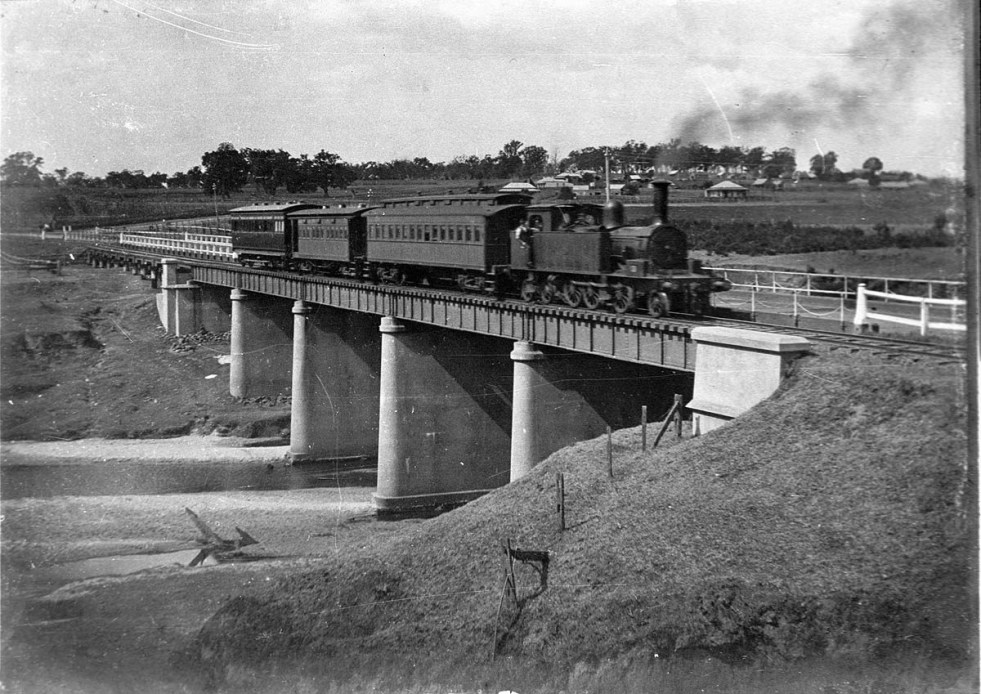
We need new ways to tell stories of the past
We need new ways to tell local stories in the face of fake news, the search for 'the truth' and a host of conspiracy theories. Stories about our past need to based on evidence from a range of credible sources. There is a need to be a historical detective.

