1968 Sydney Region Outline Plan · 1973 New Cities Campbelltown Camden Appin Structure Plan · 20th century · Aesthetics · Architecture · Attachment to place · Brutalist Architecture · Built heritag · Campbelltown · Campbelltown Council · Campbelltown Modernism · Campbelltown Municipal Council · Community identity · Cultural Heritage · Cultural icon · Engineering Heritage · Heritage · Historical consciousness · Historical Research · History · Landscape · Landscape aesthetics · Living History · Local History · Local Studies · Macarthur · Memory · Mid-century modernism · Modernism · Place making · Placemaking · Sense of place · Storytelling · Sydney's rural-urban fringe · Town planning · Urban development · Urban growth · Urban history · Urban Planning · urban sprawl · Urbanism

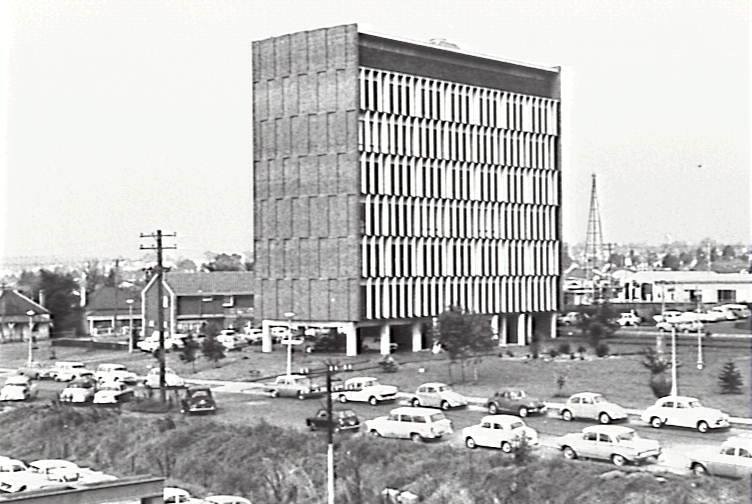
Campbelltown City Council office extension 1982 – an example of mid-century modernism

In 1982 Campbelltown City Council had the official opening for the brutalist administration building. Combined with the adjacent 1964 modernist office building they are an outstanding example of mid-century modernism in the Macarthur region

1968 Sydney Region Outline Plan · 1973 New Cities Campbelltown Camden Appin Structure Plan · Aesthetics · Architecture · Attachment to place · Business · Campbelltown · Campbelltown Council · Campbelltown Mid-century modernism · Campbelltown Modern · Campbelltown Modernism · Campbelltown Municipal Council · Community building · Community identity · Cultural Heritage · Cultural icon · Design · Economy · Heritage · Historical consciousness · Historical Research · Historical thinking · History · Living History · Local History · Local Studies · Macarthur · Macarthur region · Mid-century modernism · Modernism · Place making · Placemaking · Sense of place · Storytelling · Urban development · Urban growth · Urban history · Urban Planning · urban sprawl · Urbanism

Exploring Campbelltown’s Mid-Century Modern Administration Building

The Campbelltown Council office building, completed in 1964, serves as an unrecognized icon of mid-century modernism, symbolizing the town's optimistic vision as a satellite city. Despite its structural significance and initial hopes for community development, later planning challenges undermined this vision, leaving the building's legacy complex and often overlooked.

Attachment to place · Belonging · Camden · Camden Story · Cobbitty · Community identity · Cultural Heritage · Emergency Services · Farming · Floods · Heritage · Historical consciousness · Historical Research · History · Landscape · Living History · Local History · Local Studies · Memory · Natural Disasters · Nepean River · Place making · Ruralism · Sense of place · Storytelling · Urban development · Urban growth · Urban history · Urban Planning · urban sprawl

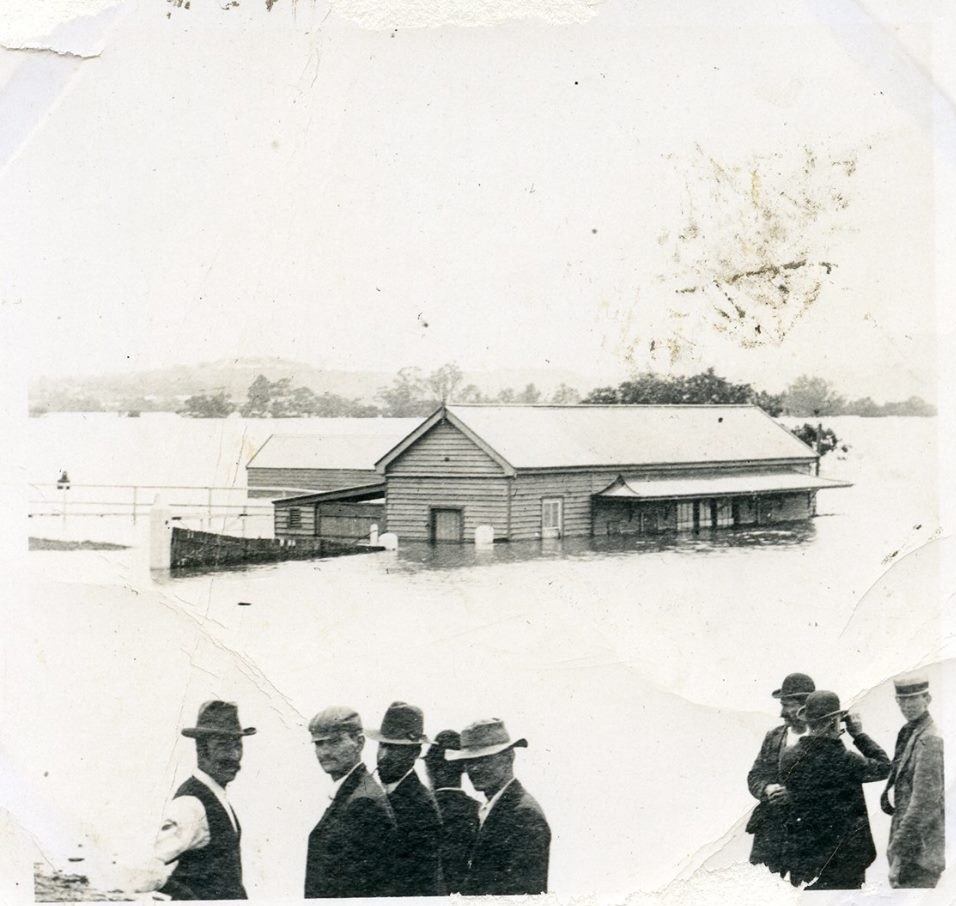
The hidden dangers of Camden’s bathtub effect

The Nepean River's 'bathtub effect' refers to the unique flooding impact created by the river's landform. The Hawkesbury-Nepean River's four gorges result in localized floodplains, causing a 'bathtub effect' during periods of high rainfall. These characteristics make the area susceptible to significant flood risk, impacting local communities.

20th century · Adaptive Re-use · Architecture · Attachment to place · Built heritag · Business · Business History · Camden · Camden Story · Cultural Heritage · Cultural icon · Heritage · Historical consciousness · History · Interwar · Leisure · Local History · Local Studies · Memory · Mid-century modernism · Modernism · Motoring History · Moveable Heritage · Narellan · Place making · Placemaking · Retailing · Sense of place · Storytelling · Tourism · Transport · Urban growth · Urban history

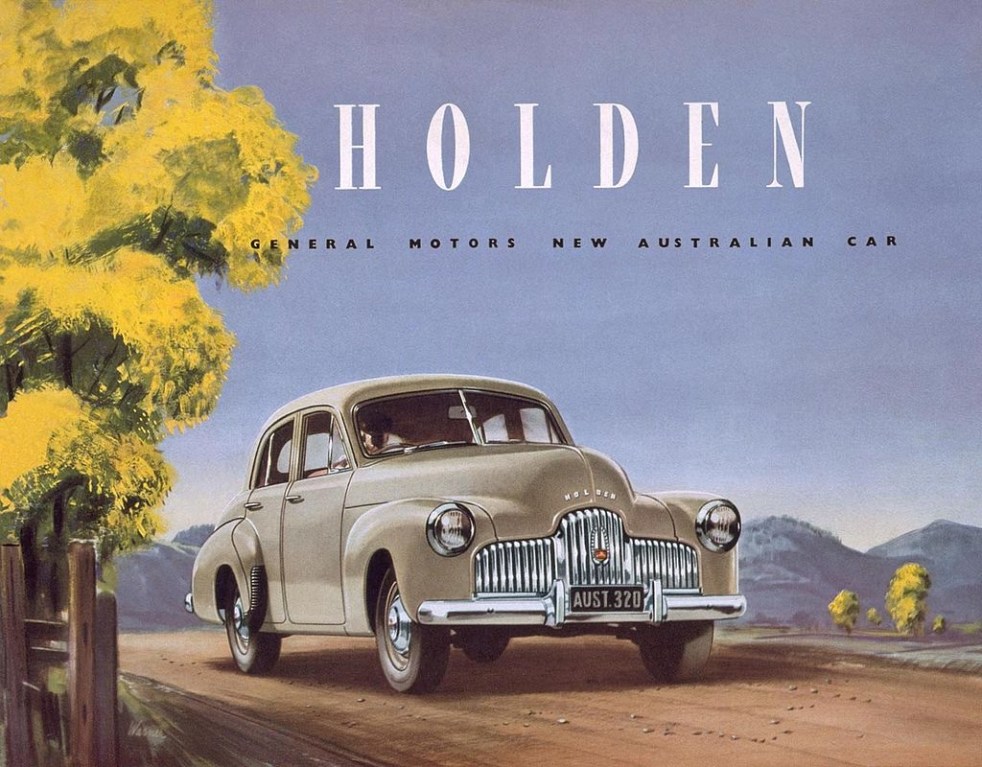
Clintons Motors Car Showroom, motoring and modernism

In March 1948, Camden celebrated a new era in motoring with the opening of Clintons Motors' modern showroom. The introduction of the FX Holden marked a pivotal moment in Australian automotive history, showcasing innovation and capturing community excitement. This Art Deco building symbolized modern shopping and transformed Camden's motoring landscape.

Aesthetics · Architecture · Art · Attachment to place · Colonialism · Community identity · Concord NSW · Convalescent Home · Convalescent hospital · Cultural Heritage · Cultural icon · Curtilage · Dairying · Edwardian · Entertainment · Farming · Festivals · Heritage · History · History of a house · House history · Interwar · Landscape · Landscape aesthetics · Leisure · Local History · Medical history · Modernism · Place making · Red Cross · Sense of place · Storytelling · Urban history · Volunteering · War · War at home · Yaralla Estate, Concord

Yaralla Estate, a hidden Sydney gem

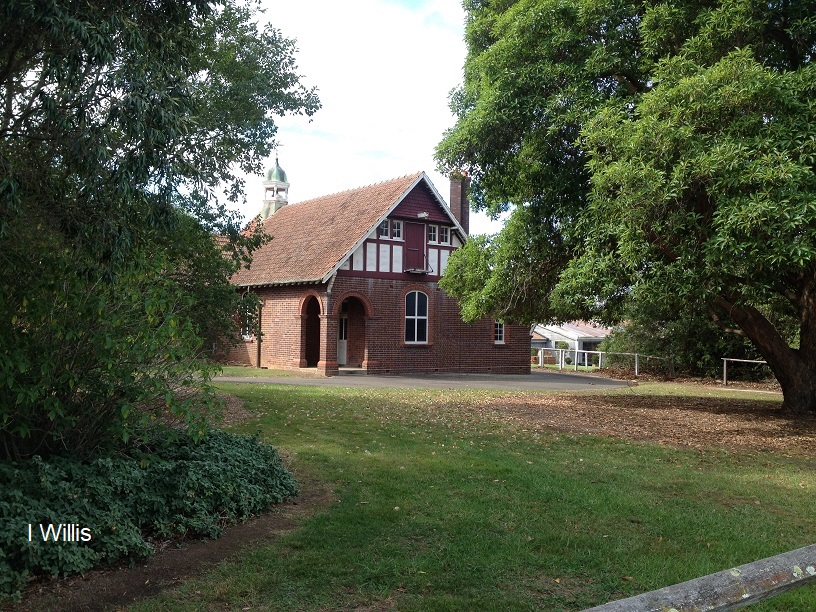
A hidden Sydney gem: Yarralla Estate at Concord NSW which was the home of Dame Eadith Walker in the early 20th century.

Aesthetics · Architecture · Attachment to place · Built heritag · Built Heritage · Camden · Camden Built Heritage · Camden Modern · Camden Modernism · Community building · Community identity · Cultural Heritage · Cultural icon · Elderslie · Heritage · Historical consciousness · History · History of a building · History of a house · House history · Housing · Housing styles · Landscape aesthetics · Local History · Lost Camden · Modernism · Place making · Placemaking · Sense of place · Social History · Stories · Storytelling · Town planning · Urban development · Urban growth · Urban history · Urban Planning · urban sprawl · Urbanism

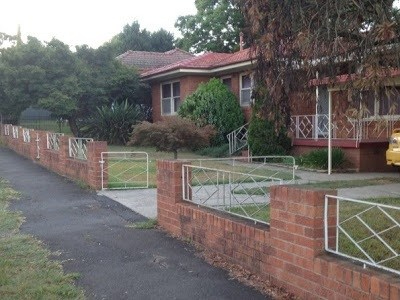
Mid-Century Modernist Homes in Elderslie

In the 1960s, modernism significantly influenced the community of Elderslie, where miners sought contemporary homes. Innovative house designs reflected mid-20th-century trends, including American Ranch styles. Australian architects, like Robin Boyd, contributed to housing projects across the country, merging modern aesthetics with traditional Federation-style homes. These trends influenced the design of local mid-century housing style, resulting in a unique urban landscape.

Architecture · Attachment to place · Belonging · Built heritag · Collective Memory · Colonialism · Cowpastures · Cultural Heritage · Cultural icon · Entertainment · Ghosts · Heritage · Historical consciousness · Historical Research · Historical thinking · History · House history · Housing · Industrial Heritage · Interwar · Land releases · Landscape · Landscape aesthetics · Legends · Leisure · Lifestyle · Living History · Local History · Local newspapers · Local Studies · Lost Sydney · Macarthur · Memorials · Memory · Motoring History · Myths · Newspapers · Oran Park · Oran Park Raceway · Place making · Placemaking · Recreation · Ruralism · Sense of place · Settler colonialism · Stereotypes · Storytelling · Technology · Theme Parks · transport history · Urban development · Urban growth · Urban history · Urban Planning · urban sprawl · Urbanism

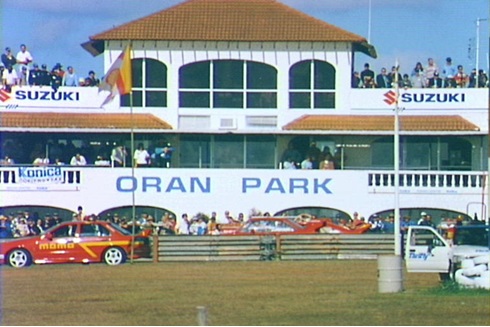
Oran Park Raceway: the finishing line as new horizons open up

Oran Park is a new suburb on Sydney's urban fringe on the site of the former Oran Park Raceway.

Aesthetics · Architecture · Attachment to place · Belonging · British colonialism · Collective Memory · Colonialism · Community identity · Cultural Heritage · Cultural icon · England · Governor Macquarie · Highways · History · Living History · Local History · Local Studies · Memorialisation · Memorials · Memory · Mileposts · Monuments · Parks · Place making · Settler colonialism · Settler Society · Storytelling · Sydney · Urban development · Urban history · Wayfinding

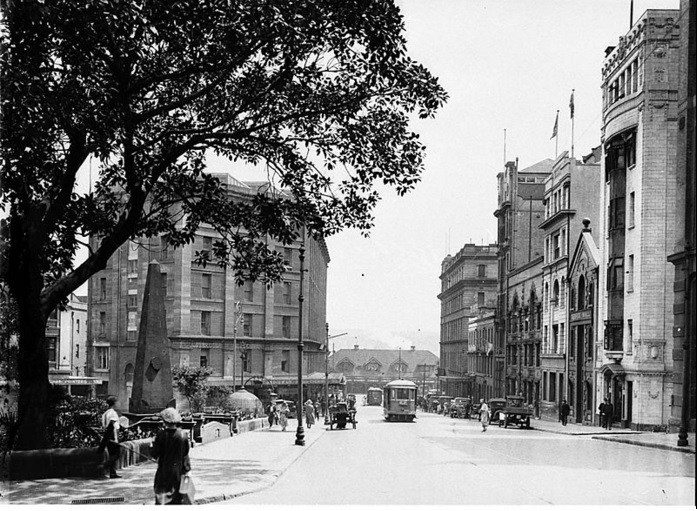
Macquarie Place: an overlooked city space of monumental importance

Macquarie Place is Sydney's oldest public square, established by Governor Macquarie over 200 years ago. Once a colonial elite space, it has transformed alongside the city into a hub for modern finance. The park features monuments and relics, symbolizing its historical significance and ongoing evolution amid urban change.

1920s · 1930s · Architecture · Art · Attachment to place · Business · Business History · Collective Memory · Communications · Community identity · Cultural Heritage · Entertainment · Fashion · Goulburn · Heritage · Historical consciousness · Historical Research · Historical thinking · History · Interwar · Local History · Local newspapers · Local Studies · Media History · Memory · Modernism · Newspapers · Place making · Placemaking · Sense of place · Storytelling · Tourism · Urban history · Victorian

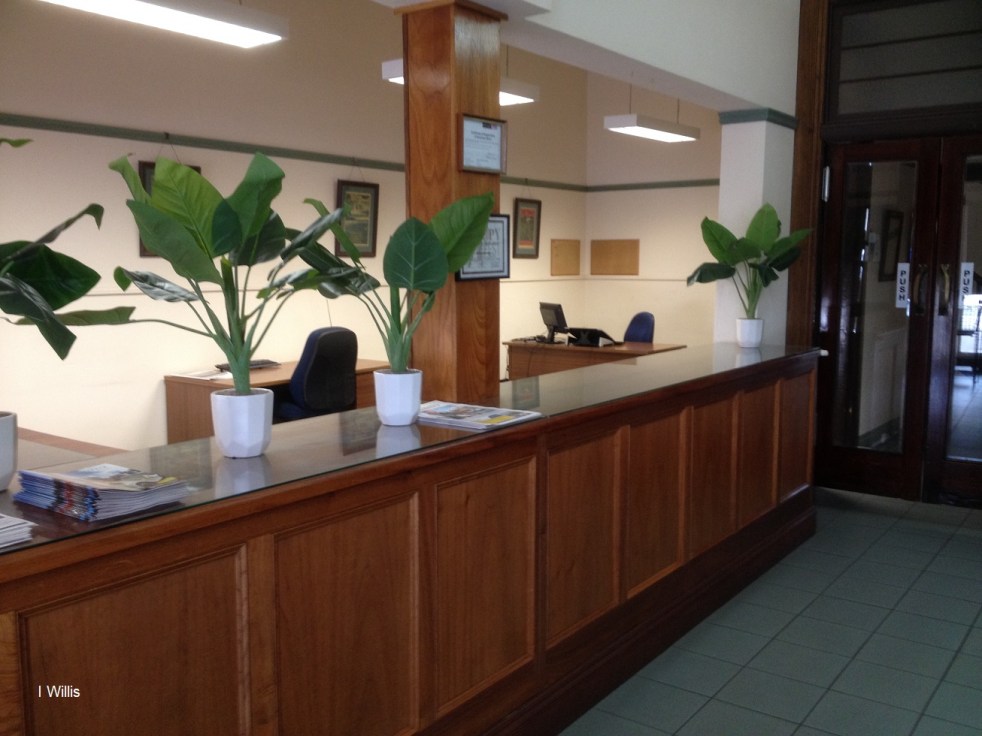
Goulburn Evening Penny Post and its Art-Deco newspaper office and printery

In 1935 a moderne Art-Deco style office was opened for the Goulburn Evening Penny Post

1920s · 1930s · Advertising · Aesthetics · Architecture · Attachment to place · Built heritag · Business · Business History · Community identity · Country town · Cultural and Heritage Tourism · Cultural Heritage · Cultural icon · Design · Dungog · Economy · Fashion · Heritage · Historical consciousness · Historical Research · History · Hotel History · Hotels · Interwar · Lifestyle · Local History · Local Studies · Modernism · Place making · Placemaking · Royal Hotel Dungog · Sense of place · Storytelling · Urban growth · Urban history

Dungog’s Royal Hotel, an Art Deco Bush Pub

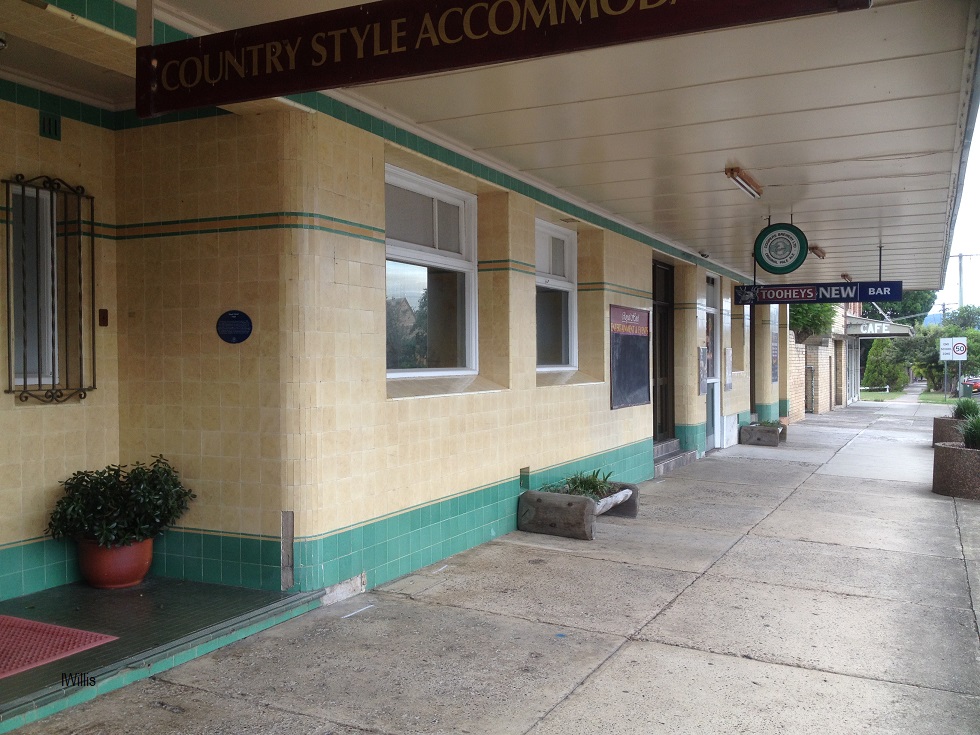
The Dungog Royal Hotel is an example of an Interwar Art Deco style hotel in an Australian country town