1920s · Argyle Street · Artefacts · Attachment to place · Camden · Camden Story · Collective Memory · Cultural Heritage · Engineering Heritage · Engineering History · Heritage · Highways · History · Hume Highway · Infrastructure · Living History · Local History · Local Studies · Memorial · Memorials · Memory · Mileposts · Monuments · Place making · Public art · Re-enactments · Roads · Service utilities · Storytelling · Technology · The Great South Road · Tourism · Transport · transport history · Travel · Travellers · Utilities · Wayfinding

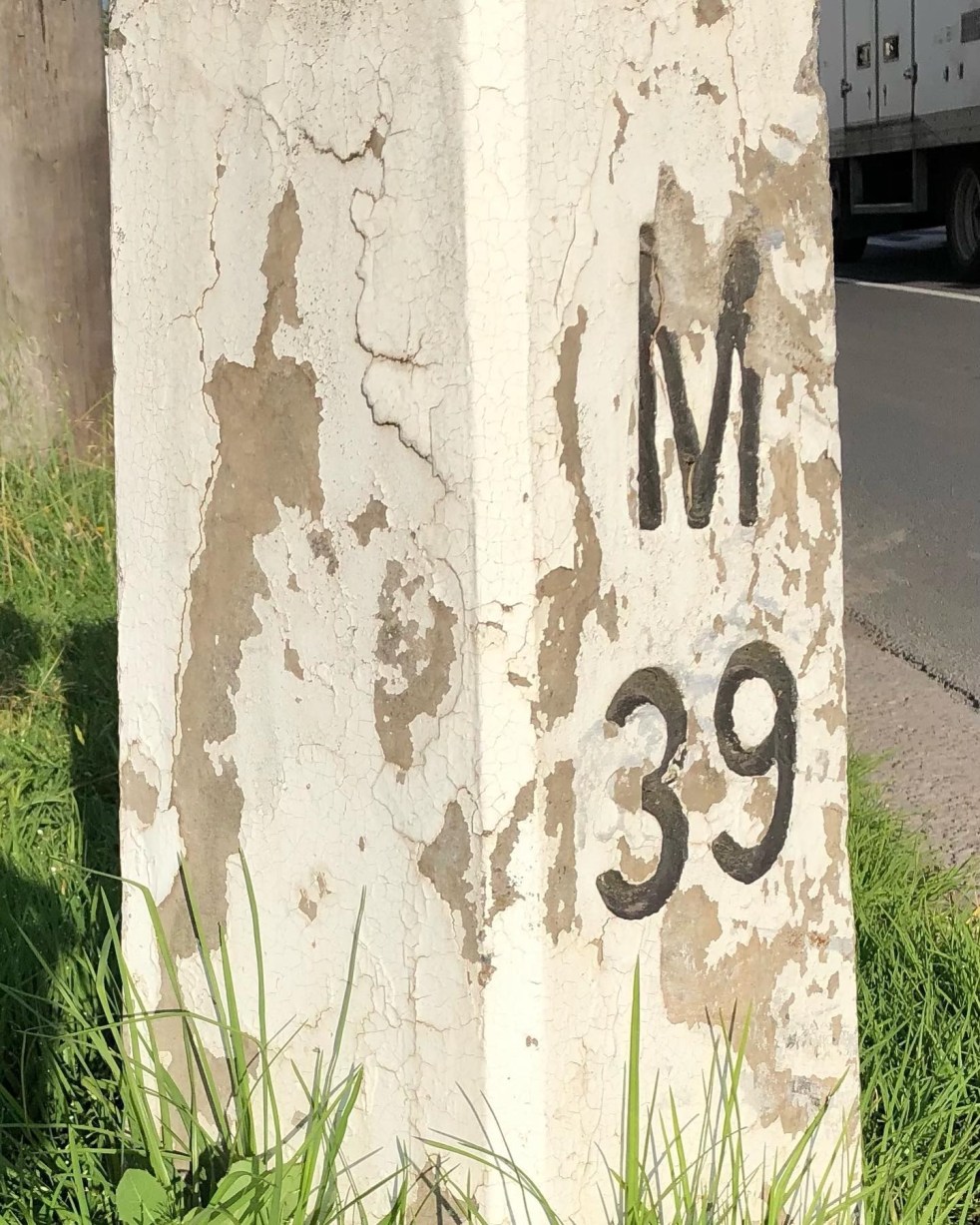
Mileposts captured the distance of the past

The white concrete mileposts in Camden, remnants of the Hume Highway, mark distances to destinations like Sydney and Mittagong. Originating from Roman times, these posts were part of a 1934 initiative to standardize road markers in NSW, aiding both travelers and road maintenance. They reflect Camden's cultural and engineering heritage.

Adaptive Re-use · Aesthetics · Architecture · Argyle Street · Attachment to place · Business · Camden · Camden Gasworks · Camden Story · Communications · Community identity · Cultural Heritage · Cultural icon · Electricity · Engineering Heritage · Gas · Gothic · Heritage · Historical Research · Historical thinking · History · Industrial Heritage · Infrastructure · Living History · Local History · Local Studies · Memory · Myths · Place making · Public art · Sense of place · Service utilities · Storytelling · Streetscapes · Technology · Town planning · Urban Planning · urban sprawl · Urbanism · Utilities · Water

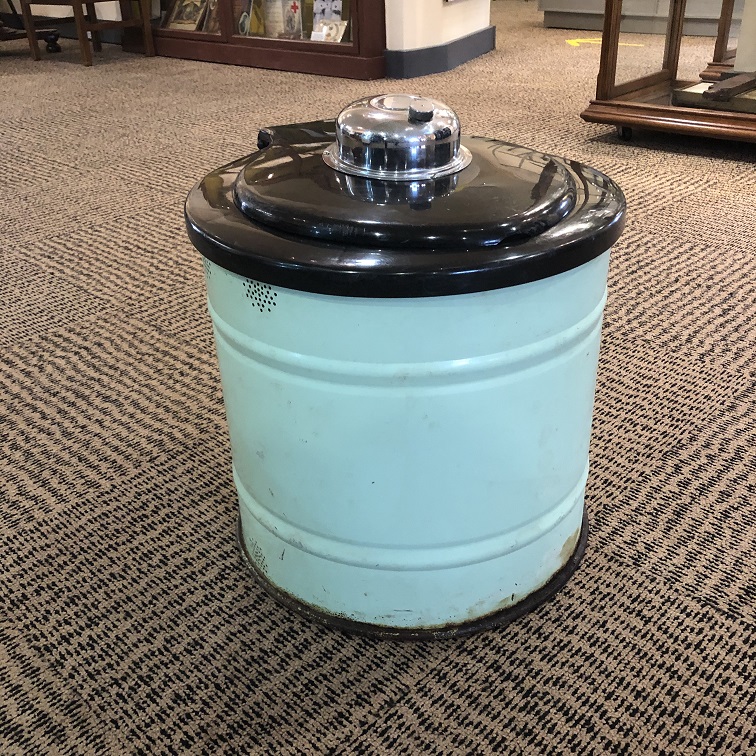
Mundane objects tell an interesting story

Utility covers are mundane objects that tell interesting stories about the past in an area. Others consider then to be a form of street art and street aesthetic.

1973 New Cities Campbelltown Camden Appin Structure Plan · Argyle Street · Bridges · Camden · Camden Bridge · Camden Story · Colonial Camden · Community identity · Cowpastures · Cowpastures River · Cultural Heritage · Economy · Engineering Heritage · Engineering History · Floods · Frontier violence · Governor Macquarie · Heritage · History · Hume Highway · Industrial Heritage · Infrastructure · Living History · Local History · Macarthur · Memorial · Memorialisation · Memorials · Monuments · Motoring History · Nepean River · Place making · Placemaking · Railway · Sense of place · Technology · Transport · Travel · Urban history · Utilities

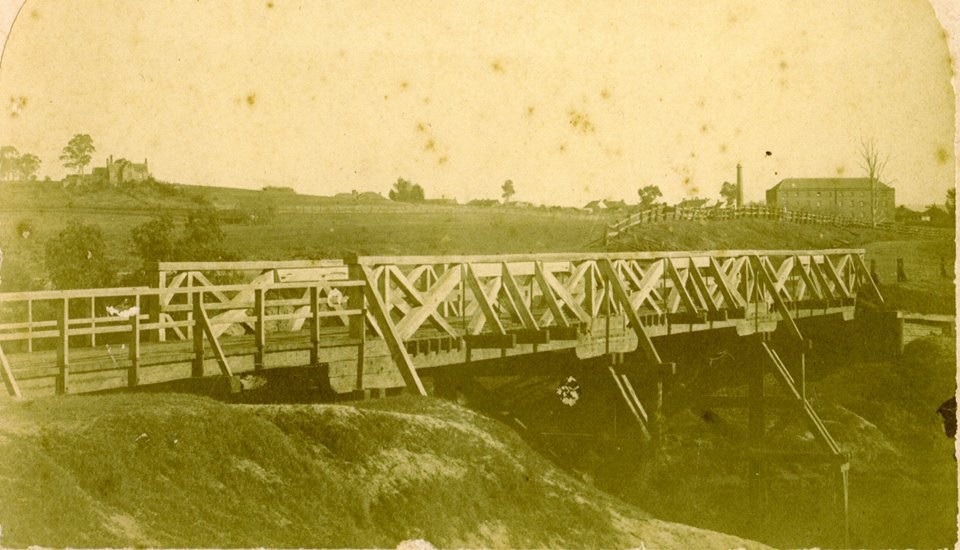
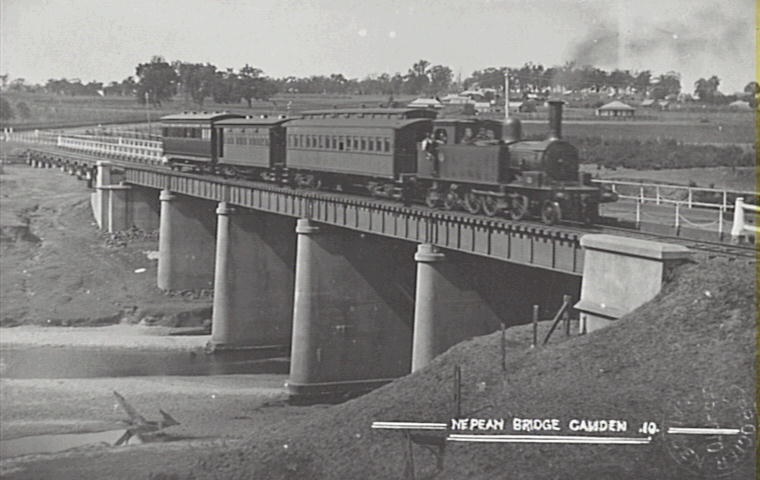
The Cowpastures bridge at the Nepean River crossing

Access across the Nepean River has been an issue since European settlement. The problem was solved by building a bridge with the first in 1826, the next in 1860 followed by 1900 and 1976.

Architecture · Attachment to place · Camden · Communications · Cowpastures · Cultural Heritage · Cultural icon · Economy · Elderslie · Floods · Heritage · Historical consciousness · Historical Research · Historical thinking · History · Landscape · Living History · Local History · Local Studies · Macarthur · Memorials · Memory · Modernism · Monuments · Nepean River · Place making · Sense of place · Storytelling · Tourism · Transport · Travel · Urban growth · Urban Planning · urban sprawl · Urbanism · Utilities

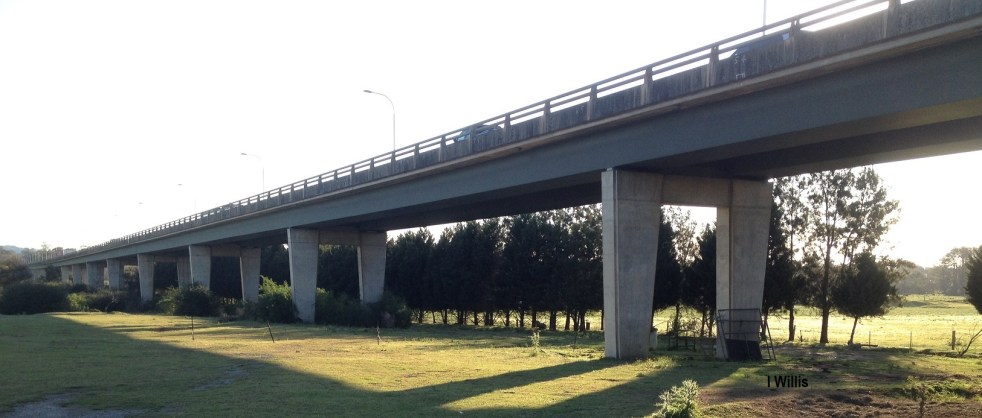
Macarthur Bridge

The Macarthur Bridge across the Nepean River at Camden NSW is an important engineering heritage item.

20th century · Architecture · Attachment to place · Belonging · Camden · Camden Story · Colonial Camden · Cultural Heritage · Heritage · Historical consciousness · History · History of a house · House history · Housing · Interwar · Lifestyle · Living History · Local History · Local newspapers · Local Studies · Macarthur · Newspapers · Place making · Sense of place · Storytelling · Streetscapes · Urban growth · Urban Planning · Urbanism · Utilities

Outhouse at 80 John Street causes a fuss

In the backyard of an historic cottage at 80 John Street there is a funny little dunny that dates from the 1890s. In 2011 it created a great deal of fuss when there was a proposal for a two-storey commercial development at the rear of the cottage site and the demolition of the dunny for parking.

1920s · Aesthetics · Attachment to place · Belonging · Camden · Communications · Cultural Heritage · Cultural icon · Economy · Heritage · Historical consciousness · Historical Research · Historical thinking · History · Leisure · Living History · Local History · Local Studies · Lost Sydney · Memory · Modernism · Moveable Heritage · Narellan · Place making · Railway · Re-enactments · Ruralism · Sense of place · Stereotypes · Storytelling · Streetscapes · Tourism · Transport · Travel · Utilities

Pansy the Camden locomotive

The Camden train affectionately called Pansy is a distant memory that rekindles many memories and a nostalgia for the past.

Aesthetics · Agricultural heritage · Agricultural modernism · Architecture · Attachment to place · Australia · Belgenny Farm · Business · Camden Park House and Garden · Community identity · Cowpastures · Cultural Heritage · Cultural icon · Dairying · Engineering Heritage · Engineering History · Farming · Food · Heritage · Historical consciousness · Historical Research · Historical thinking · History · Industrial Heritage · Lifestyle · Living History · Local History · Local Studies · Lost Sydney · Macarthur · Memory · Menangle · Mid-century modernism · Modernism · Monuments · Myths · Place making · Placemaking · Ruralism · Sense of place · Sydney · Sydney's rural-urban fringe · Tourism · Town planning · Urban growth · Urban Planning · urban sprawl · Urbanism · USA · Utilities

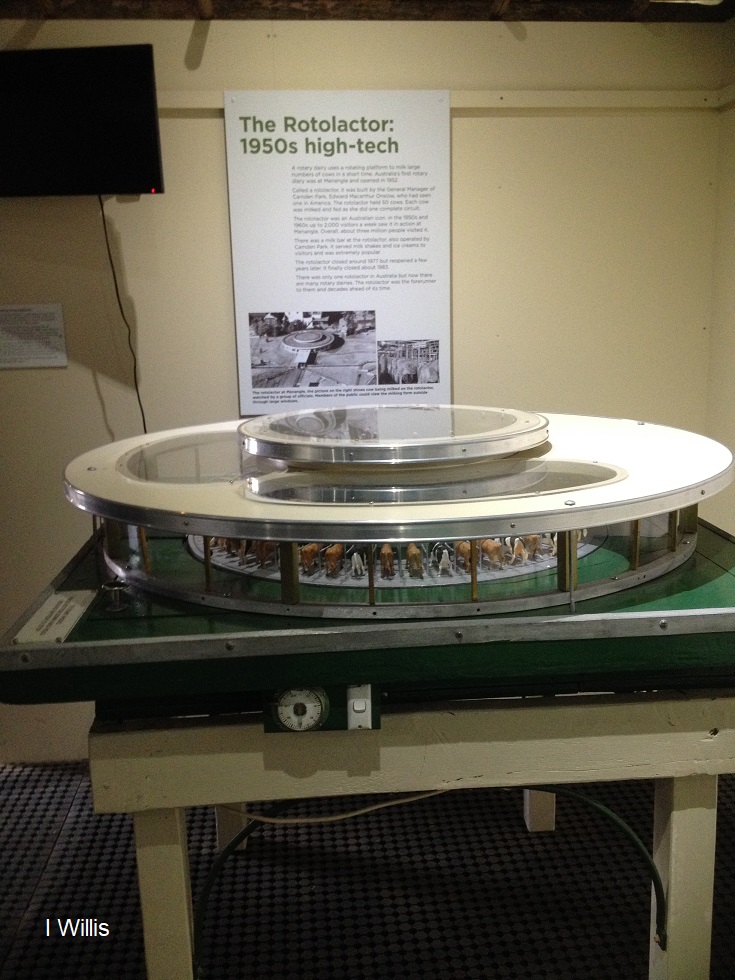
The Rotolactor, a Menangle milking marvel

The Rotolactor was Menangle's milking marvel. A rotating dairy that was a tourism attraction and an example of industrial modernism on the colonial property Camden Park estate.

Camden Gasworks · Camden High School · Camden Story · Camden Town Centre · Contamination · Gas · Heritage · Historical Research · History · Living History · Local History · Local Studies · Lost Camden · Place making · Placemaking · Sense of place · Service utilities · Urban history · Utilities

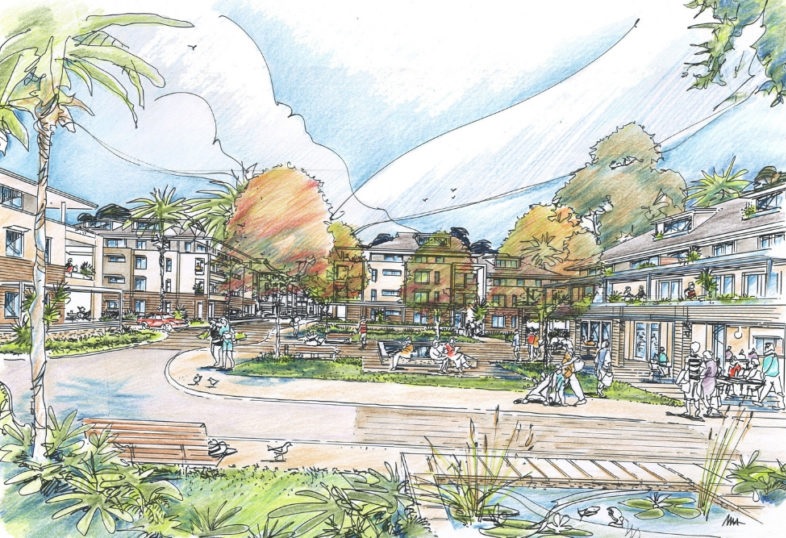
Former Camden High school site has a new retirement village development

The old Camden High site will be reborn as a retirement village

1920s · 1930s · Adaptive Re-use · Architecture · Attachment to place · Belonging · Built heritag · Communications · Community identity · Cultural Heritage · Design · Heritage · History · Industrial Heritage · Interwar · Local History · Local Studies · Memory · Modernism · Place making · Placemaking · Railway · Railway history · Sense of place · Social History · Storytelling · Transport · transport history · Urban history · Utilities

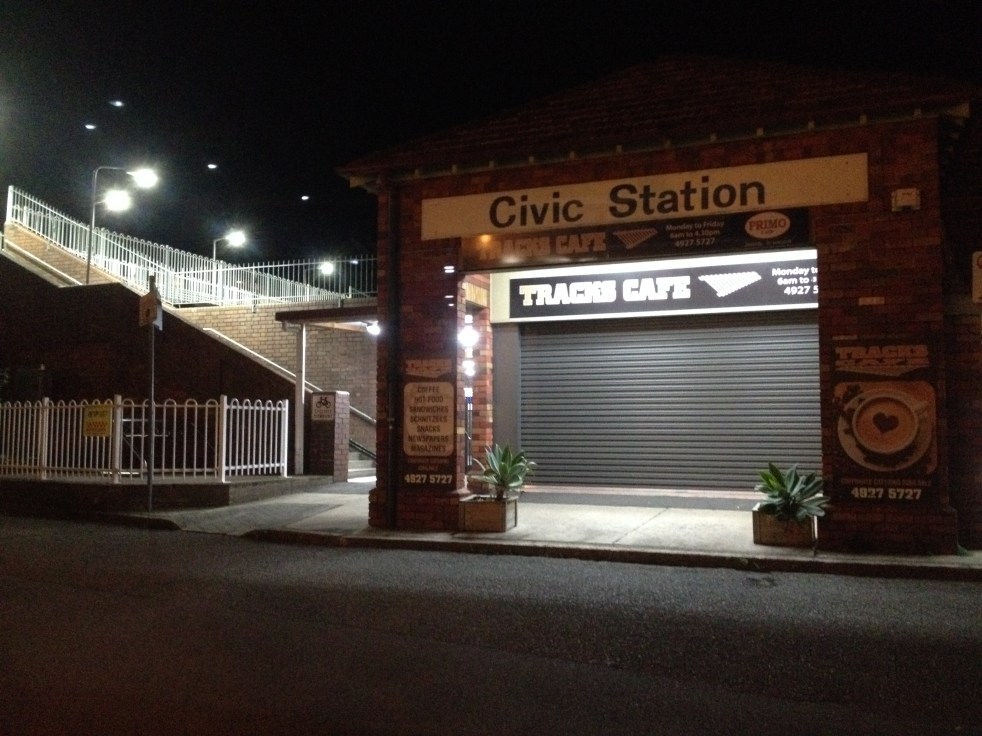
Civic Railway Station, revealing part of Newcastle modernism

Civic Railway Station, now closed, reveals some of the aesthetics of Newcastle modernism.