1920s · 1930s · Architecture · Attachment to place · Built heritag · Business History · Collective Memory · Community Health · Cultural Heritage · Design · Edwardian · Film · Foresters Hall (former) · Heritage · History · Interwar · Leisure · Living History · Local History · Local Studies · Memory · Modernism · Movies · Narellan Military Camp · Placemaking · Second World War

The former Foresters’ Hall, a marvellous Edwardian building

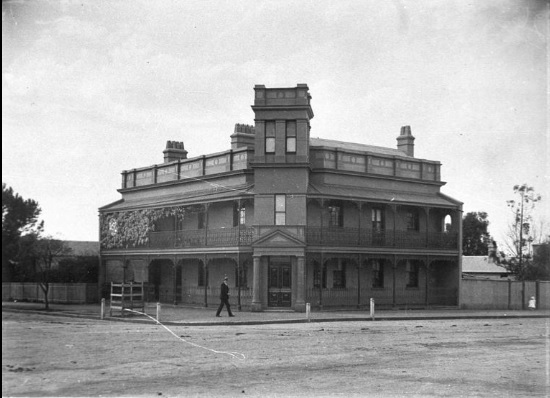
In Camden NSW the former Foresters’ Hall occupies one of the most prominent sites in the Town Centre on Oxley Street and Argyle Street at 147 Argyle Street. On its opening in 1908, the hall was considered the best in New South Wales by the Order of Royal Foresters.

1920s · 1930s · 1932 · 20th century · Adaptive Re-use · Aesthetics · Architecture · Argyle Street · Attachment to place · Belonging · Built heritag · Business History · Camden Story · Camden Town Centre · Collective Memory · Colonial Camden · Community identity · Cultural Heritage · Cultural icon · Design · Economy · Governor Macquarie · Historical consciousness · History · Interwar · Local History · Local Studies · localism · Macarthur region · Mid-century modernism · Modernism · Place making · Placemaking · Sense of place · Storytelling · Streetscapes · Town planning · Uncategorized · Urban growth · Urban history · Urbanism

 The former Bank of New South Wales building in the country town of Camden

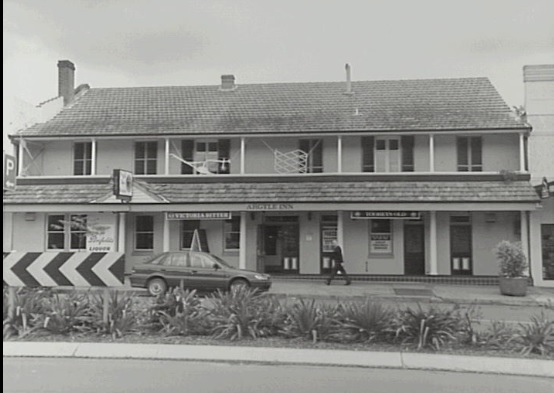
In central Camden is an empty bank building of understated significance at the intersection of John and Argyle Streets. This building was the premises of Westpac, formerly the Bank of New South Wales, and was the second banking chamber on that site. Constructed in the 1930s by a prominent firm of local builders and designed by one of Sydney’s top award-winning architects. It is a building of much architectural merit, and few know its history. 

Argyle Street · Camden · Camden Council · Camden Historical Society · Camden Museum · Camden Red Cross · Camden Show · Churches · Coal mining · Colonial Camden · Country Women's Association · Cultural Heritage · Dairying · Elizabeth Macarthur · Farming · First World War · Floods · Heritage · History · Living History · Local History · Local newspapers · Local Studies · Macarthur · Macarthur Park · Nepean River · Philanthropy · Place making · Placemaking · Railway · Red Cross · Schools · Second World War · Sense of place · Settler colonialism · Settler Society · Silver mining · Storytelling · Sydney's rural-urban fringe · Uncategorized · Urban development · Urban growth · Urban Planning · urban sprawl · Urbanism · Volunteering · Volunteerism · Wartime · World War One

Camden, a Macarthur family venture

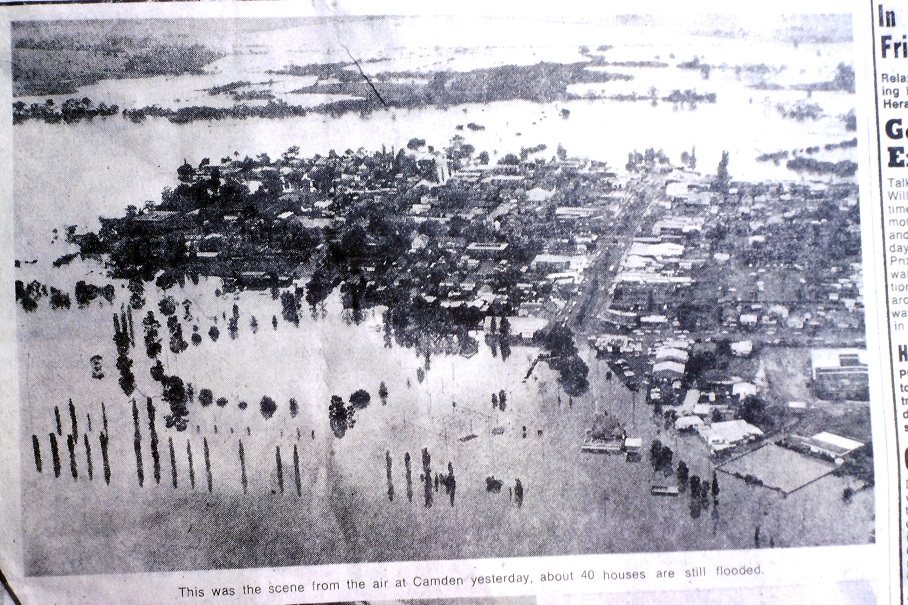
The establishment of Camden, New South Wales, the town in 1840, was a private venture of James and William Macarthur, sons of colonial patriarch John Macarthur, at the Nepean River crossing on the northern edge of the family’s pastoral property of Camden Park. The town’s site was enclosed on three sides by a sweeping bend in the Nepean River and has regularly flooded the surrounding farmland and lower parts of the town.

Aesthetics · Art · Artefacts · Colonial Camden · Cowpastures · Cowpastures Bicentennial · Craft · Crafts · Cultural Heritage · Fashion · Heritage · Leisure · Local History · Local Studies · Memorial · Memorials · Memory · Place making · Placemaking · Public art · Quilting · Sense of place · Settler colonialism · Sewing · Storytelling · Women's history

A Cowpastures memorial quilt

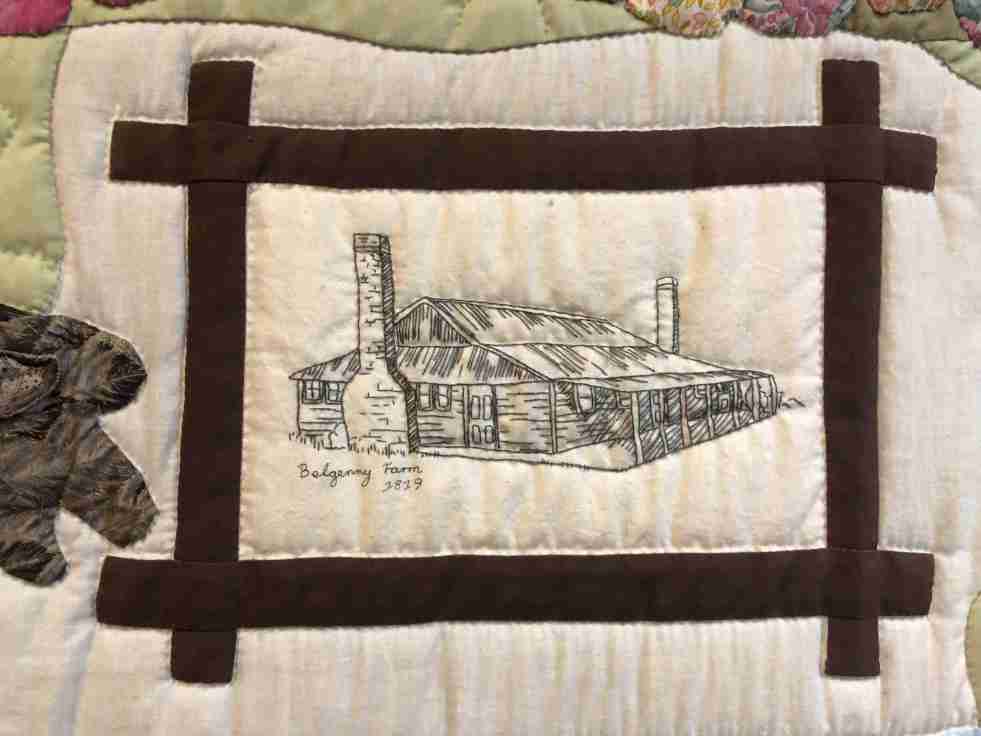
Hanging on the wall in the Camden Library is a quilt, but no ordinary quilt. It is a hand-made quilt that had previously hung in the foyer of the Camden Civic Centre for many years. The quilt celebrated the Cowpastures Bicentenary (1995) and was made by members of the Camden Country Quilters Guild.

Bathtub effect · Cultural Heritage · Floods · Grief · Hawkesbury-Nepean river · Landscape · Living History · Local History · Local Studies · Macarthur · Memory · Nepean River · Place making · Trauma

Flooding in the Hawkesbury-Nepean River Valley

The latest heavy rain in the area has sparked concerns about potential flooding, bringing back memories of past events. The Hawkesbury-Nepean River valley's unique landform features contribute to fast-rising and dangerous floods. This situation has led to considerable anxiety and trauma, prompting the need for emotional and trauma support in the affected communities.

Agency · Agriculture · Agriculture history · Attachment to place · Belonging · British colonialism · Camden · Cawdor · Cobbitty · Colonial Camden · Colonial frontier · Colonialism · Community identity · Cowpastures · Cowpastures Estates · Cowpastures Gentry · Cultural Heritage · Cultural icon · Denbigh · Economy · Elderslie · England · Farming · Georgian · Gothic · Harrington Park · Heritage · History · Hope and loss · House history · Indigenous Heritage · Johm Macarthur · John Oxley · Kirkham · Landscape · Lifestyle · Local Studies · localism · Macarthur · Maryland · Menangle · Myths · Picton · Pioneers · Place making · Placemaking · Sense of place · Settler colonialism · Settler Society · Storytelling · The Oaks · Urban growth

The Cowpastures’ English-styled-gentry and their private villages

A certain type of self-styled-English gentry created a landscape in their own vision in the Cowpastures.

Attachment to place · Bibliography · Camden · Camden Museum · Camden Story · Cultural Heritage · Historiography · History · Local History · Place making · Placemaking · References · Sense of place · Storytelling

Camden Bibliography, a guide to the story of a country town

This is a list of references for the story of Camden and District. It includes newspapers, books, articles, theses and audio-visual sources.

Advertising · Agricultural heritage · Agriculture · Agriculture history · Business · Business History · Camden · Camden Story · Community identity · Country town · Cultural Heritage · Cultural plantings · Economy · Family history · Fergusons Australian Nurseries · Gardening · Heritage · History · Horticulture · Landscape · Local History · Local Studies · localism · Nursery · Place making · Placemaking · Plant Nursery · Retailing · Sense of place · Storytelling · Street Trees · Sydney's rural-urban fringe · Technology · Trees · Uncategorized · Urban development · Urban growth · Urban history · Urban Planning · urban sprawl · Urbanism

Ferguson’s Nursery, the post-war years

During the post-war years, Ferguson's Nurseries continued to be located on Sydney’s urban fringe as the metropolitan area expanded into the rural surrounds.

Agricultural heritage · Agriculture · Agriculture history · Business · Business History · Camden · Camden Story · Campbelltown · Colonial Camden · Colonialism · Community identity · Cowpastures · Cultural Heritage · Cultural icon · Cultural plantings · Economy · England · Family history · Farming · Fergusons Australian Nurseries · Gardening · Heritage · Horticulture · Landscape · Landscape aesthetics · Local History · Local Studies · Memory · Nepean River · Nursery · Place making · Plant Nursery · Sense of place · Storytelling · Trees · Uncategorized · Urban growth · Urban history

Ferguson’s Australian Nurseries, a century of horticulture

Ferguson's Australian Nursery was part of the horticulture industry in the Camden area for over 100 years. Francis Ferguson established a nursery opposite Macquarie Grove on the Nepean River.

20th century · Agriculture · Argyle Street · Attachment to place · Belonging · Camden Festivals · Camden Regional Economic Taskforce · Camden Story · Camden Town Centre · Community identity · Cultural Heritage · Economy · Farming · Fergusons Australian Nurseries · Festivals · Gardening · Heritage · History · Jacaranda · Landscape · Landscape aesthetics · Local History · Local Studies · Macarthur · Memory · Newspapers · Nursery · Placemaking · Storytelling · Streetscapes · Tourism · Uncategorized

Camden’s Inaugural Jacaranda Festival Highlights

The 2018 Camden Jacaranda Festival, inspired by the local Jacaranda trees, was launched and featured live music, a Christmas tree lighting, and a street market. The festival evolved from the previous Light Up Camden festival and emphasized local history through walking tours. The inaugural event celebrated the area's rich botanical heritage.