1920s · Argyle Street · Artefacts · Attachment to place · Camden · Camden Story · Collective Memory · Cultural Heritage · Engineering Heritage · Engineering History · Heritage · Highways · History · Hume Highway · Infrastructure · Living History · Local History · Local Studies · Memorial · Memorials · Memory · Mileposts · Monuments · Place making · Public art · Re-enactments · Roads · Service utilities · Storytelling · Technology · The Great South Road · Tourism · Transport · transport history · Travel · Travellers · Utilities · Wayfinding

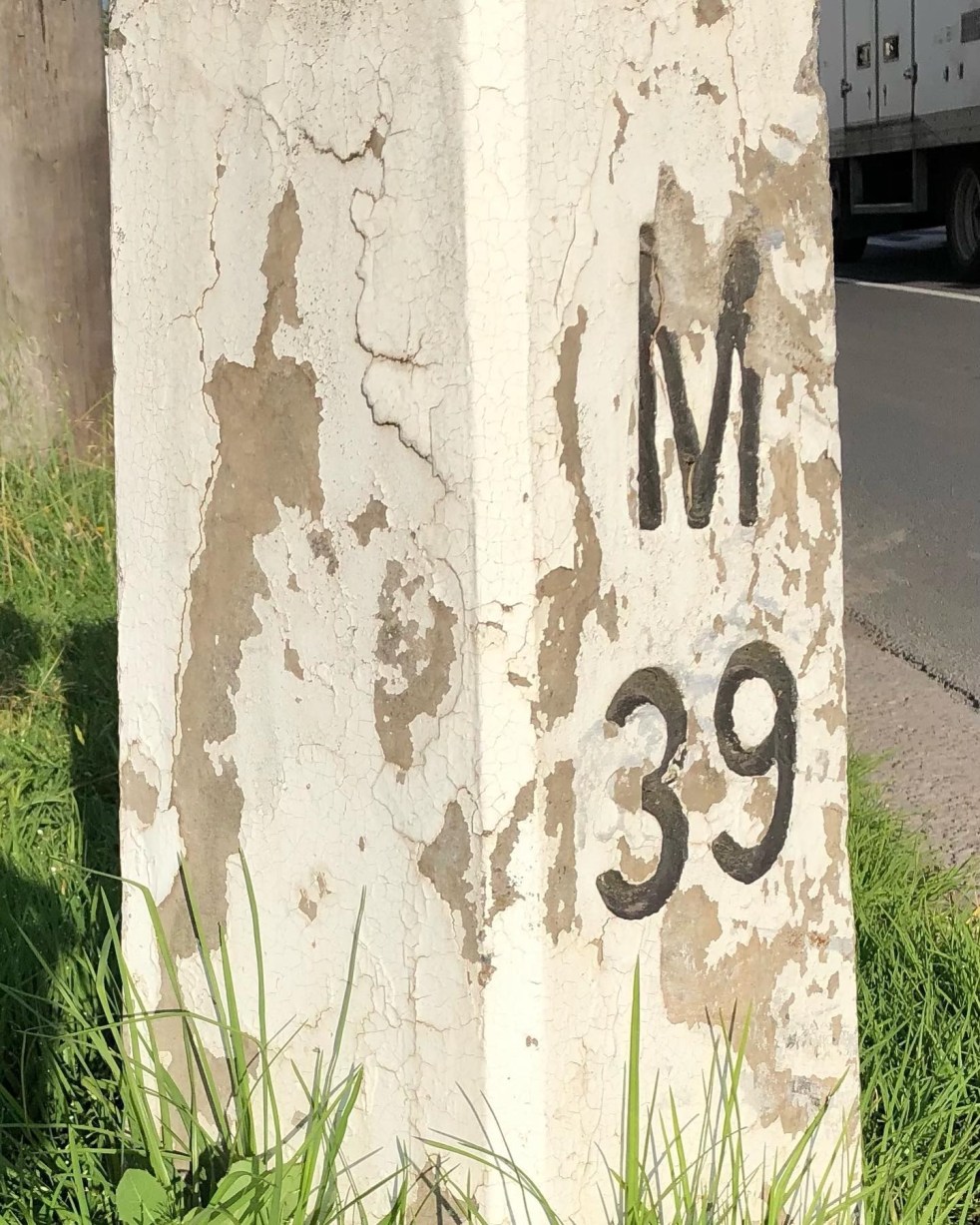
Mileposts captured the distance of the past

The white concrete mileposts in Camden, remnants of the Hume Highway, mark distances to destinations like Sydney and Mittagong. Originating from Roman times, these posts were part of a 1934 initiative to standardize road markers in NSW, aiding both travelers and road maintenance. They reflect Camden's cultural and engineering heritage.

1973 New Cities Campbelltown Camden Appin Structure Plan · Argyle Street · Bridges · Camden · Camden Bridge · Camden Story · Colonial Camden · Community identity · Cowpastures · Cowpastures River · Cultural Heritage · Economy · Engineering Heritage · Engineering History · Floods · Frontier violence · Governor Macquarie · Heritage · History · Hume Highway · Industrial Heritage · Infrastructure · Living History · Local History · Macarthur · Memorial · Memorialisation · Memorials · Monuments · Motoring History · Nepean River · Place making · Placemaking · Railway · Sense of place · Technology · Transport · Travel · Urban history · Utilities

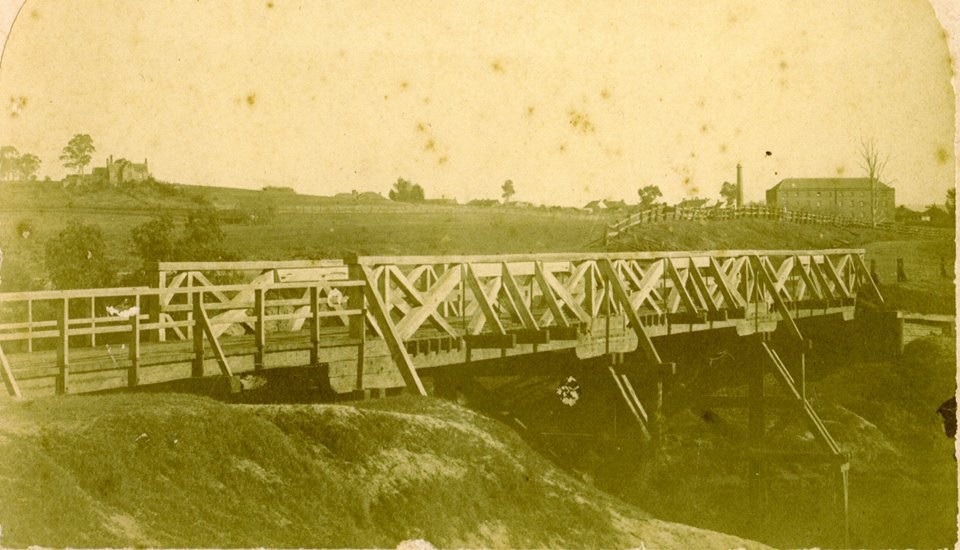
The Cowpastures bridge at the Nepean River crossing

Access across the Nepean River has been an issue since European settlement. The problem was solved by building a bridge with the first in 1826, the next in 1860 followed by 1900 and 1976.

20th century · Attachment to place · Belonging · Camden · Camden Story · Cultural Heritage · England · Families · Gender · Heritage · History · Leisure · Lifestyle · Living History · Local History · Local Studies · Memory · Sense of place · Storytelling · Tourism · Women's diaries · Women's history · Women's Writing

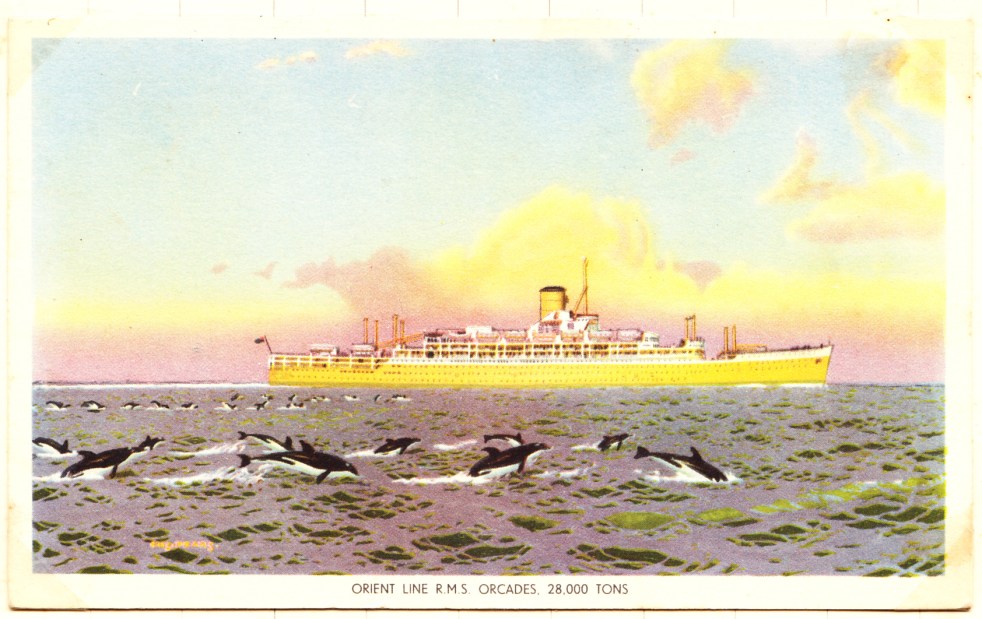
Local girls go to London

In the mid-20th century it was not unusual for local Camden women to travel overseas by ship. They were part of an exodus seeking adventure and new horizons. They wanted to see the world and they did. The story of one of these young women, Shirley Dunk and her best friend Beth Jackman, has been told in a recently published article in Anglica by the University of Warsaw.

Active citizenship · Argyle Street · Attachment to place · Business · Camden · Camden Museum · Camden Story · Community identity · Country Women's Association · Cultural Heritage · Cultural icon · Economy · Families · Family history · Genealogy · Heritage · Historical Research · History · Local History · Local Studies · Medical history · Memory · Place making · Sense of place · Shopping · Storytelling · Uncategorized · Volunteering · Volunteerism · Women's history

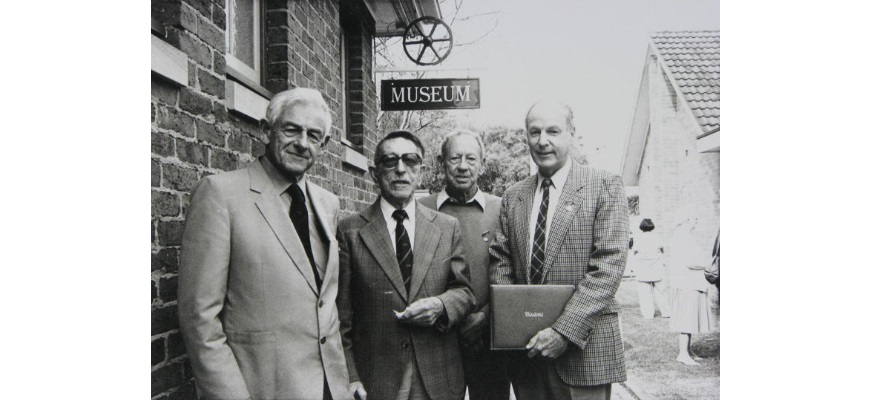
Local identities, Colin and Dorothy Clark

The life and times of Colin and Dorothy Clark were examples of active citizenship. Together they shaped a future for themselves in Camden and served their community, church and family.

Adaptive Re-use · Anzac · Aviation · Camden Airfield · Cultural Heritage · Engineering Heritage · England · Heritage · History · Living History · Local History · Local Studies · Memory · Military history · Nationalism · Patriotism · Place making · Second World War · Sense of place · Storytelling · Tourism · Transport · Uncategorized · War · War at home · Wartime

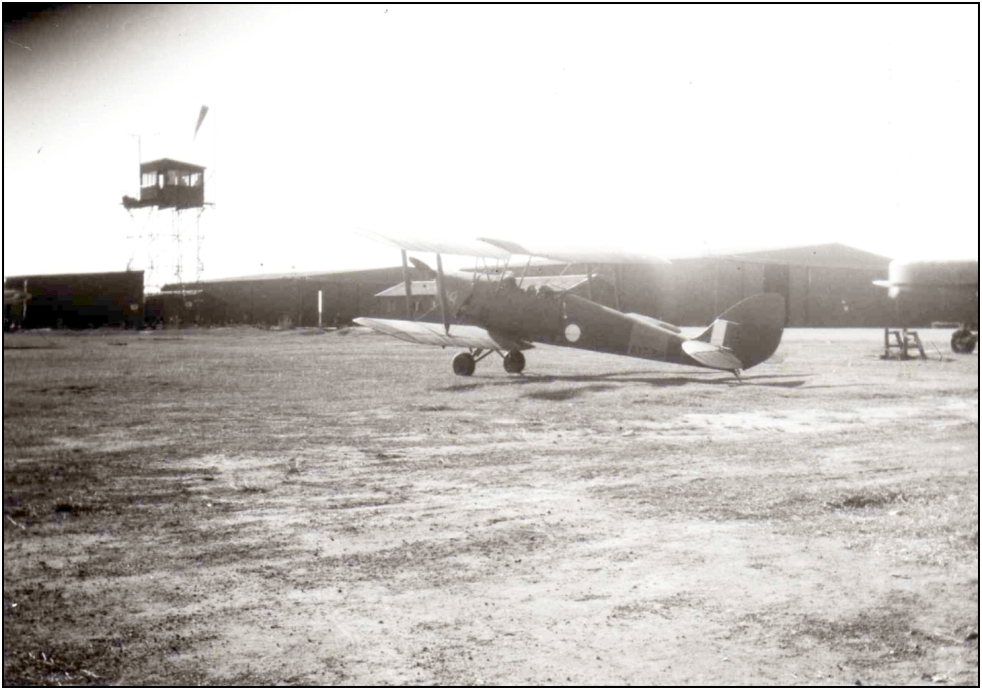
Understanding Bellman Hangars: Camden’s WWII Heritage

Camden Airfield's Bellman hangars, erected during World War II, served as transportable structures for the RAAF Central Flying School under the Empire Air Training Scheme. British-designed by NS Bellman in 1936, these hangars represent Australia's aviation heritage and were crucial for pilot training. Over 280 were supplied across Australia and New Guinea and are part of the country's aviation archaeology.

Aesthetics · Art · Artists · Artworks · Attachment to place · Belonging · Camden Art Group · Camden Public School · Camden Realism · Camden Story · Campbelltown · Campbelltown Art Centre · Community identity · Cultural Heritage · GLAM Sector · Heritage · Historical consciousness · Historical thinking · Landscape · Landscape aesthetics · Living History · Local History · Macarthur region · Memory · Place making · Public art · Realism · Sense of place · Stories · Storytelling · Tourism

Exploring Camden Realism: Art as storytelling

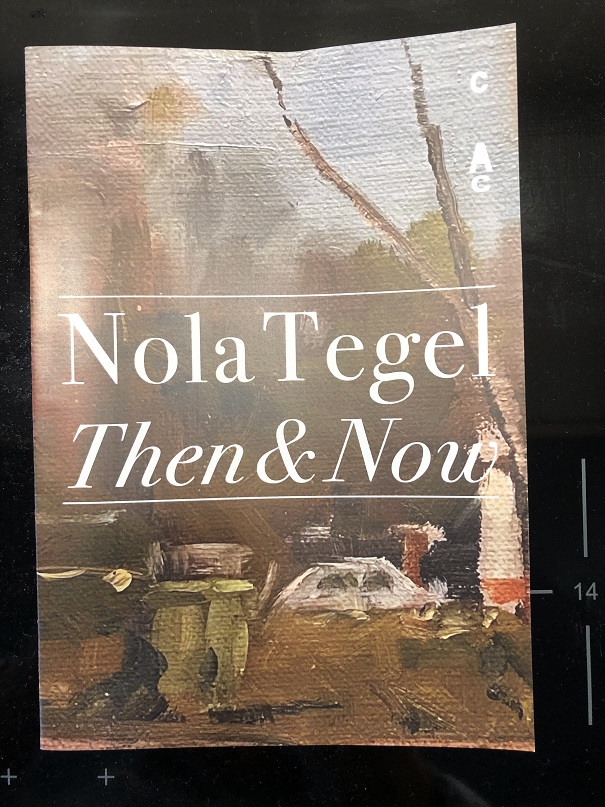
Camden Realism is an art style emerging in the Macarthur region, characterized by storytelling through representational artworks. Artists like Nola Tegel and Patricia Johnston, influenced by Alan Baker, capture local history and change. Exhibitions at Campbelltown Arts Centre showcase their work, reflecting the evolving landscape and community identity.

Architecture · Attachment to place · Camden · Communications · Cowpastures · Cultural Heritage · Cultural icon · Economy · Elderslie · Floods · Heritage · Historical consciousness · Historical Research · Historical thinking · History · Landscape · Living History · Local History · Local Studies · Macarthur · Memorials · Memory · Modernism · Monuments · Nepean River · Place making · Sense of place · Storytelling · Tourism · Transport · Travel · Urban growth · Urban Planning · urban sprawl · Urbanism · Utilities

Macarthur Bridge

The Macarthur Bridge across the Nepean River at Camden NSW is an important engineering heritage item.

Camden · Camden Story · Community identity · Cultural Heritage · Heritage · History · Landscape · Local History · Local Studies · Parks · Uncategorized · Urban Planning · Urbanism

Kings Bush Reserve Camden

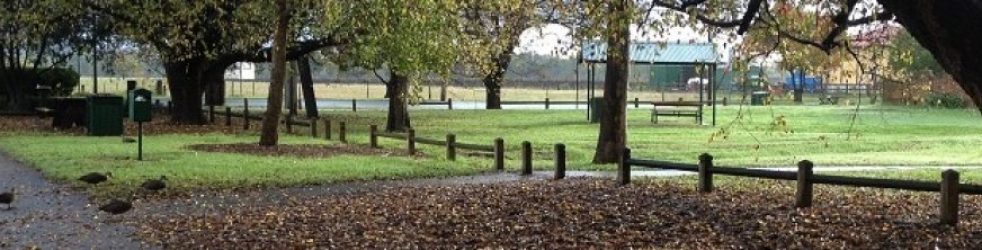
Kings Bush is a local Camden remnant of Cumberland Woodland and the Sydney Coastal River Flat Forest on the Nepean River floodplain adjacent to the town centre. The reserve is named after Rev CJ King who was the rector of St Johns Church for 35 years.

Aesthetics · Agricultural heritage · Agriculture · Argyle Street · Attachment to place · Built heritag · Camden · Camden Airfield · Camden Show · Camden Story · Camden Town Centre · Churches · Cobbitty · Colonial Camden · Colonialism · Community identity · Country town · Cultural and Heritage Tourism · Cultural Heritage · Cumberland Plain · Farming · Floods · Heritage · History · Landscape · Living History · Local History · Local Studies · Macarthur Park · Onslow Park · Place making · Placemaking · Railway · Sense of place · Storytelling · Tourism

Camden, the best preserved country town on the Cumberland Plain

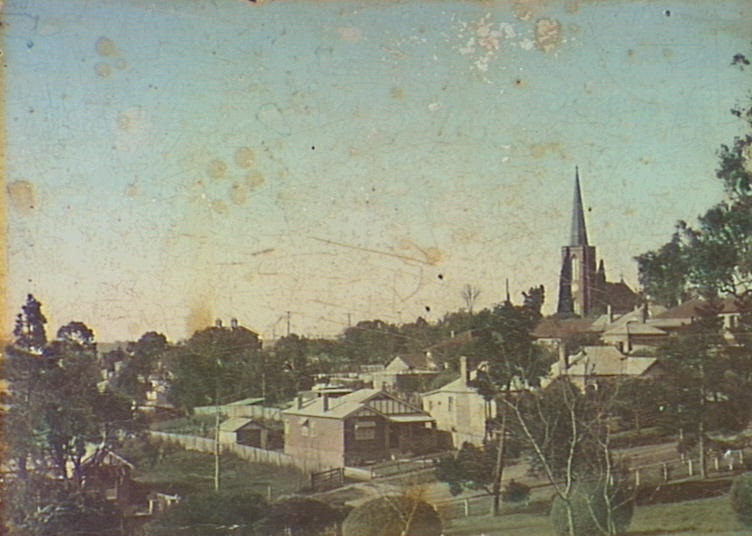
The historic town of Camden is hailed by architect Hector Abrahams as the best-preserved country town on the Cumberland Plain. Established in 1840, it offers a glimpse of Victorian and early 20th-century charm. Visitors can explore its heritage precinct, rural landscapes, historic villages, and even relive the town's aviation history.

Adaptive Re-use · Architecture · Attachment to place · Camden · Camden Cottage · Campbelltown Modernism · Cultural Heritage · Cultural icon · Edwardian · Heritage · Historical Research · History · History of a house · House history · Housing · Living History · Local History · Local Studies · Macarthur · Modernism · Place making · Storytelling · Streetscapes · Urbanism

Camden Edwardian Cottages

Camden has quite a number of Edwardian cottages in the town area, on surrounding farms and in local district villages. They are typical of the early twentieth century landscape in the local district. These have been called the Camden Cottage.